
Maintaining optimal water chemistry in a spa is paramount to ensuring a hygienic, comfortable, and enjoyable experience. For a 165-gallon spa, understanding the precise amount of shock to add can seem daunting, but it’s a manageable aspect of spa ownership when approached systematically. This guide delves into the factors influencing your shocking regimen, the types of shock available, and the practical steps to achieve balanced water, all within the context of maximizing your relaxation and spa’s longevity.
Understanding Spa Water Chemistry and Shocking
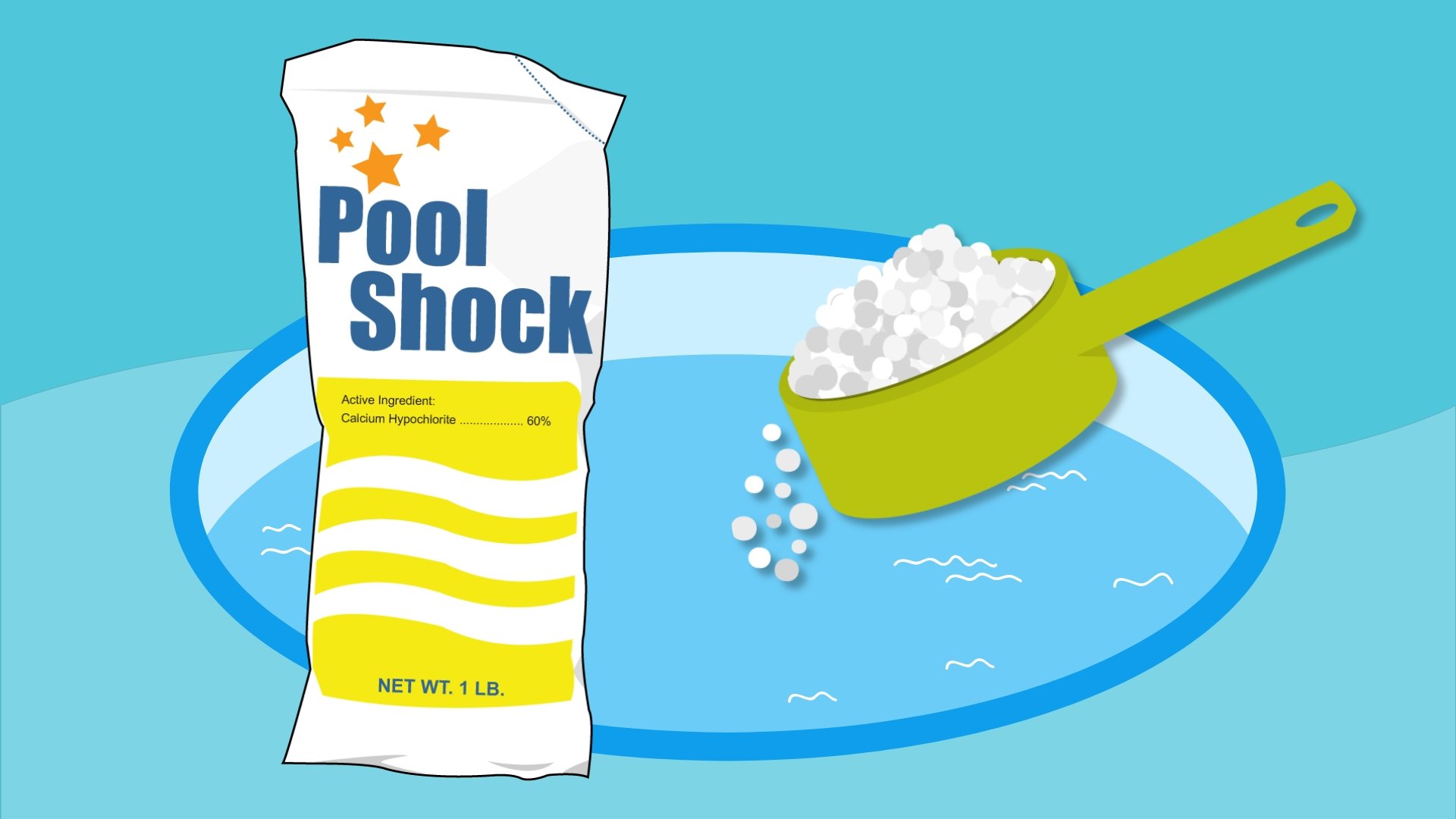
Shocking a spa, also known as super-chlorination, is the process of raising the sanitizer level in the water significantly for a short period. This aggressive treatment is designed to break down organic contaminants, kill bacteria and viruses, and eliminate chloramines – the compounds that cause the characteristic “chlorine smell” and can irritate skin and eyes. For a 165-gallon vessel, the volume of water dictates the dosage, but several other factors play a crucial role in determining the exact amount of shock required.
The Role of Sanitizer Levels
Your spa’s primary sanitizer, typically chlorine or bromine, works continuously to keep the water safe. However, with regular use, bather load, environmental factors like debris and sunlight, the sanitizer can become depleted. Shocking is a periodic boost to overwhelm any lingering contaminants that the daily sanitizer level might not have eradicated. A healthy sanitizer level, measured by a test strip, usually hovers between 1 and 3 parts per million (ppm) for chlorine. After shocking, you’ll see a much higher reading, which then gradually dissipates back to the ideal range.
Factors Influencing Shock Dosage
While a 165-gallon spa has a fixed volume, the frequency and intensity of shocking are not set in stone. Several variables necessitate adjustments to your shock treatments:
- Bather Load: The more people use the spa, the more organic matter (sweat, oils, lotions, etc.) is introduced. Each bather effectively adds a significant organic load that the sanitizer must combat. For a 165-gallon spa frequently used by multiple individuals, more frequent or stronger shocking might be needed.
- Environmental Conditions: Exposure to sunlight, wind, and airborne debris can degrade sanitizer and introduce contaminants. If your spa is outdoors, especially in a sunny locale like Florida or near a wooded area, it will likely require more attention than an indoor unit.
- Water Temperature: Warmer water accelerates chemical reactions. While higher temperatures are desirable for spa use, they also mean that sanitizers and shock treatments can dissipate more quickly.
- Water Clarity and Odor: Cloudy water or a strong “chlorine” smell are indicators that your sanitizer is struggling and shocking is overdue. This visual and olfactory cue is a direct signal that the water chemistry is imbalanced and requires intervention.
- Frequency of Use: A spa used daily will require different maintenance than one used only on weekends. Consistent use implies a higher turnover of contaminants.
Types of Spa Shock
The term “shock” is often used generically, but there are distinct types of spa shock products, primarily differentiated by their active ingredients. Understanding these will help you choose the most appropriate for your 165-gallon spa.
Non-Chlorine Shock (Potassium Monopersulfate – MPS)
Non-chlorine shock, often based on potassium monopersulfate (MPS), is a popular choice for spa owners. Its primary advantage is that it doesn’t raise the overall chlorine level in the water, meaning you can typically use the spa sooner after treatment (often as little as 15-20 minutes, once the water has circulated). MPS works by oxidizing contaminants, breaking them down into less harmful substances. It’s particularly effective at revitalizing existing sanitizer and eliminating organic waste without directly adding more chlorine. For a 165-gallon spa, MPS is a gentler option for routine shocking to maintain water quality between heavier treatments.
Chlorine-Based Shock (Sodium Dichlor – Dichloroisocyanurate)
Chlorine shock, commonly sodium dichlor, directly adds chlorine to the water. This is a more potent method for eliminating stubborn contaminants and quickly raising the free chlorine level to a high concentration. While effective, it requires a longer waiting period before re-entry into the spa – typically 12-24 hours, or until the free chlorine level drops back to the safe range of 1-3 ppm. This type of shock is often recommended for situations requiring a more powerful sanitizing boost, such as after a particularly heavy bather load or if the water quality has significantly deteriorated.
Bromine Shock
If your spa uses bromine as its primary sanitizer, you would use a bromine-based shock. This product typically contains sodium bromide, which, when oxidized by a shock treatment (often an MPS-based shock), converts to active bromine. Bromine offers a wider effective pH range than chlorine and is less susceptible to degradation by sunlight. For a 165-gallon spa using a bromine system, the principles of shocking are similar, but the specific product will differ.
Calculating Shock Dosage for a 165 Gallon Spa
The most critical aspect of shocking your 165-gallon spa is using the correct dosage. Over-shocking can lead to excessively high sanitizer levels, which can be irritating and damage spa components, while under-shocking will be ineffective. Always refer to the product packaging for specific instructions, as dosages can vary between brands and formulations. However, we can establish a general guideline.
Standard Dosage Guidelines
Most spa shock products are designed for common spa sizes and will provide dosage recommendations based on volume. For a 165-gallon spa, you will typically find that:
- Non-Chlorine Shock (MPS): For a standard dose to maintain water quality or after moderate use, you might use anywhere from 1 to 2 tablespoons (approximately 0.5 to 1 ounce) per 100 gallons. For a 165-gallon spa, this would translate to roughly 1.5 to 3 ounces. A common package might suggest 1 ounce per 100 gallons for routine shocking, meaning around 1.5 to 2 ounces for your 165-gallon spa. Always check the label of products like Poolife or Clorox Pool&Spa as their specific formulations might differ slightly.
- Chlorine Shock (Dichlor): Chlorine shock is typically dosed at a higher rate for super-chlorination. A common recommendation is 1 ounce per 100 gallons for a standard shock. For a 165-gallon spa, this would be approximately 1.5 to 2 ounces. For a more aggressive shock, the dosage might increase, but again, always adhere to the manufacturer’s instructions on the packaging.
Understanding Product Labels
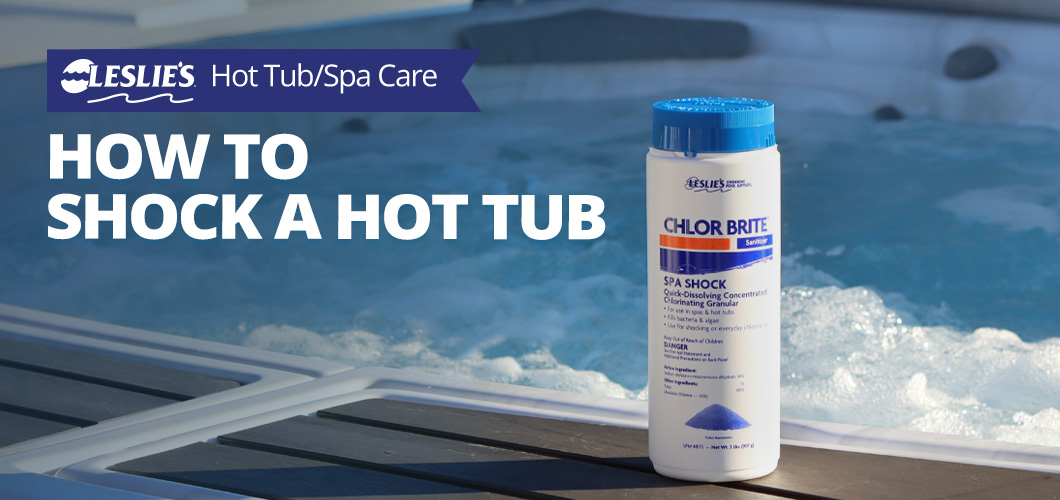
Spa shock products are usually sold in granular form. The packaging will clearly state the net weight and provide a scoop or a measuring guide. When a product says “use X ounces per Y gallons,” it’s essential to measure accurately. Some products will have a built-in scoop with markings, while others may require a kitchen scale or a separate measuring tool. For a 165-gallon spa, precise measurement is key. If a product recommends 1 ounce per 100 gallons, for your 165-gallon spa, you’d calculate:
(165 gallons / 100 gallons) * 1 ounce = 1.65 ounces
You would then measure out approximately 1.65 ounces of the shock product.
When to Shock: A Practical Approach
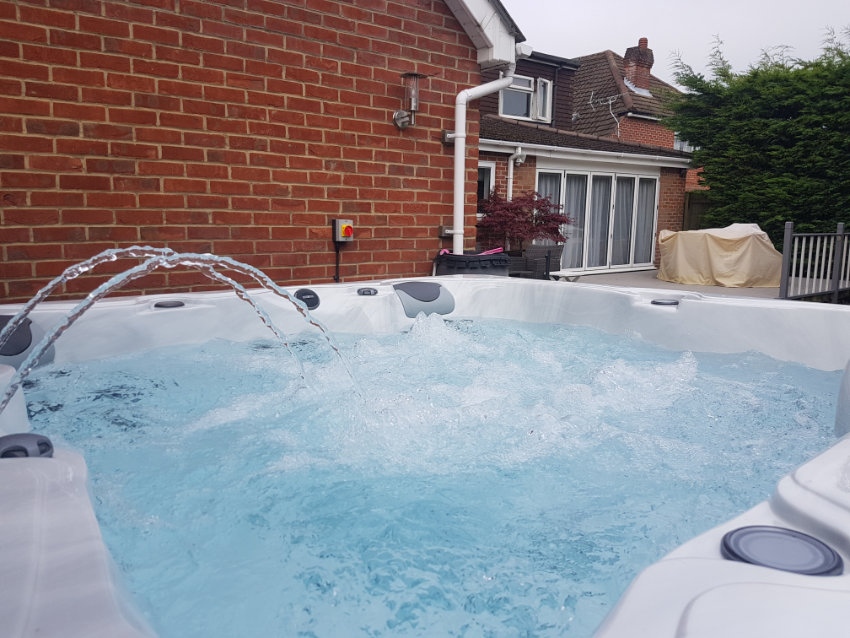
The decision of when to shock your 165-gallon spa should be based on a combination of factors:
- After Each Use: For optimal hygiene, especially if the spa is used frequently or by multiple people, shocking after each significant use is an excellent practice. This is where non-chlorine shock truly shines, allowing for quick re-entry.
- Weekly Routine: Even with moderate use, a weekly shock treatment, particularly with non-chlorine shock, helps maintain pristine water quality. This proactive approach prevents most water issues before they arise.
- Visible Indicators: If the water becomes cloudy, develops an unusual odor, or if you notice skin irritation after use, it’s a clear sign that your spa needs shocking immediately.
- Before Extended Unuse: If you plan to leave your spa uncovered and unused for a few days, shocking it beforehand can help preserve water quality until your return.
The Shocking Process: Step-by-Step
Implementing the shocking process for your 165-gallon spa is straightforward, but requires careful attention to detail to ensure effectiveness and safety.
Step 1: Test Your Water Chemistry
Before adding any chemicals, always test your spa’s water. Use a reliable test strip to check for free chlorine, pH, and alkalinity. This baseline reading will inform you of the current water balance and the extent to which shocking is needed. If your pH is significantly out of range (ideally 7.2-7.8), adjust it first, as it impacts the effectiveness of sanitizers.
Step 2: Prepare the Spa
Ensure your spa cover is off and the circulation pumps are running. This is crucial for distributing the shock evenly throughout the 165-gallon volume of water. If your spa has different jet settings or pump speeds, set it to its highest circulation mode.
Step 3: Measure and Add the Shock
Based on your water test results and the product’s instructions for a 165-gallon spa, carefully measure the recommended amount of shock. Granular shock products should generally be dissolved in a bucket of spa water before being dispersed. This prevents concentrated chemicals from sitting on the spa shell or equipment, which can cause damage.
- For granular shocks: Fill a clean bucket with about 5 gallons of spa water. Add the measured shock to the bucket and stir until fully dissolved.
- Disperse evenly: Slowly pour the dissolved shock mixture around the perimeter of the spa while the pumps are running.
Step 4: Circulate and Wait
Allow the spa pumps to run for at least 20-30 minutes, or according to the product’s instructions, to ensure the shock is thoroughly circulated and mixed within the 165-gallon water volume.
- Non-Chlorine Shock: After circulation, you can typically resume spa use within 15-30 minutes, once the initial reaction has subsided and the water feels clear.
- Chlorine Shock: For chlorine-based shocks, it is imperative to wait until the free chlorine level drops back to the safe range of 1-3 ppm. This can take 12-24 hours. Re-test the water before re-entry.
Step 5: Re-test and Adjust
Once you are ready to use the spa again (or after the recommended waiting period), re-test your water chemistry. You may need to make minor adjustments to pH or alkalinity to bring them back into the ideal range. Continuously monitoring your spa’s water quality ensures a consistently enjoyable and safe experience in your 165-gallon oasis.
Maintaining Optimal Water Balance for Your 165 Gallon Spa
Shocking is a vital component of spa maintenance, but it is one piece of a larger puzzle. For your 165-gallon spa to remain a sanctuary of relaxation, consistent adherence to water balance principles is key.
Regular Testing and Balancing
Beyond shocking, daily or every-other-day testing with test strips is recommended. Ensure your pH, total alkalinity, and free chlorine (or bromine) levels are within their ideal ranges. Maintaining these parameters prevents common issues like scale formation, corrosion, and cloudy water, and it also ensures that your shock treatments are as effective as possible.
Filtration and Cleaning
Your spa’s filter is its internal cleaning system. Regularly cleaning or replacing your filter, typically on a monthly basis depending on usage, is crucial. A clean filter ensures efficient water circulation, allowing your sanitizer and shock treatments to work effectively throughout the 165-gallon volume. Additionally, periodically vacuuming debris from the spa floor and wiping down the waterline will reduce the organic load on your water treatment regimen.
Cover Care and Usage Habits
The spa cover is an essential accessory for a 165-gallon spa. It helps retain heat, prevents debris from entering, and reduces evaporation. Ensure your cover is in good condition and fits snugly. Encourage bathers to rinse off before entering the spa to minimize the introduction of lotions, oils, and other contaminants.
By understanding the nuances of shocking and integrating it into a comprehensive water maintenance routine, you can ensure your 165-gallon spa remains a pristine and inviting retreat for countless hours of enjoyment.
LifeOutOfTheBox is a participant in the Amazon Services LLC Associates Program, an affiliate advertising program designed to provide a means for sites to earn advertising fees by advertising and linking to Amazon.com. Amazon, the Amazon logo, AmazonSupply, and the AmazonSupply logo are trademarks of Amazon.com, Inc. or its affiliates. As an Amazon Associate we earn affiliate commissions from qualifying purchases.