
Navigating state income taxes is a crucial component of sound financial planning, especially when considering a lifestyle shift, a new job, or even remote work in the Grand Canyon State. Understanding how much to withhold for Arizona taxes is not just about compliance; it’s about optimizing your cash flow throughout the year, avoiding unwelcome surprises at tax time, and ensuring your financial lifestyle in Arizona remains stable and predictable. This guide delves into the specifics of Arizona income tax withholding, offering insights for residents, new movers, and anyone earning income within the state.

Understanding Arizona’s Income Tax Landscape
Arizona’s tax system, like many states, requires employers to withhold a portion of an employee’s wages for state income tax purposes. This process ensures that individuals are paying their tax liability incrementally throughout the year, rather than facing a large bill when they file their annual return. For those embarking on a new professional chapter in Arizona, or managing income from various sources, grasping the fundamentals is the first step toward effective financial management.
Who Needs to Withhold?
Generally, if you are an employee working in Arizona and your wages are subject to federal income tax withholding, they are also subject to Arizona state income tax withholding. This applies whether you’re working for a large corporation in Phoenix, a boutique firm in Scottsdale, or a university in Tucson. Self-employed individuals, however, are typically responsible for making estimated tax payments directly to the Arizona Department of Revenue rather than having taxes withheld from a paycheck. If your lifestyle involves a mix of employment and freelance work, you’ll need to consider both withholding and estimated payments.
Arizona’s Flat Tax Rate
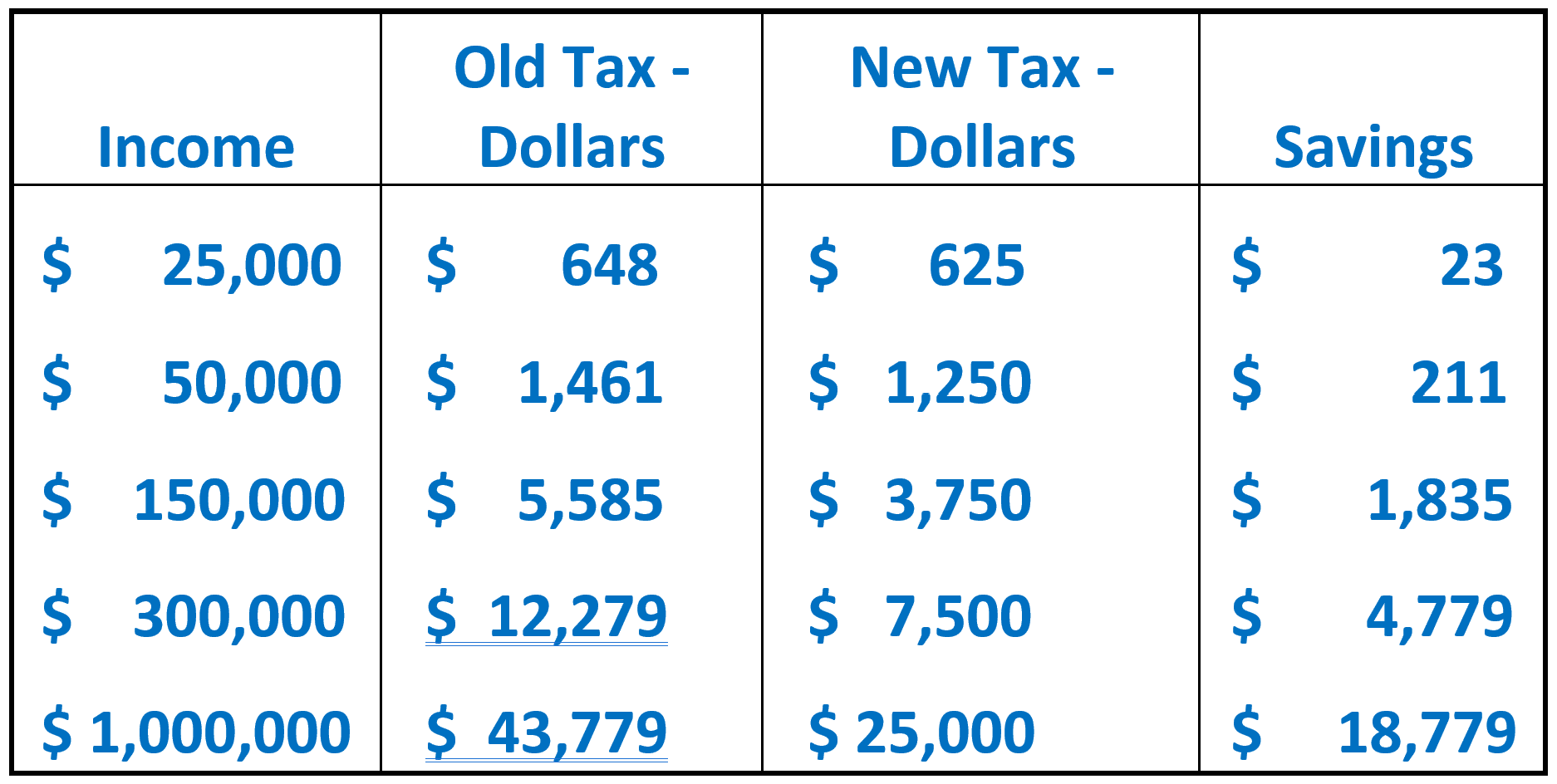
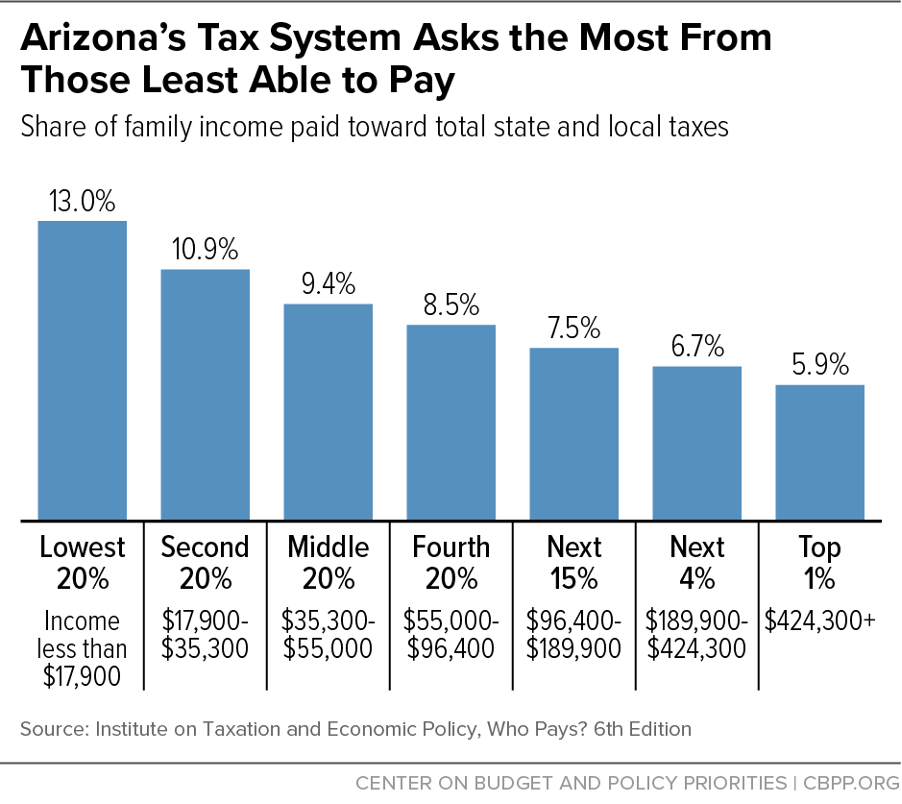
A significant development in Arizona’s tax code is the shift to a flat tax rate. As of recent changes, Arizona has transitioned from a progressive tax system, with multiple income brackets, to a single, lower flat rate for all taxable income. This simplification aims to make tax calculations more straightforward for many taxpayers. For 2023 and beyond, the tax rate for individuals is 2.5%. This flat rate applies to all taxable income, meaning that every dollar of income subject to state tax is taxed at the same percentage. While seemingly simple, accurately calculating your taxable income still involves considering deductions, exemptions, and credits, which can reduce your overall tax burden and influence your optimal withholding amount. Understanding this flat rate is foundational to planning your financial year in Arizona and adjusting your withholding strategy accordingly.
Factors Influencing Your Withholding
Setting the correct withholding amount is a delicate balance. Withhold too little, and you might owe taxes, possibly with penalties, at the end of the year. Withhold too much, and you’re essentially giving the state an interest-free loan, reducing your take-home pay throughout the year. For those building a comfortable lifestyle in Arizona, finding this sweet spot is key to managing personal finances effectively.
Personal Exemptions and Dependents
Like federal taxes, Arizona allows for certain exemptions that can reduce your taxable income. When completing your Arizona Form A4 (Employee’s Arizona Withholding Percentage Election), you’ll account for your personal exemption and any exemptions for dependents. Each exemption you claim reduces the amount of income subject to withholding. For example, if you’ve recently started a family or have new dependents, adjusting your A4 to reflect these changes can significantly impact your net pay and year-end tax liability. This is a vital consideration for family budgeting and ensuring you have adequate funds for your chosen lifestyle in Arizona.
Other Income and Deductions
Your withholding isn’t just about your primary job’s salary. If you have multiple income sources—such as a side hustle, rental income from a property, or significant investment income—these can all affect your overall Arizona tax liability. Similarly, certain deductions (like contributions to traditional IRAs, health savings accounts, or specific itemized deductions if you choose not to take the standard deduction) can reduce your taxable income. It’s important to consider all these financial elements when determining your withholding. For a holistic financial picture, especially if your lifestyle involves diverse income streams or significant deductible expenses, you might need to make estimated payments in addition to or instead of traditional withholding.
Remote Work Considerations
The rise of remote work has introduced new complexities to state income tax withholding. If you live in Arizona but work remotely for an employer based in another state, or vice versa, understanding where your income is sourced for tax purposes is critical. Arizona generally taxes income earned by its residents, regardless of where it’s earned, and income earned within its borders by non-residents. This means a remote worker based in Arizona for an out-of-state company will likely be subject to Arizona withholding. Conversely, if you live out-of-state but perform work in Arizona for a specific project or business trip, that income might be taxable in Arizona. This scenario demands careful attention to avoid double taxation or underpayment. For a mobile lifestyle, or one that blends living in Arizona with employment elsewhere, professional advice is often invaluable.
The W-4 Form and Arizona’s A4
The mechanism for controlling your withholding lies in the forms you submit to your employer. While most people are familiar with the federal W-4 form, Arizona has its own state-specific form that is equally important for managing your state tax liability.
Federal W-4 vs. State A4
The federal W-4 Form, Employee’s Withholding Certificate, dictates how much federal income tax your employer should withhold from your paycheck. The Arizona A4 Form, Employee’s Arizona Withholding Percentage Election, serves the same purpose for your state income taxes. It’s crucial to understand that these are separate forms and should be completed with Arizona-specific tax rules in mind. While your federal W-4 choices might influence your overall tax strategy, the A4 directly determines your Arizona withholding. When starting a new job or relocating to Arizona, ensure you complete both forms accurately to reflect your current financial situation and desired withholding amount.
How to Complete the A4 Form Accurately
The Arizona A4 form allows you to specify a withholding percentage. The standard withholding percentage is generally 2.0%. However, you can elect to withhold at a higher or lower percentage (from 0.5% to 3.5%) or even claim to be exempt from withholding if you meet specific criteria (e.g., you owed no Arizona income tax last year and expect to owe none this year). The form also provides guidance on claiming additional withholding or claiming exemptions.
To complete it accurately, you should:
- Review your federal tax situation: While separate, a general understanding of your federal tax liability can inform your state strategy.
- Estimate your Arizona taxable income: Consider all sources of income subject to Arizona tax and subtract any deductions or exemptions you qualify for.
- Account for dependents: Ensure you correctly claim exemptions for yourself and eligible dependents.
- Choose an appropriate withholding percentage: For most, the standard 2.0% is a good starting point, but if you anticipate significant deductions, credits, or other income, you might adjust it.
- Consider additional withholding: If you have multiple jobs or other income that isn’t subject to withholding, you might elect to have an additional amount withheld to cover your potential liability.
Regularly reviewing and, if necessary, updating your A4 form throughout the year is a smart financial practice, especially as your income, family situation, or deductions change.
Adjusting Your Withholding for Optimal Financial Health
The goal of proper tax withholding is to neither overpay nor underpay significantly. For a balanced financial lifestyle in Arizona, periodic adjustments can ensure your take-home pay is maximized without leading to tax surprises.
Avoiding Underpayment Penalties
If you don’t withhold or pay enough tax throughout the year, the Arizona Department of Revenue can assess an underpayment penalty. This typically occurs if your total tax payments (through withholding and estimated taxes) are less than 90% of your current year’s tax liability or 100% of your prior year’s tax liability (for taxpayers with Adjusted Gross Income below a certain threshold). To avoid these penalties, especially if you have variable income or significant non-wage income, it’s wise to review your withholding and payment strategy quarterly. This proactive approach supports a worry-free financial lifestyle in Arizona.
Minimizing Overpayment (and Maximizing Cash Flow)
On the flip side, many people intentionally over-withhold to ensure they get a refund. While a refund might feel like a bonus, it essentially means you’ve lent the government your money interest-free throughout the year. That money could have been in your pocket, earning interest in a savings account, paying down debt, or funding your desired lifestyle and experiences in Arizona. By adjusting your withholding to be as close to your actual tax liability as possible, you maximize your cash flow each pay period, allowing you to better manage your budget and savings goals.
Quarterly Reviews and Life Changes
Your financial situation is rarely static. Major life events—such as marriage, divorce, the birth or adoption of a child, purchasing a home, or a significant change in income—can all have a substantial impact on your tax liability. It’s prudent to review your Arizona A4 and federal W-4 forms at least once a year, or immediately following any significant life change. This proactive review allows you to adjust your withholding to match your current circumstances, maintaining optimal financial health and peace of mind within your Arizona lifestyle.
Resources and Professional Guidance
While this guide provides a comprehensive overview, individual tax situations can be complex. Knowing when and where to seek additional help is part of smart financial planning.
Official Arizona Department of Revenue
The Arizona Department of Revenue (ADOR) is the primary resource for all official information regarding Arizona state taxes. Their website offers forms, publications, FAQs, and the latest updates on tax laws. For the most accurate and up-to-date information on Arizona withholding, always refer to the ADOR’s official resources. They provide detailed instructions for completing the A4 form and guidance on various tax scenarios relevant to those living and working in Arizona.
When to Consult a Tax Professional
For complex financial situations—such as owning a business, significant investment income, multi-state income, or intricate deductions and credits—consulting a qualified tax professional is highly recommended. A Certified Public Accountant (CPA) or an enrolled agent specializing in Arizona tax law can provide personalized advice, help you accurately calculate your withholding, and ensure you are taking advantage of all eligible deductions and credits. This expert guidance can save you time, reduce stress, and potentially save you money, allowing you to fully enjoy your chosen lifestyle in Arizona without tax worries.
LifeOutOfTheBox is a participant in the Amazon Services LLC Associates Program, an affiliate advertising program designed to provide a means for sites to earn advertising fees by advertising and linking to Amazon.com. Amazon, the Amazon logo, AmazonSupply, and the AmazonSupply logo are trademarks of Amazon.com, Inc. or its affiliates. As an Amazon Associate we earn affiliate commissions from qualifying purchases.