
Colorado, a state synonymous with majestic mountain ranges and world-class winter recreation, often experiences significant snowfall. For travelers planning a visit, understanding historical snowfall patterns and recent snow totals is crucial for optimizing their experience, whether they’re seeking pristine ski slopes, picturesque winter landscapes, or simply a cozy mountain getaway. This guide delves into the snow metrics that define Colorado’s winter appeal, helping potential visitors gauge the conditions they might encounter.
The Unpredictability and Allure of Colorado Snowfall
Colorado’s diverse topography, ranging from the semi-arid plains to the towering Rocky Mountains, creates a complex and often unpredictable snowfall pattern. While some regions might receive mere inches, others can be buried under feet of fresh powder. This variability is part of what makes Colorado a dynamic destination. Ski resorts, in particular, meticulously track snowfall, as it directly impacts the quality of their offerings. A deep snowpack ensures extended ski seasons and superior conditions for both novice and expert skiers and snowboarders.

Factors Influencing Snowfall Totals
Several meteorological factors contribute to the amount of snow Colorado receives:
- Elevation: Higher elevations within the Rocky Mountains consistently receive more snow than lower-lying areas. Mountain towns like Aspen, Vail, and Telluride are renowned for their abundant snowfall, often exceeding 300 inches annually.
- Storm Tracks: The prevailing storm tracks that sweep across the western United States play a pivotal role. Storms originating from the Pacific Northwest or the Gulf of Alaska often bring significant moisture and cold air that can translate into heavy snow across Colorado.
- El Niño/La Niña Cycles: These climate patterns can influence winter weather. Typically, El Niño years tend to bring wetter and colder conditions to Colorado, potentially leading to above-average snowfall, while La Niña years can be more variable.
- Orographic Lift: As moist air masses are forced to rise over the Colorado Rockies, they cool, condense, and release their moisture as precipitation, often in the form of snow on the windward sides of the mountain ranges.
Recent Snowfall and Seasonal Trends
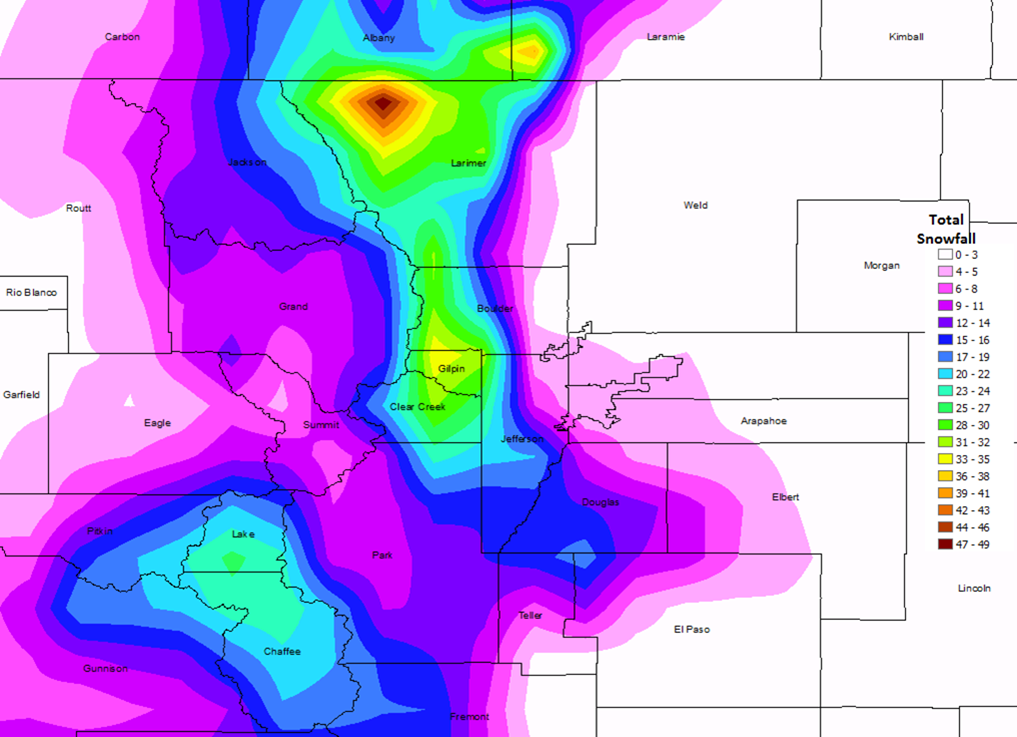
For travelers planning a trip to Colorado during the winter months, checking recent snowfall reports is paramount. Ski resorts and local weather services provide real-time data that can significantly influence travel decisions. For instance, knowing that a major storm has recently dropped two feet of snow at Breckenridge Ski Resort can be a deciding factor for a powder seeker.
Understanding Snow Reports
Snow reports typically provide information on:
- 24-Hour Snowfall: The amount of new snow that has fallen in the last 24 hours. This is often the most closely watched metric for those seeking fresh powder.
- Storm Totals: The total accumulation from a specific ongoing storm system.
- 7-Day Snowfall: A cumulative measure of snow over the past week, indicating recent activity.
- Base Depth: The total depth of snowpack at the resort, measured at various points. A deeper base indicates a more consistent and reliable snow surface.
Example Scenarios:
- Early Season (November-December): Travelers might encounter a mix of conditions. Some resorts may have opened with a solid base, while others are still waiting for significant accumulation. Checking reports for specific resorts like Winter Park Resort or Steamboat Ski Resort is advisable.
- Mid-Season (January-February): This is often the peak of the snowfall season for many of Colorado’s ski areas. Expect substantial snow reports, with many resorts averaging several feet of snow per month. This period is ideal for those prioritizing deep powder days.
- Late Season (March-April): While snowfall can continue into spring, especially at higher elevations, conditions may become more variable. Reports might show a mix of fresh powder and spring-like conditions, with warmer temperatures potentially leading to softer snow or even rain at lower elevations. Resorts like Crested Butte Mountain Resort can still offer excellent late-season skiing.
Where to Find Reliable Snowfall Information
Accurate and up-to-date snowfall information is readily available for travelers. Relying on official sources ensures that you are making informed decisions about your Colorado winter adventure.
Official Resort Websites
Most Colorado ski resorts have dedicated “snow report” sections on their websites. These are the most authoritative sources for conditions directly on their slopes. They typically include real-time data, webcams, and even historical averages. Examples include:
- Aspen Snowmass
- Vail Resorts (which manages several Colorado properties)
- Intrawest Resort Holdings (owners of Winter Park Resort)
Weather Forecasting Services
National and regional weather services provide detailed forecasts that include expected snowfall amounts for various regions across Colorado. Reputable sources include:
- The National Weather Service (NWS)
- AccuWeather
- The Weather Channel
Snow Tracking Websites and Apps
Several third-party websites and mobile applications specialize in aggregating snow reports from numerous resorts and backcountry areas. These can be convenient for comparing conditions across multiple destinations. Popular options include:
- OpenSnow
- OnTheSnow
- SnoCountry
Planning Your Snow-Centric Colorado Trip
The amount of snow Colorado receives is not just a statistic; it’s a vital component of the travel experience. Whether your goal is to carve through fresh powder, capture stunning winter photography, or simply enjoy the serene beauty of a snow-covered landscape, understanding the snow can elevate your trip.
For the Powder Enthusiast
If chasing powder is your primary objective, target your travel during periods known for heavy snowfall. Researching historical snowfall data for specific resorts in advance can help you identify the prime months. Many avid skiers and snowboarders plan their trips around forecasted storm cycles, often booking flexible travel arrangements to capitalize on incoming snow. Consider destinations like Wolf Creek Ski Area, which is known for receiving some of the most snow in the state.
For the Scenic Traveler
Even if skiing isn’t your main pursuit, a healthy snowpack transforms Colorado’s natural beauty into a breathtaking spectacle. Snow-laden trees, frozen waterfalls, and crisp, clear winter air create unparalleled opportunities for photography and peaceful contemplation. Towns like Estes Park near Rocky Mountain National Park offer a different kind of winter magic, where snow blankets the landscape, creating a serene and picturesque environment. Even if you’re not hitting the slopes, a substantial snow year means more dramatic and picturesque vistas throughout the state.

For Families and Casual Visitors
Families or those seeking a more relaxed winter experience can benefit from knowing about snowfall as well. Adequate snow can ensure that winter activities like sledding, snowshoeing, and simply building a snowman are possible and enjoyable. Towns with established winter activity centers, such as those around Keystone Resort, often have reliable snow conditions suitable for a range of family-friendly pursuits. A well-snowed landscape also enhances the ambiance of charming mountain villages, making them more inviting and festive.
In conclusion, the question of “How Much Snow Did Colorado Get?” is central to planning an optimal winter visit. By understanding the factors that influence snowfall, utilizing reliable reporting sources, and aligning travel plans with snow conditions, visitors can ensure a memorable and rewarding experience in the heart of the Colorado Rockies.
LifeOutOfTheBox is a participant in the Amazon Services LLC Associates Program, an affiliate advertising program designed to provide a means for sites to earn advertising fees by advertising and linking to Amazon.com. Amazon, the Amazon logo, AmazonSupply, and the AmazonSupply logo are trademarks of Amazon.com, Inc. or its affiliates. As an Amazon Associate we earn affiliate commissions from qualifying purchases.