
Understanding your paycheck is a fundamental aspect of financial literacy, and for residents of the Golden State, navigating the specifics of California pay stubs can demystify your earnings. This guide aims to provide a comprehensive breakdown of the information presented on a typical California paycheck, empowering you to make informed decisions about your finances. From gross pay to net pay, and understanding the various deductions and taxes, we’ll equip you with the knowledge to decipher every line item.
Understanding Your Gross Pay
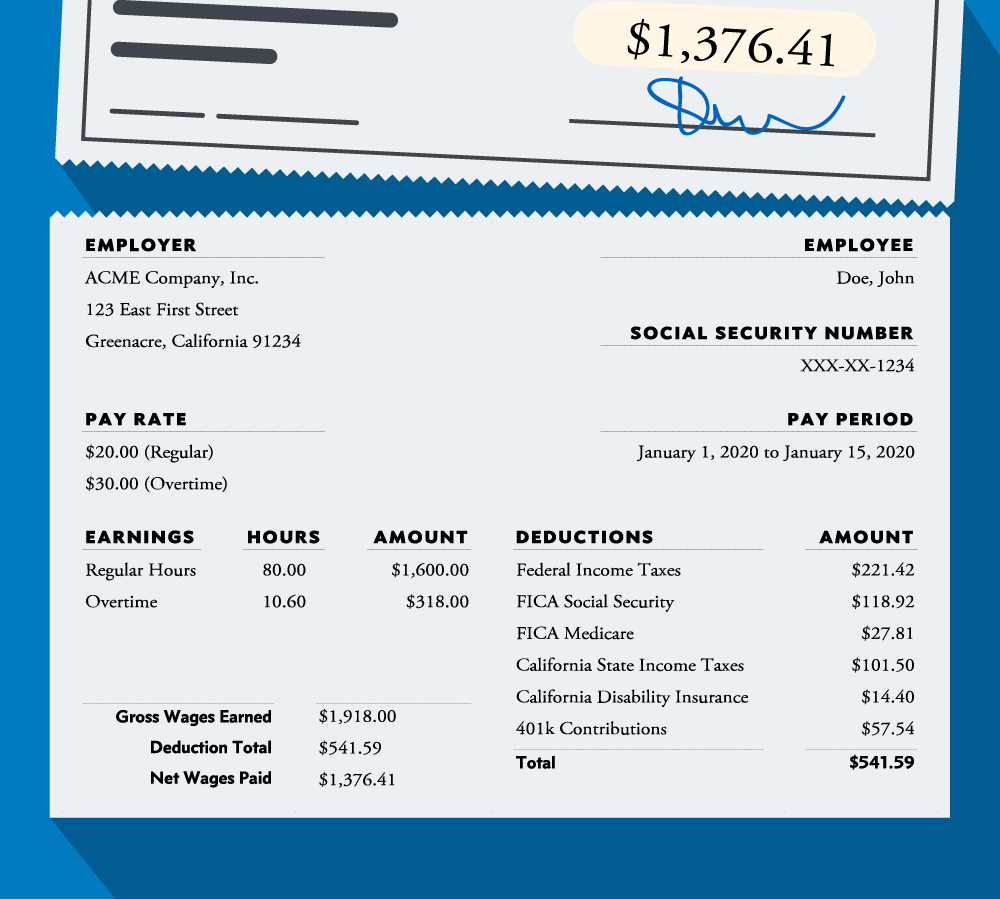
The first and most crucial element of your paycheck is your gross pay. This figure represents your total earnings before any deductions are taken out. For hourly employees in California, gross pay is calculated by multiplying your regular hourly wage by the number of hours you worked. If you’re a salaried employee, your gross pay is typically divided by the number of pay periods in a year to determine your earnings per pay period.

Regular Wages vs. Overtime
California has specific laws regarding overtime pay. Non-exempt employees who work more than eight hours in a workday or more than 40 hours in a workweek are generally entitled to overtime pay. This is typically calculated at 1.5 times your regular hourly rate. In some cases, working more than 12 hours in a workday or more than 8 hours on the seventh consecutive day of a workweek can trigger double-time pay, usually at twice your regular hourly rate. It is essential to ensure that your paycheck accurately reflects any overtime hours worked and the correct overtime rates. Employers are required to clearly itemize these earnings on your pay stub.
Bonuses and Commissions
If your compensation includes bonuses or commissions, these will also be factored into your gross pay. The way these are calculated and when they are paid can vary significantly based on your employment agreement and company policy. Bonuses might be performance-based, discretionary, or a fixed amount. Commissions are typically a percentage of sales or revenue generated. Understanding the terms of these payments is vital for accurate gross pay assessment.
Decoding Your Deductions
Once your gross pay is established, various deductions are subtracted to arrive at your net pay. These deductions can be categorized into mandatory withholdings (taxes and legally required contributions) and voluntary deductions (benefits and other optional items).
Mandatory Tax Withholdings
California, like all states, has its own tax system, and your paycheck will reflect federal and state income tax withholdings.
Federal Income Tax
The amount of federal income tax withheld from your paycheck is determined by the W-4 form you provide to your employer. This form allows you to specify your filing status (single, married filing jointly, etc.) and the number of dependents or additional withholding you wish to claim. The Internal Revenue Service (IRS) provides tax tables that employers use to calculate the appropriate withholding amount based on your gross pay, pay frequency, and W-4 information.
State Income Tax (California)
California has a progressive income tax system, meaning higher earners pay a higher percentage of their income in taxes. Similar to federal income tax, your state income tax withholding is influenced by the DE-4 form you complete for your employer, which mirrors the federal W-4 in its purpose of determining withholding based on filing status and dependents. The California Franchise Tax Board sets the tax rates and withholding schedules.
Social Security and Medicare Taxes (FICA)
These are federal taxes that fund Social Security (retirement, disability, and survivor benefits) and Medicare (health insurance for seniors and people with disabilities). Both are flat-rate taxes. As of recent tax years, the Social Security tax rate is 6.2% on earnings up to an annual wage base limit, while the Medicare tax rate is 1.45% on all earnings, with no wage base limit. Employers match these contributions.
Other Mandatory Deductions
Beyond federal and state income taxes and FICA taxes, other mandatory deductions may appear on your paycheck depending on your employment situation and location within California.
State Disability Insurance (SDI)
California is one of the few states with a mandatory State Disability Insurance program. This program provides temporary wage replacement benefits to eligible workers who are unable to work due to a non-work-related illness or injury. The SDI tax rate is a small percentage of your gross wages, up to a certain limit, and is deducted directly from your paycheck.
Local Taxes
While less common, some cities or counties in California may impose local income taxes. If your place of employment is in such a jurisdiction, you might see an additional local tax deduction on your paycheck.
Voluntary Deductions and Benefits
Many employees opt for various benefit programs or other deductions that are taken out of their paychecks voluntarily. These are usually detailed separately from mandatory taxes.
Health Insurance Premiums
If you participate in your employer’s health insurance plan, your portion of the premium will be deducted from your paycheck. These deductions can be pre-tax or post-tax, which can impact your overall taxable income. Pre-tax deductions reduce your taxable income, lowering your current tax liability, while post-tax deductions do not affect your taxable income.
Retirement Plan Contributions (401(k), etc.)
Contributions to employer-sponsored retirement plans, such as a 401(k) or 403(b), are a common voluntary deduction. These contributions are typically made on a pre-tax basis, meaning they are deducted from your gross pay before federal and state income taxes are calculated, thereby reducing your current tax burden and helping you save for retirement.
Other Voluntary Deductions
This category can encompass a wide range of items, including:
- Dental and Vision Insurance: Similar to health insurance, premiums for supplemental dental and vision coverage are often deducted from your pay.
- Life Insurance: Premiums for employer-provided or optional life insurance policies.
- Flexible Spending Accounts (FSAs) or Health Savings Accounts (HSAs): Contributions to these tax-advantaged accounts for healthcare or dependent care expenses.
- Union Dues: If you are a member of a labor union, your regular dues will likely be deducted.
- Garnishments: In cases of unpaid debts, child support obligations, or court orders, a portion of your wages may be legally garnished by a court order. These are mandatory but often treated as a separate category due to their specific nature.
Understanding Your Net Pay and Year-to-Date Information
After all deductions are accounted for, the remaining amount is your net pay, often referred to as your “take-home pay.” This is the actual amount of money you will receive.
Net Pay
Your net pay is the figure that will be directly deposited into your bank account or issued to you as a physical check. It is crucial to verify that this amount aligns with your understanding of your gross pay and the expected deductions.
Year-to-Date (YTD) Totals
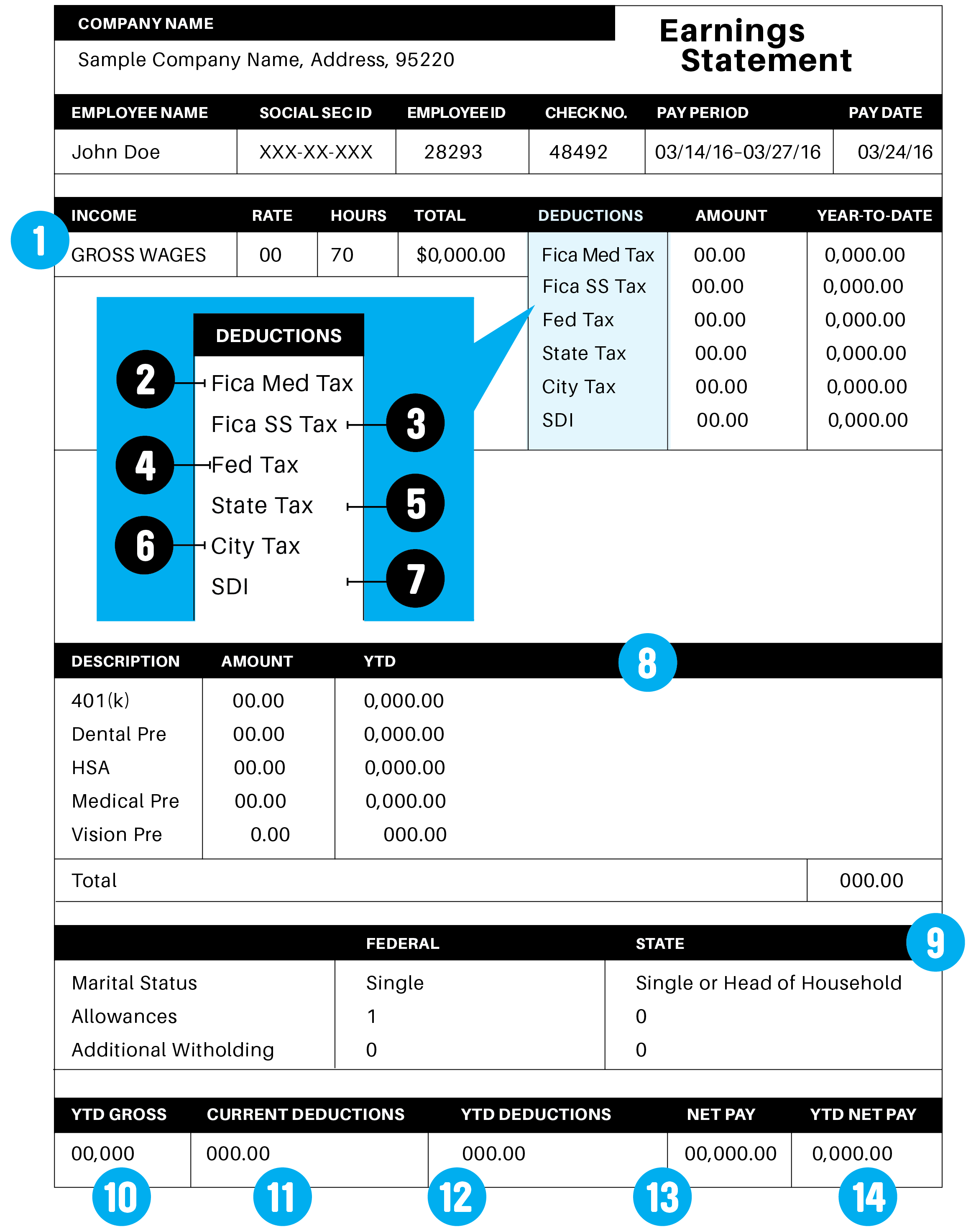
Most pay stubs will include Year-to-Date (YTD) columns for various earnings and deductions. These columns provide a running total of your income, taxes withheld, and other deductions from the beginning of the calendar year up to the current pay period. This information is invaluable for:
- Tax Preparation: YTD totals are essential when filing your annual tax returns, as they consolidate all your income and tax payments.
- Budgeting: Tracking your YTD earnings and deductions can help you better understand your overall financial picture throughout the year.
- Identifying Errors: Regularly reviewing YTD totals can help you spot any discrepancies or errors in your pay that might have gone unnoticed on individual pay periods. For instance, if your YTD Social Security deduction seems unusually high or low, it could indicate an issue with how your wages are being reported or taxed.
By diligently reviewing each component of your paycheck, you gain not only clarity on your current earnings but also a powerful tool for effective financial planning and management in California and beyond.
LifeOutOfTheBox is a participant in the Amazon Services LLC Associates Program, an affiliate advertising program designed to provide a means for sites to earn advertising fees by advertising and linking to Amazon.com. Amazon, the Amazon logo, AmazonSupply, and the AmazonSupply logo are trademarks of Amazon.com, Inc. or its affiliates. As an Amazon Associate we earn affiliate commissions from qualifying purchases.