
The question of “Which one is bigger: Las Vegas or Florida?” often arises from a misunderstanding of scale and scope. While Las Vegas is synonymous with a concentrated hub of entertainment and a distinct urban experience, Florida represents an entire state, encompassing vast geographical diversity and a population far exceeding that of any single city. To properly address this, we must differentiate between the physical footprint and the conceptual impact of each entity. This exploration delves into the geographical dimensions, population figures, and the unique characteristics that define both Las Vegas and Florida, firmly positioning them within the realm of Travel and Landmarks respectively.

Geographical Footprint: A Tale of Two Scales
When comparing the physical size of Las Vegas and Florida, the difference is staggering and immediate. Florida is a large southeastern state in the United States, characterized by its extensive coastline, peninsular geography, and sprawling interior. Las Vegas, on the other hand, is a city located in the Mojave Desert of southern Nevada. The comparison is akin to juxtaposing a single dazzling jewel with an entire treasure chest.
The Vastness of the Sunshine State
Florida covers an impressive land area. As of recent data, its total area is approximately 65,758 square miles (170,312 square kilometers), with about 53,625 square miles (138,891 square kilometers) being land and 12,133 square miles (31,423 square kilometers) being water. This significant water area includes numerous lakes, rivers, and the vast expanse of the Atlantic Ocean and the Gulf of Mexico that border its extensive coastline.
The state’s geography is remarkably diverse. From the sandy beaches of the Panhandle to the subtropical wetlands of the Everglades, and the vibrant coral reefs off its southern coast, Florida offers a multitude of natural landscapes. Its sheer size allows for varied climates, from temperate in the north to tropical in the south, supporting a wide array of flora and fauna.
The Concentrated Urban Landscape of Las Vegas
Las Vegas, in contrast, occupies a much more confined geographical area. The city of Las Vegas itself, within its official city limits, spans approximately 131.3 square miles (340.1 square kilometers). However, the “Las Vegas metropolitan area,” which includes surrounding cities and unincorporated communities like Paradise and Winchester, is significantly larger, though still a fraction of Florida’s size. This metropolitan region covers roughly 2,777 square miles (7,192 square kilometers).
The defining characteristic of the Las Vegas urban area is its density and rapid development, particularly along the world-famous Las Vegas Strip and its adjacent districts. The landscape is predominantly desert, characterized by arid terrain, sparse vegetation, and a stark, dramatic beauty that serves as a dramatic backdrop to its man-made wonders.
Population Dynamics: A Contrast in Numbers
Beyond physical dimensions, population offers another critical lens through which to compare Las Vegas and Florida. Florida is one of the most populous states in the United States, while Las Vegas, though a major city, has a population that is a mere segment of Florida’s total.
The Millions of Florida
As of recent estimates, Florida is home to over 22 million residents. This substantial population makes it the third most populous state in the United States. The state’s population is diverse and distributed across various metropolitan areas, including Miami, Tampa, Orlando, and Jacksonville. These urban centers are complemented by numerous smaller cities, towns, and a significant rural population, particularly in the northern and central parts of the state.
Florida’s appeal as a place to live is multifaceted, attracting retirees, families, and seasonal residents with its warm climate, beaches, economic opportunities, and theme parks. The state’s population growth has been consistently high for decades, driven by both domestic and international migration.
The Metropolis of Las Vegas
The city of Las Vegas itself has a population of over 650,000 people within its official city limits. However, the broader Las Vegas metropolitan area is home to approximately 2.3 million residents. While this is a considerable population, it is dwarfed by the total number of people residing in Florida.
The population of Las Vegas has also experienced rapid growth, fueled by its burgeoning tourism industry, a relatively low cost of living compared to other major US cities, and a growing diversified economy beyond casinos. The demographic is a mix of long-time residents, newcomers seeking employment, and a significant transient population tied to the hospitality and service industries.
Travel Significance: Destination vs. State
When considering the question within a travel context, the distinction becomes even clearer. Las Vegas is a singular, iconic travel destination, a concentrated experience. Florida, on the other hand, is a state offering a multitude of diverse travel experiences, encompassing numerous cities, natural wonders, and attractions.
Las Vegas: The Entertainment Capital
Las Vegas is world-renowned as the “Entertainment Capital of the World.” Its appeal lies in its unparalleled concentration of casinos, luxury hotels, world-class dining, spectacular live shows, and vibrant nightlife. Visitors flock to Las Vegas for a specific type of immersive, high-energy vacation.
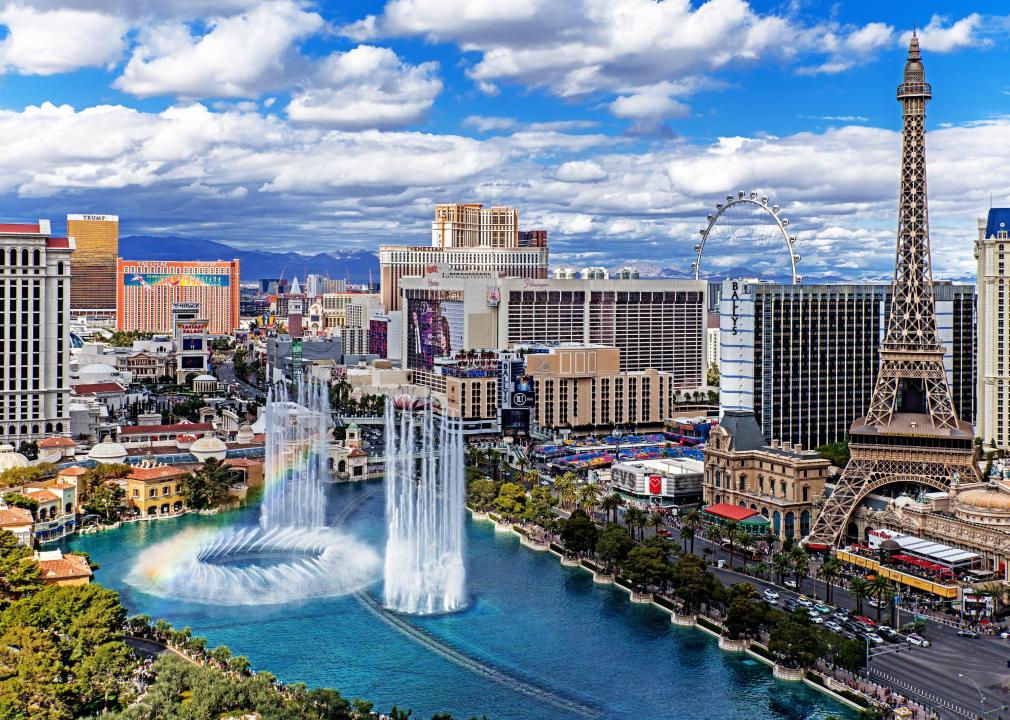
Key attractions include the dazzling Las Vegas Strip, home to iconic resorts like the Bellagio, Caesars Palace, and The Venetian. Beyond the casinos, visitors can explore unique attractions like the Fremont Street Experience, attend concerts by top performers, and enjoy culinary delights from celebrity chefs. The city also serves as a gateway to natural wonders like the Grand Canyon and Red Rock Canyon National Conservation Area, adding another dimension to its travel offerings.
Florida: A State of Diverse Destinations
Florida offers a kaleidoscope of travel experiences, catering to virtually every type of traveler. It is a state where one can find world-famous theme parks, pristine beaches, vibrant cultural cities, and unique ecological habitats.
- Theme Park Capital: Orlando is the undisputed heart of Florida’s theme park industry, featuring giants like Walt Disney World Resort and Universal Orlando Resort. These destinations attract millions annually, offering immersive entertainment for families and thrill-seekers alike.
- Beaches and Coastal Escapes: With over 1,350 miles of coastline, Florida boasts some of the most beautiful beaches in the world. From the white sands of Clearwater Beach and Siesta Key to the vibrant shores of Miami Beach and the tranquil waters of the Florida Keys, there is a coastal experience for everyone.
- Natural Wonders and Wildlife: The Everglades National Park offers a unique subtropical ecosystem, teeming with wildlife like alligators, manatees, and diverse bird species. Other natural attractions include the springs of central Florida, the snorkeling and diving opportunities in the Florida Keys, and the protected wildlife refuges scattered throughout the state.
- Cultural Hubs: Cities like Miami offer a rich tapestry of cultures, with vibrant art deco architecture, a thriving culinary scene, and Latin American influences. St. Augustine, the oldest continuously inhabited European-established settlement in the United States, provides a deep dive into history with its colonial architecture and historic sites. Tampa offers a blend of urban attractions, museums, and a lively waterfront.
Conclusion: Different Definitions of “Big”
Ultimately, the question of “Which one is bigger?” hinges on the definition of “bigger.” In terms of sheer geographical area and population, Florida is unequivocally larger. It is a state that contains a multitude of diverse landscapes, ecosystems, and human settlements.
Las Vegas, while geographically smaller, is “bigger” in terms of its concentrated impact as a global entertainment and tourism icon. It represents a singular, powerful destination that draws attention on a scale often associated with much larger entities. Therefore, while the answer to the literal question of size is Florida, the perception of “bigness” can also be attributed to Las Vegas due to its immense cultural and tourist footprint. Each holds a distinct and significant place within the landscape of travel and attraction, offering vastly different, yet equally compelling, experiences.
LifeOutOfTheBox is a participant in the Amazon Services LLC Associates Program, an affiliate advertising program designed to provide a means for sites to earn advertising fees by advertising and linking to Amazon.com. Amazon, the Amazon logo, AmazonSupply, and the AmazonSupply logo are trademarks of Amazon.com, Inc. or its affiliates. As an Amazon Associate we earn affiliate commissions from qualifying purchases.