
While often celebrated for its sunny disposition and warm Atlantic breezes, Jacksonville, Florida, like many places, can experience the occasional meteorological surprise. The question of “how much snow” is not merely an academic one for residents and prospective visitors; it touches upon the unique character of this vibrant Southern city and its capacity for the unexpected. Understanding the infrequent snowfall events in Jacksonville offers a fascinating glimpse into the microclimates of Florida and the surprising resilience of a region typically defined by heat and humidity.
The Infrequent Visitor: Snowfall in Northeast Florida
Jacksonville’s climate is predominantly subtropical, characterized by hot, humid summers and mild winters. Snowfall is an exceedingly rare phenomenon. When it does occur, it is typically a light dusting, often melting before it can accumulate significantly. The atmospheric conditions required for snow formation – namely, temperatures at or below freezing throughout the atmospheric column and sufficient moisture – are not a common confluence in this part of Florida.

Historical Context and Notable Events
Throughout its recorded history, Jacksonville has witnessed only a handful of notable snowfall events. The most significant occurrences are often cited as markers in the collective memory of the city.
The Blizzard of 1977
One of the most talked-about snow events in Jacksonville occurred on January 19, 1977. This was not a widespread, heavy snowfall by northern standards, but for Florida, it was remarkable. Reports indicate that parts of Northeast Florida, including Jacksonville, received between 1 and 2 inches of snow. This was enough to cause widespread awe and disruption. Roads became slick, schools were closed, and residents, unaccustomed to such conditions, ventured out to witness and even collect the rare frozen precipitation. The novelty of sledding on hills in Jacksonville became a cherished, albeit brief, memory for many.
The 2017 Snow Event
More recently, in January 2017, Jacksonville experienced another dusting of snow. This event, while lighter than that of 1977, still brought a sense of wonder. Accumulations were generally less than half an inch, and much of it melted upon contact with the ground. However, the visual of frost and a light scattering of snow on palm trees and urban landscapes was a significant talking point and a unique photographic opportunity for locals and tourists alike. This event served as a reminder that while Florida is synonymous with sunshine, it is not entirely immune to winter’s chill.
Why is Snow So Rare?
The geographical location of Jacksonville plays a crucial role in its lack of significant snowfall. Situated on the Atlantic coast at a latitude that generally experiences milder winters, the city’s proximity to the warm waters of the Atlantic Ocean also tends to moderate temperatures.
- Temperature Thresholds: For snow to fall, the temperature must be at or below freezing (0°C or 32°F) from the cloud level all the way to the ground. In Jacksonville, even when temperatures drop, they often remain just above freezing, leading to rain or sleet rather than snow.
- Moisture Availability: While Florida is known for its humidity, the specific atmospheric conditions that bring moisture together with sufficiently cold air are infrequent during the winter months. When cold air masses do move south, they often lack the necessary moisture to produce precipitation in the form of snow.
Impact of Snowfall on Jacksonville’s Tourism and Lifestyle
While snowfall in Jacksonville is a rare event, its occurrence, however slight, has a distinct impact on the city’s tourism and local lifestyle. This impact is largely characterized by novelty and a brief disruption of the usual routines.
A Novelty for Tourists and Locals
For visitors who have traveled to Jacksonville expecting perpetual warmth, a rare snowfall is an unexpected and often delightful surprise. It provides a unique vacation story and photographic opportunities that diverge from the typical beach or riverfront scenes. Similarly, for Florida natives, a snow event is a cause for excitement and a chance to experience something outside their everyday reality.
Unexpected Attractions
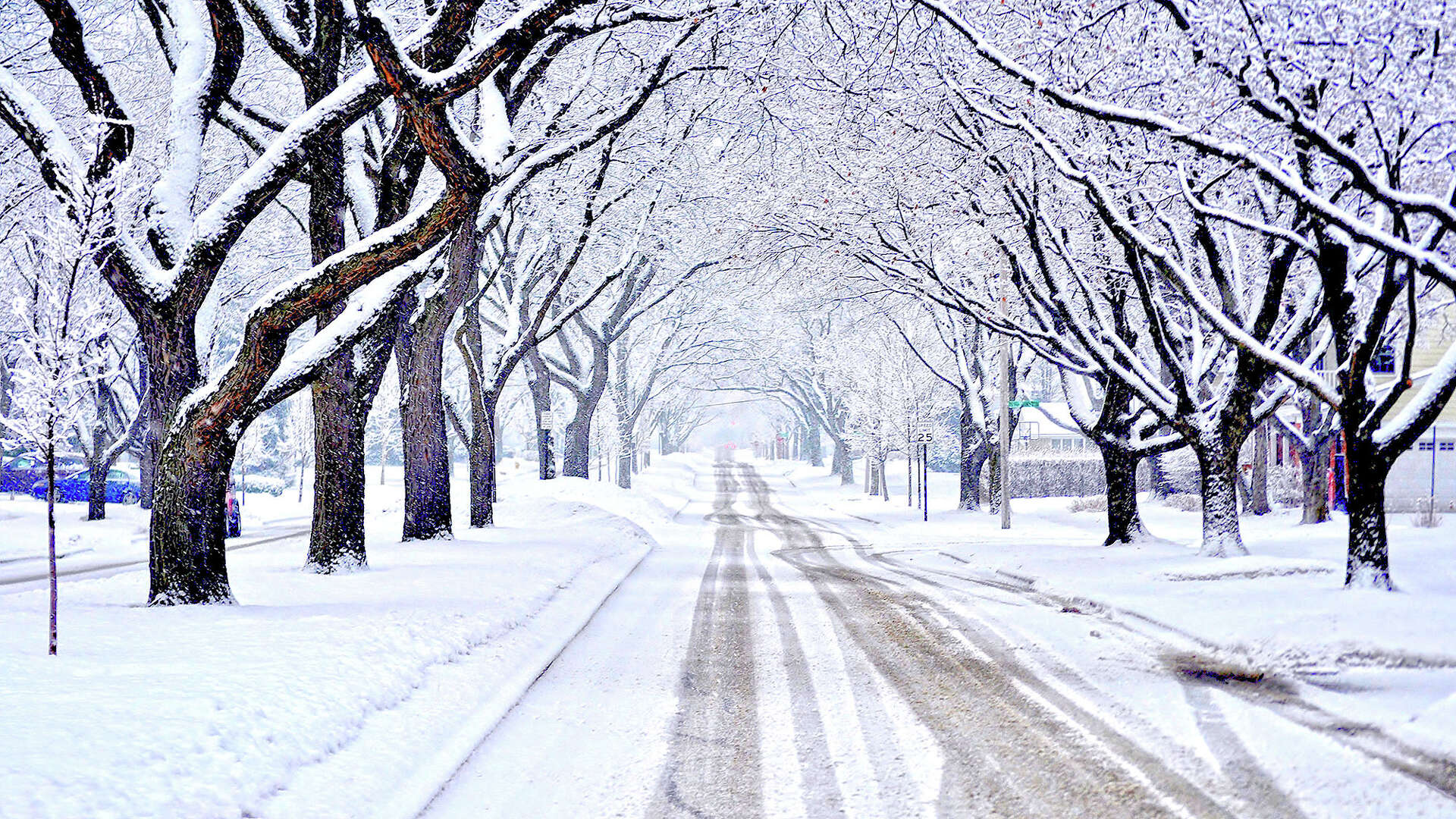
While there are no dedicated “snow parks” or winter sports facilities in Jacksonville, a snowfall can transform familiar landscapes into temporary, picturesque scenes. Parks like Memorial Park or areas along the St. Johns River might briefly be dusted with white, offering a unique perspective. Local businesses may see a temporary surge in demand for hot beverages, and children, along with their parents, might engage in impromptu snowball fights or attempt to build tiny snow figures.
Disruptions to Daily Life
Despite the novelty, even light snowfall can cause minor disruptions in Jacksonville, primarily due to the lack of infrastructure and experience in handling such conditions.
- Transportation: Roads and bridges, not designed for icy conditions, can become hazardous. While extensive snow removal equipment is not standard in Jacksonville, local authorities are prepared to address minor accumulations with salting and plowing when necessary. However, the primary response is often to advise residents to stay home.
- School and Business Closures: In the event of even a light accumulation, schools and some businesses may close or operate on delayed schedules. This is a precautionary measure to ensure public safety, given that the road conditions can be unpredictable for drivers unfamiliar with winter driving.
Preparing for the Unforeseen: What Visitors Should Know
For travelers planning a visit to Jacksonville, understanding the likelihood of snow is crucial for managing expectations. While the chances of encountering significant snowfall are extremely low, particularly outside of rare meteorological anomalies, it’s always wise to be prepared for a variety of weather conditions.
The Typical Winter in Jacksonville
Jacksonville‘s winters are generally mild. Daytime temperatures in December, January, and February typically range from the mid-50s to the low-70s Fahrenheit (around 13-22°C). Overnight lows can dip into the 40s Fahrenheit (around 4-9°C), but freezing temperatures are infrequent and usually short-lived. The city experiences its share of rain during the winter months, and occasional cool fronts can bring crisp, clear days.
Packing for Winter Travel
When packing for a winter trip to Jacksonville, focus on layers. Include light jackets, sweaters, long-sleeved shirts, and comfortable trousers. A scarf and gloves might be useful for cooler evenings, but heavy winter gear is rarely necessary. If there’s an outside chance of a cold snap or a rare snow event, a waterproof jacket and perhaps an umbrella would be prudent additions.
Beyond Snow: Other Winter Attractions
While snow is a rare spectacle, Jacksonville offers a wealth of attractions and activities during the winter months that do not depend on freezing temperatures. The mild climate makes it an ideal destination for outdoor pursuits.
- Beaches: Jacksonville Beach, Atlantic Beach, and Ponte Vedra Beach are popular year-round. While swimming may be too chilly for some in the winter, beachcombing, sunbathing (on milder days), and enjoying the ocean views are still pleasant activities.
- Parks and Nature: Explore Timucuan Ecological and Historic Preserve, visit the Jacksonville Arboretum and Gardens, or take a stroll through Riverfront Plaza. The cooler temperatures of winter are often perfect for hiking and wildlife viewing.
- Cultural Attractions: The Cummer Museum of Art & Gardens offers indoor respite and cultural enrichment. The Museum of Science & History (MOSH) provides engaging exhibits for all ages.
- Sports: Jacksonville is a passionate sports town. Catch a Jacksonville Jaguars NFL game if the season aligns with your visit, or explore local sporting events and recreational leagues.
The Enduring Appeal of Jacksonville’s Climate
The rarity of snow in Jacksonville is, in many ways, part of its charm and enduring appeal. It reinforces the image of Florida as a destination of sunshine and warmth, a stark contrast to colder climates. This meteorological peculiarity adds a unique narrative to the city’s identity, distinguishing it from many other parts of the United States.
A Microclimate of Surprise
The occasional snowfall events serve as fascinating reminders of the dynamic nature of weather and the subtle variations that can occur even within a generally consistent climate zone. They are moments that break the routine and become etched in the memory of the community. For those who experience it, the sight of snow in Jacksonville is a memorable anecdote, a testament to nature’s ability to surprise.

Jacksonville’s Year-Round Draw
Ultimately, the prospect of snow is a minor footnote in the larger story of Jacksonville‘s appeal as a travel destination. Its primary draw lies in its abundant sunshine, beautiful coastline, rich history, and vibrant culture. From exploring the historic architecture of St. Augustine (a short drive away) to enjoying the urban amenities of the city itself, Jacksonville offers a diverse range of experiences that are consistently enjoyable throughout the year, regardless of whether a snowflake decides to make a rare appearance. The true beauty of Jacksonville lies not in its fleeting winter whims but in its consistent embrace of a sun-drenched lifestyle.
LifeOutOfTheBox is a participant in the Amazon Services LLC Associates Program, an affiliate advertising program designed to provide a means for sites to earn advertising fees by advertising and linking to Amazon.com. Amazon, the Amazon logo, AmazonSupply, and the AmazonSupply logo are trademarks of Amazon.com, Inc. or its affiliates. As an Amazon Associate we earn affiliate commissions from qualifying purchases.