
Navigating the intricacies of the Texas justice system to locate a detained individual can be a challenging and often emotionally taxing endeavor. Whether you are a concerned family member, a friend, or legal counsel, understanding the official channels and resources available is paramount. This guide aims to provide a comprehensive overview of the methods and information needed to successfully find someone incarcerated within the state of Texas.
Understanding the Texas Correctional System
The Texas Department of Criminal Justice (TDCJ) oversees the state’s prison system, while local county sheriff’s offices manage jails for individuals awaiting trial or serving shorter sentences. This distinction is crucial, as the process for finding someone will vary depending on their current location.
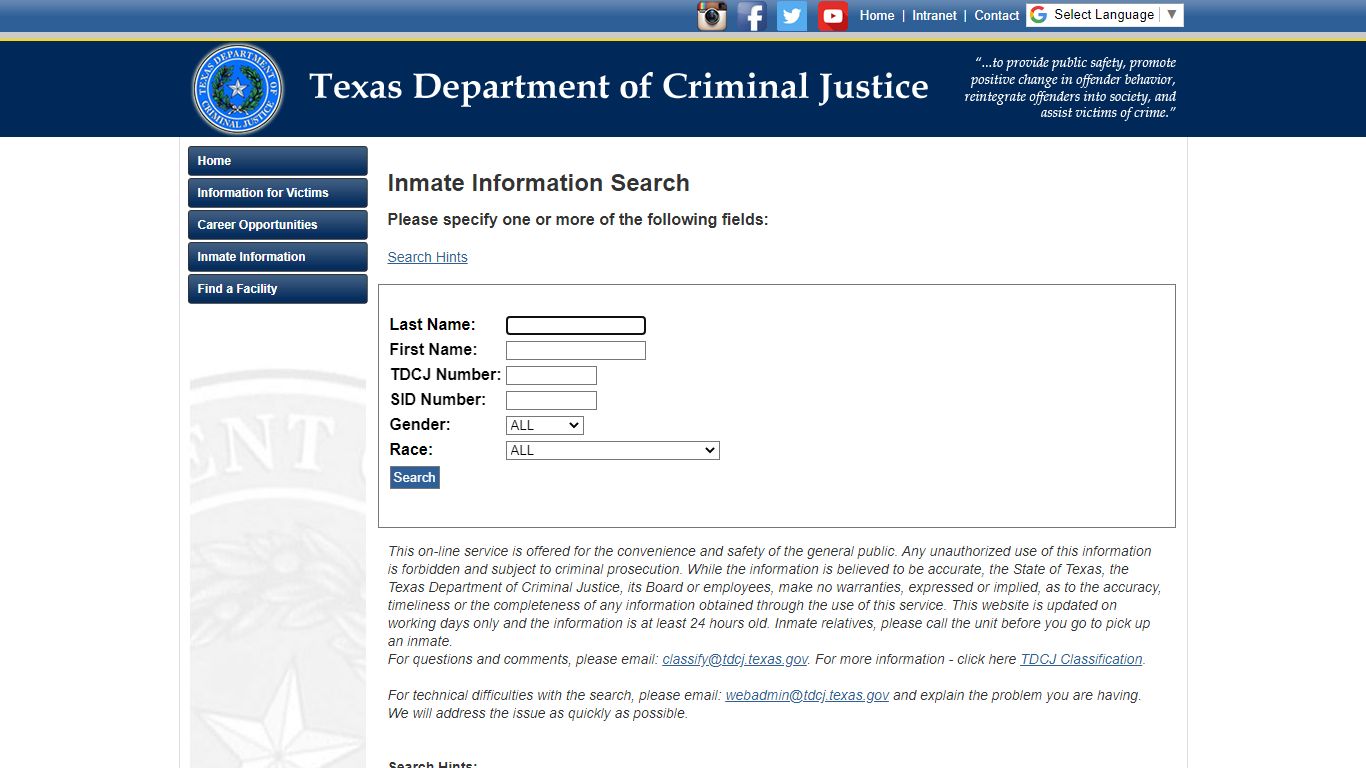
TDCJ Inmate Search
For individuals convicted of a felony and serving a sentence of more than one year, they will likely be housed in a state prison operated by the TDCJ. The TDCJ provides an official online inmate search tool that is an invaluable resource.
Utilizing the TDCJ Offender Search
- Access the Official Website: The primary tool is the TDCJ Offender Search portal, typically found on the Texas Department of Criminal Justice website.
- Information Required: To conduct a search, you will generally need one or more of the following pieces of information:
- Offender’s Last Name and First Name: This is the most common method. Be aware that variations in spelling or nicknames can sometimes lead to difficulties. Providing the full, correct legal name is ideal.
- Offender ID Number: If you have this unique identifier, it will provide the most direct and accurate results.
- Date of Birth: This can help narrow down results, especially if the individual has a common name.
- Offender’s TDCJ Number: Similar to the Offender ID, this is a definitive identifier.
- Interpreting Search Results: The search results will typically display information such as the offender’s name, TDCJ number, race, sex, date of birth, the facility where they are currently housed, and their projected release date. It’s important to note that release dates are often estimates and can be subject to change.
- What to Do If You Can’t Find Them: If your initial search yields no results, double-check the spelling of the name and consider variations or alternative spellings. It’s also possible the individual has not yet been processed into the TDCJ system or is held in a local facility.
Local Jail and Sheriff’s Office Searches
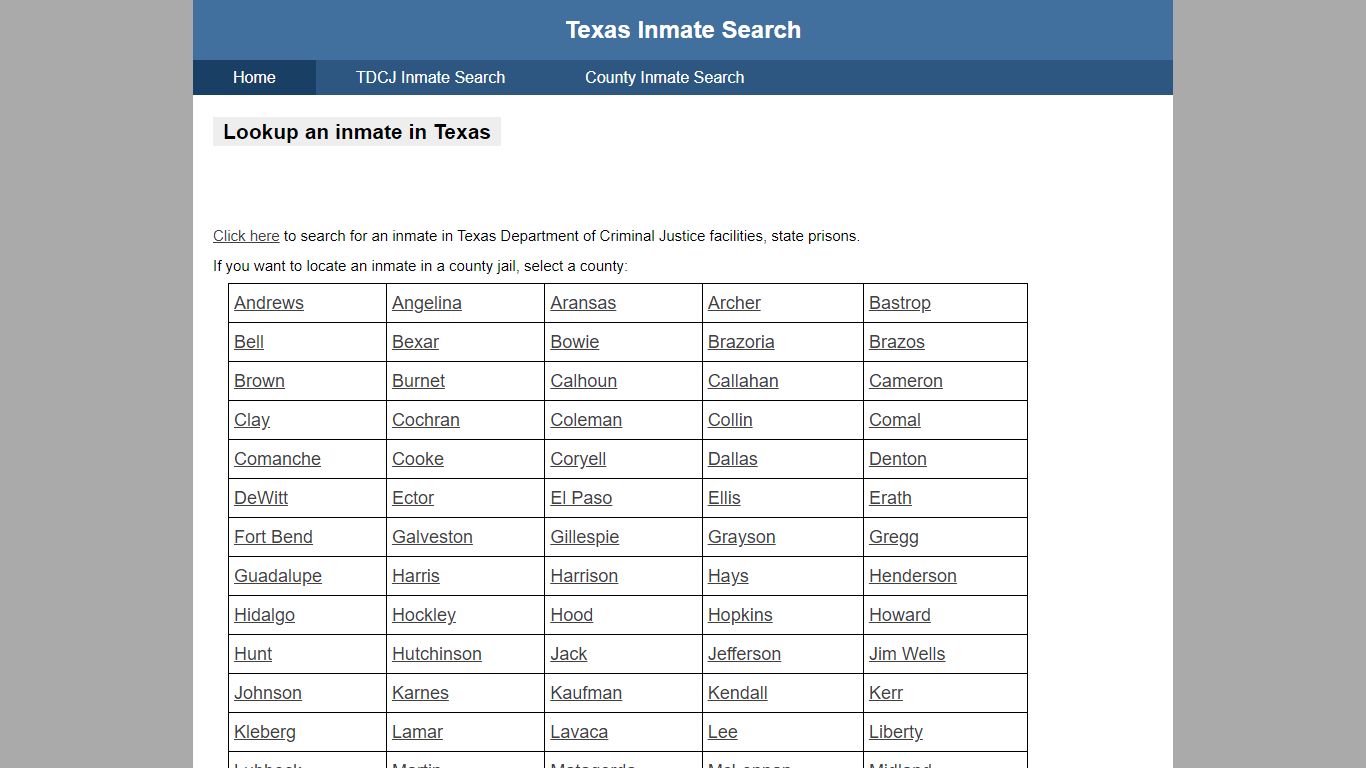
For individuals who have been arrested for misdemeanors, are awaiting trial, or have been sentenced to less than a year in jail, they will be held in a county or municipal jail. Locating these individuals requires contacting the specific law enforcement agency responsible for that jurisdiction.
Navigating County Jail Inmate Information
- Identify the Jurisdiction: The first step is to determine the county or city in which the arrest occurred. This information is often known by friends or family of the arrested individual.
- County Sheriff’s Office Websites: Most Texas counties have a sheriff’s office website. These sites often feature an “Inmate Roster” or “Jail Information” section.
- Online Inmate Search Tools: Many county sheriff’s offices provide their own online inmate search databases, similar to the TDCJ system. These tools will allow you to search by name, booking number, or other identifying details.
- Direct Phone Inquiries: If an online search is unavailable or unsuccessful, you will need to call the specific county jail or sheriff’s department directly. The contact information for each county sheriff’s office can typically be found through a general web search for “[County Name] Sheriff’s Office Texas”.
- Information to Provide: When calling, be prepared to provide the individual’s full name and, if known, their date of birth or any booking information you might possess. Be patient, as jail staff are often busy, but they can usually assist in confirming an individual’s incarceration.
- Arrest Records: In some cases, especially for recent arrests, the information might not yet be updated in online systems. A phone call may be the quickest way to ascertain their current status and location.
Key Information and Resources
Beyond the official search portals, understanding the information you’ll encounter and other helpful resources can streamline the process.
Essential Details for an Effective Search
- Full Legal Name: Accuracy here is paramount. Misspellings or incomplete names are the most common reasons for failed searches.
- Date of Birth: This is a critical piece of information that helps differentiate individuals with similar names.
- TDCJ Number or Offender ID: If you can obtain this number, it will significantly expedite your search.
- County of Arrest/Conviction: Knowing the specific county is vital for local jail searches.
- Booking Number: This is a unique identifier assigned upon booking into a local jail.
Important Considerations and Next Steps
Once you have located an individual, understanding the protocols for communication, visitation, and sending funds is essential.
Communication and Visitation
- Phone Calls: Inmates are typically allowed to make collect calls. You will need to set up a phone account with the third-party service provider used by the facility (e.g., Securus Technologies, GTL).
- Mail: Mail is a common way to communicate. Ensure you adhere to the specific mailing address format and any content restrictions provided by the correctional facility. Inmate mail is generally screened.
- Visitation: Visitation policies vary significantly by facility. You will likely need to be pre-approved as a visitor and schedule your visits in advance. Background checks may be required.
Sending Funds
- Commissary Accounts: Inmates can purchase items like snacks, toiletries, and stationery from the jail’s commissary. You can typically add funds to an inmate’s commissary account through various methods, including online portals, phone, or in person at the jail.
- Third-Party Services: Many facilities utilize third-party services for commissary deposits and phone account funding. Familiarize yourself with the specific service provider for the facility where the individual is housed.
Legal Assistance
If you are involved in a legal case or need to communicate with an attorney on behalf of an incarcerated individual, ensure you have their legal counsel’s contact information. Attorneys have specific channels for communication and visitation.
Common Challenges and How to Overcome Them
Despite the available resources, finding someone in jail in Texas can present unique challenges.
Name Variations and Database Delays
- Nicknames and Aliases: Inmates may use nicknames or aliases that differ from their legal name. If you suspect this is the case, try searching with common variations or ask individuals who might know them for alternative names.
- Database Updates: As mentioned, there can be a delay between an arrest and the information appearing in online databases. If you believe someone is in jail but can’t find them online, direct phone contact with the relevant sheriff’s office or jail is the most effective next step.
Out-of-State Transfers
In certain circumstances, an inmate may be transferred to a facility outside of their original jurisdiction or even out of state. The TDCJ search tool will usually reflect these transfers if they are within the state system. For out-of-state transfers, you would need to contact the relevant correctional agency in that state.
Privacy Concerns and Information Access
While efforts are made to provide public access to inmate information, certain details may be restricted due to privacy laws or ongoing investigations. If you are not a direct family member or legal representative, you may encounter limitations in the amount of information you can receive.

Conclusion: Patience and Persistence
Locating a detained individual in Texas requires a systematic approach, leveraging the official online resources provided by the TDCJ and local county sheriff’s offices. Patience, persistence, and accurate information are key to navigating this process successfully. Remember to verify details, be prepared for potential delays in database updates, and always adhere to the specific rules and regulations of each correctional facility when attempting to communicate or arrange visits. By following these guidelines, you can increase your chances of finding the information you need efficiently and with minimal frustration.
LifeOutOfTheBox is a participant in the Amazon Services LLC Associates Program, an affiliate advertising program designed to provide a means for sites to earn advertising fees by advertising and linking to Amazon.com. Amazon, the Amazon logo, AmazonSupply, and the AmazonSupply logo are trademarks of Amazon.com, Inc. or its affiliates. As an Amazon Associate we earn affiliate commissions from qualifying purchases.