
Travelers eyeing a winter escapade to the Upper Midwest often find themselves pondering a crucial question: “How much snow did Minneapolis Minnesota get?” This isn’t just idle curiosity; it’s a vital inquiry for anyone planning a visit to this vibrant city during its most iconic season. Minneapolis, nestled along the Mississippi River and famed for its robust arts scene, burgeoning culinary landscape, and extensive park system, transforms into a breathtaking winter wonderland. Understanding its snowfall patterns is key to unlocking a truly memorable and well-prepared travel experience.
This guide delves into the snowy realities of Minneapolis, offering insights for both first-time visitors and returning adventurers. From navigating the city’s snow-covered streets to embracing the myriad of winter activities, we’ll equip you with the knowledge needed to fully appreciate Minneapolis when it’s blanketed in its glistening white attire. Far from being a deterrent, the snow is an integral part of the city’s charm and an invitation to experience Minnesota Nice at its most authentic.
Understanding Minneapolis’s Winter Landscape for Travelers
The winter climate of Minneapolis is a defining characteristic of the city, significantly influencing its environment, infrastructure, and the daily lives of its residents. For travelers, understanding this climate is the first step toward a successful winter journey.
The Climate of Minneapolis and Minnesota
Minneapolis experiences a humid continental climate, characterized by warm, humid summers and cold, snowy winters. This distinct seasonal variation means that while the city enjoys lush green summers, its winters are undeniably robust. The cold air masses that sweep down from Canada bring consistent low temperatures, often dropping well below freezing, and are the primary source of the significant snowfall the region receives. The proximity to large bodies of water, particularly the numerous lakes within and around the city, can sometimes influence localized weather patterns, although the overall snowfall is more a product of large-scale atmospheric conditions. Minnesota as a whole is known for its harsh winters, and Minneapolis is no exception, embodying the quintessential Midwestern winter experience.
Average Annual Snowfall and Seasonal Variations
On average, Minneapolis receives approximately 50-60 inches of snow per year. However, this is an average, and actual snowfall can vary significantly from one winter to the next. Some years might see less than 30 inches, leading to a milder winter feel, while others can exceed 80 or even 100 inches, creating truly epic snowscapes. The snow season typically begins in November, with light dustings becoming more frequent as the month progresses. December, January, and February are the peak months for snowfall, often bringing the heaviest accumulations and most consistent snow cover. By March, snowfall usually begins to taper off, though late-season storms can occasionally bring significant amounts. April can still see lingering snow, especially in early weeks, but by then, the city is generally transitioning towards spring. Travelers should be aware that “average” doesn’t mean “guaranteed”; flexibility and preparation for varying conditions are always advisable.
Historical Snowfall Trends and Extremes
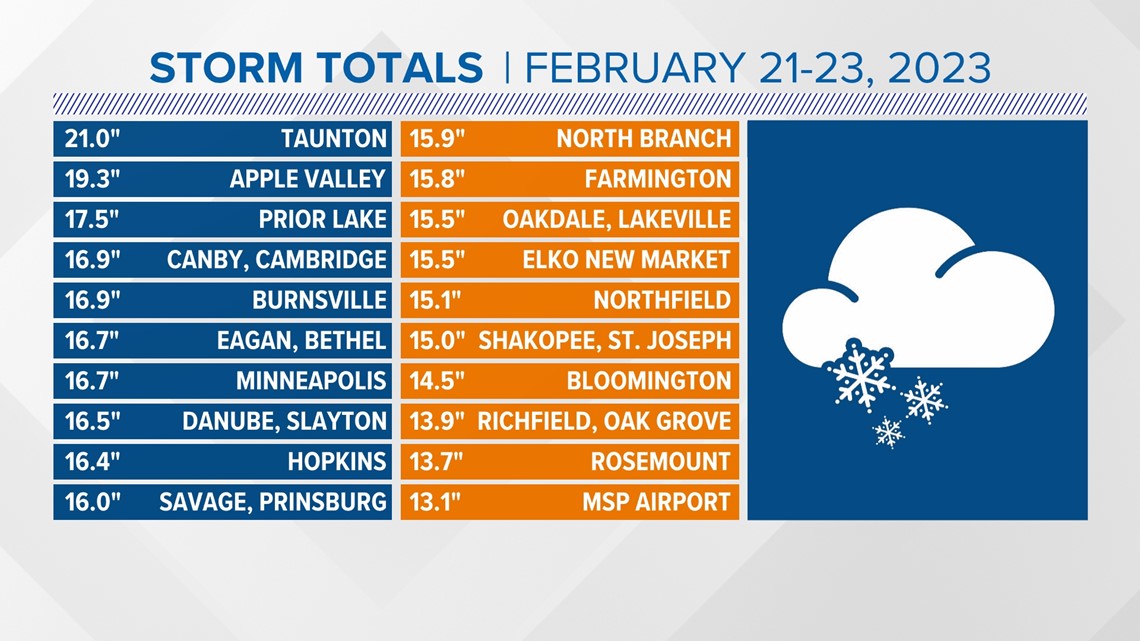
While annual averages provide a baseline, historical data reveals the dynamic nature of Minneapolis’s snowfall. The city has experienced several record-breaking winters, showcasing its capacity for truly immense snowfalls. For instance, the winter of 1983-84 saw over 98 inches of snow, and more recently, the winter of 2022-23 brought nearly 90 inches, significantly impacting travel and daily life. These extreme winters often result from specific meteorological phenomena, such as persistent cold fronts coinciding with moisture-rich storm systems. Conversely, some winters have been remarkably mild, with snowfall totals well below average, demonstrating the unpredictability. Travelers interested in experiencing maximum snow-related activities might aim for the heart of winter (January-February) but should also monitor long-range forecasts closer to their travel dates. These historical trends underscore the adventurous spirit required to truly embrace a Minneapolis winter.
Navigating Winter Travel to Minneapolis: What to Expect
Visiting Minneapolis in winter offers a unique charm, but it also requires practical considerations for navigating snowy conditions. Being prepared can transform potential challenges into part of an authentic adventure.
Transportation and Accessibility During Snowfall
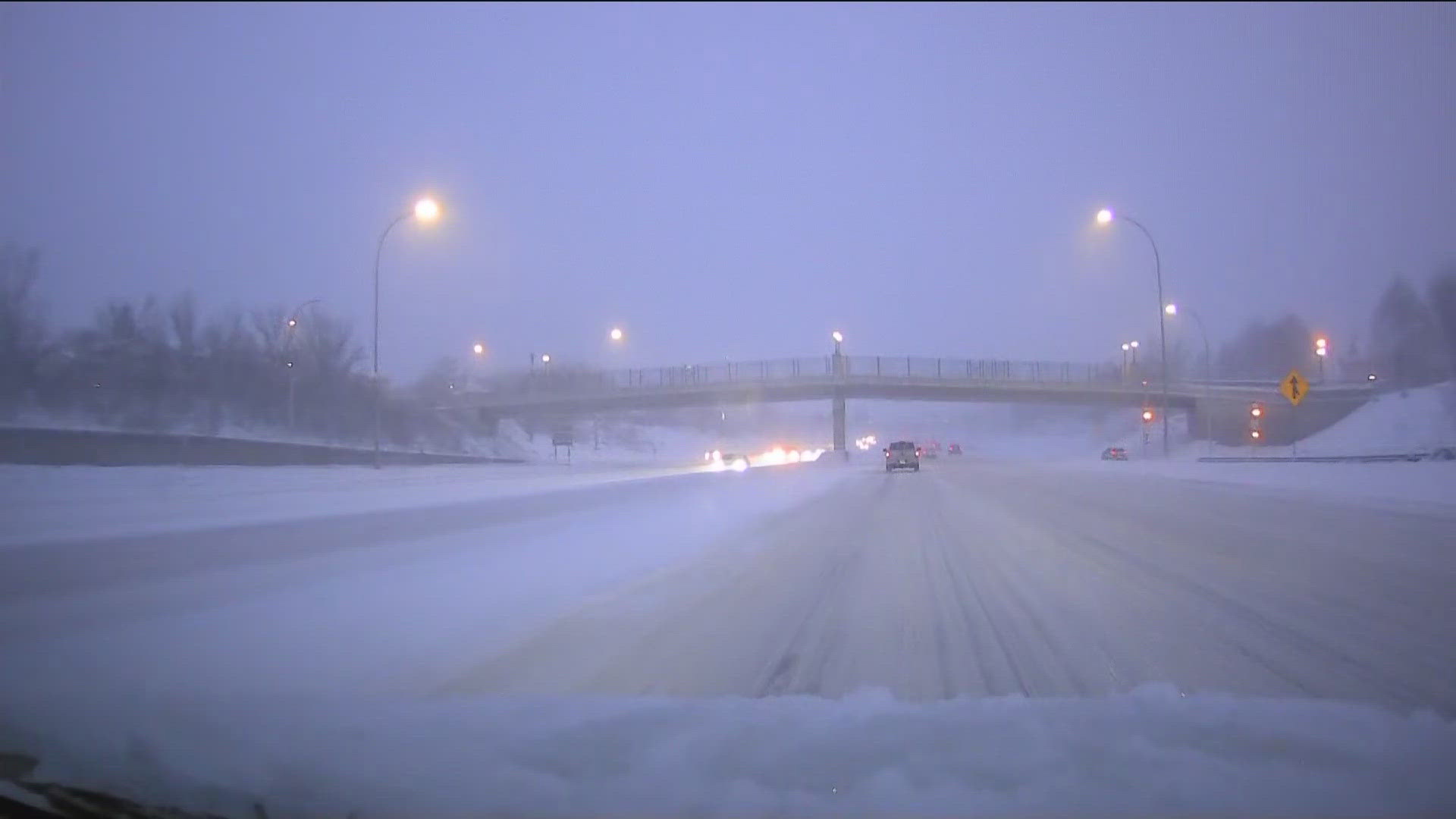
Minneapolis is exceptionally well-equipped to handle snow. The city’s public works department is highly efficient in plowing roads, clearing sidewalks, and managing ice. However, heavy snowfall can still impact travel times and accessibility. The Minneapolis-Saint Paul International Airport (MSP) is a major hub and generally operates smoothly even during snow events, thanks to advanced snow removal capabilities. Still, flights can experience delays or cancellations during severe blizzards, so checking flight statuses is crucial. Within the city, public transportation, including buses and the METRO Light Rail, continues to operate, albeit sometimes on adjusted schedules or with minor delays. Driving yourself requires caution; ensure your vehicle is winter-ready with good tires, and be mindful of road conditions. Ride-sharing services are also available but might face longer wait times during peak snow. The city’s extensive skyway system, connecting numerous downtown buildings, offers a fantastic way to navigate comfortably indoors, avoiding the cold and snow on the streets.
Packing Essentials for a Minneapolis Winter Trip
Proper attire is paramount for enjoying Minneapolis in winter. Layers are your best friend. Start with a moisture-wicking base layer, add insulating middle layers (fleece or wool are excellent), and top it off with a waterproof and windproof outer jacket. A good quality, insulated winter coat is non-negotiable. Don’t forget insulated, waterproof boots with good grip – icy patches are common. Warm hats that cover your ears, gloves or mittens, and a scarf are also essential to protect exposed skin from the biting cold and wind chill. For those planning outdoor activities like skiing or snowshoeing, consider bringing specific gear or planning to rent upon arrival. Even if you primarily intend to stay indoors, walking between the skyway system or to a restaurant will expose you to the elements, making these essentials critical for comfort and safety.
Staying Safe and Comfortable
Beyond packing, staying safe and comfortable involves a few key practices. Always check the weather forecast before heading out. Pay attention to wind chill advisories, as these can make even moderate temperatures feel dangerously cold. When walking, be vigilant for black ice, which can be invisible and extremely slippery. If driving, maintain extra distance between vehicles and drive slowly. Hydration is also important, as the dry winter air can be dehydrating. Many indoor attractions, museums, and restaurants offer cozy retreats from the cold. Embrace the local culture of “winter coziness” – think warm beverages, hearty meals, and snuggling by a fireplace. Locals are accustomed to the snow and generally friendly and helpful; don’t hesitate to ask for directions or advice. By being prepared and embracing the conditions, your winter visit can be just as enjoyable, if not more so, than a summer trip.
Embracing the Snow: Winter Attractions and Activities
The snow in Minneapolis isn’t just a backdrop; it’s an invitation to a unique array of winter activities that transform the city into a playground for cold-weather enthusiasts. Far from shutting down, Minneapolis comes alive with distinct seasonal offerings.
Outdoor Adventures: Skiing, Snowshoeing, and Ice Skating
For the adventurous traveler, Minneapolis offers numerous opportunities to engage with the snowy landscape. Cross-country skiing and snowshoeing are incredibly popular, with trails winding through urban parks like Theodore Wirth Regional Park, Minnehaha Park, and along the Chain of Lakes (including Lake Harriet, Lake Calhoun/Bde Maka Ska, and Lake of the Isles). These groomed trails provide stunning scenic beauty. Downhill skiing and snowboarding are also accessible, with several resorts, such as Buck Hill and Afton Alps, located within a short drive of the city. Ice skating is a quintessential Minneapolis experience. Outdoor rinks pop up across the city, including the picturesque Loring Park rink, often accompanied by warming houses and hot chocolate. Many of the city’s lakes, once safely frozen, become natural rinks and venues for ice fishing and broomball.
Indoor Escapes and Cultural Experiences
When the chill becomes too much, Minneapolis offers a wealth of indoor attractions. The Mall of America, just a short light rail ride away, provides an unparalleled shopping, dining, and entertainment experience, complete with an indoor amusement park. Art enthusiasts can explore the renowned Minneapolis Institute of Arts or the contemporary collections at the Walker Art Center and its adjacent Minneapolis Sculpture Garden. For performing arts, the Hennepin Theatre District hosts Broadway shows, while local venues like the Guthrie Theater offer world-class productions. Sports fans can catch a professional game at the climate-controlled U.S. Bank Stadium (Vikings NFL) or the Target Center (Timberwolves NBA). The city’s vibrant culinary scene also provides ample opportunities to warm up with innovative dishes and craft beverages in cozy restaurants and breweries.
Winter Festivals and Events
The people of Minneapolis don’t just tolerate winter; they celebrate it. Numerous festivals and events punctuate the colder months, making the snow an active participant in community life. The annual City of Lakes Loppet Ski Festival draws thousands of participants for cross-country skiing, fat-tire biking, and snowshoeing events. The Ice Palace and Winter Carnival in neighboring St. Paul are iconic regional celebrations featuring ice sculptures, parades, and family-friendly activities. Smaller neighborhood events, holiday markets, and outdoor light displays add to the festive atmosphere throughout the winter season. Checking local event listings closer to your travel dates will reveal the unique and often whimsical celebrations that make winter in Minneapolis so special.
Planning Your Trip Around Minneapolis’s Snow Schedule
Strategic planning is essential for a seamless and enjoyable winter trip to Minneapolis. Considering the city’s unique weather patterns will help you make informed decisions about when to visit and how to prepare.
Best Times to Visit for Snow-Related Activities
If your primary goal is to experience abundant snow and partake in winter sports, the sweet spot for visiting Minneapolis is typically from late January through mid-February. During this period, the city generally has a substantial snow cover, and outdoor ice rinks and ski trails are well-established. Temperatures are usually at their coldest, ensuring the snow and ice remain in prime condition. However, if you prefer a slightly milder experience with snow, early December or late February/early March can also be beautiful, with snow-dusted landscapes and slightly warmer temperatures. Keep in mind that “milder” in Minneapolis winter still means consistently below freezing. For those seeking the magical ambiance of fresh snowfall, timing a visit around a forecasted winter storm can be breathtaking, but requires flexibility with travel plans.
Tips for Booking Accommodation and Flights
Booking accommodation and flights for a winter trip to Minneapolis requires a balance of timing and flexibility. While winter is generally considered the off-season for tourism compared to the summer months, prices can fluctuate, especially around holiday periods like Christmas and New Year’s or during major events. Booking in advance is always recommended, particularly if you have specific dates or types of accommodation in mind. Consider hotels with easy access to the skyway system if you prefer to minimize time spent outdoors. For flights, look for flexible booking options or travel insurance that covers weather-related disruptions, especially if you’re traveling during peak snowfall months. Direct flights to Minneapolis-Saint Paul International Airport (MSP) are generally reliable, but having a backup plan or extra buffer time in your itinerary can save stress.
Resources for Real-time Weather Updates
Staying informed about real-time weather conditions is crucial for any winter traveler. Reliable resources include national weather services (like the National Weather Service), local Minneapolis news channels, and dedicated weather apps. Many local tourism websites and social media accounts also provide updates on road conditions, park trail status, and event cancellations. Before and during your trip, make it a habit to check forecasts daily. This will help you plan your activities, dress appropriately, and make informed decisions about transportation. For specific outdoor activities, always check with the individual park or facility for current trail conditions or rink closures. Being proactive with weather monitoring will significantly enhance your winter travel experience in Minneapolis.
The Unique Appeal of Winter in Minneapolis
Beyond the practicalities of snowfall and cold temperatures, winter in Minneapolis offers a distinct and captivating charm that sets it apart as a premier travel destination. It’s a season of transformation, community spirit, and quiet beauty.
Scenic Beauty Transformed by Snow
When snow blankets Minneapolis, the city undergoes a stunning metamorphosis. The urban landscape, with its distinctive architecture and tree-lined streets, takes on a serene, almost magical quality. Parks and lakes, like the iconic Chain of Lakes, become pristine canvases of white, with frozen surfaces reflecting the winter sky. The contrast of the white snow against the dark branches of trees and the vibrant hues of city lights creates breathtaking vistas. Photography enthusiasts will find endless opportunities to capture the unique beauty of this snowy metropolis. A walk along the frozen Minnehaha Falls, transformed into an ethereal ice sculpture, is an unforgettable experience, showcasing nature’s artistry in its most dramatic form.
Local Perspectives and Community Spirit
Minneapolitans (the residents of Minneapolis) are renowned for their resilience and their embrace of winter. Far from retreating indoors, the community spirit often thrives in colder months. Locals can be seen cross-country skiing to work, ice fishing on frozen lakes, or gathering at cozy breweries. This collective attitude fosters a welcoming environment for visitors, demonstrating that winter is a time for connection and enjoyment, not just endurance. Engaging with locals in coffee shops, restaurants, or during outdoor activities offers a genuine glimpse into the city’s character and its cheerful defiance of the cold. The concept of “Minnesota Nice” often shines brightest during the challenging winter months, as people are quick to offer help or a warm smile.

Why Minneapolis is a Premier Winter Destination
Despite its reputation for significant snowfall, Minneapolis stands out as a premier winter destination precisely because it doesn’t just endure winter – it celebrates it. The city’s efficient infrastructure, combined with its abundance of indoor and outdoor activities, ensures that visitors can fully immerse themselves in the season without undue hardship. Whether you’re seeking exhilarating outdoor sports, world-class cultural experiences, or simply the serene beauty of a snow-covered urban landscape, Minneapolis delivers. The consistent snowfall creates the perfect conditions for winter recreation, while the city’s innovative spirit provides warmth and entertainment when temperatures drop. So, while the exact amount of snow Minneapolis gets can vary, what remains constant is its ability to offer an unforgettable and authentically Midwestern winter travel experience. Prepare to bundle up, embrace the white stuff, and discover the unique charm of this northern gem.
LifeOutOfTheBox is a participant in the Amazon Services LLC Associates Program, an affiliate advertising program designed to provide a means for sites to earn advertising fees by advertising and linking to Amazon.com. Amazon, the Amazon logo, AmazonSupply, and the AmazonSupply logo are trademarks of Amazon.com, Inc. or its affiliates. As an Amazon Associate we earn affiliate commissions from qualifying purchases.