
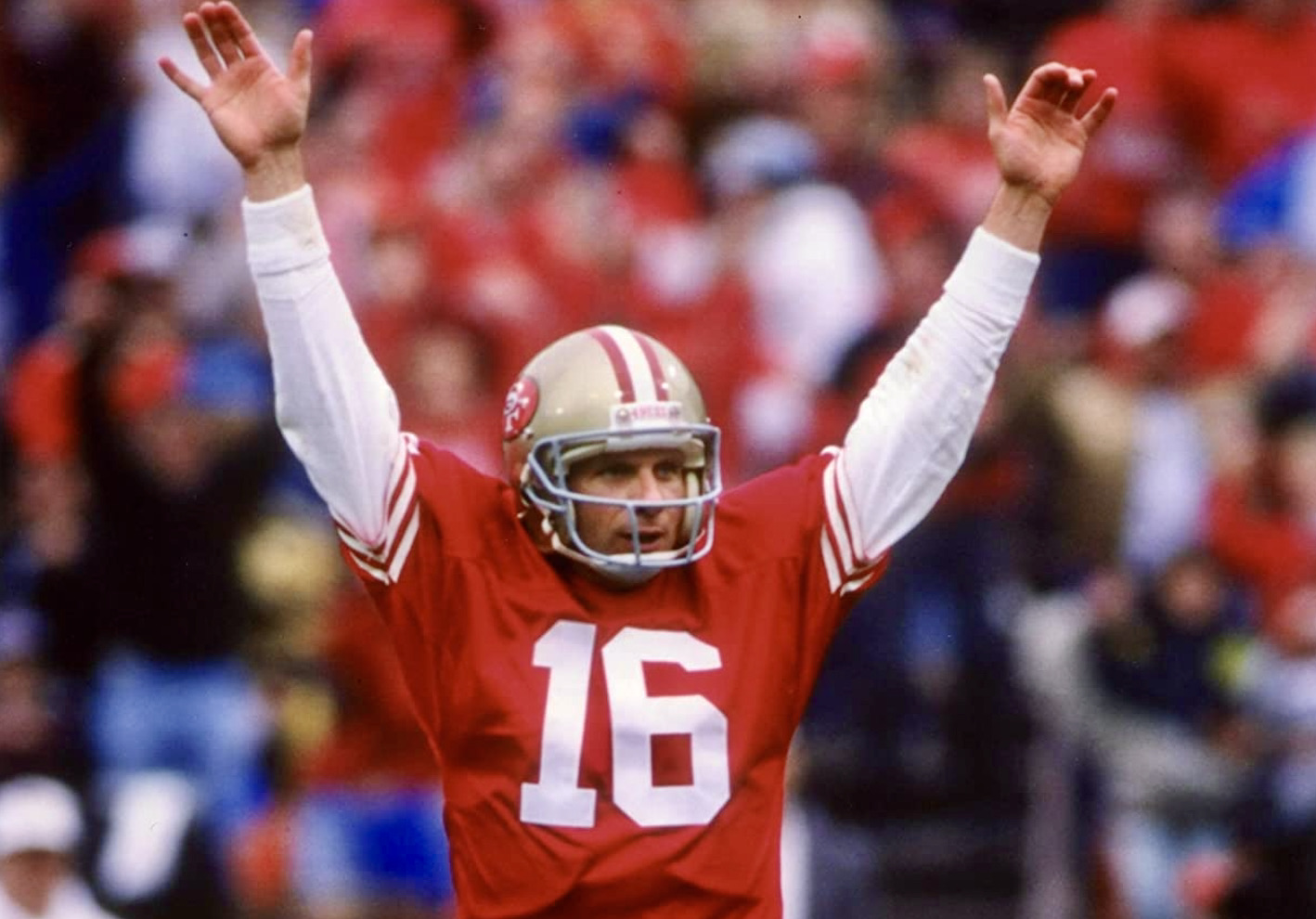
For many, the name Joe Montana is synonymous with quarterback excellence, clutch performances, and, most importantly, Super Bowl victories. His storied career, primarily with the San Francisco 49ers, captivated audiences and set a benchmark for success in the National Football League. Beyond the statistics and highlight reels, Montana’s legacy has also subtly shaped a particular “lifestyle” – that of the devoted sports fan who often travels far and wide to witness greatness, explore iconic sporting destinations, and immerse themselves in the culture of championship glory.
So, how many Super Bowls did the legendary “Comeback Kid” win? Joe Montana triumphed in four Super Bowls during his illustrious career. These victories solidified his status as one of the greatest quarterbacks of all time and ushered in an era of dominance for the 49ers. For fans, these wins weren’t just about football; they represented a communal experience, often involving travel, shared celebrations, and the creation of indelible memories in the cities that hosted these monumental events. This article delves into Montana’s incredible achievements and explores how his Super Bowl legacy intertwines with the lifestyle of sports tourism and the ultimate fan journey.

A Legend’s Legacy: The Iconic Victories and Their Host Cities
Joe Montana’s’s four Super Bowl rings represent a pinnacle of sporting achievement, each tied to a specific time, place, and unforgettable narrative. These events not only cemented his legend but also left a lasting imprint on the cities that had the privilege of hosting them, transforming them into temporary epicenters of sports tourism.
Super Bowl XVI: The Inaugural Triumph in Pontiac, Michigan
Montana’s first Super Bowl victory came in Super Bowl XVI on January 24, 1982, as the San Francisco 49ers defeated the Cincinnati Bengals 26-21. The game was held at the Pontiac Silverdome in Pontiac, Michigan. This win marked the beginning of the 49ers’ dynasty and Montana’s ascent to superstardom. For many fans, traveling to a cold-weather city like Pontiac, Michigan for such a high-stakes indoor game offered a unique experience, a blend of championship fervor and local hospitality that defined the early days of Super Bowl travel. It showcased how even less conventional tourist destinations could become hotbeds of activity during the biggest sporting event of the year.
Super Bowl XIX: Dominance on Home Turf in Stanford, California
Just three years later, Joe Montana led the 49ers to their second Super Bowl title in Super Bowl XIX on January 20, 1985. In a dominant performance, San Francisco routed the Miami Dolphins 38-16 at Stanford Stadium in Stanford, California. This game was particularly special as it was played virtually on the 49ers’ home turf, offering an unparalleled experience for local fans. For those who traveled, it was a chance to witness greatness in the heart of California’s scenic Bay Area, often combining the thrill of the game with explorations of San Francisco’s iconic landmarks and vibrant culture. The proximity to wine country and the coast also offered an appealing travel itinerary beyond just the football.
Super Bowl XXIII: A Clutch Performance in Miami, Florida
Joe Montana’s’s third Super Bowl ring came from Super Bowl XXIII on January 22, 1989, a thrilling 20-16 victory over the Cincinnati Bengals once again. This nail-biting contest, famous for Montana’s legendary last-minute drive, took place at Joe Robbie Stadium (now Hard Rock Stadium) in Miami, Florida. Miami has long been a premier destination for major sporting events, and for good reason. Its vibrant nightlife, beautiful beaches, and diverse culinary scene make it an irresistible draw for travelers. Attending a Super Bowl in Miami became a luxurious experience, blending championship football with a resort-style vacation, setting a new standard for sports tourism.
Super Bowl XXIV: A Record-Breaking Rout in New Orleans, Louisiana
Montana’s fourth and final Super Bowl victory was arguably his most dominant, as the 49ers annihilated the Denver Broncos 55-10 in Super Bowl XXIV on January 28, 1990. Held at the Louisiana Superdome (now Caesars Superdome) in New Orleans, Louisiana, this game showcased the 49ers at the peak of their powers. New Orleans itself is a destination unlike any other, known for its rich history, jazz music, unique cuisine, and festive atmosphere. Attending a Super Bowl there offered fans not just a game, but a complete cultural immersion, transforming the sporting event into an unforgettable travel and lifestyle experience. The allure of the French Quarter combined with the excitement of the biggest game made for a truly exceptional trip.
The Ultimate Fan Journey: Planning Your Super Bowl Destination Trip
The quest to witness a Super Bowl, inspired by legends like Joe Montana, has evolved into a significant aspect of the modern sports fan’s lifestyle. It’s more than just attending a game; it’s about the entire travel experience, from booking flights and accommodation to exploring the host city’s attractions.
Crafting the Ideal Super Bowl Itinerary
Planning a trip to the Super Bowl, even if it’s not to see Joe Montana play live, is an art form. It begins with selecting the right destination – often a city renowned for its tourism infrastructure and vibrant culture, like Las Vegas, Miami, or New Orleans. The choice of hotel, whether a luxury resort or a boutique downtown stay, heavily influences the overall experience. Many fans opt for accommodations that offer easy access to stadium transportation or official Super Bowl events. Beyond the game itself, a well-rounded itinerary might include visiting local landmarks, sampling regional cuisine, or participating in pre-game festivities. For many, the journey isn’t solely about the 60 minutes of football but about embracing the unique atmosphere that transforms a host city into a temporary global village.
From Stadium to City: Immersive Fan Travel Experiences
Modern Super Bowl host cities go to great lengths to provide immersive fan experiences that extend far beyond the stadium gates. “Super Bowl Experience” zones, pop-up events, and team-specific rallies create a festival-like atmosphere, offering interactive games, player appearances, and opportunities to connect with fellow enthusiasts. These events often double as prime opportunities to explore the city’s urban landscape, discover hidden gems, and engage with the local culture. For the dedicated fan, tracing the footsteps of legends like Joe Montana might even involve visiting historical sites related to their team or specific game moments, making the travel experience deeply personal and resonant. This lifestyle of immersive sports travel transforms spectatorship into a comprehensive cultural adventure.
The Lifestyle of a Die-Hard Fan: Tracing Sporting Greatness
The legacy of athletes like Joe Montana fuels a unique lifestyle among sports enthusiasts – one driven by a desire to connect with greatness, whether through live games or by exploring the history and culture surrounding their heroes.
Exploring Sports Museums and Hall of Fames
For fans eager to delve deeper into the history of football and the achievements of figures like Joe Montana, a visit to the Pro Football Hall of Fame in Canton, Ohio is an essential pilgrimage. This landmark institution houses memorabilia from Montana’s career, alongside exhibits detailing the Super Bowl triumphs he orchestrated. Such venues serve not only as museums but as centers of collective memory, allowing fans to relive iconic moments and gain insights into the physical and mental demands of professional sports. Traveling to these sites is a distinct form of sports tourism, offering an educational and emotionally resonant experience that solidifies the connection between fan and legend. Similarly, visits to specific team museums, like those associated with the San Francisco 49ers, provide a more localized and intimate look at their heroes’ contributions.
Investing in Sporting Memories: Luxury vs. Budget Travel for Super Bowl Seekers
Attending a Super Bowl is often seen as a bucket-list item, and the cost can vary widely, reflecting the diverse lifestyles of sports travelers. Luxury travelers might opt for premium hospitality packages, private jet charters, and stays at exclusive five-star hotels, transforming the game into a grand social event. These experiences often include VIP access, gourmet dining, and concierge services, ensuring every detail is meticulously handled. On the other end of the spectrum, budget-conscious fans might plan their trips months in advance, seeking out affordable flights, staying in vacation rentals or hostels, and focusing on experiencing the local atmosphere outside of official events. Regardless of the budget, the primary motivation remains the same: to be part of the excitement, to witness history unfold, and to create enduring memories inspired by the pursuit of excellence exemplified by champions like Joe Montana. The journey itself, from the planning stages to the post-game reflections, becomes a defining part of the fan’s lifestyle.
The Enduring Allure: Why Joe Montana’s Legacy Still Inspires Travel
Joe Montana’s four Super Bowl victories are more than just historical facts; they are touchstones that continue to inspire and resonate, contributing to the broader phenomenon of sports tourism and the lifestyle choices of millions of fans.
The Economic Impact of Super Bowl Tourism
The cities that hosted Joe Montana’s Super Bowls – Pontiac, Stanford, Miami, and New Orleans – each experienced significant economic boosts from the influx of fans, media, and supporting staff. This economic impact is a critical factor in selecting future Super Bowl host cities, driving investment in infrastructure, hospitality services, and local attractions. The legacy of championship moments, such as Montana’s legendary performances, not only draws contemporary visitors but also reinforces the long-term appeal of these cities as desirable destinations for major events, ensuring that the “Super Bowl lifestyle” continues to thrive.

Future Super Bowl Host Cities: Planning Your Next Adventure
As new generations of quarterbacks strive for Super Bowl glory, the tradition of fan travel continues. Future host cities, whether established hubs like Phoenix or emerging destinations, prepare for the annual migration of fans, each offering a unique blend of local charm and Super Bowl excitement. The anticipation of where the next big game will be played becomes a significant element in many fans’ annual travel planning. Whether you’re a seasoned Super Bowl traveler or dreaming of your first trip, the inspiration drawn from legends like Joe Montana and his four iconic victories serves as a powerful reminder of the enduring thrill of championship football and the unparalleled experience of being there to witness it.
LifeOutOfTheBox is a participant in the Amazon Services LLC Associates Program, an affiliate advertising program designed to provide a means for sites to earn advertising fees by advertising and linking to Amazon.com. Amazon, the Amazon logo, AmazonSupply, and the AmazonSupply logo are trademarks of Amazon.com, Inc. or its affiliates. As an Amazon Associate we earn affiliate commissions from qualifying purchases.