
For many travelers, the allure of the United States during the colder months is epitomized by the rugged, pine-covered landscapes of Maine. Known affectionately as the Pine Tree State, this northeastern corner of North America transforms into a pristine white wonderland every winter. However, for tourists planning a seasonal getaway, the question of “how much snow does Maine get?” is not just a matter of curiosity—it is a vital component of trip planning. Understanding the nuances of Maine’s snowfall is essential for anyone looking to experience the state’s world-class skiing, snowmobiling, and local winter culture.
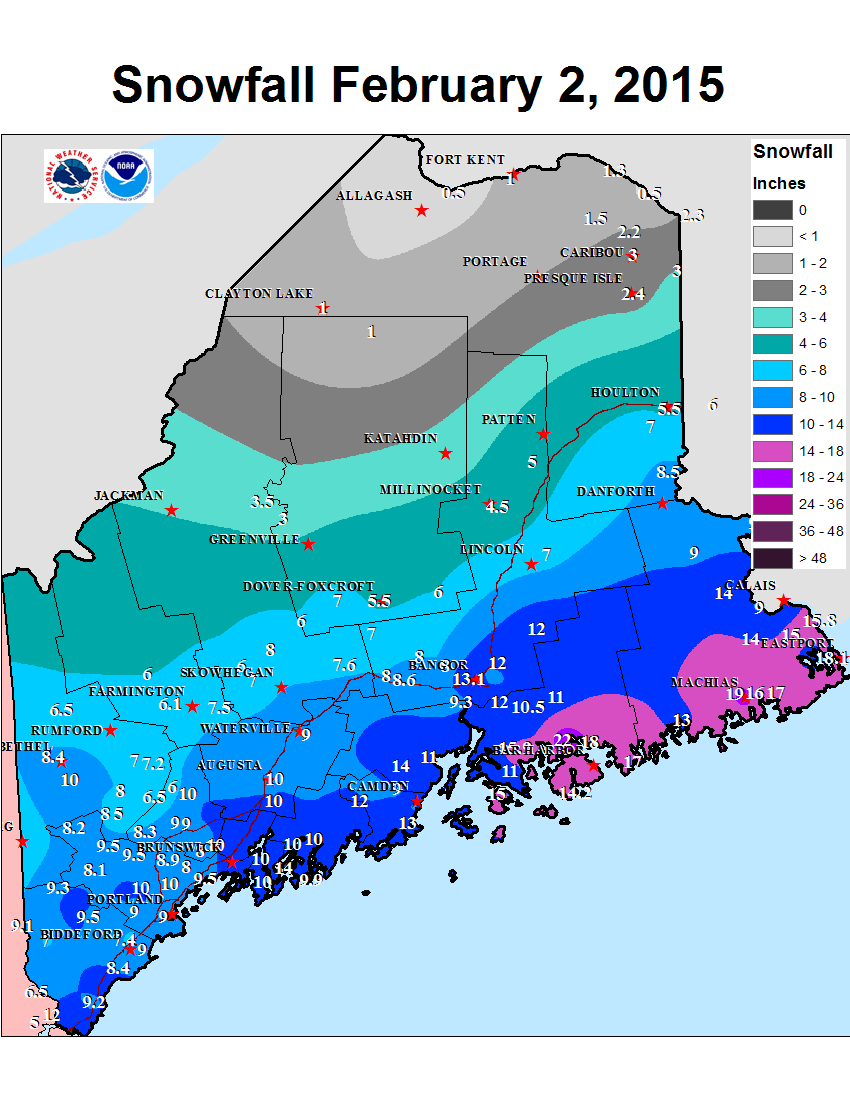
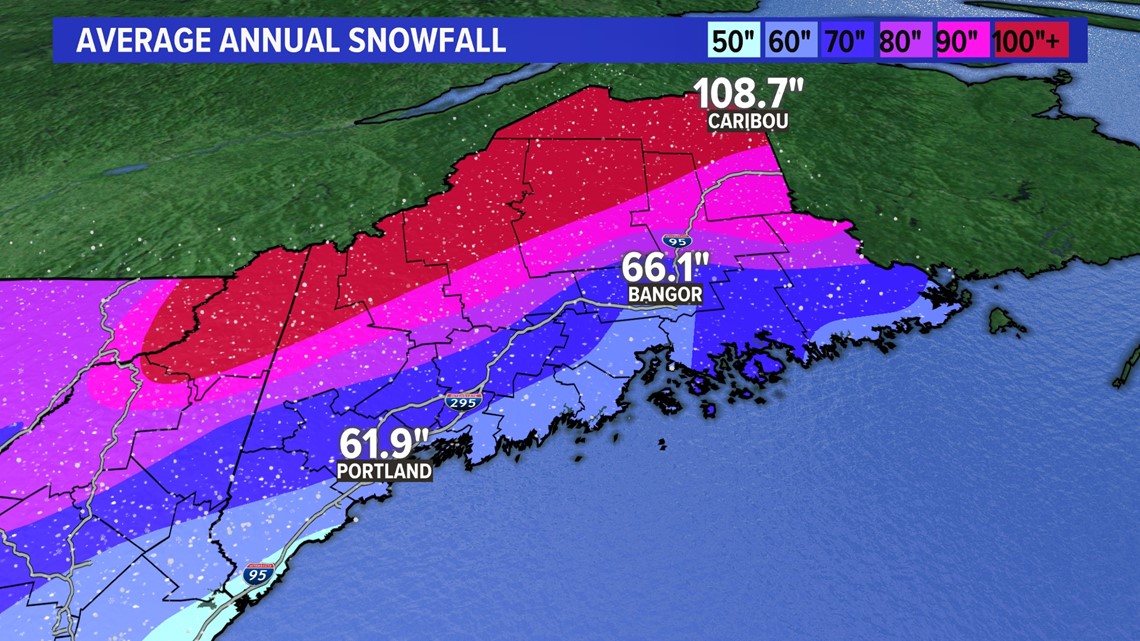
Generally, Maine receives anywhere from 60 to 110 inches of snow annually, though these numbers can fluctuate wildly depending on the specific region and the influence of the Atlantic Ocean. From the salty, slushy streets of Portland to the deep, powdery drifts of the White Mountains, the snow profile of the state is as diverse as its terrain.
Understanding Maine’s Winter Climate and Regional Variances
To answer the question of snowfall volume, one must first look at the geography of the state. Maine is large—nearly the size of all other five New England states combined—and its weather patterns are dictated by its proximity to the ocean and its elevation.
The Coastal Regions and Moderate Snowfall
The coastal areas, including popular tourist destinations like Kennebunkport, Portland, and Bar Harbor, tend to see the least amount of snow in the state. Because of the moderating influence of the Atlantic Ocean, temperatures along the coast are often slightly warmer than they are inland.
On average, coastal Maine receives between 50 and 70 inches of snow per year. While this is significant by national standards, it often comes in the form of “wet” snow or is frequently interrupted by rain and sleet. Visitors to Acadia National Park in the winter should be prepared for icy conditions rather than just deep powder. However, when a “Nor’easter” strikes, even the coast can be buried under two feet of snow in a single 24-hour period.
The Central Interior and High-Volume Accumulation
Moving inland toward cities like Augusta and Bangor, the maritime influence begins to fade, and the temperatures drop. This region serves as a transition zone where snow stays on the ground longer and accumulates more reliably. In the central interior, annual snowfall typically ranges from 70 to 90 inches.
For the tourism industry, this region is a hub for community-based winter activities. Local lakes, such as Moosehead Lake, begin to freeze solid in late December, allowing for the unique cultural experience of ice fishing. The snow here is drier than on the coast, making it much better for snowshoeing through the rolling hills of Penobscot County.
The Northern Highlands and The Great North Woods
The true heavy hitters for snowfall are the Western Mountains and the northern reaches of Aroostook County. In these areas, it is not uncommon to see annual totals exceeding 110 inches. The town of Caribou, for instance, often competes for the title of the snowiest city in the United States.
In the High Peaks region, home to Sugarloaf Mountain and Sunday River Resort, the elevation ensures that precipitation almost always falls as snow from November through April. This consistent accumulation is what makes Maine a premier destination for winter sports enthusiasts across the globe.
Best Winter Activities in the Maine Snow
With such a significant volume of snow, Maine has developed a robust tourism infrastructure designed to celebrate the cold. Whether you are looking for high-octane thrills or a peaceful retreat into nature, the snow provides the perfect backdrop.
Downhill and Cross-Country Skiing
Maine boasts some of the best skiing in the eastern United States. Sugarloaf Mountain in Carrabassett Valley is the second-highest peak in the state and offers the only lift-serviced above-treeline skiing in the East. The sheer volume of natural snow, supplemented by world-class snowmaking, ensures a season that often lasts into May.
For those who prefer a more relaxed pace, cross-country skiing is a staple of Maine winter tourism. The Bethel area and the Maine Nordic Adventure trails provide hundreds of miles of groomed paths through silent forests. The Carabassett Valley Trail System is particularly famous for its scenic views of the Bigelow Range.
Snowmobiling the Interconnected Trail System
If there is one activity that defines winter in northern Maine, it is snowmobiling. The state features the Interconnected Trail System (ITS), a massive network of over 14,000 miles of groomed trails. Tourists can rent sleds in towns like Millinocket or Greenville and travel hundreds of miles through the wilderness, stopping at remote lodges for hot chocolate and “chowder.”
The snow in the Great North Woods is often so deep that trails remain perfectly groomed well into the spring. This attracts thousands of visitors from Canada and across the United States, contributing significantly to the local economy.
Ice Fishing and Winter Festivals
When the snow piles up, the lakes freeze, leading to the birth of “ice fishing villages.” On places like Sebago Lake, you will see hundreds of small shacks (known as “ice shanties”) dotting the frozen surface. For many tourists, joining a guided ice fishing tour is a quintessential Maine experience, offering a chance to catch landlocked salmon or lake trout in a unique setting.
Additionally, many towns host winter carnivals to celebrate the snow. The Camden Winterfest is a highlight, featuring ice carving and the famous U.S. National Toboggan Championships at the Camden Snow Bowl.
Tourism Tips for Navigating the Maine Winter
Traveling to a state that receives over 100 inches of snow requires specific preparation. To ensure a safe and enjoyable trip, tourists must look beyond the beautiful scenery and focus on the practicalities of winter survival and travel.
Essential Gear and Packing
The key to enjoying Maine in the winter is layering. Temperatures can range from a sunny 30 degrees Fahrenheit to a bone-chilling minus 20 degrees in the North Woods.
- Base Layers: Moisture-wicking wool or synthetic fabrics are essential.
- Insulation: A high-quality down or synthetic “puffer” jacket.
- Outer Shell: A waterproof and windproof jacket to protect against the biting winds of the Atlantic Ocean or the mountain peaks.
- Footwear: Waterproof, insulated boots are a must. In cities like Portland, you will need traction for slushy sidewalks; in the mountains, you will need warmth for deep drifts.
Transportation and Road Safety
Driving in Maine during a snowstorm is a skill that locals have mastered, but it can be daunting for visitors. If you are renting a car at the Portland International Jetport or Bangor International Airport, it is highly recommended to request a vehicle with Four-Wheel Drive (4WD) or All-Wheel Drive (AWD).
The Maine Department of Transportation does an excellent job of clearing major highways like Interstate 95, but rural roads can remain snow-covered for days. Always check the weather forecast and the “New England 511” app for road closures before heading out to remote locations like Rangeley or Fort Kent.
Exploring the Cultural Impact of Snow in Maine
Snow is not just a weather event in Maine; it is a way of life. The local culture has been shaped by the long winters, leading to a resilient and welcoming spirit that visitors find infectious.
Traditional Winter Foods and Apres-Ski Culture
When the temperature drops, Maine cuisine shifts toward hearty, warming comfort foods. This is the best time of year to visit a local diner in Skowhegan for a bowl of traditional Maine Lobster Chowder or a plate of “ploys”—a type of buckwheat pancake popular in Aroostook County.
The “Apres-Ski” scene is also a major draw. After a day in the snow, tourists flock to local breweries and pubs. Maine has one of the highest numbers of craft breweries per capita in the United States. Places like Allagash Brewing Company in Portland or the Shipyard Brew Pub offer cozy atmospheres where travelers can swap stories of their snowy adventures.
Community Events and Winter Carnivals
Because Maine gets so much snow, the communities have learned to embrace it rather than hide from it. The Portland Magic of Christmas symphony and the holiday lights at the Coastal Maine Botanical Gardens in Boothbay attract thousands of visitors.
For a more rugged experience, the Can-Am Crown Sled Dog Races in Fort Kent showcase the historical importance of snow travel in the region. Watching the teams of huskies race through the deep powder of the North Woods is a reminder of the state’s wild roots and its enduring relationship with winter.
In conclusion, while the answer to “how much snow does Maine get” varies by latitude and elevation, the result is always the same: a spectacular, snow-filled playground that offers some of the best tourism experiences in North America. Whether you are navigating the 60 inches of the coast or the 110 inches of the mountains, the snow of Maine is an invitation to adventure.
LifeOutOfTheBox is a participant in the Amazon Services LLC Associates Program, an affiliate advertising program designed to provide a means for sites to earn advertising fees by advertising and linking to Amazon.com. Amazon, the Amazon logo, AmazonSupply, and the AmazonSupply logo are trademarks of Amazon.com, Inc. or its affiliates. As an Amazon Associate we earn affiliate commissions from qualifying purchases.