
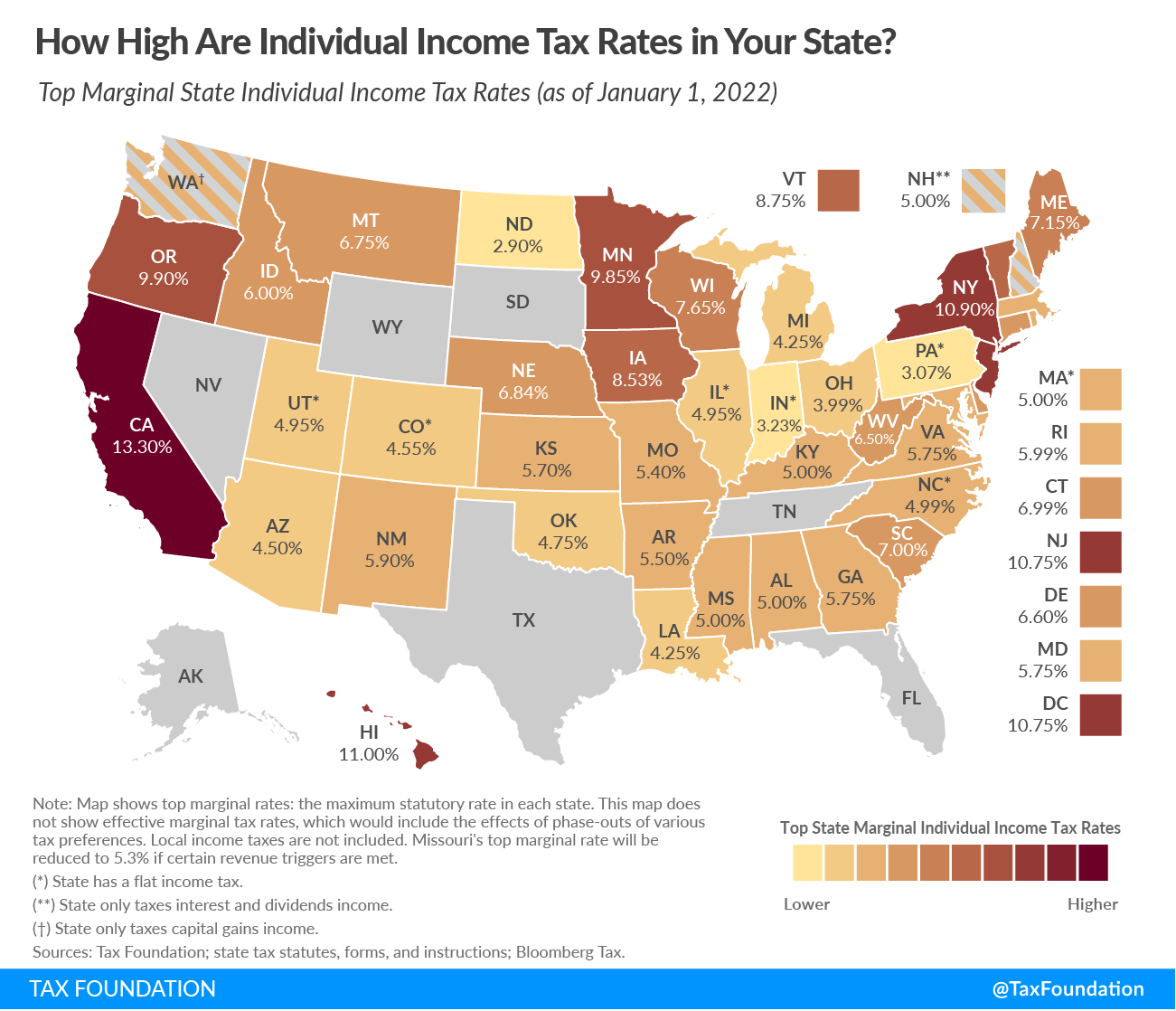
For many considering a move, a long-term stay, or even significant investment, the question of state income tax can be a pivotal factor in their lifestyle decisions. Florida, often lauded as a premier destination for retirees, entrepreneurs, and families alike, frequently comes under scrutiny regarding its tax policies. The answer to this fundamental question is a resounding no: Florida does not levy a state individual income tax. This crucial distinction profoundly impacts the financial landscape for anyone choosing to call the Sunshine State home, shaping their disposable income, retirement planning, and overall economic well-being.
Understanding the implications of this tax-friendly environment goes far beyond a simple “yes” or “no” answer. It delves into the broader lifestyle appeal of Florida, balancing the benefits of no income tax with other financial considerations like property taxes, sales taxes, and the general cost of living. This article explores the multifaceted impact of Florida’s tax structure on various lifestyles, offering insights for those evaluating this vibrant state as their next chapter.
The Sunshine State’s Tax Advantage: A Lifestyle Choice
The absence of a state income tax is arguably Florida’s most significant financial draw, directly influencing the lifestyle choices of millions. This policy means that residents keep a larger portion of their earnings, investment income, and retirement distributions, presenting a distinct advantage over states with high income tax rates. This financial freedom can translate into various lifestyle enhancements, from greater savings potential to increased spending on leisure, travel, or investment in local businesses.
Understanding Florida’s Tax Structure
Florida is one of a handful of U.S. states that do not impose a state income tax on individuals. This policy extends to various forms of personal income, including wages, salaries, business profits, interest, and dividends. While federal income taxes still apply as they do nationwide, the absence of a state-level levy significantly lightens the overall tax burden for residents. It’s important to note that while individuals are exempt, Florida does have a corporate income tax for C-corporations, though many small businesses structured as S-corporations or partnerships can avoid this at the state level, further enhancing the appeal for entrepreneurs.
The state compensates for the lack of income tax through other revenue streams. These primarily include sales taxes, property taxes, and various excise taxes. This balanced approach ensures that state and local governments have the funds necessary to provide public services, infrastructure, and amenities, even without tapping into residents’ income directly. For individuals, this means a shift in where their tax dollars are primarily directed, focusing more on consumption and property ownership rather than personal earnings.
What No Income Tax Means for Your Wallet
The direct benefit of no state income tax is immediately apparent in one’s take-home pay. For employees, this translates to higher net earnings on each paycheck. For self-employed individuals and business owners, it means a larger share of their profits remains in their hands. This increased disposable income empowers residents to make different lifestyle choices:
- Increased Savings and Investment: A higher net income can significantly boost personal savings, accelerating financial goals such as retirement planning, college funds, or down payments on major purchases. It also frees up capital for investment opportunities, potentially fueling economic growth within the state.
- Enhanced Purchasing Power: With more discretionary income, residents have greater purchasing power, which can positively impact local economies. This could mean more frequent dining out, exploring local attractions, or investing in home improvements, all contributing to a vibrant community lifestyle.
- Attraction for Remote Workers and Entrepreneurs: The allure of keeping more of one’s earnings is particularly strong for remote workers and digital nomads who can choose their geographic base without traditional employment constraints. Similarly, entrepreneurs looking to minimize their personal tax burden find Florida an attractive environment for launching and growing their ventures, allowing them to reinvest more into their businesses and personal wealth.
- Retirement Security: For retirees, the absence of state income tax means that pension income, 401(k) and IRA distributions, and Social Security benefits are not subject to state taxation. This can significantly extend the longevity of retirement savings and provide greater financial stability during a period of fixed income.
Beyond Income Tax: A Holistic Look at Florida Living Costs
While the no-income-tax policy is a significant advantage, a comprehensive understanding of Florida’s financial landscape requires examining other key costs. A lifestyle decision based solely on income tax avoidance without considering property taxes, sales taxes, and insurance costs would be incomplete. These elements collectively shape the true cost of living and, by extension, the financial feasibility of a Florida lifestyle.
Property Taxes: A Major Consideration
Property taxes are a primary revenue source for local governments in Florida, funding schools, emergency services, and local infrastructure. Consequently, they can be a substantial expense for homeowners. The amount of property tax paid varies significantly depending on the county, the assessed value of the property, and any applicable exemptions.
For instance, property tax rates can differ between densely populated areas like Miami-Dade and more suburban or rural locales. Counties like Orange County (home to Orlando) and Hillsborough County (encompassing Tampa) have their own distinct tax structures and property values. Fortunately, Florida offers a “Homestead Exemption” for primary residences, which reduces the taxable value of a property by up to $50,000, providing some relief to eligible homeowners. However, prospective residents must research local rates and factoring these costs into their budget is essential, especially given rising property values in popular cities like Sarasota and Jacksonville.
Sales Tax and Other Consumption Taxes
Florida’s state sales tax rate is 6%, applied to most goods and services, excluding necessities like groceries and prescription medicines. Many counties also impose a local surtax, which can increase the combined sales tax rate by an additional 0.5% to 2.5%, depending on the location. This means that while residents save on income tax, they contribute to the state’s revenue through their daily purchases.
Beyond general sales tax, there are specific excise taxes on items like gasoline, tobacco, and alcohol. For visitors and residents utilizing short-term accommodations, a Tourism Development Tax (often called a bed tax) is also applied, typically ranging from 1% to 6%, depending on the county. While this is more directly relevant to tourism, it underscores the state’s strategy to generate revenue through consumption rather than income. For lifestyle, this implies that frequent consumers will pay more in sales tax, offsetting some of the income tax savings.
Cost of Living Nuances
Beyond taxes, the general cost of living in Florida is another critical factor. Housing costs, while varying widely, have seen significant increases in recent years, particularly in desirable coastal regions and major metropolitan areas like Miami and Orlando. While some areas offer more affordable housing, the overall market can be competitive.
Insurance costs also play a substantial role, especially for homeowners. Given Florida’s susceptibility to hurricanes and flooding, homeowner’s insurance premiums can be higher than the national average, often requiring separate flood insurance policies. Car insurance rates can also be above average due to factors like population density and tourism.
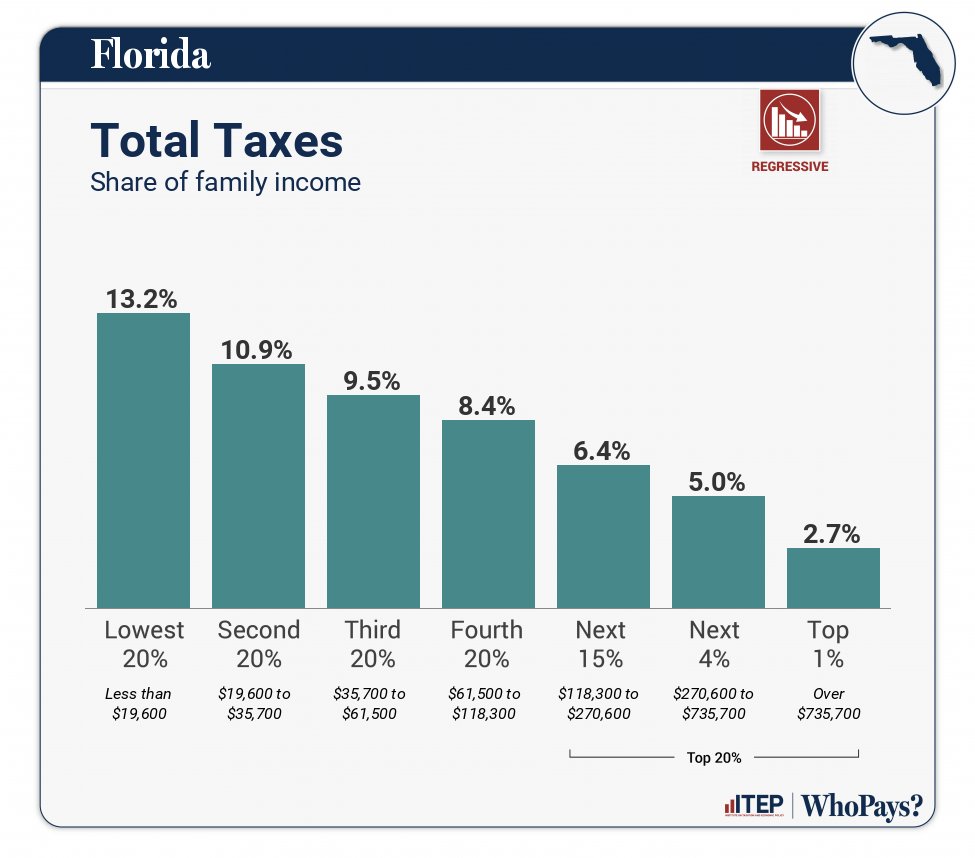
Healthcare costs, transportation, and utilities are additional considerations. While Florida generally boasts a lower cost of living compared to high-tax states like California or New York, it’s crucial for prospective residents to conduct thorough research into specific regions to create an accurate budget aligned with their desired lifestyle.
Who Benefits Most from Florida’s Tax Policy?
Florida’s unique tax structure, anchored by the absence of state income tax, creates a particularly attractive environment for specific demographics, directly influencing their lifestyle choices and financial planning.
Retirees and Snowbirds
Perhaps the most recognized beneficiaries of Florida’s tax policy are retirees. With fixed incomes and a desire to maximize their retirement savings, the state offers significant advantages:
- Maximizing Retirement Income: Pensions, 401(k) and IRA distributions, and Social Security benefits are all exempt from state income tax. This means more of a retiree’s hard-earned savings go directly into their pockets, allowing for a more comfortable and financially secure retirement lifestyle.
- Estate Planning Benefits: Florida has no state estate tax or inheritance tax, which is a significant consideration for individuals planning to pass on their wealth.
- Warm Climate Appeal: Beyond the financial incentives, the consistently warm weather allows for an active, outdoor-centric lifestyle year-round, which is a major draw for those looking to enjoy their golden years without the harshness of winter.
Entrepreneurs and Remote Workers
The modern workforce is increasingly mobile, and Florida’s tax environment is a magnet for those with location flexibility:
- Business Setup Advantages: For sole proprietors, partnerships, and S-corporations, the absence of state income tax means owners can retain a larger share of their business profits. This financial incentive encourages entrepreneurship and can lead to more capital available for business growth and personal investment.
- Reduced Personal Tax Burden: Remote workers, digital nomads, and freelancers can establish residency in Florida and benefit from not paying state income tax on their earnings, significantly boosting their net income. This allows for greater financial freedom and potentially a higher quality of life.
- Networking Opportunities: Growing tech hubs in cities like Miami and Tampa offer vibrant ecosystems for networking and collaboration, attracting innovative minds drawn by both lifestyle and financial advantages.
High-Income Earners
While beneficial for all income levels, the impact of no state income tax is particularly pronounced for high-income earners. In states like California or New York, top earners face state income tax rates that can exceed 10%. Moving to Florida can result in substantial annual tax savings, allowing for greater wealth accumulation. These savings can be reinvested, used for luxury purchases, or directed towards philanthropic endeavors, profoundly altering their financial lifestyle.
Making the Move: Lifestyle Considerations Beyond Taxes
While the financial allure of no state income tax is undeniable, a truly informed decision about moving to Florida involves weighing a broader spectrum of lifestyle factors. A successful relocation harmonizes financial benefits with personal preferences, environmental realities, and community aspects.
Climate and Environment
Florida’s tropical and subtropical climate is a defining feature, offering abundant sunshine, warm temperatures, and unparalleled access to beaches and outdoor activities year-round. This is ideal for those who thrive on an active lifestyle, enjoying water sports, golf, and exploring natural parks. However, prospective residents must also consider the reality of hurricane season, typically from June to November, and understand the necessary preparations and potential disruptions this entails. The heat and humidity, particularly during summer months, are also a significant factor for comfort and outdoor activity preferences.
Job Market and Economy
While traditionally known for tourism, Florida’s economy has diversified significantly. Key growth sectors now include aerospace, healthcare, logistics, finance, and technology. Major cities offer distinct job markets: Orlando continues to lead in hospitality and entertainment, Miami is a hub for international trade and finance, Tampa boasts a growing tech scene, and Jacksonville is strong in logistics and healthcare. For individuals not bringing their jobs with them, researching local employment opportunities and industry trends is paramount. The entrepreneurial spirit in Florida is also robust, supported by a favorable business climate.
Culture and Community
Florida is a melting pot of cultures, offering a vibrant and diverse community experience. From the Latin influences in Miami to the Southern charm of Jacksonville and the family-friendly attractions of Orlando, there’s a community for almost every preference. The state boasts a rich arts and culture scene, professional sports teams, and an endless array of entertainment options, particularly in its major cities. Considering the type of community you desire – whether a bustling urban environment, a quiet beach town, or a suburban family haven – is crucial for long-term satisfaction.

Education and Public Services
For families, the quality of public and private education systems is a significant factor. Florida offers a range of educational options, and researching school districts in specific areas is advisable. Public services, including healthcare infrastructure, public transportation (which varies widely by city), and emergency services, contribute to the overall quality of life. Understanding the level of public investment in these areas can help paint a complete picture of what to expect from a Florida lifestyle.
In conclusion, Florida’s lack of a state individual income tax is a powerful magnet, offering significant financial advantages that can profoundly impact one’s lifestyle. However, a truly insightful decision to move to or reside in the Sunshine State requires a holistic approach. Weighing the benefits of increased disposable income against other costs such as property taxes, sales taxes, and insurance, alongside personal preferences regarding climate, job market, and community, ensures a well-rounded understanding. Ultimately, Florida offers a unique blend of financial incentives and an attractive lifestyle, making it a compelling choice for many seeking a new horizon.
LifeOutOfTheBox is a participant in the Amazon Services LLC Associates Program, an affiliate advertising program designed to provide a means for sites to earn advertising fees by advertising and linking to Amazon.com. Amazon, the Amazon logo, AmazonSupply, and the AmazonSupply logo are trademarks of Amazon.com, Inc. or its affiliates. As an Amazon Associate we earn affiliate commissions from qualifying purchases.