
When the crisp air begins to bite and the wind whips off the vast expanse of Lake Michigan, one question invariably comes to mind for those planning a visit to the Windy City, or even for its long-time residents: “How much snow does Chicago actually get?” This iconic American metropolis, known for its stunning architecture, vibrant cultural scene, and world-class dining, also experiences a significant winter transformation, blanketed in a layer of white that can dramatically alter its landscape and influence the travel experience. Understanding Chicago’s snow patterns is key to preparing for a memorable visit, whether you’re seeking cozy hotel stays, exciting outdoor activities, or simply want to soak in the unique atmosphere of a city that embraces the winter season.
Understanding Chicago’s Winter Climate
Chicago’s reputation for harsh winters is well-earned, but the precise amount of snow can vary considerably year by year. The city’s location on the southwestern tip of Lake Michigan plays a significant role in its climate, often leading to lake-effect snow. This phenomenon occurs when cold air masses move over the relatively warmer waters of the lake, picking up moisture and then depositing it as snow on the leeward shores, which includes the Chicago metropolitan area. The intensity and frequency of these lake-effect events can significantly impact snowfall totals, making some winters milder and others considerably more challenging.
Average Snowfall Patterns
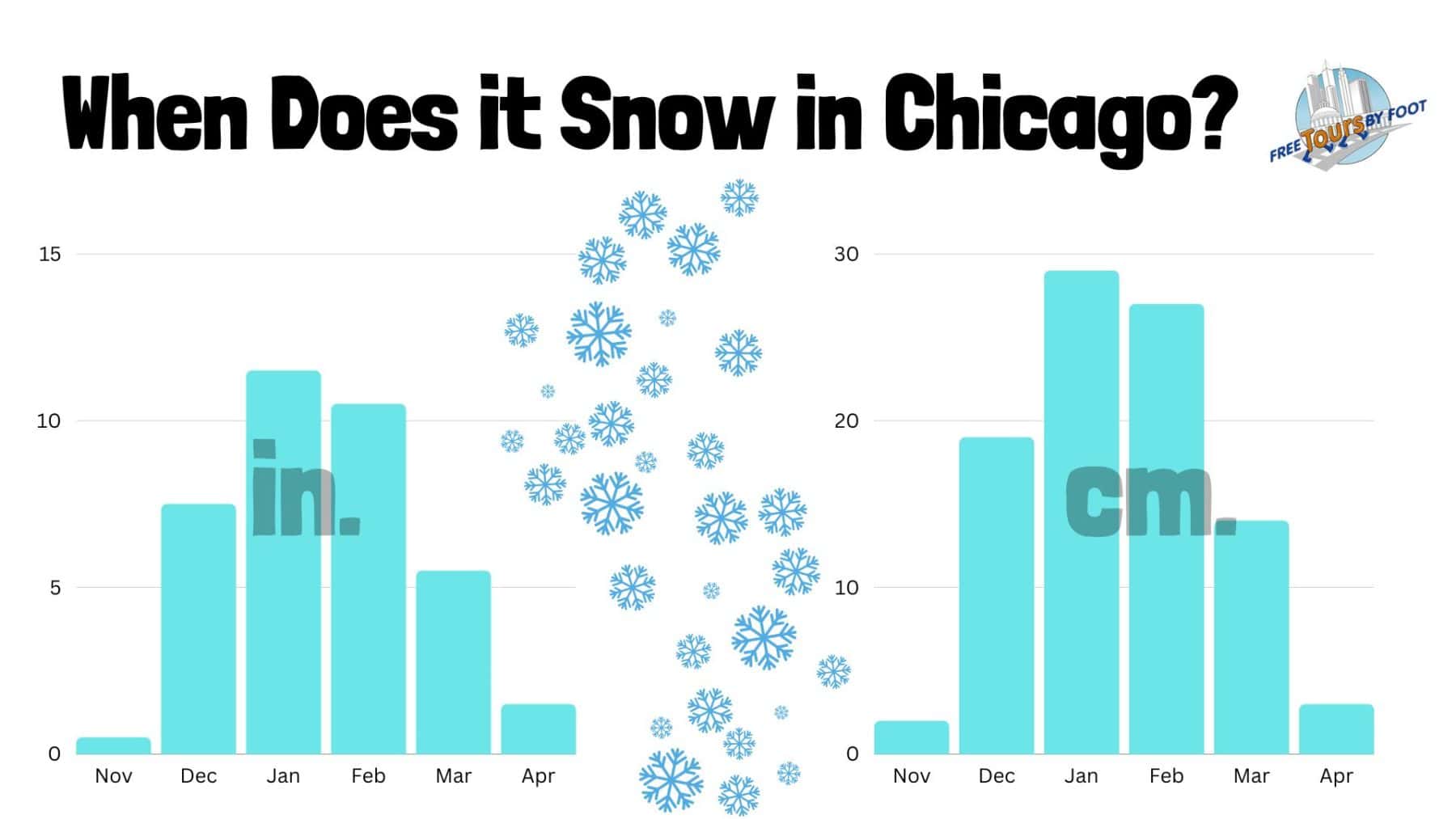
On average, Chicago receives around 36 inches of snow annually. However, this figure is just a guideline, and actual snowfall can deviate substantially. For instance, the record for the snowiest winter in Chicago occurred in the winter of 2013-2014, when the city was buried under an astonishing 82 inches of snow. Conversely, some winters have seen significantly less, closer to the 10-20 inch range. This variability means that planning a trip to Chicago during winter requires flexibility and an awareness that the “average” might not be what you experience.
The timing of snowfall is also a crucial factor. While the first snows can sometimes arrive as early as October or November, the bulk of the winter precipitation typically falls between December and March. February is often the snowiest month, frequently seeing higher accumulations than January. By April, significant snowfall becomes less common, though late-season flurries are not unheard of. This predictable, yet variable, pattern influences everything from the types of activities available to the necessity of booking accommodations that offer warmth and comfort.
Navigating Chicago in the Snow: Travel and Accommodation Tips
The presence of snow in Chicago can profoundly impact travel plans, from how you get around to where you stay. While some might envision a challenging and inconvenient trip, with the right preparation, a snowy visit to the Windy City can be a magical experience, offering unique opportunities for sightseeing and enjoyment.
Transportation and Getting Around
When snow blankets Chicago, the city’s robust public transportation system, the Chicago Transit Authority (CTA), becomes an invaluable asset. The ‘L’ train system, with its elevated tracks, often remains operational even during heavy snowfalls, providing reliable access to various neighborhoods and attractions. Buses, while potentially subject to delays, are also equipped to handle snowy conditions, and the city’s snow plows work diligently to keep roads clear.
However, for those who prefer driving, it’s essential to be prepared for slower speeds and potentially hazardous road conditions. Renting a car with all-wheel drive or snow tires is advisable if you plan on venturing outside the immediate downtown area or embarking on day trips to surrounding suburbs or attractions like the Indiana Dunes National Park. Parking can also be more challenging during snowy periods, with strict street parking rules often in effect to facilitate snow removal. Familiarizing yourself with these regulations beforehand is crucial to avoid tickets or towing.
For shorter distances within the downtown core, walking can still be a viable option, especially on the well-maintained sidewalks of areas like the Magnificent Mile. However, appropriate footwear with good traction is a must. Consider utilizing ride-sharing services or taxis for convenience, especially during periods of heavy snowfall.
Choosing the Right Accommodation
Selecting the right hotel or accommodation can significantly enhance your winter experience in Chicago. Opting for a centrally located hotel, such as those in the Loop or near popular attractions like Millennium Park, means you’ll be closer to many destinations, reducing the need for extensive travel in potentially inclement weather. Many of these hotels offer amenities designed to make your stay comfortable during colder months.
Consider hotels that provide easy access to the ‘L’ train system. For example, a stay at the Palmer House, a Hilton Hotel or the Thompson Chicago puts you within walking distance or a short ride to major transit hubs. Look for features like indoor pools, fitness centers, and on-site dining options, which can be a welcome respite from the cold.
If you’re planning a longer stay or traveling with family, consider serviced apartments or vacation rentals. These often provide more space and the convenience of a kitchen, allowing for more flexibility with meals and a cozier, home-like atmosphere. Websites that offer booking, reviews, and comparison for such accommodation options can be invaluable resources. Some properties might even offer special winter packages, bundling accommodation with activities or dining credits, making your budget travel in Chicago more manageable.
Embracing the Snowy City: Activities and Attractions
Despite the cold, a snowy Chicago transforms into a picturesque wonderland, offering a unique set of activities and making certain attractions even more enchanting. From festive holiday markets to the bracing beauty of its parks, there’s plenty to explore.
Outdoor Adventures and Scenic Views
The snow doesn’t have to keep you indoors. Millennium Park, home to the iconic “Cloud Gate” (affectionately known as “The Bean”), takes on a new dimension when dusted with snow. The surrounding gardens and public art installations are particularly striking against a white backdrop. Nearby, Maggie Daley Park offers a popular ice-skating ribbon, providing a quintessential winter experience with stunning city views. For those seeking more natural beauty, a walk or cross-country ski through Lincoln Park or Jackson Park offers peaceful moments amidst the snow-covered trees and frozen waterways.
The waterfront along Lake Michigan can be dramatically beautiful in winter, with icy formations and the stark contrast of the water against the snow. While boat tours are not operational, a brisk walk along the lakefront path, perhaps near the Navy Pier, can be invigorating. The Shedd Aquarium and the Field Museum, located in the Museum Campus, are excellent indoor options that offer a warm escape from the cold, and their proximity to the lakefront still allows for glimpses of the wintery scenery.

Indoor Culture and Cozy Experiences
For those who prefer to stay warm, Chicago boasts a wealth of indoor attractions. The city’s renowned museums offer endless exploration. The Art Institute of Chicago, with its vast collection, can easily fill a day. The Museum of Science and Industry provides interactive exhibits perfect for all ages, making it an ideal family trip destination.
The performing arts scene in Chicago is vibrant year-round. Catch a Broadway in Chicago show, a performance by the Chicago Symphony Orchestra, or an intimate play at one of the city’s many theaters. The winter months often bring special holiday-themed productions, adding to the festive atmosphere.
Dining in Chicago is a major draw, and winter is no exception. The city’s culinary landscape ranges from Michelin-starred restaurants to cozy neighborhood eateries. Enjoying a hearty deep-dish pizza, warming up with a cup of coffee at a local cafe, or indulging in a fine dining experience can be a perfect way to spend a cold evening. Exploring the diverse food scene is a core part of the tourism experience, and there are countless local culture experiences to be found in its restaurants and bars.
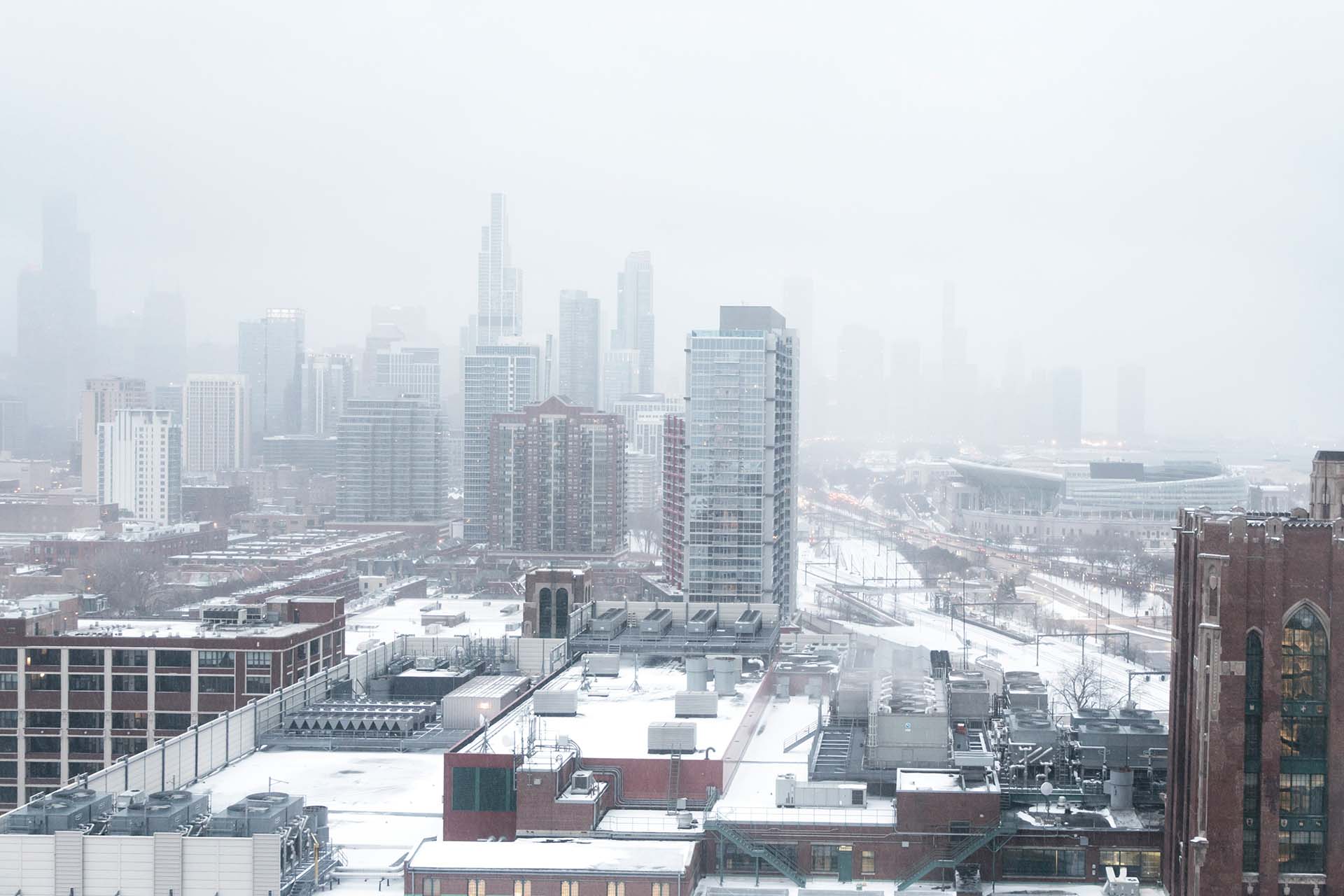
The city’s architecture is a landmark in itself, and a snowy day can offer a unique perspective on its iconic skyscrapers. Consider a guided architectural boat tour on the Chicago River (some operate during milder winter days) or simply admire the glistening buildings from below. The historical significance and beauty of these structures are amplified by a fresh coat of snow, making even a simple stroll a visually rewarding experience.
Ultimately, understanding how much snow Chicago receives is only the first step in planning. It’s about embracing the winter season and discovering the unique charm it brings to this dynamic city. With careful planning and a willingness to adapt, a snowy visit can be an unforgettable chapter in your travel adventures. Whether you are drawn to the allure of luxury travel or seeking budget-friendly escapades, Chicago in winter offers a wealth of experiences waiting to be discovered.
LifeOutOfTheBox is a participant in the Amazon Services LLC Associates Program, an affiliate advertising program designed to provide a means for sites to earn advertising fees by advertising and linking to Amazon.com. Amazon, the Amazon logo, AmazonSupply, and the AmazonSupply logo are trademarks of Amazon.com, Inc. or its affiliates. As an Amazon Associate we earn affiliate commissions from qualifying purchases.