
Florida, the Sunshine State, beckons millions with its sun-drenched beaches, world-class theme parks, vibrant cities, and diverse natural landscapes. Whether you’re planning a relaxing resort getaway, an adventurous exploration of its natural wonders, or a family-centric vacation, understanding the tax implications of your travel and accommodation is crucial for budgeting and avoiding unwelcome surprises. This comprehensive guide delves into what is taxable in Florida, focusing on aspects relevant to travelers and those seeking accommodation within the state.
Florida’s tax structure is a complex interplay of state and local levies, designed to fund essential public services while also contributing to the state’s economic growth. For tourists and visitors, the most commonly encountered taxes are those imposed on goods and services, particularly sales tax and its associated components. Beyond sales tax, other forms of taxation might subtly influence your travel expenses, from lodging to certain recreational activities.
Understanding Florida’s Sales Tax: The Primary Traveler’s Levy
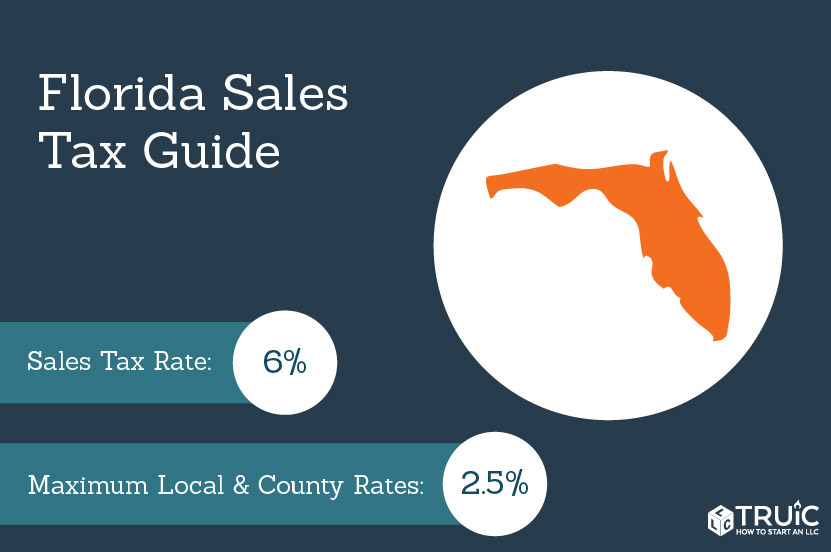
At its core, Florida’s sales tax is the most significant tax consideration for most visitors. This tax is applied to the retail sale of tangible personal property and certain services within the state. The statewide rate is a consistent 6%, but it’s crucial to understand that this is just the foundation.
State and Local Components of Sales Tax
While the state of Florida levies a 6% sales tax, many counties and some municipalities have opted to impose their own local option sales taxes. These additional taxes are added to the state rate, meaning the total sales tax you pay will vary depending on your specific location within Florida. For instance, a purchase made in Miami-Dade County might have a different combined sales tax rate than one made in Orange County, home to many of Orlando’s famous attractions.
This means that while the base rate is uniform, the final price of goods and services, from souvenirs to dining experiences, can fluctuate based on where you are in the state. It’s always a good practice to be aware of the local tax rates when planning your budget for a particular destination.
Taxable Goods and Services
The scope of what is considered taxable under Florida’s sales tax is broad, encompassing most tangible goods purchased at retail. This includes everything from clothing and electronics to books and food items, with some notable exceptions.
Exceptions to Sales Tax on Goods
Florida offers several important exemptions from sales tax that can significantly impact your spending. One of the most significant for travelers and residents alike is the exemption on most unprepared food items, often referred to as “grocery store” food. This means that the groceries you purchase from a supermarket to prepare meals in your vacation rental are generally not subject to sales tax. However, prepared foods, such as those purchased from a restaurant, deli counter, or convenience store, are typically taxable.
Another key exemption pertains to certain essential items. Prescription medications, for example, are exempt from sales tax, as are many over-the-counter drugs when purchased with a prescription. The purchase of seeds and fertilizers used for personal or commercial gardening is also exempt, which might be relevant for those enjoying longer stays or engaging in local experiences that involve agriculture.
Taxable Services
Beyond tangible goods, Florida also imposes sales tax on a range of services. This is where the taxable landscape can become particularly nuanced for travelers. Some of the most common taxable services include:
- Accommodations: This is arguably the most relevant taxable service for visitors. Hotel rooms, motel rooms, vacation rentals, apartments, and other short-term lodging arrangements are subject to sales tax. This tax is often referred to as the “transient rental tax.”
- Admissions: Entrance fees to theme parks, attractions, museums, sporting events, and live performances are typically taxable. This means that tickets to Walt Disney World or a Miami Dolphins game will include sales tax.
- Repair Services: Many tangible personal property repair and maintenance services are taxable. For example, repairing your car or electronic devices.
- Commercial Pest Control Services: If you’re staying in a longer-term rental and need pest control, this service is taxable.
- Rental or Leasing of Tangible Personal Property: Renting items like furniture, equipment, or even certain recreational gear often falls under taxable services.
- Telecommunication Services: While some basic telecommunication services may be exempt, many modern communication services, including cable TV and internet access provided as part of a hotel stay, can be subject to sales tax.
- Commercial Photography and Photo Finishing: If you’re looking to capture professional memories, these services are generally taxable.
- Motor Vehicle Towing and Wrecker Services: Unfortunately, if you experience car trouble, these services will likely include sales tax.
- Building, Construction, and Repair Services: For those undertaking renovations or significant repairs on property, these services are typically taxable.
It’s important to note that the specific details of service taxation can sometimes be complex, with certain professional services or services performed for exempt entities being exceptions.
Tangible Personal Property vs. Services
A fundamental distinction in Florida’s sales tax law is between tangible personal property and services. Generally, the sale of tangible personal property is taxable, and the performance of services is also taxable if the service is specifically enumerated as taxable by law. The state aims to tax consumption, and by broadening the taxable base to include both goods and many services, it captures a wider range of economic activity.
Taxes on Accommodation and Lodging: A Key Traveler Expense
For anyone planning a stay in Florida, the taxes levied on accommodation are a significant part of the overall cost. This category encompasses a variety of lodging options, from luxurious resorts to budget-friendly apartments and private villas.
Transient Rental Tax: Hotels and Motels
When you book a room at a hotel or motel, you will typically be charged a transient rental tax. This tax is a combination of state and local taxes. The state levies a 6% tax on transient rentals, and counties can impose additional discretionary sales surtaxes, often ranging from 1% to 2.5%, depending on the county. Some municipalities may also impose their own tourist development taxes or resort taxes.
These taxes are designed to help fund tourism promotion, infrastructure, and services that directly benefit tourists. So, while it’s an added cost, it contributes to the very infrastructure and attractions that draw visitors to places like Orlando or the Florida Keys.
Vacation Rentals and Short-Term Leases
The taxation of vacation rentals, including houses, apartments, and villas rented for periods of less than six months, mirrors that of hotels and motels. These rentals are subject to the same transient rental taxes. The specific rate will depend on the county and any applicable municipal taxes. Platforms like Airbnb and VRBO typically collect and remit these taxes on behalf of the property owners, but it’s always wise to check the booking details for a clear breakdown.
Longer-term stays, generally defined as six months or more, are typically exempt from these transient rental taxes, as they are no longer considered “transient” accommodations. This distinction can be a significant cost saver for individuals planning extended visits or relocation to Florida.
Timeshares
Timeshare interests are also subject to Florida’s sales and use tax. When you purchase a timeshare interest, you are generally liable for sales tax on the purchase price. The tax rate will be the applicable state and local rates at the time of purchase. Maintenance fees paid for timeshares are generally not subject to sales tax, unless they include the purchase of taxable goods or services.
Other Potential Taxes and Fees for Travelers
While sales tax on goods and services, and specifically the transient rental tax, are the most common, other taxes and fees can sometimes apply to travelers in Florida.
Local Option Tourist Development Taxes
Beyond the standard sales tax, many Florida counties impose additional Tourist Development Taxes (TDT). These taxes are specifically levied on certain goods and services within the county, with a primary focus on the tourism industry. This often includes hotels, motels, vacation rentals, and sometimes even amusements and entertainment. The rates and specific applications of TDTs vary significantly from county to county, so it’s essential to research the specific destination. For example, a county like Lee County, which includes popular destinations like Sanibel Island, might have a different TDT structure than a bustling metropolitan area.
Resort Fees and Other Charges
While not technically a tax, many hotels and resorts charge mandatory “resort fees” or “amenity fees.” These fees are designed to cover the costs of amenities like Wi-Fi, pool access, fitness centers, and other services. While they are not sales tax, they are generally considered taxable income for the hotel and often include the applicable sales tax themselves. It is crucial to read the fine print when booking accommodation to understand all associated charges beyond the base room rate. These fees are a common practice in popular tourist destinations like Key West and many beachfront resorts along the Gulf Coast.
Use Tax
Florida’s use tax is designed to complement the sales tax. It applies to items purchased outside of Florida for use or consumption within Florida on which Florida sales tax was not paid. For example, if you purchase an item online from an out-of-state vendor who does not collect Florida sales tax, you may be liable for Florida’s use tax. This often applies to larger purchases like furniture or electronics brought into the state. However, for most travelers making smaller purchases during their trip, the sales tax they pay at the point of sale is sufficient.
Property Taxes (for Long-Term Stays or Property Owners)
While not directly applicable to short-term travelers, if you are considering a long-term stay or purchasing property in Florida, you will be subject to Florida’s property taxes. These taxes are levied by local governments on real estate and personal property and are used to fund local services like schools, police, and fire departments. Property tax rates vary widely by county and municipality.
In Conclusion:
Navigating the tax landscape in Florida as a traveler primarily involves understanding the state and local sales taxes that apply to goods, services, and most importantly, accommodations. While the Sunshine State offers a wealth of attractions and experiences, from the theme parks of Orlando to the natural beauty of the Everglades and the vibrant nightlife of Miami, being informed about taxation ensures a smoother and more budget-friendly trip. Always factor in the combined sales tax rates for your specific destination, especially when booking hotels and planning expenses for dining and entertainment. By being aware of what is taxable in Florida, you can better plan your finances and fully enjoy your time in this captivating state.
LifeOutOfTheBox is a participant in the Amazon Services LLC Associates Program, an affiliate advertising program designed to provide a means for sites to earn advertising fees by advertising and linking to Amazon.com. Amazon, the Amazon logo, AmazonSupply, and the AmazonSupply logo are trademarks of Amazon.com, Inc. or its affiliates. As an Amazon Associate we earn affiliate commissions from qualifying purchases.