
California, a land of sun-kissed beaches, towering redwoods, and vibrant cities, beckons millions of travelers and dreamers each year. From the iconic glamour of Hollywood to the tranquil vineyards of Napa Valley, the Golden State offers an unparalleled tapestry of experiences. However, whether you’re planning a luxurious escape, considering a long-term stay, or even contemplating a permanent move, understanding the state’s tax landscape is an essential part of effective budgeting and savvy decision-making. Taxes in California can significantly impact your travel expenses, accommodation choices, and overall lifestyle costs. This comprehensive guide will delve into the various state taxes in California, explaining how they might affect your visit, residency, and financial planning, ensuring you can fully embrace the unique charm and endless possibilities this magnificent state offers without any unwelcome surprises.
Navigating California’s Diverse Tax Environment
California’s tax structure is known for its progressive nature and can appear complex at first glance. It encompasses several categories that visitors and residents alike need to be aware of. From what you earn to what you spend and where you stay, various levies contribute to the state’s robust infrastructure and public services. Understanding these foundational taxes is the first step in demystifying the financial aspects of experiencing California.
Income Tax: A Progressive System
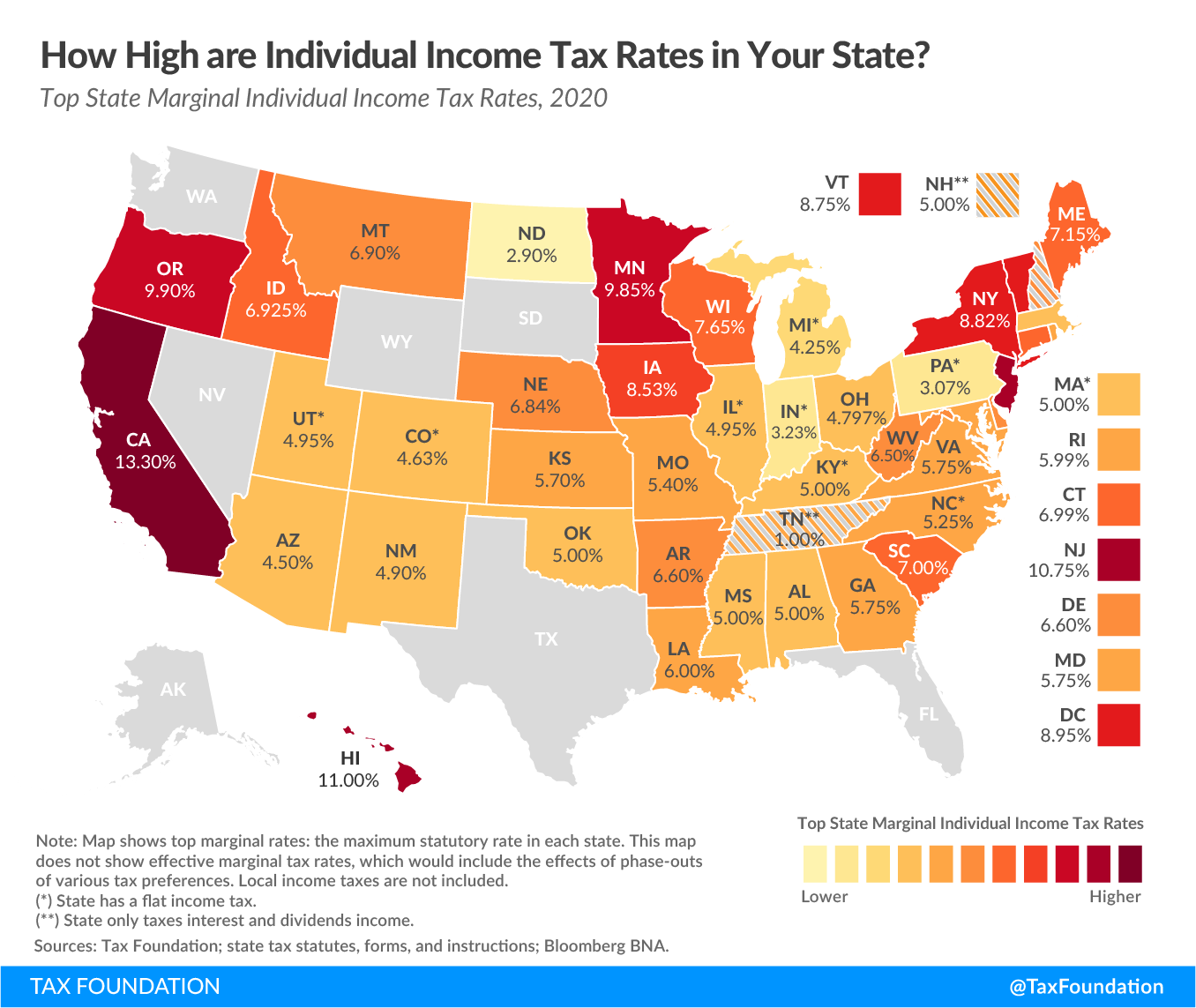
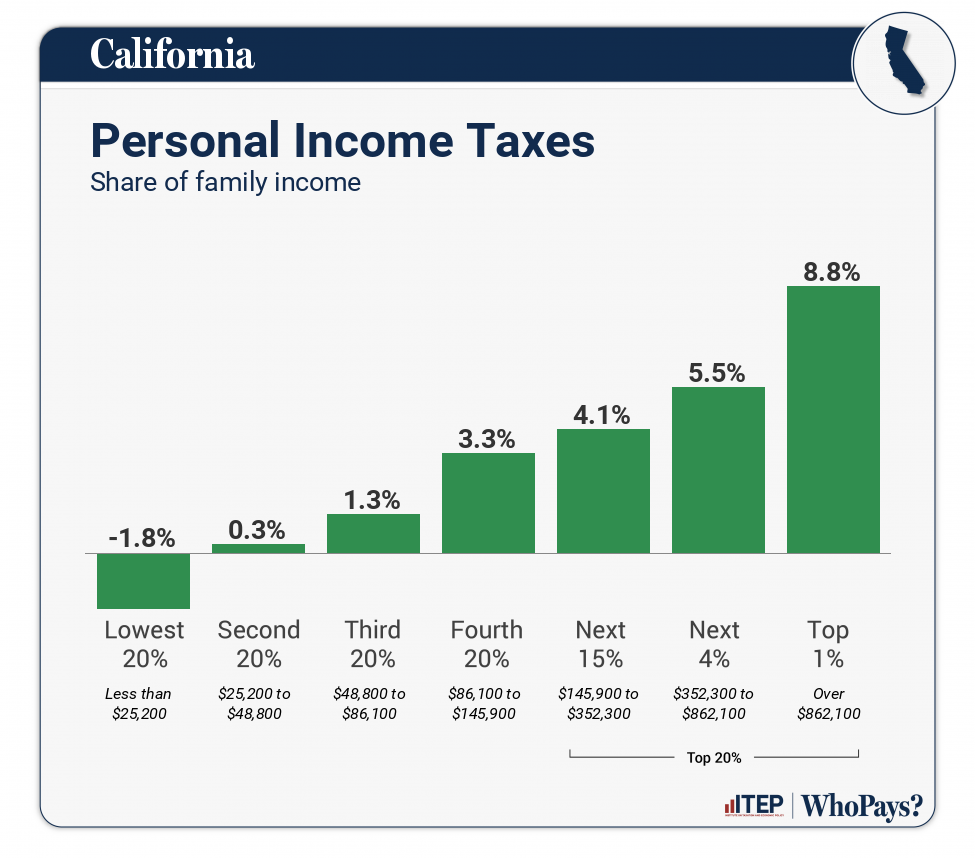
California boasts one of the nation’s most progressive state income tax systems, meaning that individuals with higher incomes pay a larger percentage in taxes. For residents, this is a primary consideration. Tax brackets are adjusted annually, but the rates can range from around 1% for lower incomes to over 13% for the highest earners. This structure significantly impacts those considering a move to California or an extended stay where they might establish residency or earn income within the state.
Even for non-residents, certain types of income sourced within California may be subject to state income tax. This could include income from real estate rentals, business activities, or even significant winnings from lotteries or gaming. While most tourists won’t directly deal with state income tax, those contemplating longer work-related trips or digital nomads earning income while exploring California should be mindful of these rules. The implications for luxury travelers funding their lifestyle or business travelers on extended assignments are particularly noteworthy, as earning substantial income in the state could trigger residency status, bringing the full weight of the tax system to bear. Planning is key to avoid unexpected tax liabilities.
Sales Tax: Impact on Everyday Purchases
The statewide sales tax in California is currently 7.25%. This tax applies to the sale of most tangible goods, from souvenirs purchased in San Francisco’s Fisherman’s Wharf to clothing bought in Beverly Hills, and even prepared food from restaurants. However, this is just the base rate. Many cities and counties impose additional local sales taxes, pushing the combined rate significantly higher in some areas. For instance, a purchase in Los Angeles County might incur a sales tax of 9.5% or more, while in other regions like Sacramento, it could be slightly different.
For tourists, sales tax is an unavoidable part of their travel budget. Every meal out, every gift, and every item of clothing purchased will have this tax added. Budget travelers need to factor this into their daily spending, as these small percentages can add up over the course of a trip. Luxury travelers, while perhaps less sensitive to the percentage, will see the absolute dollar amount of sales tax on high-value purchases become substantial. Understanding these variations helps in budgeting for dining, shopping, and souvenir hunting across different California destinations.
Property Tax: A Consideration for Long-Term Stays and Investments
For those looking beyond a short vacation, perhaps considering a vacation home, an investment property, or even a permanent residence, property taxes are a crucial element. California’s property tax system is heavily influenced by Proposition 13, a landmark ballot initiative passed in 1978. This proposition limits the annual increase in assessed property value to a maximum of 2% per year and caps the basic property tax rate at 1% of the property’s assessed value. However, additional local levies for bonds and special assessments can increase the effective rate.
While Proposition 13 generally keeps annual tax increases low for existing homeowners, properties are reassessed at their current market value when they are sold. This means a new buyer will face property taxes based on the purchase price. Given California’s high real estate values, especially in sought-after areas like Santa Monica, San Diego, or around Lake Tahoe, annual property tax bills can still be substantial. This is a vital calculation for anyone planning a long-term stay, investing in vacation rentals, or contemplating retirement in the Golden State. It directly impacts the overall cost of ownership and the financial viability of a lifestyle centered around California real estate.
The Direct Impact on Your California Travel Experience
Taxes are not just an abstract concept; they are a tangible component of almost every aspect of your travel budget. From where you lay your head at night to how you get around and what culinary delights you sample, understanding the specific taxes related to tourism can significantly enhance your financial planning and allow for a smoother, more enjoyable trip.
Accommodation Taxes: Hotel, Motel, and Short-Term Rental Levies
One of the most significant taxes for any traveler is the Transient Occupancy Tax (TOT), often referred to as the hotel tax. This tax is levied by cities and counties on the rental of hotel rooms, motels, and increasingly, short-term vacation rentals through platforms like Airbnb and VRBO. The TOT rates vary dramatically across California. For example:
- San Francisco has a TOT rate of 14%, plus additional assessments that can push the total to over 16%. This significantly increases the cost of already pricey San Francisco hotels.
- Los Angeles has a TOT of 12-14% depending on the specific city within Los Angeles County.
- Anaheim, home to Disneyland, typically has a TOT around 15-17%, adding a considerable amount to family vacation budgets.
- Smaller towns and less-trafficked areas might have lower rates, sometimes closer to 8-10%.
These taxes are applied on top of the nightly room rate, and can easily add hundreds of dollars to the total cost of a week-long stay, especially in high-end resorts or luxury suites. When comparing accommodation options, it’s crucial to look at the “all-in” price, including taxes and resort fees, to get an accurate picture of your expense. This is particularly important for budget-conscious travelers or those planning extended stays in one location, where the cumulative impact of these taxes can be substantial. For boutique hotels or unique apartments found through accommodation platforms, confirm if the listed price includes all taxes or if they are added at checkout.
Dining, Entertainment, and Attractions: The Role of Sales and Excise Taxes
Beyond accommodation, sales tax directly impacts your dining and entertainment budget. Every restaurant meal, coffee, or snack from a convenience store will have the local sales tax applied. For travelers passionate about California’s food scene, this is a daily consideration. Tipping culture in the United States also means you’re generally tipping on the pre-tax amount, but the total bill will still be higher.
Many popular attractions and entertainment venues also include sales tax on ticket prices, or specific excise taxes may be levied on certain activities. While individual ticket prices might not seem to dramatically increase with a 7-10% sales tax, when you’re visiting multiple theme parks, museums like the Getty Center in Los Angeles, or events in Balboa Park in San Diego, the cumulative effect can be significant. This makes budgeting for family trips, particularly to places like Disneyland or the San Diego Zoo, even more critical.
Transportation Costs: Fuel and Rental Car Taxes
If your California adventure involves exploring vast landscapes, a rental car is often essential. California has some of the highest gasoline prices in the United States, partly due to high state fuel taxes and environmental regulations. This means your road trip budget needs to account for substantially higher fuel costs compared to other states.
Furthermore, renting a car in California typically involves various fees and taxes beyond the base rental rate. These can include:
- Sales Tax: Applied to the rental fee.
- Tourism Fees: Often a percentage or flat daily fee designated to support local tourism infrastructure.
- Vehicle License Recovery Fees: To cover the rental company’s costs of registering and licensing vehicles.
- Airport Concession Fees: If picking up at major airports like LAX or SFO.
These additional charges can easily add 15-30% to the quoted daily rental rate, turning what seemed like a budget-friendly option into a more significant expense. For travelers planning to traverse scenic routes, visit national parks, or embark on a multi-city tour from San Diego to Napa Valley, factoring in these hidden transportation costs is paramount.
Long-Term Living and Lifestyle: Beyond Tourist Taxes
For those whose connection to California extends beyond a mere vacation — perhaps as remote workers, retirees, or individuals seeking a new chapter — the full breadth of the state’s tax system comes into play. The lifestyle implications of California’s taxes are profound and can dramatically shape financial planning and daily living.
Residency and Its Tax Implications
Establishing residency in California triggers the full application of its income tax laws. The state has stringent rules for determining residency, often looking at factors like where you primarily live, where your bank accounts are, your voter registration, and even where your car is registered. For remote workers, this can be particularly complex; even if your employer is in another state, if you reside in California for more than a temporary period, your worldwide income can be subject to California income tax.
Understanding these rules is vital for digital nomads, individuals considering a “try before you buy” extended stay, or those with significant passive income. The high cost of living, combined with the progressive income tax rates, means that financial planning and professional tax advice are often necessary to ensure a comfortable and sustainable lifestyle in the state. For those accustomed to lower tax burdens in other states or countries, the adjustment can be substantial, especially when considering the amenities and experiences of a luxury lifestyle in places like Palm Springs or Beverly Hills.
The Overall Cost of Living in California
While this article focuses on taxes, it’s impossible to discuss the financial aspects of California without acknowledging its notoriously high cost of living. Housing costs, whether renting an apartment in San Francisco or purchasing a villa overlooking the Pacific, are significantly higher than the national average. Utility costs, groceries, and even healthcare can also be more expensive.
When combined with the various state and local taxes, the total financial outlay for a California lifestyle becomes a significant consideration. Budgeting for a family, an entrepreneur, or a retiree must take into account not just the visible price tags, but also the invisible hand of taxation that touches nearly every financial transaction. For those seeking a vibrant urban lifestyle or access to unparalleled natural beauty, the trade-off is often worth it, but only with thorough preparation and realistic financial expectations.
Planning Your Visit: Smart Budgeting Across California’s Iconic Destinations
Effective budgeting in California means anticipating how taxes will vary across its diverse regions and adapting your plans accordingly. Each major tourist hub and scenic escape has its own unique financial landscape.
Major Metropolitan Areas and Their Tax Nuances
- Los Angeles (and Surrounding Cities): The sprawling metropolis of Los Angeles County presents a mosaic of tax rates. While the base sales tax is consistent, hotel taxes can differ slightly from Santa Monica to Beverly Hills to downtown LA. When planning a trip that might include Disneyland in Anaheim and attractions in Hollywood, be aware of the distinct local taxes that will impact your hotel stays and purchases.
- San Francisco: As noted, San Francisco has one of the highest hotel taxes in the state, making accommodation a significant expense. When visiting landmarks like the Golden Gate Bridge or taking a ferry to Alcatraz, factor in the higher sales tax for dining and souvenirs. Choosing hotels or suites slightly outside the immediate downtown area might offer marginal savings, but transportation costs must then be considered.
- San Diego: With its laid-back vibe and family-friendly attractions like the San Diego Zoo and Balboa Park, San Diego offers a diverse range of experiences. Hotel taxes here are generally in line with other major cities, around 10.5-12.5%, plus additional assessments for specific districts. Budgeting for multiple attractions and dining out will require accounting for the combined sales and local taxes.
Beyond the Cities: Regional Tax Considerations
Even in California’s stunning natural and recreational areas, taxes play a role:
- Napa Valley and Wine Country: While the charm of Napa Valley’s resorts and Michelin-starred restaurants is undeniable, visitors should expect higher sales taxes on wine purchases and dining, along with typical hotel occupancy taxes. The luxury experience here is complemented by a corresponding tax structure.
- Lake Tahoe Region: Whether you’re staying on the California or Nevada side, taxes on accommodation and goods will apply. California’s portion of Lake Tahoe will follow state rules for sales and hotel taxes, which might differ from the Nevada side where sales tax is generally lower and income tax non-existent, impacting choices for long-term stays or real estate.
- Palm Springs and the Deserts: A popular destination for wellness travel and resort stays, Palm Springs levies a TOT around 11.5%, plus other district assessments. Its appeal for both luxury travel and longer seasonal stays makes understanding these taxes crucial for budget planning.
In conclusion, understanding “how much state tax California?” is far more than just knowing a percentage; it’s about appreciating the multifaceted nature of its tax system and how it intertwines with every aspect of your experience in the state. From the moment you book your hotel to the last souvenir you buy, taxes are a part of the California journey. By doing your homework and factoring these costs into your budget, whether you’re embarking on a whirlwind tourism adventure or planting roots for a new lifestyle, you can navigate the Golden State’s financial landscape with confidence and ensure your focus remains on creating unforgettable memories. California offers an incredible array of destinations, attractions, and experiences, and being financially prepared is the key to enjoying them all to the fullest.
LifeOutOfTheBox is a participant in the Amazon Services LLC Associates Program, an affiliate advertising program designed to provide a means for sites to earn advertising fees by advertising and linking to Amazon.com. Amazon, the Amazon logo, AmazonSupply, and the AmazonSupply logo are trademarks of Amazon.com, Inc. or its affiliates. As an Amazon Associate we earn affiliate commissions from qualifying purchases.