
The Lifestyle Impact of Your California Bonus
Receiving a bonus can be an exciting development, offering a significant boost to your financial resources and opening doors to enhanced lifestyle choices. Whether you envision a luxurious getaway, a significant investment, or simply bolstering your savings, understanding the true net value of your bonus is paramount. In California, a state known for its dynamic economy and unique tax landscape, a bonus is not simply added to your regular earnings and taxed in the same straightforward manner. Instead, it falls under specific rules for supplemental wages, which can significantly alter the amount that actually lands in your bank account. The gross figure on your bonus letter is rarely the final sum you’ll have available for planning that luxury travel experience or investing in a new passion.
Beyond the Gross Figure: What You Really Get
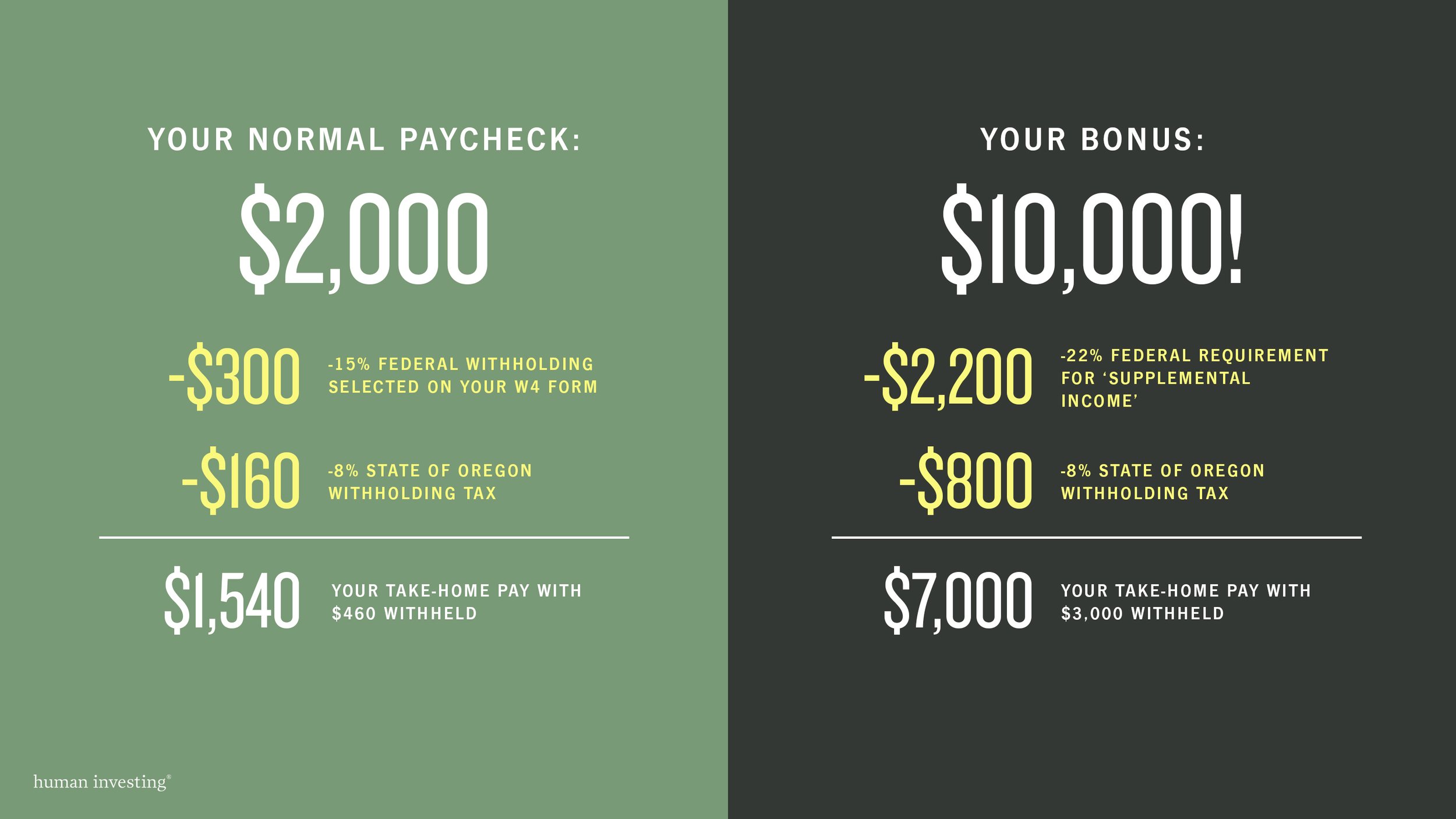
Many individuals are surprised to find a substantial portion of their bonus withheld for taxes, leading to a net amount far less than anticipated. This immediate reduction can disrupt financial plans if not properly understood and accounted for. While a bonus represents recognition for your hard work and contribution, treating it as a direct injection of cash without considering the tax implications is a common misstep. The way bonuses are taxed, both at federal and state levels, involves specific withholding methods that differ from your regular paycheck. This distinction is critical because it dictates how much discretionary income you actually gain, directly influencing your ability to fund desired lifestyle enhancements, manage significant expenses, or even plan for future financial security. A clear grasp of these mechanisms allows you to set realistic expectations and make informed decisions, transforming a potential surprise into a well-managed financial asset.
Financial Planning for Desired Lifestyle Goals
Effective financial planning is the cornerstone of achieving a desired lifestyle, and a bonus presents a unique opportunity to accelerate these goals. Imagine planning a dream family trip to Disneyland or exploring a new country through budget travel; the funds from a bonus can make these aspirations tangible. However, without knowing the true net amount, budgeting becomes speculative. Understanding the tax deductions applied to your bonus allows you to precisely allocate funds towards these objectives. It also helps in deciding whether to use the bonus for immediate gratification, like a spontaneous shopping spree, or for long-term investments, such as contributing to a retirement fund, paying down high-interest debt, or making a down payment on a home. The strategic management of bonus income directly correlates with your financial well-being and your capacity to live the life you envision, unburdened by unexpected tax liabilities.
Federal Tax Rules: The Foundation of Your Bonus’s Net Value
When you receive a bonus in California, it’s first subjected to federal tax rules before state-specific deductions come into play. The Internal Revenue Service (IRS) classifies bonuses as supplemental wages, which are income payments that are not part of an employee’s regular wages. This classification is key because it influences the withholding method employers use. Unlike regular wages, which are typically subject to withholding based on your W-4 elections and annualized income, supplemental wages have specific guidelines that can result in a seemingly higher initial withholding rate. This federal baseline is the first major determinant of how much of your bonus you ultimately retain for your lifestyle goals, from luxury travel to significant investments.
Understanding Supplemental Wages and Withholding
The IRS provides employers with two primary methods for withholding federal income tax on supplemental wages: the percentage method and the aggregation method. The method chosen largely depends on the bonus amount and whether it’s paid with regular wages or separately. Under the percentage method, which is commonly used for bonuses under $1 million paid separately from regular wages, a flat 22% rate is applied. This means that a significant portion of your bonus is immediately withheld for federal income tax. For bonuses over $1 million, the mandatory withholding rate rises to 37%. If the bonus is paid with regular wages and isn’t separately identified, the employer might aggregate it with regular pay and calculate withholding based on the employee’s W-4. However, the flat 22% method is frequently observed, often leading to the perception that bonuses are taxed “more heavily” than regular pay. In reality, this is just a withholding rate; your actual tax liability is determined when you file your annual tax return. Understanding this distinction is crucial for managing your finances, as it helps you anticipate the cash flow for immediate lifestyle expenditures or savings.
The 22% Flat Rate and Other Federal Deductions

Beyond the federal income tax withholding, your bonus is also subject to other federal deductions that impact its net value. These include Social Security and Medicare taxes, collectively known as Federal Insurance Contributions Act (FICA) taxes. As of the current tax year, the Social Security tax rate is 6.2% for both the employee and employer, up to an annual wage base limit, while the Medicare tax rate is 1.45% for both parties, with no wage base limit. Additionally, high-income earners may be subject to an Additional Medicare Tax of 0.9% on earnings above a certain threshold. These FICA taxes apply to your bonus just as they do to your regular wages. While Federal Unemployment Tax Act (FUTA) taxes are primarily an employer cost, understanding the cumulative impact of federal withholdings – income tax, Social Security, and Medicare – is essential. These deductions directly reduce the usable amount of your bonus, shaping what you can allocate towards, for example, a new investment property in California or a long-planned sabbatical. Knowing these figures empowers you to adjust your financial expectations and plan for a more realistic net bonus that truly contributes to your desired lifestyle.
California State Taxation: Navigating the Golden State’s Specifics
After federal taxes are accounted for, your bonus in California then faces state-specific taxation, which can be considerably complex. The Golden State has its own set of rules for supplemental wages, adding another layer to the calculation of your net bonus. California is known for its progressive income tax system, meaning higher earners pay a larger percentage of their income in taxes, with some of the highest marginal tax rates in the nation. This progressive structure means that a substantial bonus could potentially push your annual income into a higher tax bracket, impacting not only the bonus itself but also your overall tax liability for the year. Navigating these state specifics is vital for any California resident looking to maximize their bonus for significant lifestyle choices, from funding a startup to purchasing a dream vehicle.
Supplemental Wage Withholding in California
Similar to the federal approach, California has specific guidelines for withholding state income tax on supplemental wages. For bonuses, commissions, and other non-regular payments, employers typically use a flat withholding rate or an aggregate method. As of recent guidelines, the flat withholding rate for supplemental wages in California is often around 6.6% to 10.2%, depending on the payment amount and if it is combined with regular wages. The Employment Development Department (EDD) provides specific tables and rules for employers to follow. If the employer uses the aggregate method, they combine the bonus with regular wages and calculate withholding based on the employee’s W-4 and the standard tax tables. However, the flat rate is commonly applied for distinct bonus payments, similar to the federal 22% rule. It’s important to remember that this withholding is an estimate of your tax liability. While it reduces your immediate take-home bonus, your actual state tax will be calculated when you file your California tax return, taking into account all income, deductions, and credits. Understanding this immediate reduction helps in forecasting the actual funds available for that envisioned business stay or personal investment.
Marginal Tax Brackets and Bonus Implications
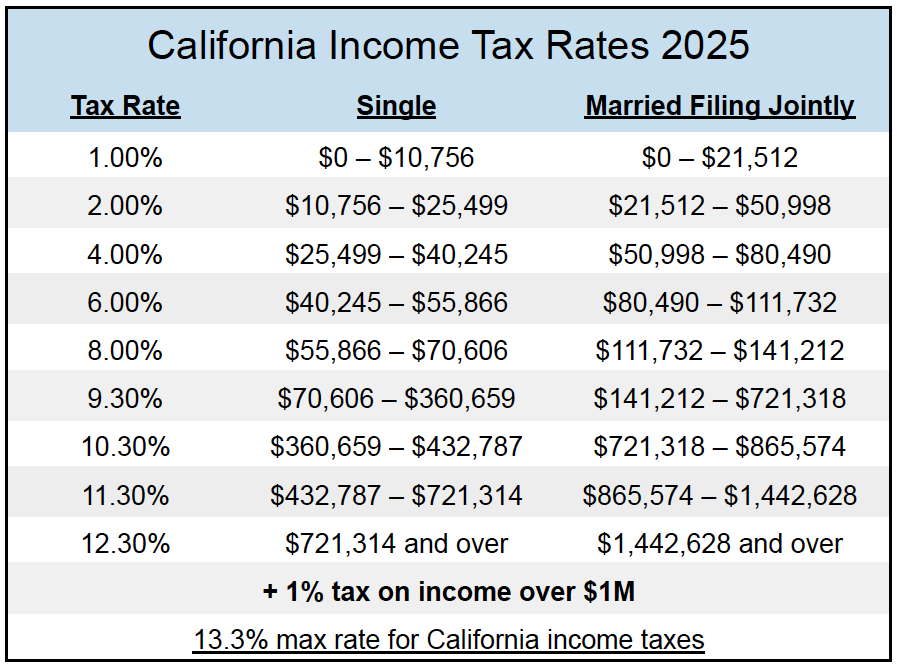
California’s progressive income tax system means that your marginal tax rate increases as your income rises. A significant bonus, even if withheld at a flat rate, adds to your total annual income, potentially pushing you into a higher marginal tax bracket for part of your earnings. While the entire bonus isn’t taxed at the highest marginal rate, the portion that falls into the next bracket will be. For example, if your regular salary already places you near the top of one bracket, a bonus could push you into the next, higher bracket, meaning that the final tax owed on that bonus portion will be higher than the initial flat withholding rate. This phenomenon often leads to individuals owing additional taxes at the end of the year if their withholdings didn’t fully cover their actual tax liability. This scenario underscores the importance of proactive financial planning. Consulting with a financial advisor can help you understand how a bonus might affect your overall state tax burden and strategize on ways to mitigate this impact, ensuring that your net bonus truly contributes to your desired lifestyle without unexpected tax bills.
Strategic Planning for a Wealthier Lifestyle
Receiving a bonus is an opportune moment to elevate your financial planning and secure a wealthier lifestyle. Instead of viewing the bonus as a fleeting windfall, consider it a strategic asset that, when managed thoughtfully, can significantly advance your personal and financial goals. From enhancing your travel experiences to making substantial investments, the effective utilization of your net bonus is a key component of a robust financial strategy. Understanding the tax implications is the first step; the next is proactively planning how to leverage the remaining funds to benefit your long-term lifestyle aspirations.
Maximizing Your Net Bonus for Luxury Travel or Significant Investments
Once you understand the federal and California tax implications, you can begin to make informed decisions about your net bonus. For many, a bonus presents the chance to fund experiences that might otherwise be out of reach, such as an extravagant luxury travel adventure or a high-value family trip. Others might see it as an opportunity for significant investments, whether in real estate, the stock market, or even personal development courses that enhance career prospects. Consider allocating a portion of your bonus to a high-yield savings account or a brokerage account, allowing it to grow over time. If you have high-interest debt, using part of your bonus to pay it down can be a financially savvy move, freeing up future cash flow for more enjoyable lifestyle choices. For those focused on long-term security, increasing contributions to a 401(k) or IRA with your bonus can provide tax advantages while bolstering your retirement savings. The key is to have a clear financial roadmap that aligns with your lifestyle ambitions, ensuring your bonus serves as a catalyst, not just a temporary boost.
The Role of a Financial Advisor in Bonus Management
Given the complexities of federal and California tax laws, especially concerning supplemental wages, consulting a qualified financial advisor can be an invaluable step in optimizing your bonus. An advisor can help you assess your current financial situation, understand how a bonus will impact your overall tax liability, and devise a personalized strategy for its allocation. They can offer insights into various investment vehicles, retirement planning, debt management, and tax-efficient strategies tailored to your specific goals, whether those involve funding a child’s education, purchasing a second home, or planning for a robust retirement. A financial advisor can also help you determine if your bonus withholdings were accurate or if you should adjust future withholdings or make estimated tax payments to avoid surprises during tax season. Proactive consultation ensures that your bonus contributes meaningfully to your desired lifestyle, providing peace of mind and accelerating your journey toward financial freedom and fulfillment in the vibrant landscape of California.
LifeOutOfTheBox is a participant in the Amazon Services LLC Associates Program, an affiliate advertising program designed to provide a means for sites to earn advertising fees by advertising and linking to Amazon.com. Amazon, the Amazon logo, AmazonSupply, and the AmazonSupply logo are trademarks of Amazon.com, Inc. or its affiliates. As an Amazon Associate we earn affiliate commissions from qualifying purchases.