
Planning a trip to Los Angeles requires more than just booking a flight and reserving a hotel room. For travelers and potential long-term visitors alike, understanding the local tax landscape is essential for budget management. Whether you are grabbing a quick meal in Hollywood, shopping on Rodeo Drive, or staying at a luxury property in Beverly Hills, the final cost at the register often feels higher than the sticker price. This is due to a combination of state, county, and local city taxes that define the financial experience of visiting the United States.
Understanding Sales Tax and Its Impact on Your Budget
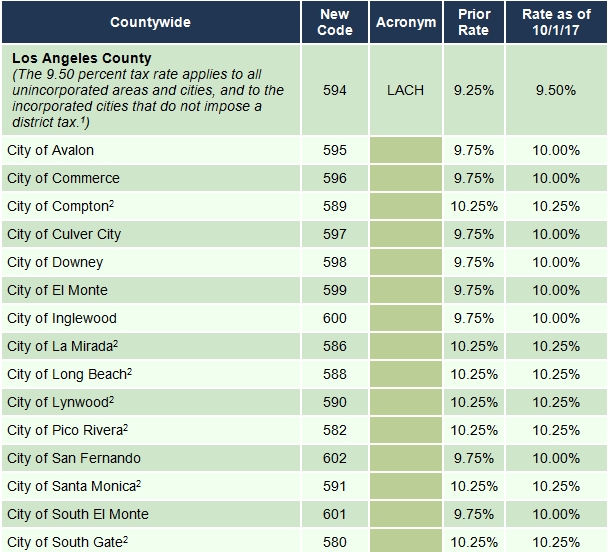
In Los Angeles County, the sales tax rate is a cumulative figure that catches many visitors off guard. The base sales tax for the state of California provides a starting point, but individual cities add district taxes to fund public transport, local infrastructure, and special projects.
The Breakdown of Retail Costs
When you purchase souvenirs at Santa Monica Pier or shop for apparel at the The Grove, you are generally subject to a sales tax rate that fluctuates around 9.5% to 10.25%, depending on the specific municipality. Because these taxes are collected at the point of sale, they are not included in the displayed price tags on items. If you are planning a significant shopping trip or budgeting for your daily expenses, it is wise to calculate an additional 10% on top of your intended spend to avoid exceeding your financial limits.
Impact on Dining and Beverages
Dining in Los Angeles is a highlight for most travelers, but it is important to remember that sales tax applies to all prepared foods. Whether you are enjoying a high-end dinner in Downtown Los Angeles or grabbing a taco from a street vendor, the tax is applied to the total bill before any gratuity. While service charges are sometimes added to large groups, standard tax remains a consistent percentage of the subtotal of your meal.
Lodging Taxes: What to Expect When Checking In
The most significant tax impact for any traveler in California is usually found in the hotel bill. Unlike retail sales tax, lodging taxes—often referred to as the Transient Occupancy Tax (TOT)—are levied specifically on short-term rentals and hotel accommodations.
Transient Occupancy Tax (TOT) Explained
When you book a stay at The Beverly Hilton or a boutique property in West Hollywood, you will notice several extra lines on your final receipt. The TOT is a tax charged by the city where the hotel is located. In Los Angeles, this rate typically falls between 14% and 16%, depending on the specific jurisdiction. This tax is used by the city to support tourism services, convention centers, and local beautification projects.
Additional Fees and Assessments
Beyond the standard TOT, many hotels in the Los Angeles area apply additional assessments. These might include:
- Tourism Business Improvement District (TBID) Fees: A small percentage added to support local marketing efforts.
- Resort Fees: While not a tax, these are often mandatory surcharges at places like Shutters on the Beach that are also subject to standard sales and occupancy taxes.
- Parking Taxes: If you are renting a car or utilizing valet services at a property like The Peninsula Beverly Hills, keep in mind that parking charges in the city are often subject to a separate parking tax, which can be as high as 10% to 18% in some areas.
Navigating Taxes on Entertainment and Services
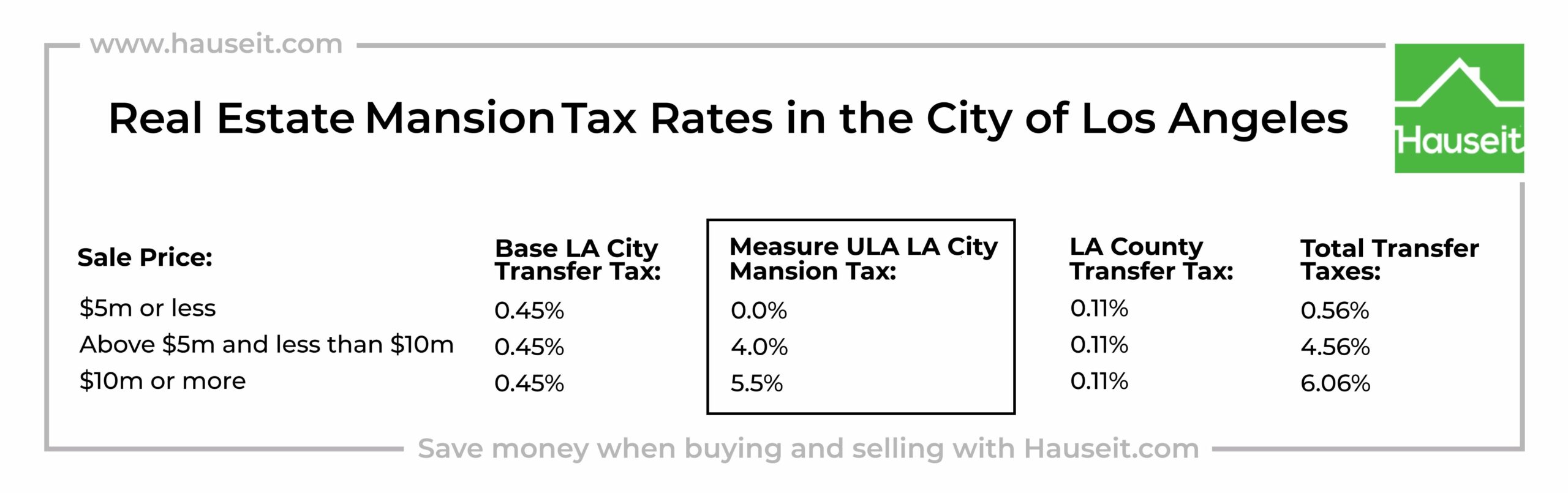
Los Angeles is a global hub for entertainment, and the taxes associated with these activities can be complex. Understanding where your money goes can help you decide how to prioritize your travel budget.
Theme Parks and Attractions
If you are visiting Universal Studios Hollywood or planning a day at a professional sporting event at Crypto.com Arena, ticket prices often include hidden tax components. Entertainment taxes in California are often bundled into the ticket price, but they contribute to a significant portion of the total cost. When browsing prices on official websites, always proceed to the final checkout screen to see the “taxes and fees” breakdown before finalizing your transaction.
Vehicle Rentals and Transportation
Renting a car in Los Angeles involves a unique set of taxes and surcharges. In addition to the base rental fee, you will encounter:
- Airport Concession Fee: Charged if you pick up your vehicle at Los Angeles International Airport.
- State Licensing Fees: A mandatory tax to cover the registration and administrative costs of the vehicle.
- Local Taxes: Similar to other goods, these are applied to the rental service fee.
Because these add up quickly, renting a car can often cost 20–30% more than the advertised daily rate. Travelers might consider the trade-off between the flexibility of a rental and the potential savings of using public transit or ride-sharing apps, which also include local taxes and booking fees.
Tips for Managing Travel Costs in California
To minimize the “tax shock” when arriving in Southern California, there are several strategies you can employ to keep your trip within budget.
Budgeting for the “Hidden” 15-20%
As a general rule of thumb, add a 20% cushion to your total estimated travel budget. This covers the combined weight of sales tax on goods, occupancy taxes on lodging, and the inevitable service fees associated with tourism in a major metropolitan area. By mentally setting this money aside, you avoid the anxiety of seeing a much larger final bill than you anticipated.
Utilize Tax-Free or Discounted Opportunities
While sales tax is largely unavoidable, you can manage your spending by identifying which activities are more tax-efficient. For example:
- Free Cultural Landmarks: Visiting Griffith Observatory or walking through The Getty Center requires no admission tax, allowing you to enjoy world-class experiences while avoiding the extra layers of taxation found at private venues.
- Dining Away from Tourist Hubs: While eating on the Santa Monica Pier is quintessential, local restaurants in neighborhoods slightly further inland may have lower base prices, even if the tax rate remains similar, resulting in a lower overall tax dollar amount paid.
Reviewing Your Invoices
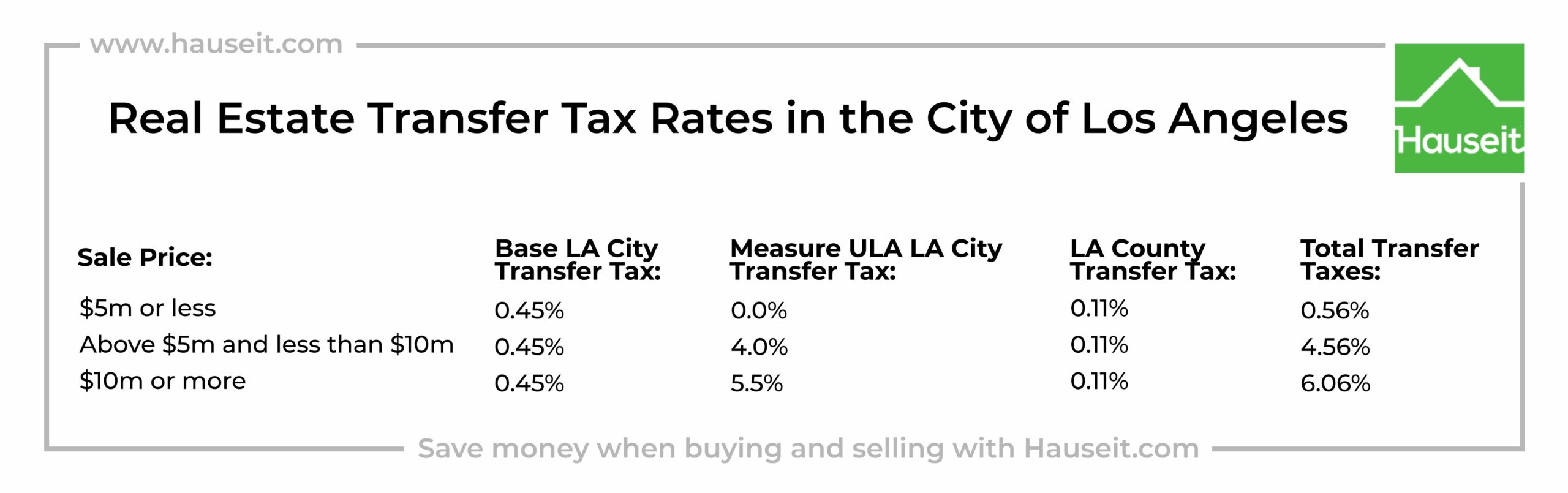
Never hesitate to review your hotel or restaurant bill before paying. While taxes in Los Angeles are non-negotiable, clerical errors happen. Ensure that the tax applied corresponds to the tax rates for that specific city. If you feel a charge is incorrect or mislabeled, a polite inquiry to the hotel management or your server is a standard practice in the hospitality industry.
Understanding the tax structure in Los Angeles is not just about fiscal responsibility—it is about empowering yourself to have a seamless and stress-free vacation. By recognizing that the price tag is merely the beginning of the transaction, you can better plan your itinerary, choose your accommodations wisely, and focus on what truly matters: experiencing the vibrant culture and landscape of this iconic West Coast destination.
LifeOutOfTheBox is a participant in the Amazon Services LLC Associates Program, an affiliate advertising program designed to provide a means for sites to earn advertising fees by advertising and linking to Amazon.com. Amazon, the Amazon logo, AmazonSupply, and the AmazonSupply logo are trademarks of Amazon.com, Inc. or its affiliates. As an Amazon Associate we earn affiliate commissions from qualifying purchases.