
Deep in the heart of the “Cajun Bayou Country,” Houma stands as a vibrant testament to the unique cultural tapestry of Louisiana. Often referred to as the gateway to the world-famous Gulf of Mexico wetlands, this city offers an immersive experience that blends history, hospitality, and an unmistakable zest for life. Whether you are charting a course through the winding waterways or diving into the local culinary scene, understanding the geography and soul of this region is the first step toward a memorable trip.
Mapping the Bayou: Geography and Location
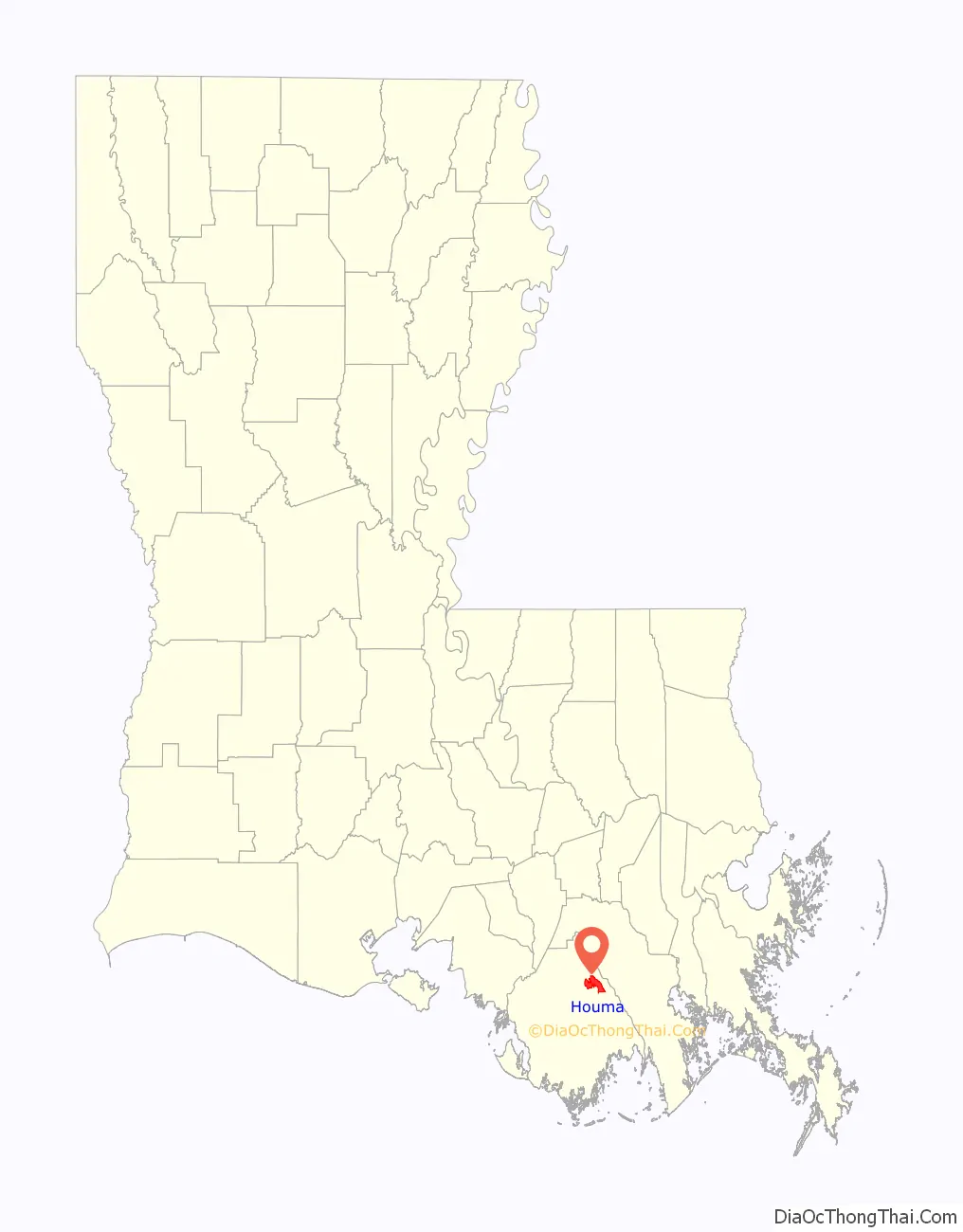
Situated in the southeastern portion of the United States, Houma serves as the parish seat of Terrebonne Parish. If you are navigating by map, you will find it positioned approximately 55 miles southwest of New Orleans. Its proximity to major coastal arteries makes it a pivotal hub for both commercial enterprise and leisure travel.
Reaching the Heart of Cajun Country
Travelers primarily arrive via Louis Armstrong New Orleans International Airport. From the airport, a scenic drive along Highway 90 takes you through a landscape that gradually shifts from urban centers to lush, emerald marshlands. As you traverse the low-lying plains of the Mississippi River Delta, you are entering a region defined by its relationship with water. The city itself is interconnected by a series of bayous—the Bayou Terrebonne and Bayou Lafourche being among the most prominent—which have historically dictated the layout and development of the city.
The Significance of the Coastal Plain
The geography of Houma is inextricably linked to the Atchafalaya Basin. This proximity offers more than just a picturesque view; it provides a direct line to some of the most productive fishing grounds in the Americas. For the traveler, this means that the city is less of a destination and more of a starting point for exploring the delicate ecosystems of the Louisiana Wetlands.
The Culture of the Bayou: Why Location Matters
The soul of Houma is its people. As a center of the Cajun and Creole cultures, the city functions as a living museum. Unlike the bustling tourist corridors of New Orleans, the experience here is intimate, personal, and profoundly connected to the rhythms of the earth and the tides.
Traditions Born from Isolation
Historically, the isolation of the bayou allowed specific cultural practices to flourish, undisturbed by outside influences for decades. Music, language, and craftsmanship have been passed down through generations. Visitors are often encouraged to explore the Folklife Culture Center, where the preservation of the French Acadian heritage remains a top priority. When you walk through the streets, you aren’t just visiting a town; you are stepping into a community that celebrates its history through festivals, music jams, and communal dining.

Culinary Landmarks
You cannot discuss the geography of Houma without addressing the plate. The local food scene is a direct result of the surrounding environment. Because the city is located near the Gulf Coast, the bounty of the ocean—shrimp, crab, oysters, and crawfish—defines the daily menu. Visiting local institutions like Cristiano’s Ristorante or smaller, hole-in-the-wall seafood shacks allows travelers to taste the terroir of the bayou. The integration of Cajun spices with fresh, local ingredients has made this region a culinary pilgrimage site for food enthusiasts from across the globe.
Adventures in the Great Outdoors
Houma is synonymous with swamp tours and water activities. Its location at the confluence of several bayous provides an unmatched advantage for those looking to experience nature in its rawest form.
Navigating the Swamp
The primary activity for any visitor is to board a flat-bottomed boat and head into the wild. Numerous operators offer guided tours through the Cajun Country Swamp, where the Spanish moss drapes over centuries-old cypress trees. These tours are not merely for sightseeing; they are educational experiences that highlight the importance of the Coastal Restoration efforts currently underway in South Louisiana.
Wildlife Observation
For birdwatchers and nature photographers, the Wetland Conservation Area near Houma is a hidden gem. The proximity to the Gulf of Mexico migratory paths means that the biodiversity in this region is staggering. From the elusive American Alligator to the Great Blue Heron, the wildlife is plentiful and often accessible just minutes from the city center.
Planning Your Visit to Houma
When preparing for your excursion, it is helpful to understand the seasonal rhythms of the Deep South. The climate is subtropical, which means that while winters are mild, summers can be intense.
The Best Time to Arrive
Most seasoned travelers prefer visiting in the spring (March to May) or the autumn (October to November). During these windows, the Terrebonne Parish humidity is manageable, and the local festivals, such as the various Cajun Food Festivals, are in full swing. If you are specifically interested in Crawfish season, aim for the mid-spring months when the local harvest is at its peak.

Essential Travel Tips
- Connectivity: While the city is well-connected, the surrounding bayous are wild. Always download offline maps for your GPS before heading deep into the marshlands.
- Transportation: Renting a car is essential. Public transit is limited, and the most rewarding experiences are located on the outskirts of the main Houma commercial district.
- Respect the Environment: Much of the beauty of the region relies on its delicate ecological balance. Always stick to marked trails and follow the guidance of local experts when touring the wetlands.
- Engage with Locals: The Cajun spirit is built on conversation. Don’t be afraid to strike up a chat at a local restaurant or market; you will often find that the best-kept secrets regarding hidden fishing spots or live music venues are shared through word of mouth.
By placing Houma on your travel itinerary, you are choosing to peel back the layers of a destination that is often overlooked in favor of bigger cities. Whether it is the call of the wild in the Louisiana Wetlands or the simple comfort of a well-prepared bowl of gumbo, the city offers an authentic slice of American history that you won’t find anywhere else.
LifeOutOfTheBox is a participant in the Amazon Services LLC Associates Program, an affiliate advertising program designed to provide a means for sites to earn advertising fees by advertising and linking to Amazon.com. Amazon, the Amazon logo, AmazonSupply, and the AmazonSupply logo are trademarks of Amazon.com, Inc. or its affiliates. As an Amazon Associate we earn affiliate commissions from qualifying purchases.