
Navigating the sprawling metropolis of Tokyo can feel like stepping into a science-fiction film. As one of the most technologically advanced and densely populated cities in the world, the Japanese capital boasts a transit network that is as vast as it is efficient. For international travelers, the journey from arrival at the airport to checking into your room is often anticipated with a mixture of excitement and anxiety. However, once you understand the logic behind the transit systems, reaching your accommodation becomes a seamless and even enjoyable part of the journey. Whether you are staying in a towering high-rise in Shinjuku, a sleek boutique stay in Ginza, or a traditional ryokan in Asakusa, mastering the art of Tokyo transit ensures your trip begins on a high note.
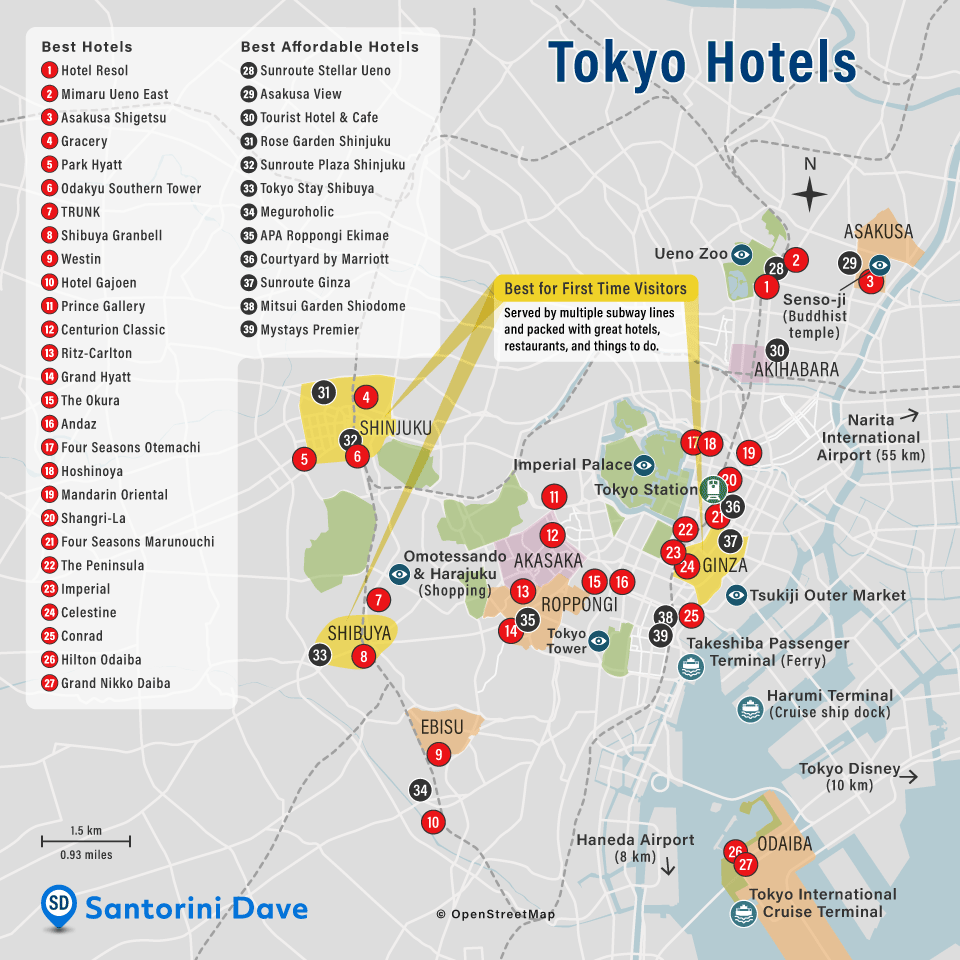
Navigating Tokyo’s Major Airports: Narita and Haneda
Your journey to your hotel begins long before you board a local train; it starts the moment your flight touches down. Tokyo is primarily served by two major international aviation hubs: Narita International Airport and Haneda Airport. Choosing your transport method depends entirely on which airport you arrive at and where your hotel is located.
Arriving at Narita International Airport
Located in the neighboring Chiba Prefecture, Narita International Airport sits about 60 kilometers east of central Tokyo. Despite the distance, high-speed rail connections make getting into the city remarkably straightforward.
- The Narita Express (N’EX): Operated by JR East, the Narita Express is the gold standard for travelers heading to major hubs like Tokyo Station, Shinjuku, Shibuya, and Ikebukuro. The journey takes approximately 60 to 90 minutes. Seats are fully reserved, spacious, and equipped with power outlets and luggage storage security systems.
- The Keisei Skyliner: If your hotel is located on the eastern side of the city—such as in Ueno or Asakusa—the Keisei Skyliner is your fastest option. Reaching Nippori Station in just 36 minutes, it offers incredible speed and comfort.
- Airport Limousine Buses: For travelers carrying heavy luggage or those whose hotels are serviced directly by the route, airport buses are a stress-free alternative. You hand your bags to the driver upon boarding and do not touch them again until you step out at the front entrance of participating major hotels.
Arriving at Haneda Airport
Positioned much closer to the heart of the city in Ota Ward, Haneda Airport is the preferred choice for many due to its proximity to central Tokyo.
- Tokyo Monorail: This scenic elevated train runs from Haneda Airport to Hamamatsucho Station in under 20 minutes. From Hamamatsucho Station, you can easily transfer to the JR Yamanote Line to reach virtually any major district.
- Keikyu Line: Offering direct access to the Toei Asakusa Subway Line, the Keikyu train is ideal if your hotel is situated in eastern or northern Tokyo, allowing you to bypass major transfers altogether.
Mastering the Rail and Subway Networks
Once you arrive in central Tokyo, the local train and subway networks become your primary vehicles for reaching your final destination. While the map may initially look like a colorful bowl of tangled spaghetti, the system is logically color-coded and labeled extensively in English.
The Iconic Yamanote Line

For first-time visitors, the JR Yamanote Line is a lifesaver. This loop line circles the center of Tokyo, connecting almost all major sub-centers, including Tokyo Station, Ueno, Ikebukuro, Shinjuku, Shibuya, and Shinagawa. If your hotel is within walking distance of any Yamanote Line station, navigating your way there is simply a matter of boarding the train, listening to the English audio announcements, and disembarking at the correct platform.
Seamless Ticketing with IC Cards
Gone are the days of calculating fares and purchasing paper tickets for every single ride. Today, contactless IC cards—specifically Suica and Pasmo—make transit effortless.
- How They Work: You simply tap your card at the automatic ticket gates when entering and exiting stations. The correct fare is automatically deducted.
- Digital Integration: You can add a digital Suica or Pasmo card directly to the wallet app on your smartphone, allowing you to reload funds instantly using a credit card and pass through turnstiles with just a tap of your phone.
- Beyond Transit: These cards are not just for trains; you can use them to buy drinks from vending machines, grab snacks at convenience stores like 7-Eleven Japan, or pay for lockers at train stations.
Door-to-Door Navigation Apps and Luggage Services
Even with the best maps, finding a hotel tucked away on a quiet side street can sometimes prove challenging. Utilizing modern technology and local services can drastically simplify the final leg of your journey.
Essential Navigation Tools
While standard mapping applications work well, specific tools offer granular details tailored to Japanese transit.
- Google Maps: Remarkably accurate in Tokyo, Google Maps will tell you not only which train to take, but also which specific train car is closest to your destination exit, saving you valuable time navigating massive stations.
- Japan Official Travel App: Created by the Japan National Tourism Organization, this app provides comprehensive routing, offline search capabilities, and helpful transit tips for foreign visitors.
Taxis and Luggage Forwarding (Takuhaibin)
If you are traveling with an abundance of heavy bags, dragging them through crowded subway stations can quickly drain your energy. Fortunately, Tokyo offers brilliant alternative solutions.
- Luggage Forwarding Services: Companies like Yamato Transport (known for their iconic black cat logo) offer airport luggage delivery. You can drop off your heavy suitcases at the airport counter upon arrival, and they will be delivered directly to your hotel front desk, often by that same evening. This allows you to explore the city hands-free right from the start.
- Using Taxis: While Tokyo taxis are famously clean, safe, and driven by professionals wearing white gloves, they can be expensive if used for long distances across heavy traffic. However, taking a taxi for the final kilometer from a major train station directly to your hotel door is a worthwhile luxury—especially after a long-haul international flight. Just remember that taxi doors open and close automatically; never attempt to open them yourself.

Arriving Confidently at Your Accommodation
Getting to your hotel in Tokyo does not need to be a stressful endeavor. By understanding your entry points through Narita International Airport or Haneda Airport, leveraging the convenience of the JR Yamanote Line and IC cards, and utilizing smart apps or luggage delivery services, you can transition smoothly from the tarmac to your room. Take a deep breath, embrace the efficiency of the local infrastructure, and let the adventure of your Tokyo stay truly begin.
LifeOutOfTheBox is a participant in the Amazon Services LLC Associates Program, an affiliate advertising program designed to provide a means for sites to earn advertising fees by advertising and linking to Amazon.com. Amazon, the Amazon logo, AmazonSupply, and the AmazonSupply logo are trademarks of Amazon.com, Inc. or its affiliates. As an Amazon Associate we earn affiliate commissions from qualifying purchases.