
Located in the northwestern corner of the United States, Niagara Falls serves as a monumental geographic landmark that bridges the border between two nations. Situated in Niagara County within the state of New York, the city acts as the primary gateway for millions of visitors seeking to witness one of the most powerful natural wonders of the world. Positioned at the edge of the Niagara River, which drains Lake Erie into Lake Ontario, the destination is defined by its sheer geological grandeur and its historical significance in the development of North America.
Navigating the Geography of the Falls
Understanding the precise location of Niagara Falls requires looking at the international boundary line that cuts through the Niagara River. The destination is composed of three distinct waterfalls: the Horseshoe Falls, the American Falls, and the Bridal Veil Falls. While the Horseshoe Falls straddles the international border—placing the majority of its crestline within Canada—the American Falls and Bridal Veil Falls are situated entirely on the New York side.

Proximity to Major Urban Centers
The city of Niagara Falls is strategically positioned near several major metropolitan areas, making it an accessible travel hub. It lies approximately 20 miles north of Buffalo, New York, which serves as the primary gateway for travelers flying into Buffalo Niagara International Airport. For those traveling from Toronto, the falls are situated about 80 miles to the southeast, requiring a cross-border journey that is a staple of many North American road trips.
State Park Integration
A defining feature of the New York side is the Niagara Falls State Park. Established in 1885, it holds the distinction of being the oldest state park in the United States. The park encompasses the entirety of the American Falls and Bridal Veil Falls, providing visitors with meticulously maintained walking trails, observation decks, and protected natural scenery that contrasts sharply with the urban development found in neighboring areas.
Historical Significance and Development
The location of Niagara Falls has played a pivotal role in the industrial and political history of New York. Beyond its visual allure, the force of the water flowing from the Niagara River sparked the global transition toward hydroelectric power. In the late 19th century, the Niagara Falls Power Project utilized the sheer volume of water to generate electricity for the region, effectively fueling the growth of industries in Buffalo and beyond.

A Site of Global Discovery
Before its recognition as a hub for tourism, the region served as a critical location for explorers and indigenous tribes. The Niagara River served as a vital trade route, and the falls themselves became a symbol of the raw, untamed spirit of the United States. Today, the Niagara Falls History Museum and various historical markers located throughout the park provide visitors with a deeper understanding of the area’s evolution from an industrial powerhouse to a protected landmark of global importance.
Experiencing the Natural Wonder
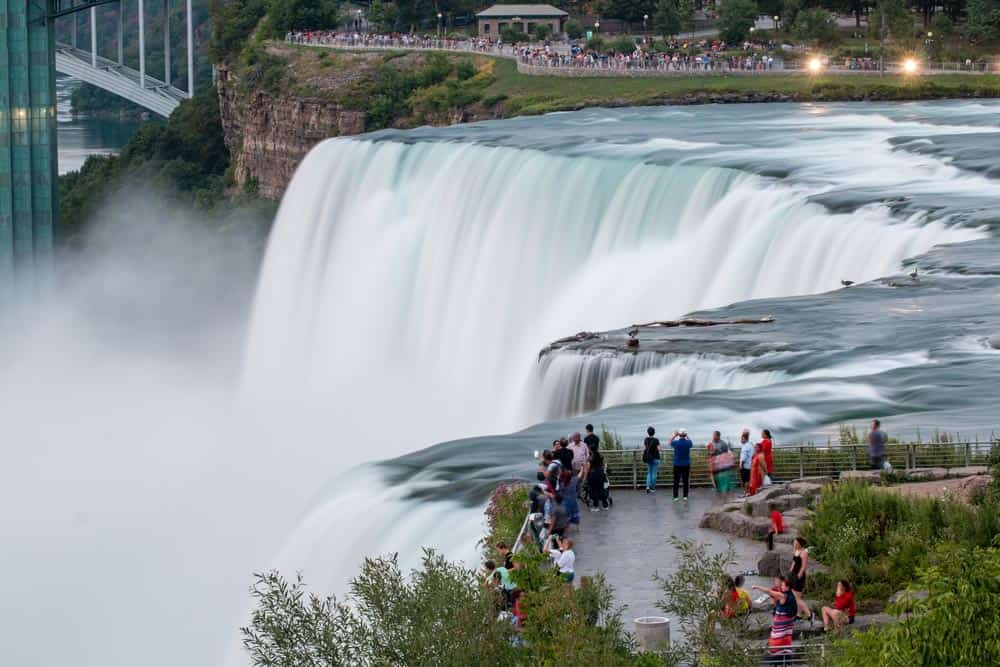
Visitors arriving in Niagara Falls, New York are often struck by the accessibility of the falls. Unlike many natural wonders that require arduous hiking, the viewing areas here are integrated into the city’s infrastructure. The location allows for a close-up, visceral experience, where the roar of the water and the mist generated by the falls are immediate and inescapable.
Key Viewing Vantage Points
To fully appreciate the scope of the destination, several landmarks offer different perspectives:
- Prospect Point: Located near the edge of the American Falls, this point offers a direct, dramatic view of the torrent as it crashes into the basin.
- Goat Island: Situated between the Bridal Veil Falls and the Horseshoe Falls, this island provides lush, wooded paths and some of the best vantage points in Niagara Falls State Park.
- Cave of the Winds: Located at the base of the falls, this attraction allows visitors to descend into the gorge and experience the power of the water from a proximity that is rarely possible elsewhere.
- Maid of the Mist: A legendary boat tour that departs from the New York shore, taking visitors into the heart of the horseshoe-shaped cataract.
Seasonal Variations
The location of the falls in a temperate, four-season region means the experience changes drastically throughout the year. Summer brings lush greenery and heavy mist, while autumn provides a backdrop of fiery colors along the Niagara River. Winter, however, offers a unique, serene atmosphere where ice formations cling to the rocks, creating crystalline structures that transform the landscape into an frozen, ethereal wilderness.
Practical Logistics for Travelers
When planning a visit to Niagara Falls, it is essential to recognize the interplay between the United States and Canada. While the American Falls and Bridal Veil Falls are located on the New York side, the Rainbow Bridge connects the two countries, allowing for easy border crossing for travelers holding the appropriate identification.
Transportation and Accessibility
The city is well-connected to major transport networks. Travelers arriving at the Buffalo Niagara International Airport can access the city via car rentals, shuttles, or regional transit. Furthermore, the Niagara Falls Railway Station offers rail connections for those traveling by train, making it a viable destination for those avoiding air travel. The city layout is highly pedestrian-friendly, particularly around Niagara Falls State Park, where the majority of the major landmarks are connected by paved paths and trolley systems.
A Destination of Lasting Impression
Regardless of how one chooses to approach the destination, the geographical reality of Niagara Falls as a point of convergence is what makes it a bucket-list staple. It is not merely a set of waterfalls; it is a manifestation of the dynamic relationship between Earth and the forces that shape it. By grounding oneself in the New York side of the falls, visitors gain an intimate connection with the natural splendor of the Great Lakes region. Whether you are observing the spray from Prospect Point or trekking the trails of Goat Island, the location remains an iconic testament to the majesty of North American landscapes.
LifeOutOfTheBox is a participant in the Amazon Services LLC Associates Program, an affiliate advertising program designed to provide a means for sites to earn advertising fees by advertising and linking to Amazon.com. Amazon, the Amazon logo, AmazonSupply, and the AmazonSupply logo are trademarks of Amazon.com, Inc. or its affiliates. As an Amazon Associate we earn affiliate commissions from qualifying purchases.