
Understanding the cost of fuel is a critical component of managing one’s lifestyle, particularly when living in or traveling through a state as vast and car-dependent as California. The Golden State consistently ranks among the most expensive places for gasoline in the United States, a distinction largely influenced by a complex web of taxes and fees. For residents, these costs directly impact daily commuting and household budgets. For visitors planning a road trip or business stay, gas taxes are a significant factor in overall travel expenses, shaping decisions about routes, vehicle choice, and even the duration of their visit. Navigating California’s fuel landscape requires more than just glancing at the pump price; it demands an understanding of the underlying tax structure that contributes to these elevated costs.
The Golden State’s Fuel Cost Landscape
California’s allure lies in its diverse geography, from the pristine beaches of San Diego to the majestic forests of Redwood National Park, and the bustling urban centers of Los Angeles and San Francisco. Exploring these wonders often involves extensive driving, making fuel costs a pivotal consideration for any lifestyle budget. The average price of a gallon of gasoline in California frequently exceeds the national average by a substantial margin, a fact that impacts everything from family road trips to the daily commute of millions.
A National Comparison
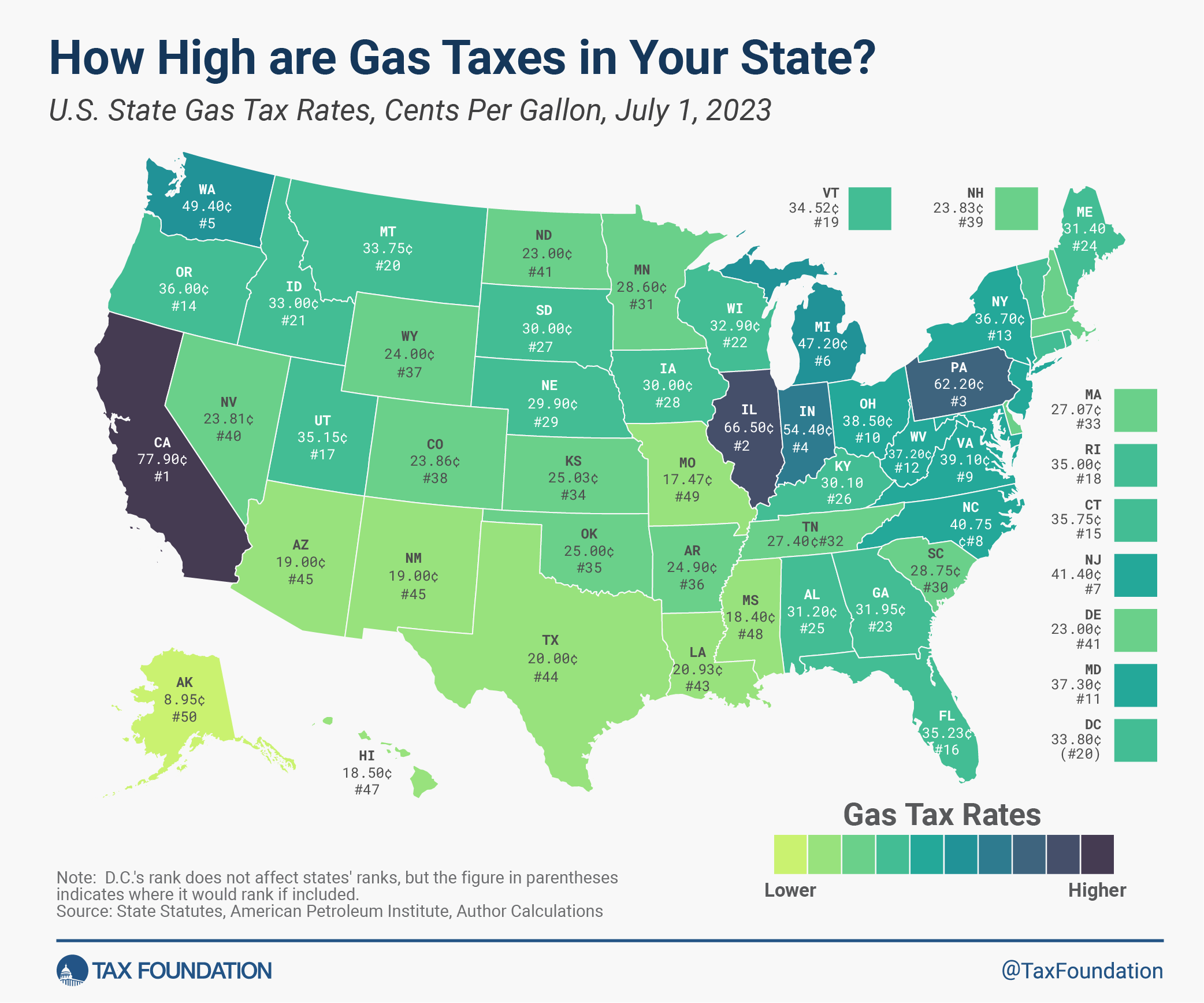
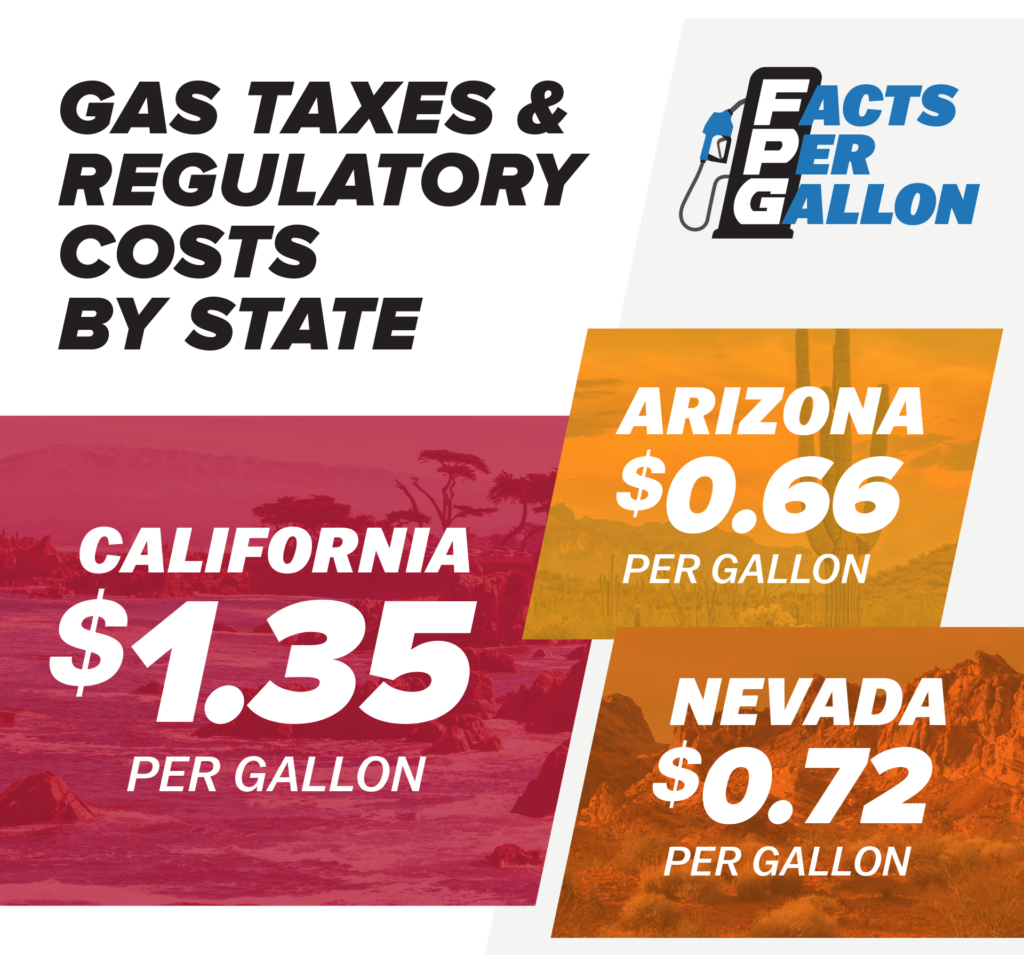
To put California’s gas prices into perspective, it’s essential to compare them to the rest of the country. While global crude oil prices play a universal role, regional factors significantly differentiate pump prices. California often sees prices that are $1.00 to $1.50 per gallon higher than the national average. This disparity is not solely due to the state’s geographical distance from refining centers or its stringent fuel blends required for environmental reasons, but fundamentally linked to its aggressive approach to fuel taxation. This higher cost profoundly influences the lifestyle choices of residents and the budgeting strategies of travelers, pushing many to seek fuel-efficient vehicles or reconsider long-distance driving plans within the state.
Deconstructing California’s Gas Tax Structure
The seemingly simple act of filling up a gas tank in California is underpinned by a multi-layered taxation system. Understanding these components is key to comprehending why the state’s fuel prices are so high. Unlike many other states, California combines several distinct taxes and fees into the final price at the pump, all of which contribute to funding critical infrastructure projects and environmental initiatives.
State Excise Tax
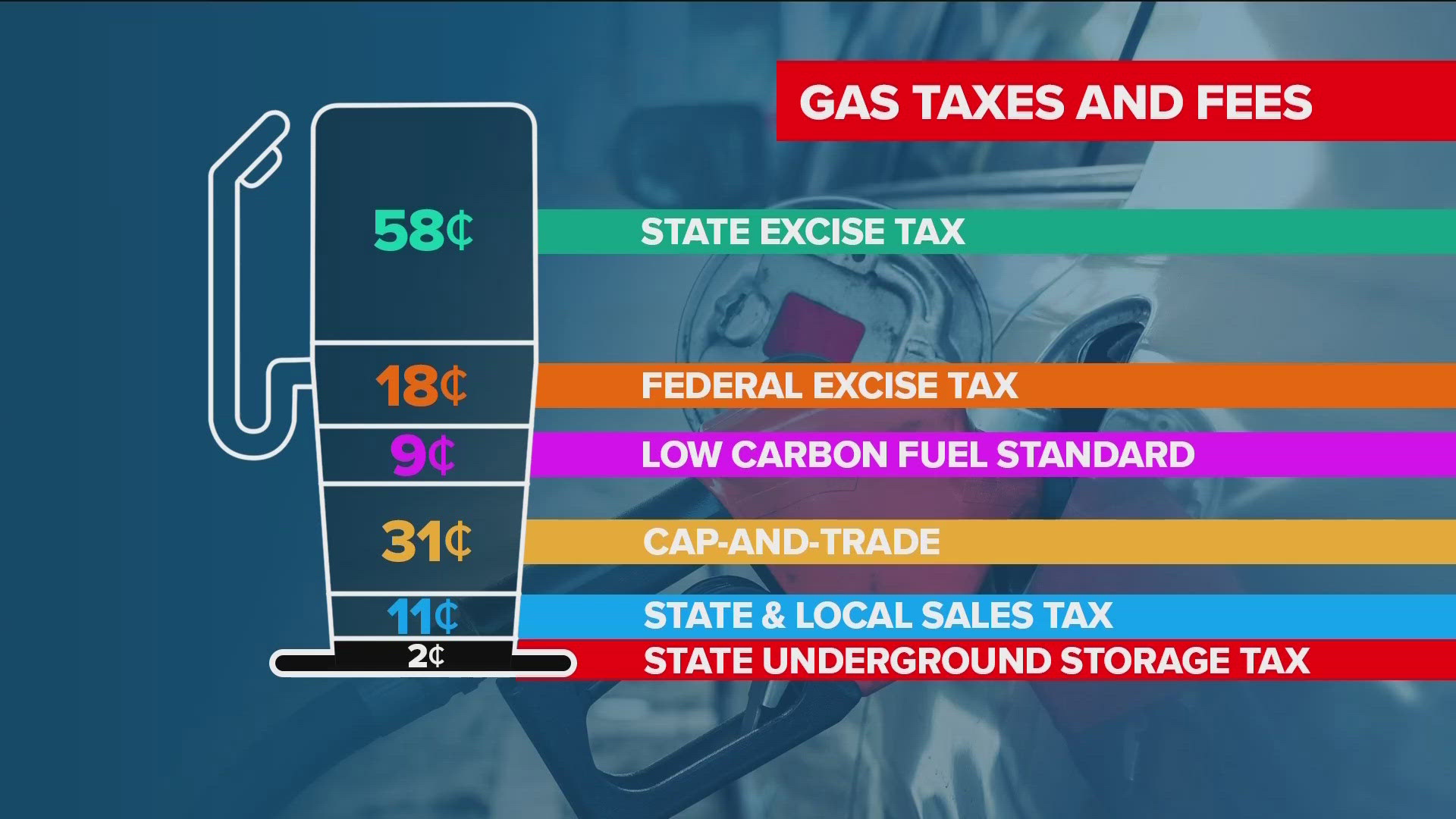
The most significant component of California’s gas tax is the state excise tax. As of late 2023 and early 2024, this tax typically hovers around $0.579 per gallon for gasoline, subject to annual adjustments based on inflation and legislative action. This tax is primarily earmarked for the maintenance and improvement of the state’s extensive network of roads, highways, and public transportation systems. It’s a direct charge per gallon, regardless of the fuel’s price, making it a stable revenue stream for infrastructure but a constant burden on consumers.
Sales Tax
In addition to the excise tax, California also applies state and local sales taxes to gasoline purchases. Unlike the excise tax, the sales tax is a percentage of the total fuel price, meaning it fluctuates with the price of gas itself. This adds another layer of cost, as the higher the pre-tax price of gasoline, the more revenue is collected through sales tax. While the statewide sales tax rate is 7.25%, local jurisdictions can add their own district taxes, pushing the combined rate higher in various counties and cities like Oakland or San Jose. This means that the total amount of sales tax paid can vary depending on where you fuel up within the state.
Local Taxes and Fees
Beyond state-mandated taxes, some local jurisdictions impose additional fees or taxes on gasoline. These can be minor but contribute to the overall pump price variations seen across different cities. For instance, some metropolitan areas might have specific air quality district fees or other local assessments that are passed on to consumers at the pump. While less impactful than the state excise or sales tax, these localized charges highlight the complexity of California’s fuel taxation and can contribute to small but noticeable price differences between neighboring towns.
Other Environmental Fees
California leads the nation in environmental regulations, and these policies translate into additional costs at the pump. The Low Carbon Fuel Standard (LCFS) is a key example, designed to reduce the carbon intensity of transportation fuels. Fuel providers incur costs to meet these standards, which are then passed on to consumers. Another fee is the Underground Storage Tank (UST) fee, which supports programs for the cleanup of leaking fuel tanks and prevention of future leaks. While these fees serve important environmental and safety purposes, they undeniably add to the overall cost of gasoline, reflecting the state’s commitment to sustainability at a monetary cost to its residents and visitors.
Impact on Lifestyle and Travel Budgets
The cumulative effect of California’s high gas taxes is a significant factor in shaping lifestyle choices and travel budgets within the state. Whether one is a long-term resident, a transient business traveler, or a tourist exploring the scenic routes, fuel expenses demand careful consideration.
Budget Travel in California
For individuals and families seeking to explore California on a budget, high gas prices present a considerable challenge. A road trip from San Francisco to Lake Tahoe or from Los Angeles to Yosemite National Park can see fuel costs quickly add up, potentially dwarfing other expenses like accommodation or dining. This often necessitates adjustments, such as opting for shorter distances, choosing more fuel-efficient rental cars, or allocating a larger portion of the travel budget specifically to transportation. Budget-conscious travelers might also seek out itineraries that maximize public transit options in urban areas like the Bay Area Rapid Transit (BART) in San Francisco or the Metro Rail in Los Angeles, reducing reliance on personal vehicles.
Daily Commuting and Cost of Living
For the millions of Californians who commute daily, gas taxes directly impact their cost of living. Living further from work or school often means facing a higher monthly fuel bill, which in turn influences housing decisions. The rising cost of gas can lead individuals to seek residences closer to their workplaces, consider carpooling, or invest in public transportation passes where available. This also affects the broader economy, as businesses that rely on transportation for delivery or services face higher operational costs, which can ultimately be passed on to consumers in the form of higher prices for goods and services. The fuel tax is not just a direct cost; it’s a systemic factor that permeates the economic fabric of the state.
Business Stays and Logistics
Business travelers often operate under strict expense policies, and the elevated cost of fuel in California can strain these budgets. Companies with sales teams, field service personnel, or executives requiring extensive travel within the state must account for these higher transportation costs. For logistics and freight companies, the high price of diesel (which also carries substantial taxes, though structured differently from gasoline) impacts shipping costs, leading to increased expenses for businesses operating in or through California. This can make the state a more expensive place to do business, influencing corporate relocation decisions and supply chain strategies.
Navigating High Fuel Costs: Strategies for Visitors and Residents
While gas taxes in California are a fixed reality, there are several strategies individuals can employ to mitigate their impact on personal and travel budgets. Smart planning and informed choices can help reduce the financial burden of fueling up in the Golden State.
Planning Your Route and Stops
Efficient route planning is paramount. Using navigation apps like Google Maps, Waze, or GasBuddy can help identify the most fuel-efficient routes and, crucially, locate gas stations with the lowest prices. Prices can vary significantly even within a few miles, especially between highway exits and inner-city stations. Filling up before entering major metropolitan areas or popular tourist destinations can often save money. Planning stops to combine fuel refills with other errands or attractions also minimizes detours and wasted fuel.
Vehicle Choice and Fuel Efficiency
For both residents purchasing vehicles and visitors renting them, fuel efficiency is a critical consideration. Opting for hybrid, plug-in hybrid, or electric vehicles (EVs) can dramatically reduce or eliminate gasoline consumption. While the upfront cost of an EV might be higher, California offers numerous incentives for EV ownership, and the cost of electricity is generally much lower than gasoline per mile. If an EV isn’t feasible, selecting a compact car or a vehicle known for its good miles-per-gallon (MPG) rating can lead to substantial savings over time, especially during extended road trips.
Public Transportation and Alternative Modes
In California’s major urban centers like Los Angeles, San Francisco, Sacramento, and San Diego, robust public transportation systems offer viable alternatives to driving. Leveraging light rail, subway, bus services, or ride-sharing apps can reduce the need for personal vehicle use, thereby cutting down on gas expenses. For shorter distances, cycling or walking can also be excellent options, providing both cost savings and opportunities to experience local culture more intimately.
Loyalty Programs and Discounts
Many gas station chains and grocery stores offer loyalty programs that provide discounts on fuel purchases. Signing up for these programs can result in savings of a few cents per gallon, which can add up over multiple fill-ups. Credit cards that offer cashback rewards on gas purchases can also provide a small but welcome rebate. While these strategies won’t eliminate the impact of high gas taxes, they can certainly help to slightly ease the burden on one’s budget.
The Future of Fuel in California
California’s approach to fuel taxation is dynamic, constantly evolving in response to environmental goals, infrastructure needs, and economic pressures. The trajectory points towards continued efforts to reduce reliance on fossil fuels, which will inevitably influence future tax policies.
Electric Vehicles and Infrastructure
A significant part of California’s strategy to combat climate change and reduce air pollution is the aggressive promotion of electric vehicles. The state aims to phase out the sale of new gasoline-powered vehicles by 2035. As more residents switch to EVs, the state will face a declining revenue stream from gasoline taxes, necessitating new approaches to fund road maintenance. This has led to discussions and implementation of alternative revenue models, such as vehicle registration fees for EVs or mileage-based user fees, signaling a shift in how transportation infrastructure will be funded in the future.
Policy Changes and Road Funding
The gas tax is not merely a burden; it is a critical funding mechanism. The revenue generated primarily supports the construction, maintenance, and repair of California’s vast network of roads, bridges, and public transit systems. Regular adjustments to the excise tax, often tied to inflation, ensure that these funds keep pace with rising construction costs. Future policy changes will likely continue to balance the need for infrastructure funding with environmental goals and the evolving landscape of transportation technology, ensuring that residents and visitors alike can continue to experience all that California has to offer, regardless of how they choose to travel.
LifeOutOfTheBox is a participant in the Amazon Services LLC Associates Program, an affiliate advertising program designed to provide a means for sites to earn advertising fees by advertising and linking to Amazon.com. Amazon, the Amazon logo, AmazonSupply, and the AmazonSupply logo are trademarks of Amazon.com, Inc. or its affiliates. As an Amazon Associate we earn affiliate commissions from qualifying purchases.