
The question of ownership for iconic establishments often delves into more than just corporate structures; it unearths the philosophy, vision, and long-term commitment behind preserving and evolving a significant legacy. For a property as revered and storied as The Broadmoor in Colorado Springs, understanding its ownership is key to appreciating its enduring status as a premier luxury resort. In an industry often dominated by large international chains, The Broadmoor stands out not only for its grandeur and history but also for the unique stewardship that has guided its destiny for over two decades.
A Legacy of Luxury: The Broadmoor’s Enduring Appeal
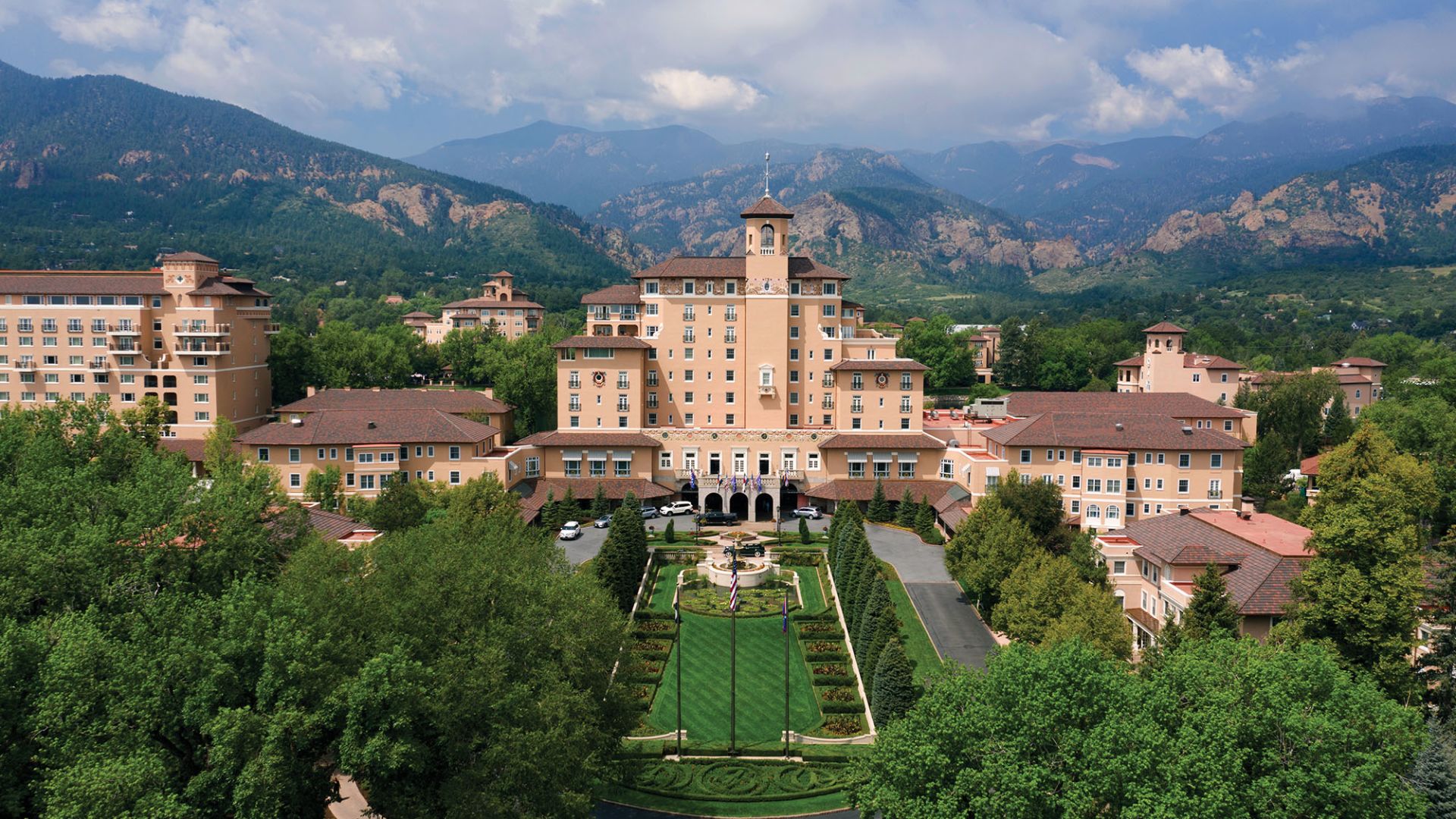
Opened in 1918 by Spencer Penrose, The Broadmoor was envisioned as the “Grand Dame of the Rockies,” a lavish European-style resort nestled at the foot of Cheyenne Mountain in Colorado. From its inception, it set a benchmark for luxury hospitality, attracting presidents, celebrities, and discerning travelers seeking unparalleled service, exquisite dining, and world-class recreation. Over a century later, it has consistently maintained its five-star, five-diamond rating, a testament to its unwavering commitment to excellence.
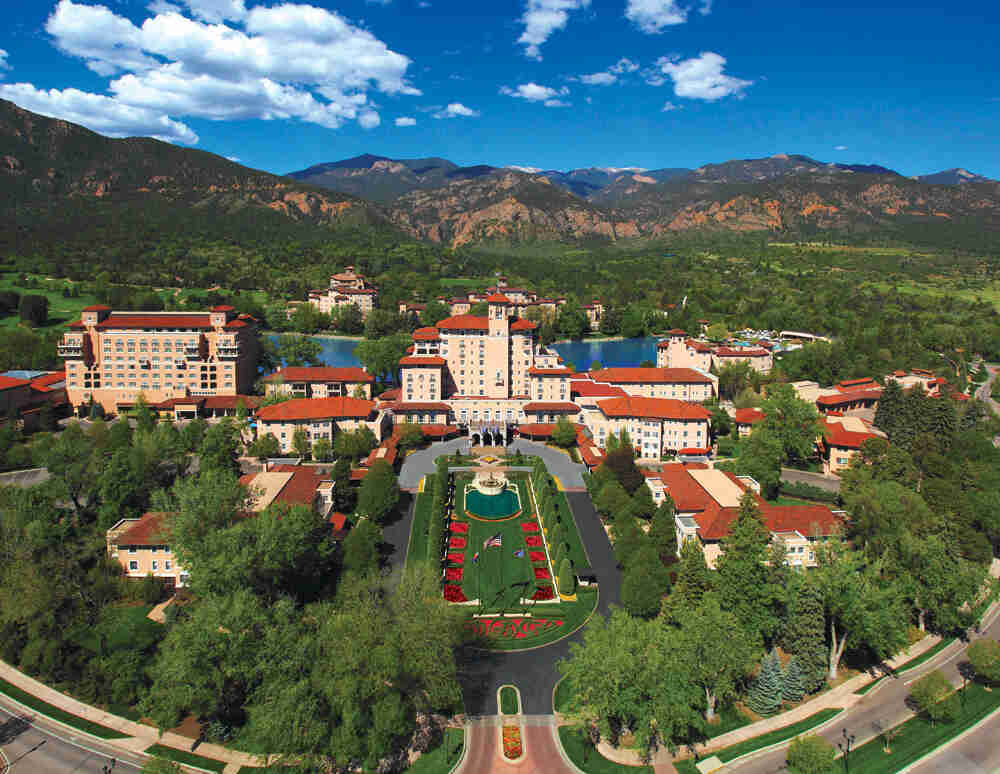
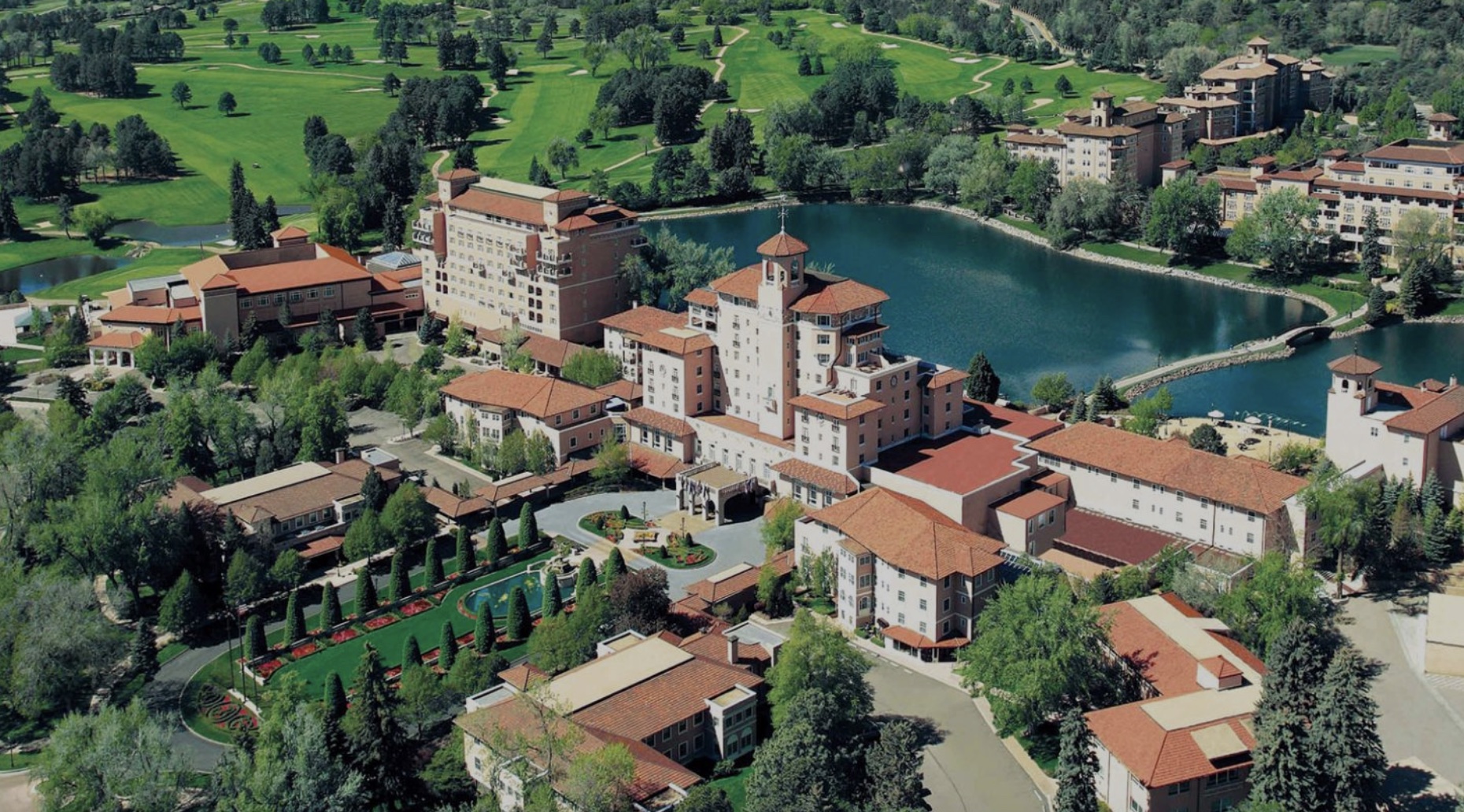
Its sprawling campus encompasses not only the historic main buildings but also championship golf courses, a world-renowned spa, diverse dining establishments, and an array of outdoor activities that capitalize on its stunning Rocky Mountain setting. From its elegant suites to its meticulously manicured grounds, every detail at The Broadmoor reflects a dedication to a guest experience that transcends the ordinary. This deep-rooted identity, forged over generations, makes its ownership a critical factor in understanding how such a grand institution continues to thrive and adapt in the modern hotel landscape. The custodians of The Broadmoor must balance tradition with innovation, a task that requires not just capital but also a profound respect for its heritage.
The Current Custodians: Unpacking The Broadmoor’s Ownership
Since 1989, The Broadmoor has been owned by The Anschutz Corporation, a Denver-based private holding company founded by billionaire entrepreneur Philip Anschutz. This acquisition marked a significant turning point for the resort, ushering in an era of substantial investment and revitalization. Unlike publicly traded hotel companies driven by quarterly earnings, The Anschutz Corporation’s private ownership structure allows for a long-term strategic vision, prioritizing the preservation and enhancement of The Broadmoor’s legacy over short-term financial gains.
Philip Anschutz is renowned for his diverse business ventures, spanning telecommunications, oil, gas, entertainment, and real estate. His acquisition of The Broadmoor was reportedly driven by a desire to save the historic property from potential decline and restore it to its former glory, and even surpass it. He saw not just a hotel, but a significant cultural and historical landmark that deserved careful stewardship. This personal commitment from a private owner provides a distinct advantage, fostering an environment where large-scale renovations, expansions, and meticulous maintenance can be undertaken without the immediate pressures of shareholder demands.
The ownership by The Anschutz Corporation means that The Broadmoor operates as a standalone entity within a larger, diversified portfolio. It is not part of a vast hotel chain with standardized branding or operational mandates. Instead, it benefits from the financial stability and strategic oversight of a powerful parent company while retaining its unique identity and operational independence. This model allows the resort to invest continuously in its infrastructure, amenities, and service standards, ensuring its position at the pinnacle of the luxury hospitality market.
The Anschutz Corporation’s Hotel Portfolio and Vision
While The Broadmoor is arguably the crown jewel of The Anschutz Corporation’s hospitality ventures, it is not their sole investment in luxury resorts. The corporation also owns and operates Sea Island Resort in Georgia, another acclaimed five-star property with a rich history and a reputation for impeccable service and amenities. This demonstrates a clear pattern and philosophy in their approach to the hotel sector: investing in distinctive, high-end properties that offer unique experiences and possess significant heritage value.
The vision behind these acquisitions extends beyond mere profit generation. It encompasses a broader commitment to stewardship—preserving iconic American institutions, investing in their long-term viability, and enhancing their appeal for future generations. Philip Anschutz’s personal interest in these properties is evident in the sustained capital improvements and expansions undertaken. For The Broadmoor, this has translated into continuous renovations of rooms and public spaces, upgrades to technological infrastructure, and the development of new, immersive experiences designed to complement the resort’s traditional offerings.
This approach contrasts sharply with the strategies of many hotel conglomerates, which often focus on expanding their brand footprint, standardizing services, and achieving economies of scale. The Anschutz Corporation, by contrast, emphasizes the individuality of each property, fostering an environment where its unique character can flourish. They provide the necessary resources for each resort to maintain its distinct identity and elevate its specific brand of luxury, rather than homogenizing it under a corporate umbrella. This targeted, quality-over-quantity strategy has proven highly successful in allowing properties like The Broadmoor to not just survive but thrive in an increasingly competitive luxury market.
The Impact of Private Ownership on The Broadmoor’s Operations and Experience
The private ownership model facilitated by The Anschutz Corporation has profoundly shaped the operational philosophy and guest experience at The Broadmoor. This structure provides several distinct advantages that are crucial for a historic luxury resort.
Stability and Long-Term Investment
One of the most significant benefits is the freedom from the short-term financial pressures that often plague publicly traded companies. The Anschutz Corporation can make long-term investments in capital improvements, infrastructure upgrades, and staff development without the immediate need to demonstrate quarterly returns to shareholders. This allows for comprehensive, multi-year renovation cycles, the integration of cutting-edge technology, and a commitment to meticulous maintenance that ensures the resort not only preserves its historic charm but also offers modern comforts and conveniences. Recent examples include significant overhauls of guest rooms, enhancements to meeting spaces, and continuous improvements to the golf courses and spa facilities. This unwavering commitment to reinvestment is vital for a property of The Broadmoor’s age and scale, ensuring its relevance and competitive edge.
Upholding a Distinct Brand Identity
Unlike resorts that are part of large hotel chains, The Broadmoor does not need to conform to a standardized brand identity. Its private ownership allows it to fiercely protect and nurture its unique character, which has been cultivated over a century. This means everything from the architectural preservation of its Italian Renaissance design to the highly personalized service culture remains distinct and authentic. The resort can prioritize bespoke experiences, tailor amenities to its specific clientele, and maintain traditions that might otherwise be streamlined or discarded by a corporate parent focused on brand uniformity. This autonomy ensures that a stay at The Broadmoor is truly unique, steeped in its own history and sense of place.
Strategic Growth and Diversification
Under The Anschutz Corporation’s guidance, The Broadmoor has also strategically expanded its offerings beyond the main resort campus. This has included the development of wilderness properties like Cloud Camp, Emerald Valley Ranch, and the Fly Fishing Camp. These extensions offer guests unique, immersive experiences in the surrounding Colorado wilderness, effectively diversifying the resort’s portfolio and appealing to a broader range of luxury travelers seeking adventure alongside indulgence. Such strategic, capital-intensive expansions are often easier to implement under private ownership, where decisions can be made with a long-term vision for enhancing the overall “Broadmoor experience” rather than immediate profit maximization.
A Model for Luxury Hotel Stewardship
In conclusion, the ownership of The Broadmoor by The Anschutz Corporation represents a compelling model for the stewardship of historic luxury hotels. It highlights how private ownership, driven by a vision of preservation and long-term investment rather than short-term financial returns, can allow such properties not just to survive but to flourish and continually evolve. This structure grants the resort the stability, financial backing, and operational autonomy necessary to uphold its prestigious legacy, invest in world-class amenities, and deliver an unparalleled guest experience.
For over a century, The Broadmoor has remained a beacon of luxury hospitality. Its current ownership ensures that this commitment to excellence, tradition, and innovation will continue to define its identity for generations to come, solidifying its place as one of the world’s most distinguished hotels.
LifeOutOfTheBox is a participant in the Amazon Services LLC Associates Program, an affiliate advertising program designed to provide a means for sites to earn advertising fees by advertising and linking to Amazon.com. Amazon, the Amazon logo, AmazonSupply, and the AmazonSupply logo are trademarks of Amazon.com, Inc. or its affiliates. As an Amazon Associate we earn affiliate commissions from qualifying purchases.