
California, a land of sun-kissed beaches, towering redwoods, vibrant cities, and iconic landmarks, beckons millions of travelers each year. From the glitz and glamour of Los Angeles to the majestic beauty of Yosemite National Park and the charming streets of San Francisco, the Golden State offers an unparalleled array of experiences. Whether you’re planning a luxurious escape to a five-star resort in Napa Valley, a budget-friendly road trip along Highway 1, or a family adventure at Disneyland in Anaheim, understanding the financial aspects of your trip is paramount. One often-overlooked but significant factor that impacts your travel budget is sales tax.
While many visitors are aware of hotel occupancy taxes, the statewide and local sales tax rates in California can add a considerable amount to your overall spending, affecting everything from souvenir purchases and restaurant bills to certain services. For the savvy traveler, being informed about these taxes isn’t just about saving money; it’s about better planning, avoiding surprises, and maximizing your enjoyment of all the fantastic tourism opportunities California has to offer. This comprehensive guide will demystify the sales tax landscape in California, providing you with essential information to navigate your trip with confidence and clarity.
Understanding California’s Sales Tax Landscape for Travelers
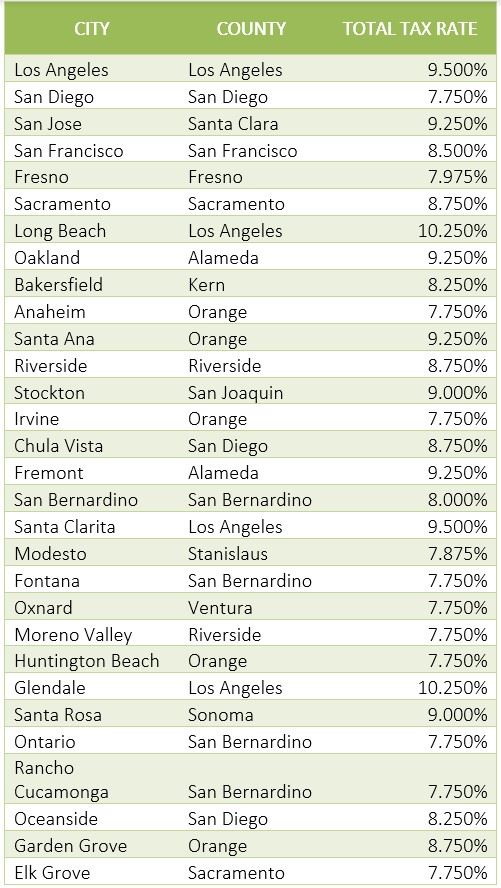
Navigating the sales tax system in California can seem complex due to its multi-layered structure. Unlike some states with a flat sales tax rate across the board, California combines a statewide rate with various local district taxes, resulting in differing rates depending on where you are within the state. For travelers, this means the cost of a souvenir, a meal, or even a basic necessity can vary significantly from one city or county to another. Understanding these nuances is key to accurate budgeting and avoiding unexpected costs during your travel adventures.
The Statewide Sales Tax Rate
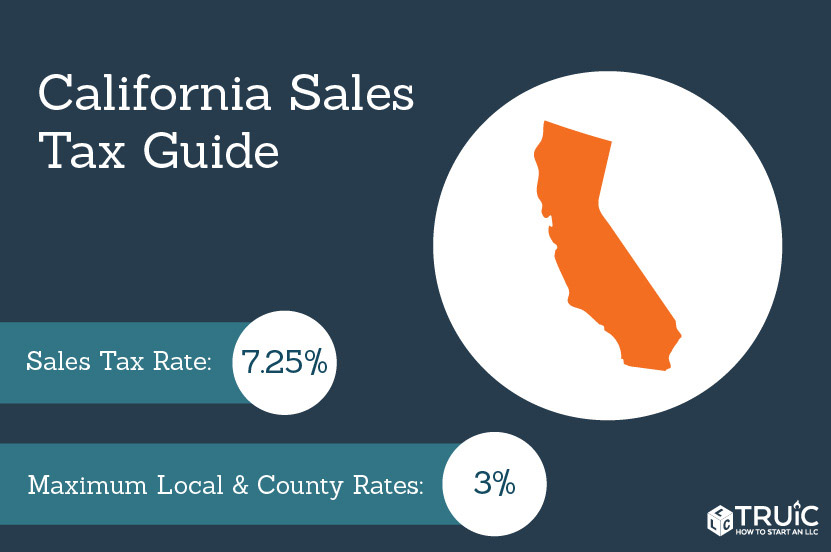
At the core of California’s sales tax structure is the statewide base rate. As of the current understanding, the uniform statewide sales tax rate is 7.25%. This percentage is applied to the retail sale of most tangible personal property in the state. This means that when you buy a physical item – be it a new pair of sunglasses in Santa Monica, a bottle of wine in Sonoma, or a surfboard in San Diego – this base rate will always apply. This 7.25% is composed of several components, including the state’s general fund and specific programs. It’s the foundation upon which all other local taxes are built, ensuring a consistent minimum charge for goods across the state.
Local District Taxes: A Patchwork of Rates
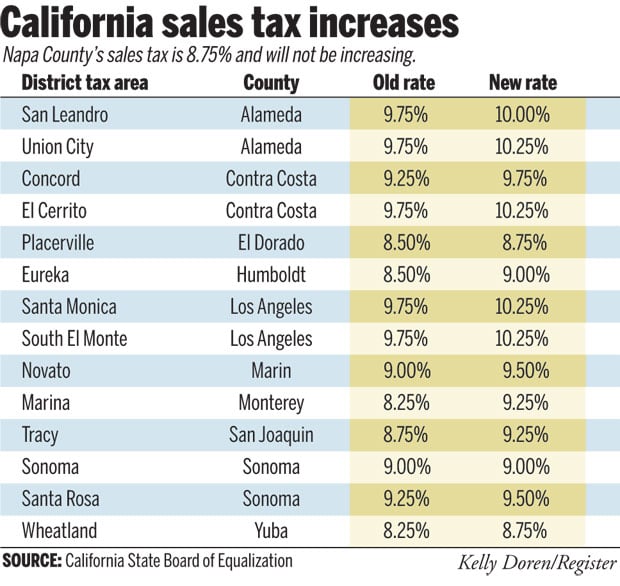
Beyond the statewide rate, most cities and counties in California impose additional “district taxes.” These local taxes are typically approved by voters to fund specific local services or infrastructure projects, such as transportation improvements, public safety, or specific community initiatives. District taxes can vary widely, adding anywhere from an additional 0.10% to over 2% (or even more in some cases) to the base 7.25% rate.
This results in a diverse range of combined sales tax rates across the state. For example:
- In Los Angeles County, the combined sales tax rate can be as high as 9.50% or even 10.25% in certain districts.
- In San Francisco, the rate is often 8.625%.
- Orange County, home to many attractions, typically sees rates around 7.75% to 8.75%.
- Even within the same county, different cities or special districts might have slightly varied rates.
This intricate system means that a purchase made in downtown San Jose might carry a different sales tax than the exact same item bought just a few miles away in Palo Alto. Travelers should be mindful that advertised prices for goods almost never include sales tax, which will be added at the point of sale. It’s always a good practice to check the local sales tax rate for your specific destination in California if you’re planning significant purchases. The California Department of Tax and Fee Administration (CDTFA) website provides a useful tool to look up current rates by address or zip code.
What Goods and Services Are Subject to Sales Tax?
Understanding what is taxed is just as important as knowing how much it’s taxed. In California, sales tax is generally applied to the retail sale of tangible personal property. This category covers a vast array of items that travelers commonly purchase.
For instance, when you’re shopping for souvenirs, sales tax will apply to:
- Apparel and accessories: T-shirts, hats, jewelry, and fashion items purchased at boutiques on Rodeo Drive or souvenir shops near the Golden Gate Bridge.
- Electronics: Cameras, smartphones, and accessories bought in major retail hubs.
- Books, art, and crafts: Unique finds in local markets or galleries.
- Toys and games: For children or collectors visiting places like Legoland California Resort.
- Packaged food and beverages: Items like snacks, bottled water, or alcoholic beverages purchased from grocery stores or convenience stores, unless specifically exempt (more on exemptions later).
- Restaurant meals and prepared food: While services generally aren’t taxed, prepared food and restaurant meals are considered tangible personal property and are subject to sales tax. This includes dine-in, takeout, and delivery. So, that gourmet meal in Yountville or a quick bite from a food truck in Venice Beach will incur sales tax.
It’s crucial to note that services are generally not subject to sales tax in California. This includes services like haircuts, dry cleaning, tour guide fees, most entertainment admission tickets (though some may have specific local surcharges or excise taxes), and car rentals (though car rentals have their own specific taxes and fees, not sales tax). However, if a service involves the sale of tangible personal property, that portion of the transaction might be taxable. For example, if you get a spa treatment and also purchase a beauty product, only the product would be subject to sales tax.
Sales Tax and Your California Travel Budget
Understanding how sales tax impacts different aspects of your California trip is fundamental to effective budget planning. From choosing your accommodation to dining experiences and shopping sprees, sales tax can subtly inflate your expenditures. Being aware of these impacts allows you to allocate your funds more wisely, ensuring you have enough left over to enjoy all the sights and sounds of the Golden State.
Impact on Accommodation and Hotels
One common misconception is that sales tax applies directly to hotel stays. In California, sales tax does not apply to hotel room rates. Instead, hotels charge a separate levy known as the Transient Occupancy Tax (TOT), often referred to as a “hotel tax” or “bed tax.” This tax is specific to lodging and is imposed by cities and counties. Like district sales taxes, the TOT rate varies significantly depending on the city or county.
For instance:
- In San Francisco, the TOT is currently 14%.
- In Los Angeles, it’s 14% to 15%.
- Smaller towns or less popular areas might have lower rates, while major tourist hubs like Anaheim or San Diego tend to have higher rates, often around 10-12%.
While sales tax isn’t applied to the room rate itself, it can apply to incidental purchases made within the hotel, such as items from the gift shop, minibar snacks, or restaurant meals ordered to your room. So, when booking a stay at a Hyatt Regency in Long Beach or a boutique hotel in Carmel-by-the-Sea, always factor in the TOT on top of the advertised room rate. This is especially important for extended stays or during peak seasons when rates are already elevated.
Dining Out and Food Purchases
Dining is an integral part of any travel experience in California, from casual cafes to Michelin-starred establishments. As mentioned, prepared food and restaurant meals are subject to sales tax. This means every breakfast burrito from a food truck in Mission Bay, every clam chowder bowl at Pier 39 in San Francisco, and every exquisite multi-course dinner in Beverly Hills will have the local combined sales tax added to the bill.
If you dine out frequently, these charges can accumulate rapidly. For example, if you spend $100 on a meal in a city with a 9.5% sales tax, you’re looking at an additional $9.50 just for sales tax, before factoring in gratuity. Over the course of a week-long trip, this can easily add hundreds of dollars to your food budget.
However, there are exceptions for certain food items, primarily “cold food products” sold for consumption off-premises, like packaged groceries. We’ll delve into these exemptions shortly. For now, remember that nearly all hot, prepared, or dine-in food will have sales tax applied.
Shopping for Souvenirs and Experiences
California offers fantastic shopping opportunities, from high-end fashion to unique local crafts. Whether you’re browsing the shops along the Santa Monica Pier, exploring the outlets in Cabazon, or picking up memorabilia at Universal Studios Hollywood, sales tax will be added to most of your purchases of tangible goods.
Consider purchasing a few items throughout your trip: a t-shirt at Venice Beach, a regional wine in Temecula, or a piece of local art in Laguna Beach. Each of these transactions will include the local sales tax rate. If you plan on making significant purchases, such as electronics or designer items, the sales tax can be a substantial addition to the price tag. For instance, a $1,000 purchase in a 9.5% sales tax area will cost you an extra $95. This is a critical factor for those indulging in a luxury travel lifestyle where high-value items are common.
For experiences like guided tours, admission to museums or theme parks (e.g., Knott’s Berry Farm or the Aquarium of the Pacific), sales tax generally does not apply to the ticket price itself, as these are considered services. However, any tangible goods purchased within these venues (food, drinks, souvenirs) will be subject to sales tax.
Luxury vs. Budget Travel Considerations
The impact of sales tax can vary significantly depending on your chosen lifestyle of travel.
- Luxury Travelers: If you’re staying in a high-end resort like the Ritz-Carlton, Laguna Niguel, dining at upscale restaurants, and making significant purchases, the accumulated sales tax can add hundreds, if not thousands, of dollars to your trip cost. While the overall budget might be larger, it’s still worth being aware of these charges to manage expectations and avoid sticker shock.
- Budget Travelers: For those on a budget travel plan, every dollar counts. Choosing to buy groceries and prepare some meals instead of always dining out can significantly reduce your sales tax expenditure, as many unprepared food items are exempt. Opting for free attractions and limiting souvenir shopping also helps in mitigating sales tax impacts. Understanding where sales tax applies allows budget-conscious travelers to make informed decisions and stretch their dollars further. For example, buying a snack at a supermarket usually incurs no sales tax, while buying the same snack at a convenience store where it’s considered “prepared” might.
Navigating Exemptions and Special Cases
While sales tax in California seems pervasive, there are important exemptions and special cases that travelers should be aware of. Knowing these can help you save money, particularly on everyday items.
Groceries and Essential Food Items
One of the most significant exemptions for travelers pertains to “basic food products” or “cold food products” sold for consumption off-premises. Generally, most unprepared food items sold at grocery stores are exempt from sales tax. This includes items like:
- Fresh fruits and vegetables
- Meats, poultry, and fish
- Dairy products (milk, cheese, yogurt)
- Bread and most baked goods
- Canned goods and packaged staples
- Bottled water, juice, and non-carbonated beverages (unless they have added sweeteners, in which case some local district taxes might apply, but generally not the full sales tax).
This exemption is a boon for budget-conscious travelers and those staying in accommodation with kitchen facilities, such as apartments or villas. By purchasing groceries and preparing some of your meals, you can significantly reduce your overall sales tax burden compared to exclusively dining out.
However, the distinction between taxable and non-taxable food can be tricky. “Prepared food” – hot food, food requiring utensils to eat, or a combination of ingredients that constitutes a meal – is generally taxable. This is why a hot coffee or a sandwich from a deli is taxed, but a bag of apples or a carton of milk from the same grocery store is not. The “80/80 Rule” for retailers further complicates this, but for consumers, the general rule is: if it’s hot, prepared, or typically eaten on-site, it’s likely taxed.
Services vs. Tangible Goods
As previously mentioned, true services are generally exempt from California sales tax. This distinction is vital for travelers.
- Non-taxable services: A massage at a spa in Palm Springs, a surfing lesson in Malibu, a guided tour of Hearst Castle, or transportation services like ride-sharing or taxis – these are typically not subject to sales tax.
- Taxable goods embedded in services: If a service provider sells you a tangible product in conjunction with a service, that product portion might be taxed. For example, if a car repair shop sells you a new tire and installs it, the tire itself is taxable, while the labor for installation is not. For travelers, this might occur if you purchase a sunscreen bottle from your tour guide, or a branded towel during a wellness retreat.
It’s important to look at your receipts carefully to understand how taxes are applied, especially in situations where goods and services are bundled.
Tourism-Specific Exemptions
While there are no broad “tourism-specific” sales tax exemptions that dramatically alter the landscape for visitors (unlike, for instance, a sales tax refund for international visitors in some countries), the exemptions related to services and basic food items are still highly relevant to travelers. California does not offer a sales tax refund program for tourists leaving the state or country. Therefore, any sales tax paid on purchases is generally non-recoverable. This reinforces the importance of being aware of the tax at the point of purchase.
One minor point of clarity: items purchased and shipped directly to an out-of-state address by the retailer may sometimes be exempt from California sales tax, as the sale is considered to occur outside the state. However, this is for retailer-handled shipping, not for items you carry out yourself.
Practical Tips for Travelers Visiting California
Armed with knowledge about California’s sales tax, you can now approach your trip with greater financial acumen. Here are some practical tips to help you manage your expenses and enhance your overall lifestyle during your stay.
Planning Your Budget with Sales Tax in Mind
The most effective way to handle sales tax is to incorporate it into your budget from the outset.
- Add a Buffer: When estimating costs for dining, shopping, and certain entertainment activities, add an extra 8-10% to your projected spending for sales tax, depending on the average rates in the areas you plan to visit. For example, if you anticipate spending $500 on meals and souvenirs, budget an additional $40-$50 for sales tax.
- Research Local Rates: Before heading to a new city, quickly check its combined sales tax rate online. Knowing that Oakland has a higher rate than Sacramento can help you decide where to make certain purchases if you have flexibility.
- Prioritize Exemptions: For budget travel, maximize your use of grocery stores for snacks, drinks, and even full meals if your accommodation has kitchen amenities. This can lead to substantial savings over dining out for every meal.
Using Technology for Tax Information
In today’s digital age, information is readily available.
- Online Calculators: Many websites, including the official CDTFA site, offer sales tax lookup tools where you can enter a zip code or address to find the exact sales tax rate for that location. This is invaluable when planning major purchases.
- Budgeting Apps: Utilize travel budgeting apps that allow you to categorize expenses and even account for taxes. These apps can give you a real-time overview of your spending, helping you stay within your financial limits.
- GPS/Map Apps: While not directly for tax, knowing your precise location (and therefore zip code) can help you quickly find the correct sales tax rate if you use an online tool.
Understanding Receipts
Always review your receipts, especially for larger purchases or combined goods/services.
- Verify the Rate: Ensure the sales tax rate applied matches the local rate. While errors are rare, they can occur.
- Distinguish Taxes: On hotel bills, differentiate between the room rate, the Transient Occupancy Tax (TOT), and any sales tax applied to minibar items or room service. This helps you understand exactly what you’re paying for.
- Keep Records: For business travelers or those tracking expenses meticulously, keeping receipts helps in understanding your overall spending and can be useful for any potential expense reporting.
In conclusion, while the sales tax in California might add a layer of complexity to your financial planning, it is a manageable aspect of your travel budget. By understanding the statewide base rate, the varying local district taxes, and the key exemptions, especially for food items and services, you can make informed decisions that enhance your California experience without unwelcome financial surprises. Whether you’re exploring the bustling streets of San Diego, relaxing on a resort in Palm Desert, or discovering a hidden gem in Big Sur, being tax-savvy will contribute to a smoother, more enjoyable, and truly unforgettable journey across the Golden State. Safe travels!
LifeOutOfTheBox is a participant in the Amazon Services LLC Associates Program, an affiliate advertising program designed to provide a means for sites to earn advertising fees by advertising and linking to Amazon.com. Amazon, the Amazon logo, AmazonSupply, and the AmazonSupply logo are trademarks of Amazon.com, Inc. or its affiliates. As an Amazon Associate we earn affiliate commissions from qualifying purchases.