
The Mississippi River is more than just a waterway; it’s the lifeblood of America, a historical highway, and a natural wonder that captures the imagination of travelers and explorers alike. From its humble beginnings as a small stream trickling out of Lake Itasca in Minnesota, it embarks on an epic journey, spanning approximately 2,340 miles, carving its path through the heart of the United States. This colossal river, often referred to as the “Father of Waters,” touches ten states, influencing their economies, cultures, and landscapes before finally reaching its grand, dramatic conclusion. For those planning a travel adventure or seeking to understand the vastness of this continent, knowing the Mississippi River’s ultimate destination is key to appreciating its full impact.
The question of where the Mississippi River ends is answered definitively by the vast, shimmering expanse of the Gulf of Mexico. However, the journey to this endpoint is far from a simple plunge. Instead, it’s a complex and dynamic process involving one of the world’s most impressive deltas, a constantly shifting landscape shaped by centuries of sediment deposition. This spectacular natural phenomenon, located in the southern reaches of Louisiana, offers a unique blend of ecological diversity, rich history, and vibrant local culture that makes it an unforgettable destination for tourism and adventure.

Tracing the Mississippi to its Grand Finale
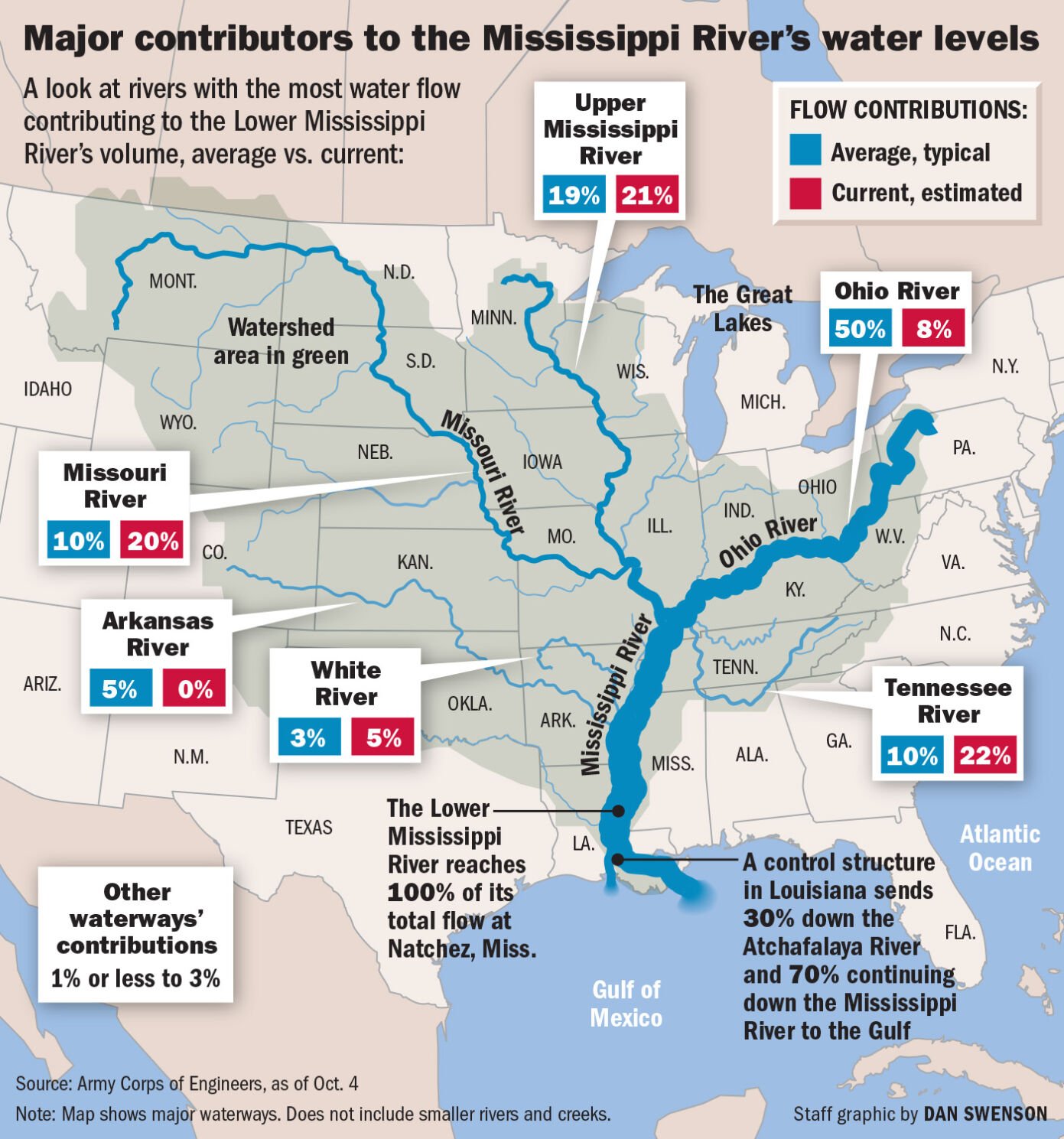
To fully appreciate the termination of the Mississippi River, one must first grasp the immense scale of its upstream journey. This colossal waterway collects water from 31 U.S. states and two Canadian provinces, draining 41% of the contiguous United States. Its waters flow through the varied terrains of Wisconsin, Iowa, Illinois, Missouri, Kentucky, Tennessee, Arkansas, and the state of Mississippi before finally reaching Louisiana. Each mile of this journey contributes to the sediment load that will ultimately define its terminus.
A Journey Through America’s Heartland
The Mississippi’s passage through the heartland of America is a mosaic of experiences. From the towering bluffs of the Upper Mississippi to the wide, meandering curves of the Lower Mississippi, the river has shaped the very fabric of the nation. It has been a pathway for explorers, a battleground in wars, and a source of livelihood for countless communities. Along its banks, landmarks abound, from historical plantations to bustling port cities, each telling a piece of the American story. For travelers embarking on a river journey, whether by steamboat or car, the shifting landscapes offer a constantly evolving perspective on the country’s diverse geography and rich heritage. Understanding this preamble makes the river’s end even more significant as the culmination of such an extraordinary flow.

The Bird’s Foot Delta and the Gulf of Mexico
The true endpoint of the Mississippi River is the Bird’s Foot Delta, a fascinating geological formation where the river fragments into a series of distributaries, often referred to as “passes,” before emptying into the Gulf of Mexico. Located in Plaquemines Parish, Louisiana, this delta gets its name from its distinctive shape, which, when viewed from above, resembles the splayed toes of a bird’s foot.
This region is not a single, static point but a dynamic zone where fresh river water mixes with the salty Gulf waters. The constant deposition of sediment carried downstream by the Mississippi has built up this land over thousands of years, creating a vast expanse of wetlands, marshes, and shallow waters. This unique ecosystem is incredibly rich in biodiversity, providing critical habitat for an astonishing array of wildlife, including migratory birds, alligators, various fish species, and marine mammals. For nature enthusiasts, birdwatchers, and anglers, the Bird’s Foot Delta is a paradise, offering unparalleled opportunities for ecotourism and outdoor adventure. Fishing charters are particularly popular, with the brackish waters serving as a fertile breeding ground for a multitude of species.
New Orleans: The Gateway to the River’s Mouth
While the literal end of the Mississippi River is deep within the delta, the vibrant city of New Orleans, often called the “Crescent City,” serves as the quintessential gateway to this ultimate destination. Situated just upstream from the delta proper, New Orleans is intrinsically linked to the river, its history, economy, and very identity shaped by the mighty Mississippi. For any traveler interested in the river’s journey, a visit to New Orleans is not just highly recommended, it’s essential.
Cultural Crossroads and Culinary Delights
New Orleans is a melting pot of cultures – French, Spanish, African, Caribbean, and American – all blended to create a unique and intoxicating atmosphere. This cultural richness is evident in its architecture, its music (the birthplace of jazz), and, perhaps most famously, its unparalleled cuisine. From world-renowned fine dining establishments to humble street food vendors, the city offers an array of dishes that reflect its heritage, including gumbo, jambalaya, po’boys, and beignets. For foodies, a culinary tour of New Orleans is a journey in itself, a true highlight of any lifestyle exploration. Many hotels in the city, from luxury resorts like The Roosevelt New Orleans to charming boutique hotels in the French Quarter, offer exceptional dining experiences that complement the local gastronomy.
Exploring the French Quarter and Beyond
The historic French Quarter, with its iconic Bourbon Street, Jackson Square, and St. Louis Cathedral, is a must-visit landmark. Its iron-laced balconies, vibrant art scene, and lively music venues draw millions of visitors annually. Beyond the French Quarter, neighborhoods like the Garden District showcase stunning antebellum architecture and lush gardens, perfect for a leisurely stroll. The city also boasts numerous museums and art galleries, from the National WWII Museum to smaller, local collections, providing rich insights into history and contemporary art. When considering accommodation, options range from historic apartments and villas offering a taste of local living to modern suites with all the desired amenities. Many hotels are strategically located to offer easy access to these attractions, making New Orleans an ideal base for exploring the river’s influence.
Riverboat Cruises and Delta Excursions
No visit to New Orleans is complete without experiencing the Mississippi River firsthand. Iconic riverboat cruises, such as those offered by the Steamboat Natchez or the Creole Queen, provide a picturesque way to see the city skyline from the water, often accompanied by live jazz music and traditional Creole dining. For those seeking to venture closer to the river’s true end, various delta excursions and swamp tours depart from New Orleans or nearby towns like Poydras and Laura Plantation. These tours offer an opportunity to witness the delicate ecosystem of the delta up close, observing alligators, exotic birds, and the unique flora that thrives in this aquatic environment. These activities are perfect for family trips or anyone looking for an authentic Louisiana experience that extends beyond the urban hustle.
Beyond the Delta: Experiencing Coastal Louisiana
While the Bird’s Foot Delta marks the geological conclusion of the Mississippi, the influence of the river extends far into coastal Louisiana. This expansive region, characterized by its intricate network of bayous, marshes, and barrier islands, is a testament to the river’s power and its continuous interaction with the Gulf of Mexico. Exploring this area offers a deeper understanding of the ecological significance of the Mississippi’s end.
Bayou Adventures and Wildlife Encounters
The bayous of Louisiana provide a glimpse into a world unlike any other. Guided airboat tours or traditional pirogue trips allow visitors to navigate the narrow waterways, offering close-up encounters with indigenous wildlife. Alligators are a common sight, sunning themselves on the banks, alongside turtles, various snake species, and a myriad of birdlife, from egrets to herons. Many local guides share fascinating stories of Cajun culture and the unique lifestyle of those who live in harmony with the bayou. For those seeking a truly immersive experience, some remote lodges and cabin rentals offer tranquil accommodation options, allowing guests to wake up to the sounds of the marsh and explore at their own pace. These areas are fantastic for budget travel adventurers looking for unique stays.
Preserving a Unique Ecosystem
The Mississippi River Delta and the surrounding coastal areas face significant environmental challenges, including land loss and habitat degradation. Several organizations and initiatives are dedicated to the preservation and restoration of this vital ecosystem. Travelers and tourists can learn about these efforts through interpretive centers and eco-friendly tours that emphasize sustainable practices. Understanding the fragility and importance of this region adds another layer of depth to the experience, transforming a simple trip into an educational and inspiring journey. Supporting local businesses and choosing responsible tourism operators can directly contribute to these conservation efforts, ensuring that future generations can also marvel at the Mississippi’s grand conclusion.
Planning Your Mississippi River Finale Adventure
Embarking on a journey to the end of the Mississippi River is an enriching travel experience that can be tailored to various interests and lifestyles. Whether you’re a history buff, a nature lover, a foodie, or simply someone seeking a unique adventure, the Lower Mississippi River basin, particularly New Orleans and the Louisiana delta, offers an incredible array of attractions and activities.
Accommodation and Travel Tips
When planning your trip, consider the diverse range of accommodation options available. In New Orleans, you can choose from opulent luxury hotels and resorts like the Ritz-Carlton or the Omni Royal Orleans Hotel, offering world-class amenities and services, often with stunning views of the Mississippi. For a more intimate experience, boutique hotels in the French Quarter or bed and breakfasts in the Garden District provide charm and local flavor. If you’re looking to explore the more remote bayou areas, consider guesthouses or rustic cabins that offer proximity to nature. Booking in advance is always recommended, especially during peak seasons like Mardi Gras or Jazz Fest. Always check reviews and use comparison sites to find the best deals on hotels, suites, or apartments. For longer stays, exploring villas or long-term rental options can provide a more immersive local culture experience.
Iconic Landmarks and Must-See Attractions
Beyond New Orleans, consider a drive along the Great River Road, which parallels the Mississippi and leads to magnificent plantations like Oak Alley Plantation or Houmas House Plantation and Gardens. These historical landmarks offer a window into the pre-Civil War South, complete with stunning architecture and fascinating, albeit often somber, stories. For those interested in outdoor activities, guided kayak tours or fishing excursions into the delta are unforgettable. Remember to pack appropriate gear for the Louisiana climate, which can be warm and humid, especially during the summer months. Travel tips often include wearing insect repellent when exploring wetland areas.
Ultimately, the end of the Mississippi River is not merely a geographical point but a vibrant culmination of diverse ecosystems, rich history, and unique cultural experiences. It’s an invitation to explore a truly remarkable part of the world, offering something for every type of traveler seeking to connect with the grandeur of America’s most iconic waterway. From the lively streets of New Orleans to the serene bayous and the expansive Gulf of Mexico, the Mississippi’s finale is a destination well worth the journey.
LifeOutOfTheBox is a participant in the Amazon Services LLC Associates Program, an affiliate advertising program designed to provide a means for sites to earn advertising fees by advertising and linking to Amazon.com. Amazon, the Amazon logo, AmazonSupply, and the AmazonSupply logo are trademarks of Amazon.com, Inc. or its affiliates. As an Amazon Associate we earn affiliate commissions from qualifying purchases.