
The journey to “I do” is often filled with excitement, anticipation, and a fair share of planning. While dreams of white dresses, picturesque venues, and romantic honeymoons dance in your head, there’s a crucial first step that often gets overlooked in the initial romantic haze: securing your marriage license. For couples envisioning a wedding in the Lone Star State, understanding “How Much Is A Marriage License In Texas?” is more than just a financial query; it’s the gateway to your lifelong adventure together.
Texas, a state renowned for its vast landscapes, vibrant culture, and unparalleled hospitality, offers a charming backdrop for any wedding, from intimate elopements to grand celebrations. Whether you’re a long-time resident or considering a destination wedding, navigating the practicalities of a Texas marriage license is straightforward once you know the ropes. This comprehensive guide will not only break down the costs but also weave in essential details about the application process, waiting periods, and how it all connects to planning your dream Texas nuptials and subsequent romantic escapes.

Navigating the Texas Marriage License Landscape
Securing your marriage license in Texas is a fundamental administrative step, and understanding its various facets is key to a smooth process. It’s less about jumping through hoops and more about ensuring your union is legally recognized and celebrated.
The Core Cost: Standard License Fees
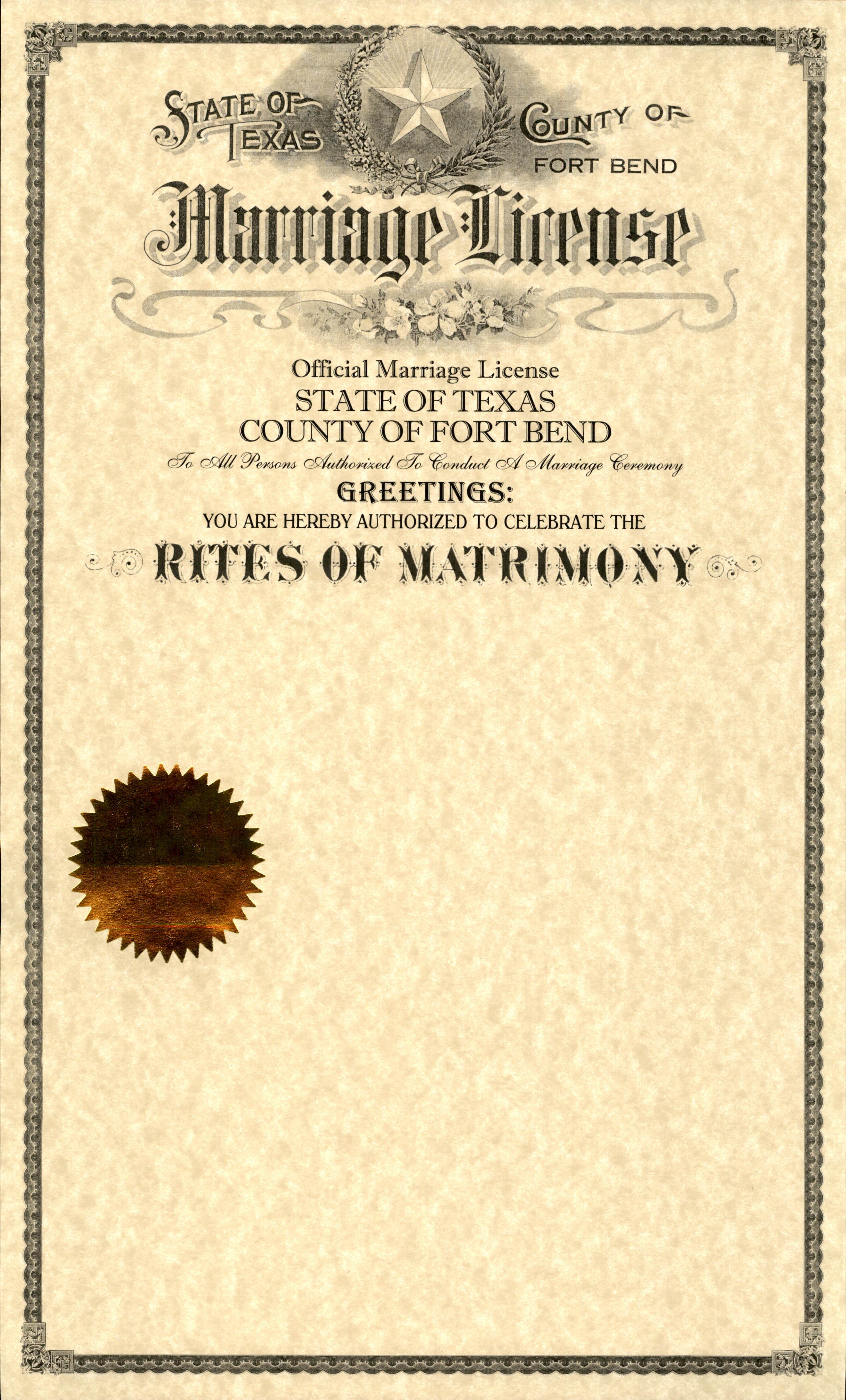
At its heart, the cost of a marriage license in Texas is relatively modest, especially when compared to the broader expenses of a wedding. Typically, a standard marriage license will cost between $81 and $85. This fee is consistent across most of the state’s 254 counties, though minor variations might occur based on local administrative charges. For instance, whether you’re applying in bustling Houston, historic San Antonio, or the charming Texas Hill Country, the base fee remains largely similar.
This fee covers the administrative costs associated with processing your application, recording your marriage, and providing you with the necessary documentation. It’s a one-time payment made to the County Clerk’s office where you apply. It’s important to remember this cost is separate from any fees for the officiant, venue, or other wedding-related services.
For those considering an informal marriage, often referred to as common-law marriage, Texas also offers a “Declaration of Informal Marriage.” This document, which legally recognizes your common-law union, typically costs around $47-$50. While different from a traditional marriage license, it serves a similar legal purpose for couples who meet the state’s criteria for informal marriage.
Understanding the Waiting Period and Expiration
One of the most crucial aspects to remember when planning your Texas wedding, especially for out-of-state couples or those on a tight schedule, is the 72-hour waiting period. After you obtain your marriage license from the County Clerk, you must wait at least 72 hours before the marriage ceremony can officially take place. This waiting period is a legal requirement designed to ensure couples have ample time to consider the gravity of their decision.
There are a few exceptions to this rule:
- If one applicant is an active-duty member of the U.S. armed forces.
- If the applicants complete a state-approved premarital education course (more on this below).
- If a judge grants a waiver in certain hardship cases.
This waiting period is particularly important for couples traveling to Texas for their wedding. You’ll need to factor in at least three full days between applying for the license and your ceremony. This could mean arriving a few days early, which opens up opportunities for pre-wedding relaxation at a luxurious Houston hotel like The Post Oak Hotel at Uptown Houston, or enjoying the vibrant nightlife of Austin’s Sixth Street.

Once issued, a Texas marriage license has a validity period. It is valid for 89 days from the date it’s issued. This means you must have your ceremony performed within this approximately three-month window. If you don’t get married within 89 days, the license expires, and you’ll need to reapply and pay the fee again. This timeframe offers flexibility but requires careful planning to ensure your ceremony falls within the valid period.
Pre-Marital Education: A Path to Savings and Stronger Bonds
Texas encourages couples to invest in their future together through premarital education. The Twogether in Texas program, a state-backed initiative, offers a fantastic incentive: completing a state-approved premarital education course can waive the state portion of your marriage license fee, potentially saving you around $60. This reduces the cost to approximately $21-$25, depending on the county.
Beyond the financial savings, these courses provide invaluable tools and resources for building a strong and lasting marriage. Topics often include communication skills, conflict resolution, financial management, and setting realistic expectations. Many courses are available online or in person, making them accessible to a wide range of couples. Finding a local class in cities like Dallas or Fort Worth could be a pleasant experience, possibly even at a local community center or religious institution.
Furthermore, completing an approved premarital education course also waives the 72-hour waiting period, allowing you to get married immediately after receiving your license. This can be a significant advantage for couples planning a quick elopement or those with tight travel schedules. You’ll receive a certificate of completion from your course provider, which you’ll need to present when applying for your license.
Beyond the License: Planning Your Texas Wedding Journey
With the marriage license logistics understood, your focus can shift to the exciting aspects of wedding planning, perfectly integrating with the themes of travel, accommodation, and lifestyle.
Choosing Your Texas Wedding Destination
Texas offers an incredible array of wedding destinations, each with its unique charm and appeal.
- Austin: Known as the “Live Music Capital of the World,” Austin provides a vibrant, eclectic atmosphere. Couples can choose from chic downtown hotels like The Driskill, luxurious resorts nestled in the Texas Hill Country just outside the city, or trendy boutique venues. Its culinary scene and proximity to outdoor activities make it ideal for a lively pre-wedding celebration or a unique honeymoon.
- San Antonio: Rich in history and romance, San Antonio is home to the iconic Alamo and the enchanting River Walk. Imagine exchanging vows in a historic mission or a charming riverside restaurant. The city’s Spanish colonial architecture provides a stunning backdrop for wedding photos, and its unique blend of cultures offers a truly memorable experience. Stay at the Hotel Contessa for a River Walk experience or the Mokara Hotel & Spa for luxury.
- Dallas & Fort Worth: These twin cities offer cosmopolitan sophistication mixed with authentic Western charm. Dallas boasts elegant ballrooms, art deco venues, and high-end hotels like The Ritz-Carlton, Dallas or the Rosewood Mansion on Turtle Creek. Fort Worth, with its historic Stockyards and charming downtown, provides a more rustic yet refined setting, perfect for a unique Texas experience.
- Texas Hill Country: For breathtaking natural beauty, rolling vineyards, and serene landscapes, the Texas Hill Country is unmatched. Wineries around Fredericksburg and Dripping Springs offer picturesque venues, while charming bed-and-breakfasts and luxury resorts like the JW Marriott San Antonio Hill Country Resort & Spa provide idyllic accommodation for both weddings and honeymoons.
- Galveston: If a coastal wedding is your dream, Galveston Island offers historic charm, beautiful beaches, and stunning Gulf Coast views. Its Victorian architecture and seaside resorts create a romantic, timeless atmosphere.
Accommodation for Your Big Day
Whether you’re hosting guests or looking for a romantic retreat for yourselves, Texas delivers diverse accommodation options.
- Luxury Resorts: For a grand celebration or a lavish honeymoon, Texas has world-class resorts. Think of The Ritz-Carlton in Dallas, the Hyatt Regency Hill Country Resort and Spa near San Antonio, or the Four Seasons Hotel Austin. These properties often offer comprehensive wedding packages, exquisite dining, and spa services, catering to every desire.
- Boutique Hotels: For a more intimate and unique experience, consider the many boutique hotels found in cities like Austin’s South Congress Avenue, or the historic districts of San Antonio. Places like Hotel Havana or The Hotel Ella offer character, personalized service, and often beautiful event spaces perfect for smaller weddings.
- Vacation Rentals: For couples seeking privacy or those with larger wedding parties, vacation rentals via platforms like Airbnb or VRBO are excellent choices. From charming cottages in Fredericksburg to spacious homes on South Padre Island, these options provide flexibility and a “home away from home” feel, ideal for extended stays or pre-wedding gatherings.
- Budget-Friendly Options: Even on a tighter budget, Texas offers comfortable and convenient hotel chains such as Hilton Garden Inn, Marriott Courtyard, or Holiday Inn Express. Many are located near major attractions and provide reliable service, allowing you to allocate more of your budget to the ceremony itself or a dream honeymoon.
Experiencing Texas: Pre-Wedding and Honeymoon Adventures
Your wedding journey in Texas extends beyond the ceremony. Consider the travel and tourism opportunities available for pre-wedding celebrations, engagement photo shoots, or an unforgettable honeymoon.
- Culinary Tours: Indulge in Texas BBQ in Lockhart, savor Tex-Mex in San Antonio, or explore the burgeoning fine dining scenes in Dallas and Houston. Food tours offer a delicious way to experience local culture.
- Outdoor Adventures: For adventurous couples, explore Big Bend National Park for hiking and stargazing, go kayaking on Lady Bird Lake in Austin, or relax on the beaches of South Padre Island.
- Cultural Exploration: Visit the museums in Houston’s Museum District, explore the Dallas Arts District, or immerse yourselves in the cowboy heritage of the Fort Worth Stockyards. Don’t miss the NASA Johnson Space Center in Houston for a truly out-of-this-world experience.
Essential Requirements and Considerations for Your Texas Marriage
Understanding the administrative prerequisites ensures a seamless journey from application to marital bliss.
Who Can Get Married in Texas?
To apply for a marriage license in Texas, both applicants must generally meet the following criteria:
- Age: Both individuals must be at least 18 years old. Minors aged 16 or 17 may marry with parental consent, a court order, or if they are emancipated.
- Identification: You will need a valid form of identification, such as a driver’s license, state ID card, passport, or military ID.
- Appearance: Both applicants must appear in person before the County Clerk to apply.
- Previous Marriages: If either applicant has been divorced, Texas law states that you cannot remarry until 30 days after the date the divorce was finalized. If the divorce was finalized within the last 30 days, you might need a certified copy of the divorce decree stating that the 30-day waiting period was waived.
- Relationship: You cannot be related to each other as full or half-blood siblings, or as an ascendant or descendant (parent, child, grandparent, grandchild).
Absentee Applicants: In certain circumstances, one applicant may be absent if they are unable to appear due to an unavoidable cause or if they are in the U.S. armed forces. The absent applicant must provide a notarized affidavit. This flexibility is particularly useful for military personnel or those facing travel restrictions.
The Ceremony Itself: Officiants and Recording Your Marriage
Once you have your license and the waiting period has passed (or been waived), it’s time for the ceremony!
- Who Can Officiate: In Texas, a marriage ceremony can be performed by a number of individuals, including:
- Licensed or ordained ministers or priests of any religion.
- Judges of various courts (Supreme Court, Court of Criminal Appeals, Courts of Appeals, District Courts, County Courts, Courts at Law, Statutory Probate Courts, Justice Courts, Municipal Courts).
- Retired judges of these courts.
- Justices of the Peace.
- An active or retired judge of a federal court in Texas.
- Recording Your Marriage: After the ceremony, the officiant is responsible for completing the marriage license and returning it to the County Clerk’s office within 30 days of the ceremony. The County Clerk will then record the marriage and send the original license to the couple, officially making your union a matter of public record. It’s a good idea to ensure your officiant understands this responsibility and follows through promptly.
Budgeting for Your Texas Nuptials: More Than Just the License
While the marriage license fee is a small component, it’s a good starting point for your overall wedding budget. Thinking holistically about your wedding expenses, within the context of lifestyle choices and travel, is crucial.
From License to Lifestyle: Comprehensive Wedding Budgeting
Your marriage license is the first tangible cost, but it quickly expands into a wider array of decisions that reflect your lifestyle and aspirations.
- Venue Costs: From grand ballrooms in Dallas to rustic barns in the Texas Hill Country, venue expenses can range significantly. Consider what kind of “experience” you want to offer your guests.
- Accommodation for Guests: If you’re hosting a destination wedding, offering hotel blocks at various price points in cities like Austin or San Antonio can be a thoughtful gesture. Perhaps a mix of luxury resorts for some and more budget-friendly Hilton or Marriott properties for others.
- Travel Expenses: Factor in flights, car rentals, and local transportation for yourselves and any out-of-town guests.
- Food and Beverage: Catering can be a major expense, but Texas’s diverse culinary scene means you can find options from gourmet fine dining to laid-back food truck feasts.
- Photography and Videography: Capturing your special moments is an investment. Many photographers specialize in destination weddings and are familiar with Texas’s most scenic spots.
- Wedding Attire, Rings, and Officiant Fees: These personal touches contribute to the overall cost and reflect your individual style.
Cost-Saving Strategies for a Dream Texas Wedding
Even with dreams of a grand Texas wedding, smart budgeting can help you achieve your vision without breaking the bank.
- Off-Season Weddings: Consider planning your wedding during the off-peak seasons (e.g., Texas summers can be hot, but venues often offer lower rates).
- Mid-Week Ceremonies: Venues and vendors often provide discounts for weekday weddings.
- All-Inclusive Packages: Many resorts, especially in popular tourist destinations like Galveston or the Texas Hill Country, offer all-inclusive wedding packages that can simplify planning and provide cost predictability.
- Local Vendors: Support local businesses in cities like Austin or Houston for catering, flowers, and entertainment. This can sometimes be more cost-effective and adds a unique local flavor to your event.
- DIY Elements: For creative couples, incorporating DIY decorations or favors can save money and add a personal touch.
- Honeymoon Locally: Instead of an expensive international trip, explore Texas for your honeymoon. A luxurious stay at a boutique hotel in Austin, a romantic cabin in the Texas Hill Country, or a beachfront resort on South Padre Island can be incredibly memorable and budget-friendly.
In conclusion, the cost of a marriage license in Texas is a minor but essential part of your wedding journey. By understanding the fees, waiting periods, and the benefits of premarital education, you can smoothly navigate this administrative step. More importantly, this process opens the door to planning an unforgettable wedding and honeymoon experience in a state that truly offers something for every couple, whether you’re drawn to vibrant city life, serene natural beauty, or rich historical charm. From the moment you pick up your license to the day you say “I do” and beyond, Texas promises a wealth of travel, accommodation, and lifestyle experiences to celebrate your love story.
LifeOutOfTheBox is a participant in the Amazon Services LLC Associates Program, an affiliate advertising program designed to provide a means for sites to earn advertising fees by advertising and linking to Amazon.com. Amazon, the Amazon logo, AmazonSupply, and the AmazonSupply logo are trademarks of Amazon.com, Inc. or its affiliates. As an Amazon Associate we earn affiliate commissions from qualifying purchases.