
The question “Is Puerto Rico a state of America?” is one that often sparks curiosity, not only for those interested in political geography but especially for travelers planning a visit to this captivating Caribbean Sea gem. While geographically part of the Caribbean, Puerto Rico shares a unique and complex political relationship with the United States. Understanding this status is key to appreciating the island’s distinctive culture, ease of travel, and what makes it such an intriguing destination for adventurers, luxury seekers, and budget-conscious explorers alike.
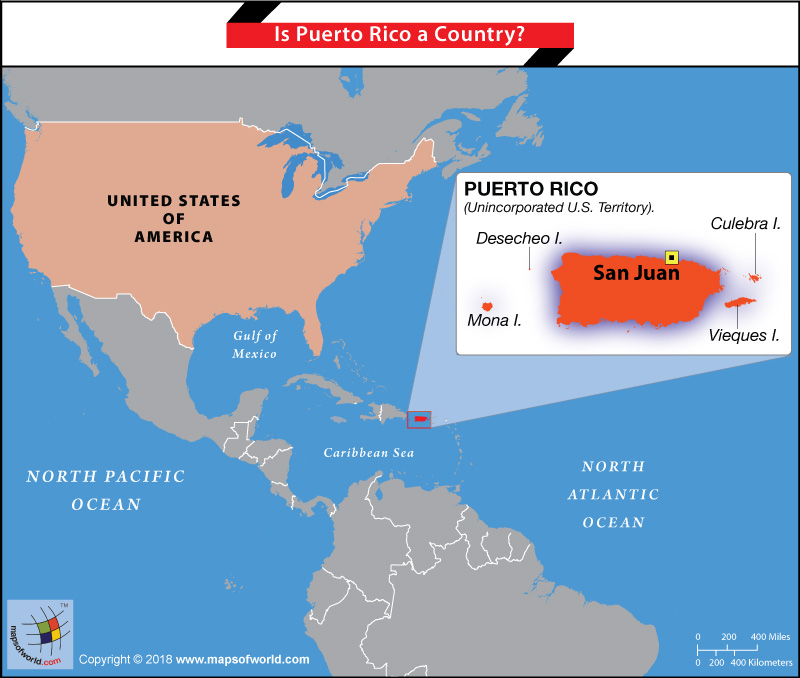
The straightforward answer is no, Puerto Rico is not a U.S. state. It holds the designation of an unincorporated territory of the United States. This unique relationship means that while Puerto Rico is under U.S. sovereignty, it is not an integral part of the United States in the same way a state is. Its residents are American citizens, use the US Dollar as currency, and carry U.S. passports, yet they do not have voting representation in the U.S. Congress and do not vote in U.S. presidential elections. For travelers, however, this status translates into an incredibly convenient and enriching experience, blending familiar aspects with a vibrant, distinctively Puerto Rican flavor.
Understanding Puerto Rico’s Unique Status
The political landscape of Puerto Rico is unlike any other, shaped by over a century of its relationship with the United States. This nuanced status has significant implications for both its inhabitants and for the millions of tourists who flock to its shores each year.
A Commonwealth, Not a State
Puerto Rico is officially known as the Commonwealth of Puerto Rico (Estado Libre Asociado de Puerto Rico in Spanish). This commonwealth status grants the island a degree of self-governance, allowing it to have its own constitution, governor, and legislative assembly. However, ultimate authority still rests with the U.S. Congress, which can pass laws affecting Puerto Rico. This arrangement has been the subject of ongoing debate and referendums on the island, with residents frequently weighing options ranging from full statehood to enhanced commonwealth status or complete independence.
The unique designation as an unincorporated territory means that while certain provisions of the U.S. Constitution apply, not all do. This differentiates it from incorporated territories, which are considered on a path to statehood and where the entire U.S. Constitution applies. For practical purposes, this means that while residents of Puerto Rico enjoy many of the rights and protections of U.S. citizens, they are subject to different federal tax laws and are not fully integrated into the federal system in the same way residents of a state are. This political background, while complex, creates a fascinating context for understanding the island’s development, its resilience, and the unique blend of cultures that thrive here.

Citizenship and Governance for Locals and Visitors
One of the most significant aspects of Puerto Rico’s status is the citizenship of its people. Since 1917, all persons born in Puerto Rico have been U.S. citizens. This makes travel between the mainland United States and Puerto Rico exceptionally easy for American citizens. There is no need for a passport, no currency exchange, and no customs checks, effectively making it a domestic trip within the U.S. system. This convenience is a major draw for U.S. travelers seeking an exotic getaway without the hassle of international travel.
For international visitors, the entry requirements for Puerto Rico are the same as those for entering the United States. This means foreign nationals will need a valid passport and, if required, a U.S. visa or an ESTA authorization under the Visa Waiver Program. The island operates under the U.S. legal system, though with its own local laws and courts that often blend U.S. common law principles with civil law traditions inherited from Spain. This blend is subtly reflected in everything from the architecture to the daily rhythms of life, offering a unique fusion that is both familiar and distinctly foreign.
Why Puerto Rico’s Status Matters for Travelers
Beyond the political implications, Puerto Rico’s relationship with the United States profoundly impacts the travel experience, offering a blend of convenience and exoticism that is hard to match. This unique position shapes everything from travel logistics to the cultural immersion visitors can expect.
Seamless Travel for U.S. Citizens
For U.S. citizens, traveling to Puerto Rico is as simple as flying to another state. This eliminates many of the common stressors associated with international travel. There’s no need to apply for a new passport or renew an expired one, no worries about foreign currency exchange rates, and no complex customs declarations. Your valid government-issued ID (like a driver’s license) is typically all you need for domestic air travel. This ease of access makes Puerto Rico an incredibly popular destination for family trips, spontaneous getaways, and even business stays, as the logistics are simplified.
The direct flights available from numerous U.S. cities to major airports like Luis Muñoz Marín International Airport in San Juan further enhance its accessibility. This convenience fosters a vibrant tourism industry, making the island a prime choice for those seeking a tropical escape with all the comforts of home, while simultaneously immersing themselves in a truly distinct culture. For budget travelers, avoiding passport fees and international travel insurance can also lead to significant savings.
Currency, Language, and Legal Framework
The use of the US Dollar across Puerto Rico means travelers don’t have to worry about currency conversion or understanding fluctuating exchange rates. Credit cards and debit cards are widely accepted, just as they are on the mainland, and ATMs are readily available. This financial familiarity allows visitors to focus entirely on enjoying their vacation, whether they’re splurging on a luxury resort or managing a budget-friendly trip.
While Spanish is the dominant language and the official language of the government, English is also an official language and is widely spoken, especially in tourist areas, hotels, and major cities like San Juan and Ponce. This bilingual environment makes communication relatively easy for English-speaking travelers, bridging the cultural gap without requiring visitors to become fluent in Spanish overnight. Road signs, menus, and information at attractions often appear in both languages.
Furthermore, being under the U.S. legal framework means that familiar consumer protections and safety standards are generally in place. This provides a sense of security for travelers, knowing that they are visiting a destination with a stable legal and governmental system. Healthcare facilities, while specific to Puerto Rico, generally meet U.S. standards, and emergency services operate similarly to those on the mainland.
Cultural Nuances and Travel Experiences
Despite the administrative ties, Puerto Rico maintains a profoundly rich and distinct culture, rooted in its Taíno, Spanish, and African heritage, with a touch of American influence. This vibrant fusion is evident in its music (salsa, plena, bomba), its cuisine (mofongo, lechón, coquito), its festivals, and its warm, welcoming people. Travelers will find themselves immersed in a culture that feels authentically Caribbean and Latin, yet with an underlying familiarity that makes exploring all the more comfortable.
This unique blend of familiarity and exoticism creates unparalleled travel experiences. You can enjoy world-class resorts with U.S. brand names, while simultaneously stepping out to explore historic cobblestone streets in Old San Juan, hike through the only tropical rainforest in the U.S. national forest system (El Yunque National Forest), or dance to live salsa music in a local bar. The island truly offers the best of both worlds, making it an ideal destination for those who want adventure and cultural immersion without the typical challenges of international travel.
Discovering the Charms of Puerto Rico: A Traveler’s Paradise
Puerto Rico offers an incredible diversity of experiences, cementing its status as a premier travel destination. From its sun-kissed beaches to its lush interior and historic cities, there’s something to captivate every type of traveler.
Top Destinations and Must-See Landmarks
San Juan: The capital city is a vibrant hub where history meets modernity. Old San Juan, a UNESCO World Heritage site, boasts colorful colonial architecture, narrow cobblestone streets, and formidable fortresses like El Morro and Castillo San Cristóbal. These historic landmarks offer a fascinating glimpse into the island’s strategic past. Beyond history, San Juan offers bustling nightlife, exquisite dining, and beautiful urban beaches like Condado and Isla Verde.
El Yunque National Forest: A short drive from San Juan, this magical rainforest is a haven for nature lovers. Hike through verdant trails, discover hidden waterfalls, and listen to the enchanting calls of the coquí frog. It’s a testament to Puerto Rico’s incredible biodiversity.
The Bioluminescent Bays: Puerto Rico is home to three of the world’s five bioluminescent bays. The most famous, Mosquito Bay on the island of Vieques, offers an ethereal nighttime kayaking experience where the water glows with every paddle stroke. Laguna Grande in Fajardo and La Parguera in the southwest are also phenomenal.
Vieques and Culebra: These smaller sister islands, accessible by ferry or short flight, are renowned for their pristine, undeveloped beaches. Flamenco Beach on Culebra consistently ranks among the world’s best, with its white sands and crystal-clear turquoise waters.
Rincón: On the western coast, Rincón is Puerto Rico’s surfing mecca, attracting surfers from around the globe, especially during winter months. It also offers breathtaking sunsets and a laid-back, bohemian vibe.
Ponce: Known as the “Pearl of the South,” Ponce boasts neoclassical architecture, unique museums, and a distinct cultural identity. Its historic firehouse, Parque de Bombas, is an iconic landmark.
Other notable attractions include the impressive Camuy River Cave Park, one of the largest cave systems in the world, and the Arecibo Observatory (though impacted by recent events, its legacy remains significant).
Accommodation Options for Every Lifestyle
Puerto Rico’s diverse landscape and tourism focus mean accommodation options are plentiful and varied, catering to every budget and lifestyle.
- Luxury Resorts: For those seeking an opulent escape, resorts like Dorado Beach, a Ritz-Carlton Reserve offer exclusive amenities, private beaches, and world-class service. In San Juan, the Condado Vanderbilt Hotel blends historic elegance with modern luxury. Major international brands like Hilton, Marriott, and Wyndham also have a strong presence, particularly in San Juan and Dorado.
- Boutique Hotels: Charming boutique hotels, especially prevalent in Old San Juan, offer a more intimate and culturally immersive experience, often housed in beautifully restored colonial buildings.
- Vacation Rentals (Villas, Apartments): Platforms like Airbnb and local rental agencies provide a vast selection of villas, apartments, and houses, perfect for families, groups, or those seeking a longer-term stay with self-catering options. Areas like Rincón and Aguadilla are popular for this.
- Budget-Friendly Options: Hostels, guesthouses, and smaller hotels cater to budget travelers, particularly in areas frequented by backpackers and surfers. Many offer basic amenities but provide a fantastic base for exploring.
- Unique Stays: From eco-lodges nestled in the rainforest to glamping sites near the coast, Puerto Rico also offers quirky and memorable accommodation experiences.
Booking is straightforward, with major online travel agencies and hotel websites offering comprehensive options. Reviews and comparison sites are invaluable for finding the perfect fit, whether you prioritize a beachfront location, specific amenities, or proximity to attractions.
Embracing Local Culture and Cuisine
No trip to Puerto Rico is complete without diving into its rich cultural tapestry and savoring its delectable cuisine. Puerto Rican food is a flavorful fusion of Spanish, African, and Taíno influences, characterized by a generous use of sofrito (an aromatic blend of herbs and vegetables), plantains, and fresh seafood.
Must-Try Dishes:
- Mofongo: A quintessential dish made from mashed green plantains, garlic, and pork cracklings (chicharrón), often served with a savory broth and various fillings like shrimp, chicken, or beef.
- Lechón Asado: Whole roasted pig, slow-cooked to perfection, with incredibly crispy skin and tender meat. A visit to Guavate (Pork Highway) is a culinary adventure.
- Pasteles: Similar to tamales, these are made from a green plantain and root vegetable masa, filled with meat, and wrapped in banana leaves.
- Arroz con Gandules: Rice with pigeon peas, a staple side dish, especially during holidays.
- Alcapurrias and Frituras: Delicious fried fritters made from various root vegetables and fillings.
Beyond food, the island pulses with music and dance. Salsa is king, and visitors can find lively dance clubs and street performances in San Juan and other cities. Attending a local festival, like the San Sebastián Street Festival, offers an unparalleled opportunity to experience the island’s vibrant culture firsthand. Engaging with locals, learning a few Spanish phrases, and participating in local activities like dominoes in a town plaza will enrich your experience immeasurably.
Planning Your Puerto Rico Adventure
With its unique status and incredible offerings, planning a trip to Puerto Rico promises an unforgettable experience. A few key considerations can help ensure a smooth and enjoyable journey.
Essential Travel Tips and Considerations
- Best Time to Visit: The dry season, from December to May, offers pleasant temperatures and lower humidity, ideal for exploring. Hurricane season runs from June to November, with September being the peak month. While travel is possible, keeping an eye on weather forecasts is crucial during this period.
- Transportation: Renting a car is highly recommended for exploring beyond San Juan, especially if you plan to visit the rainforest, caves, or beaches on the west coast. Roads are generally well-maintained. In San Juan, ride-sharing services, taxis, and public buses are available.
- Safety: Like any travel destination, it’s wise to be aware of your surroundings, especially in crowded tourist areas or at night. Stick to well-lit areas, and secure your valuables. Puerto Rico is generally a safe destination for tourists.
- Packing: Pack light, breathable clothing, swimwear, comfortable walking shoes, and insect repellent, especially if visiting El Yunque National Forest or the bioluminescent bays. Sunscreen and a hat are essential for protection against the tropical sun.
- Tipping: Tipping customs are similar to the mainland United States, with 15-20% customary for good service in restaurants and for other service providers.
Beyond the Beach: Unique Activities and Experiences
While Puerto Rico is famed for its stunning beaches, the island offers a wealth of activities that go far beyond sunbathing.
- Adventure Tourism: Go zip-lining through the canopy of Toro Verde Adventure Park, rappel down waterfalls in San Cristóbal Canyon, or explore underground rivers and caves.
- Water Sports: Dive and snorkel in the vibrant coral reefs off Fajardo or Culebra, try paddleboarding or kayaking in tranquil lagoons, or take surfing lessons in Rincón or Aguadilla.
- Coffee Plantations: Explore the scenic central mountains and visit a working coffee hacienda to learn about the bean-to-cup process and sample exquisite locally grown coffee.
- Arts and Crafts: Discover local artisans crafting traditional vejigante masks, musical instruments, and intricate lace, especially in towns like Loíza, known for its African heritage.
- Nightlife: From sophisticated lounges in Condado to vibrant salsa clubs in Old San Juan and lively beach bars on the west coast, Puerto Rico comes alive after dark.
In conclusion, while Puerto Rico is not a state of America, its unique status as an unincorporated U.S. territory is precisely what makes it such an appealing and accessible destination. It offers the best of both worlds: the logistical ease and familiarity of domestic travel for U.S. citizens, combined with a profoundly rich, distinct, and vibrant Caribbean culture. Whether you’re seeking a luxurious resort experience, an adventurous outdoor escape, a deep dive into history and culture, or a budget-friendly tropical getaway, Puerto Rico stands ready to enchant and inspire. Its status is not a barrier, but rather a fascinating layer that contributes to its allure as an essential destination on any traveler’s list.
LifeOutOfTheBox is a participant in the Amazon Services LLC Associates Program, an affiliate advertising program designed to provide a means for sites to earn advertising fees by advertising and linking to Amazon.com. Amazon, the Amazon logo, AmazonSupply, and the AmazonSupply logo are trademarks of Amazon.com, Inc. or its affiliates. As an Amazon Associate we earn affiliate commissions from qualifying purchases.