
Embarking on a journey to a new destination involves meticulous planning, from mapping out attractions and booking accommodations to understanding local culture and cuisine. However, one often-overlooked yet critically important detail is the local time. For travelers heading to the Sooner State, knowing, “What is the time in Oklahoma right now?” isn’t just a matter of curiosity; it’s a fundamental aspect that influences every facet of a well-planned trip. Oklahoma, a state brimming with rich history, vibrant cities, and breathtaking natural landscapes, operates within a specific time zone that impacts everything from flight schedules to dinner reservations.
This guide delves into the specifics of Oklahoma’s time zone, its implications for travel planning, and how understanding the local clock can enhance your overall experience. Whether you’re a first-time visitor or a returning explorer, mastering the intricacies of time in Oklahoma will ensure your adventure unfolds seamlessly, allowing you to fully immerse yourself in all the wonders this captivating state has to offer. From the bustling streets of Oklahoma City and Tulsa to the serene beauty of its state parks and historic Route 66 stretches, every moment counts.
Understanding Oklahoma’s Time Zone: Central Time (CT)
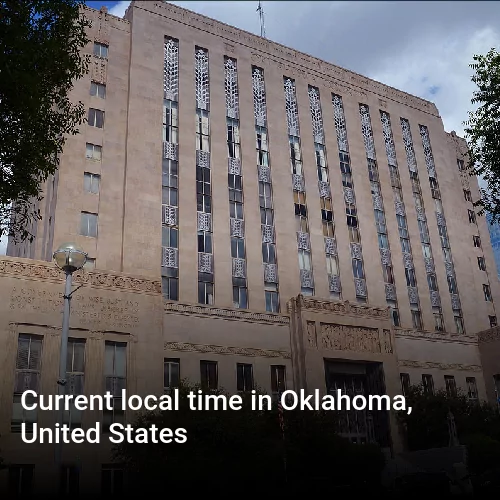
At its core, the answer to “What is the time in Oklahoma right now?” lies in its geographical placement within the United States time zone system. Oklahoma observes the Central Time Zone (CT). This means that, for most of the year, Oklahoma’s local time is six hours behind Coordinated Universal Time (UTC-6). This standard applies uniformly across the entire state, from its northern borders with Kansas to its southern boundary with Texas, and from the western panhandle to its eastern edges adjacent to Arkansas and Missouri. For travelers arriving from time zones further east, this will mean setting your clock back, while those coming from the west will need to adjust forward.
Daylight Saving Time in Oklahoma
Like most of the United States, Oklahoma observes Daylight Saving Time (DST). This annual practice shifts the clock forward by one hour during warmer months. Typically, Daylight Saving Time begins on the second Sunday in March, when clocks “spring forward” from 2:00 AM CT to 3:00 AM Central Daylight Time (CDT). During this period, Oklahoma’s time becomes UTC-5. This change allows for longer daylight hours in the evening, a popular feature for locals and tourists alike who wish to enjoy outdoor activities later into the day. Daylight Saving Time concludes on the first Sunday in November, when clocks “fall back” one hour, returning to Central Standard Time (CST), or UTC-6. It’s crucial for travelers to be aware of these transitions, especially if their trip dates fall around the start or end of DST, as it can affect flight times, scheduled events, and even hotel check-in procedures. Checking the exact dates for Daylight Saving Time for your travel year is a simple but effective planning tip.
Why Time Zones Matter for Travelers
Understanding Oklahoma’s time zone and its adherence to Daylight Saving Time is more than just an academic exercise; it’s a practical necessity for any well-organized trip. For starters, travel logistics such as flight arrivals and departures are always based on local time. Missing a connection or arriving at an airport too late can be a significant setback, easily avoidable by correctly setting your watch. Similarly, hotel check-in and check-out times are strictly enforced according to local hours. An early arrival might mean unexpected waiting or fees, while a late departure could incur additional charges. Beyond the basics, scheduled tours, museum opening and closing times, restaurant reservations, and live event timings are all set to the local clock. Imagine planning to visit the Philbrook Museum of Art in Tulsa only to discover it closed an hour earlier than you thought due to a time zone miscalculation. For business travelers, adhering to meeting schedules with local contacts is paramount. Even for casual tourists, knowing the time allows for better planning of daily itineraries, ensuring maximum enjoyment and minimal stress. It facilitates smooth communication with friends and family back home, ensuring you call at a convenient time for them. In essence, correctly aligning with Oklahoma’s time ensures you’re always in sync with the rhythm of your destination.

Planning Your Oklahoma Adventure: Beyond the Clock
While knowing the current time in Oklahoma is foundational, its true value unfolds when integrated into comprehensive travel planning. For an experience that truly captures the spirit of Oklahoma, travelers must consider how time influences their itinerary, from the bustling urban centers to the tranquil natural escapes. The diverse landscapes and vibrant cities of the state offer a myriad of attractions, each with its own operational hours and peak times, all dictated by the local clock. Proper time management allows you to traverse the state efficiently, making the most of every hour and ensuring you don’t miss out on any must-see sights or unique experiences. It’s about more than just showing up on time; it’s about optimizing your entire travel experience to align with the local pace and offerings.
Optimizing Your Travel Itinerary
Strategic time management is key to unlocking the full potential of your Oklahoma itinerary. Consider starting your day early to visit popular attractions like the National Cowboy & Western Heritage Museum in Oklahoma City or The Gathering Place in Tulsa before the crowds arrive. These iconic landmarks, along with others such as the Myriad Botanical Gardens and the Oklahoma City National Memorial & Museum, typically open their doors around 9:00 AM or 10:00 AM CT and close in the late afternoon. Planning your visits to align with these hours, allowing ample time for exploration without feeling rushed, is crucial. If you’re venturing out to the natural beauty of the Wichita Mountains Wildlife Refuge or Robbers Cave State Park, factor in travel time, which can vary significantly depending on your starting point in Oklahoma City, Tulsa, Norman, or Stillwater. These natural attractions offer breathtaking views and opportunities for hiking and wildlife spotting, often best enjoyed during daylight hours. Long drives across the state, such as exploring the historic stretches of Route 66 or heading to the scenic Ouachita Mountains near Broken Bow, demand careful consideration of sunrise and sunset times, especially if you prefer driving in daylight. Furthermore, many small towns and local businesses, particularly along the Mother Road or in rural areas, may have more limited operating hours, making precise timing essential for a smooth visit.
Accommodation and Booking Considerations
Your choice of accommodation and its associated timings are intrinsically linked to Oklahoma’s local clock. When booking hotels, resorts, apartments, or villas, always confirm the check-in and check-out times in CT. Most establishments, whether a luxury suite in Oklahoma City like the Skirvin Hilton Oklahoma City or a cozy cabin near Lake Texoma, adhere to standard check-in around 3:00 PM or 4:00 PM and check-out by 11:00 AM or 12:00 PM. If your flight arrives significantly earlier than check-in, or departs much later than check-out, you’ll need to plan accordingly. Many hotels offer luggage storage, allowing you to explore the city without your bags. Alternatively, some properties, particularly higher-end resorts or business-oriented hotels such as the Ambassador Hotel Tulsa or The Mayo Hotel, might offer early check-in or late check-out options, often for an additional fee, but this should be arranged in advance. For those booking long-term stays in serviced apartments or vacation rentals, confirming key collection times and understanding any grace periods is crucial. Furthermore, communication with your accommodation provider, especially if you’re arriving from a vastly different time zone, requires careful scheduling to ensure you reach them during their operational hours. This attention to detail ensures a smooth transition into and out of your temporary home in Oklahoma, preventing unnecessary delays or complications.
Embracing the Local Oklahoma Lifestyle and Culture
Beyond the practicalities of travel, understanding the time in Oklahoma allows visitors to truly connect with the local lifestyle and cultural rhythms. The pace of life, daily routines, and social customs are all influenced by the clock, offering a deeper insight into what makes Oklahoma unique. From savoring local cuisine at specific meal times to participating in community events, being in sync with the local time enhances the authenticity of your travel experience, transforming a mere visit into an immersive cultural journey. It’s about living like an Oklahoman, if only for a few days, and appreciating the nuances that define daily life in the Sooner State.
Dining and Local Activities
Food is an integral part of any travel experience, and Oklahoma’s culinary scene, known for its hearty portions and diverse flavors, is no exception. Local dining establishments, from quaint cafes to upscale restaurants, operate on schedules tailored to local meal times. Breakfast joints typically open early, around 6:00 AM or 7:00 AM CT, catering to early risers and morning commuters. Lunch hours generally run from 11:00 AM to 2:00 PM, while dinner service usually begins around 5:00 PM and continues until 9:00 PM or 10:00 PM. Planning your meals around these local norms will ensure you find restaurants open and bustling, offering the freshest fare and most authentic atmosphere. Many of Oklahoma’s best dining experiences, whether it’s a steakhouse in Oklahoma City or a barbecue joint in Broken Arrow, may require reservations, especially on weekends, making timely booking essential. Beyond dining, Oklahoma boasts a calendar full of local activities and festivals. From Native American powwows to music festivals and rodeos, these events have fixed schedules. Knowing the local time is crucial for attending opening ceremonies, parade times, or specific performances. Furthermore, many smaller shops, art galleries, and cultural centers in towns like Guthrie or along scenic byways might have shorter operating hours, often closing in the late afternoon, making it imperative to factor this into your sightseeing plans. Engaging with these local rhythms allows you to fully experience the vibrant community spirit that defines Oklahoma.
Managing Jet Lag and Maintaining Well-being
For travelers arriving from distant time zones, the shift to Oklahoma’s Central Time can lead to jet lag, a common disruptor of travel enjoyment. Proactive management of jet lag is vital for maintaining your well-being and ensuring you have the energy to explore. Before your trip, gradually adjust your sleep schedule to align closer with Oklahoma’s time. Upon arrival, try to immediately adopt the local schedule for meals and sleep, even if you don’t feel tired. Exposing yourself to natural light during Oklahoma’s daylight hours and avoiding heavy meals or excessive caffeine close to bedtime can help reset your body clock. Staying hydrated and incorporating light exercise can also alleviate symptoms. If your journey involves a significant time difference, consider booking your first day’s activities to be less strenuous, allowing your body to acclimate. Perhaps a leisurely stroll through a park or a visit to a spa at a resort like a JW Marriott or a Hyatt Regency could be a gentle introduction to your Oklahoman adventure. Being mindful of your body’s needs and adjusting to the local time gracefully will ensure you stay energized and healthy, ready to fully embrace all the experiences Oklahoma has in store, from its historical landmarks to its modern amenities and vibrant lifestyle.
In conclusion, the seemingly simple question, “What is the time in Oklahoma right now?”, opens a gateway to more informed and enjoyable travel. Understanding that Oklahoma observes Central Time, with the annual adjustment for Daylight Saving Time, is the first step towards a well-orchestrated trip. This knowledge empowers you to meticulously plan everything from flight connections and hotel check-ins to attraction visits and dining experiences. By aligning your schedule with Oklahoma’s local clock, you can optimize your itinerary, avoid unnecessary stress, and truly immerse yourself in the rich tapestry of destinations, culture, and lifestyle that the Sooner State proudly offers. So, before you embark on your next adventure to this captivating corner of the United States, take a moment to sync your watch – it’s the simplest way to ensure a timeless journey through Oklahoma.
LifeOutOfTheBox is a participant in the Amazon Services LLC Associates Program, an affiliate advertising program designed to provide a means for sites to earn advertising fees by advertising and linking to Amazon.com. Amazon, the Amazon logo, AmazonSupply, and the AmazonSupply logo are trademarks of Amazon.com, Inc. or its affiliates. As an Amazon Associate we earn affiliate commissions from qualifying purchases.