
Navigating the world of automotive window tinting in California can feel like deciphering a cryptic code. For many travelers exploring the Golden State, whether by personal vehicle or rental car, understanding these regulations is not just a matter of compliance, but also of ensuring safety and avoiding unexpected fines. This guide aims to demystify California’s specific laws on window tint, providing clear, actionable information for anyone hitting the open road.
Understanding California’s Tint Laws: The Basics
California’s vehicle code, specifically section 26708, governs the application of materials on vehicle windows. The primary goal of these laws is to ensure driver visibility and facilitate law enforcement’s ability to see into vehicles. Tinting, while popular for aesthetics, heat reduction, and privacy, is strictly regulated to maintain these safety standards.
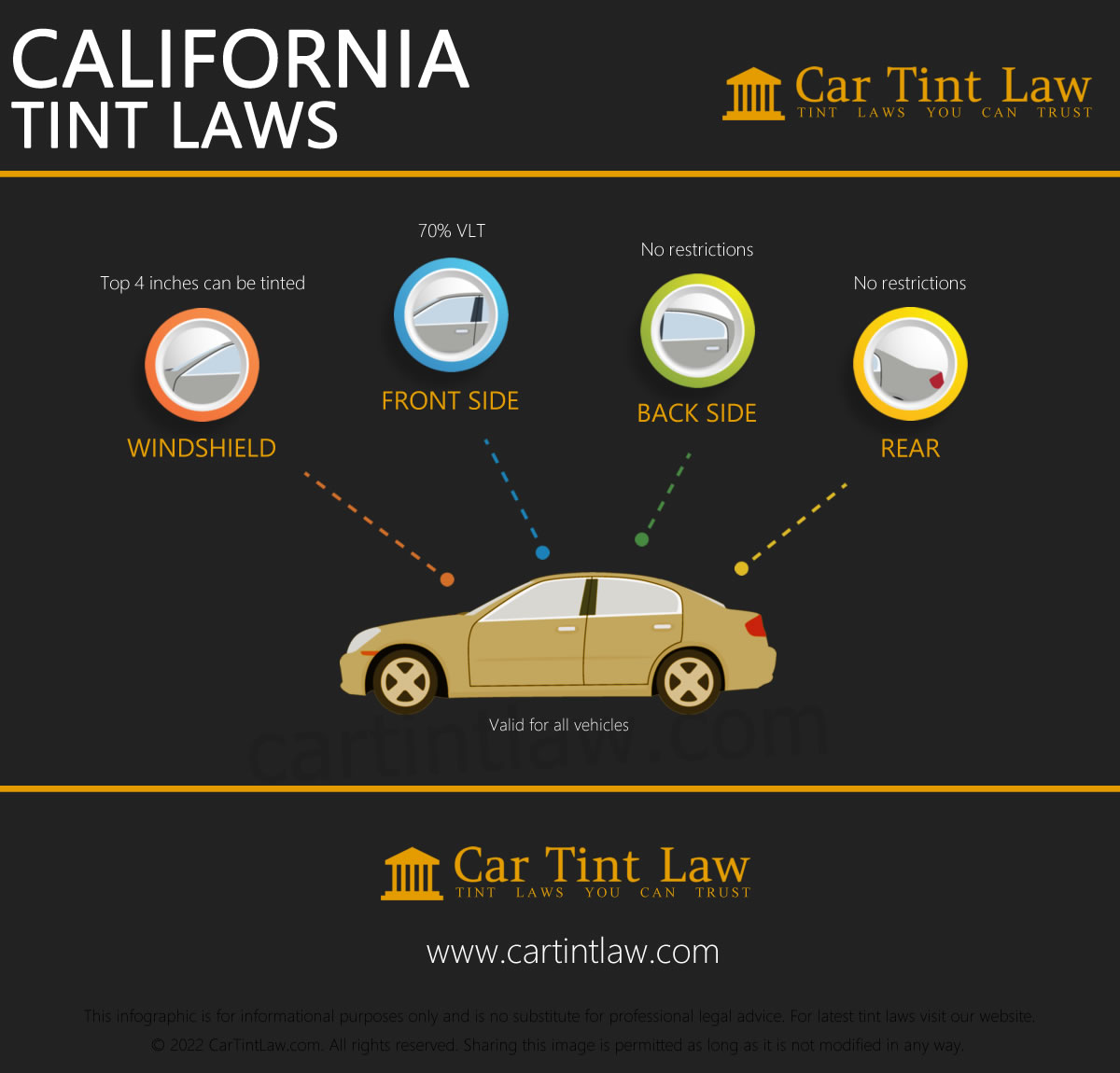
The key metric in California’s tint regulations is Visible Light Transmission (VLT). VLT percentage refers to the amount of light that passes through your vehicle’s windows. A lower VLT percentage means a darker tint, allowing less light to pass through. California law specifies maximum allowable VLT percentages for different windows of a vehicle.
Front Windshield Restrictions
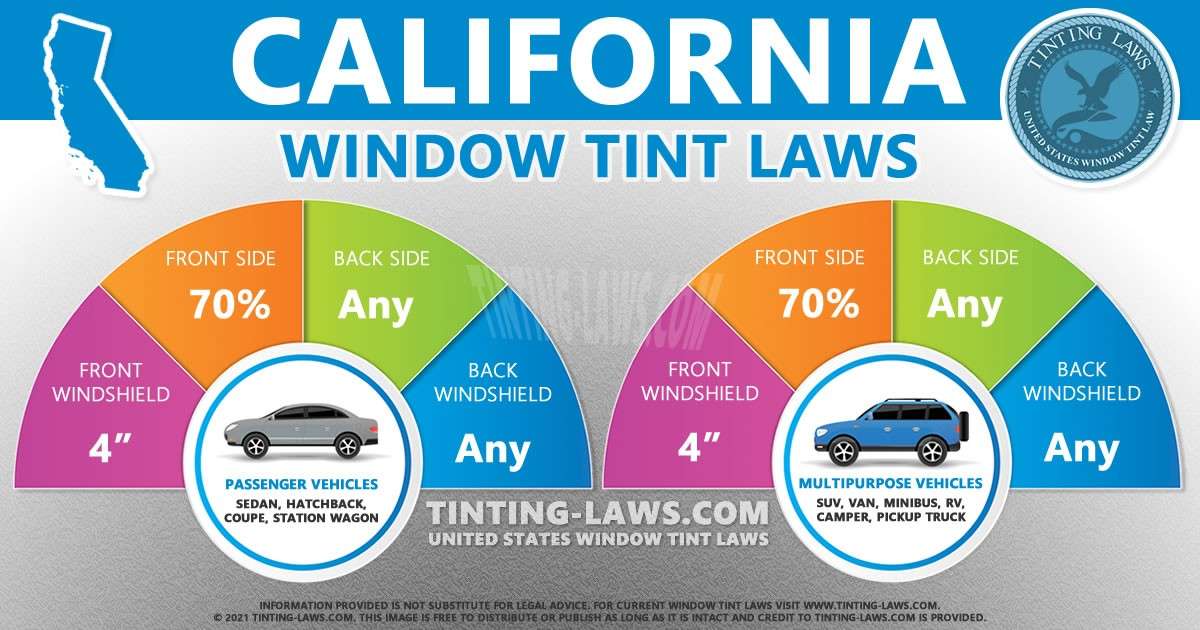
The front windshield is the most heavily regulated window. California law strictly prohibits any tinting on the windshield that reduces the VLT to less than 70%. This means a very light tint, often referred to as “air-egress” tint, is the maximum allowed. This type of tint is primarily designed to reduce glare, not for significant privacy or heat reduction. Any tint that reduces the VLT below 70% on the windshield is illegal and can result in a citation.
Front Side Windows: A Clear View Forward
Similar to the windshield, the front side windows (driver and passenger side doors) also have strict VLT requirements. California law mandates that these windows must allow at least 70% of the light to pass through. This is to ensure that law enforcement and other drivers can clearly see the occupants of the vehicle and that the driver has unobstructed visibility of their surroundings. Any tint darker than 70% VLT on the front side windows is illegal.
Rear Side Windows and Rear Window: More Flexibility
California offers more leniency for the rear side windows and the rear window (back windshield). For these windows, the law allows for darker tinting, but with a crucial distinction: the tint cannot be so dark that it prevents the driver from seeing out. While there isn’t a specific VLT percentage mandated for these windows that is lower than the front, the overarching principle of unimpeded visibility applies. However, in practice, many installers and vehicle owners interpret this to mean that tints down to 30% VLT are generally accepted for the rear side and rear windows. This allows for a reasonable balance between privacy, heat reduction, and safety.
It is important to note that while 30% VLT is commonly understood as the darkest legal option for rear windows, exceeding this can still lead to issues, especially if it significantly impairs visibility or attracts attention from law enforcement. Always err on the side of caution and consult with a reputable tint shop.
Medical Exemptions: A Pathway for Special Needs
California recognizes that some individuals may require darker window tint for medical reasons. Section 26708.5 of the California Vehicle Code outlines provisions for medical exemptions.
Qualifying for a Medical Exemption
To qualify for a medical exemption, an individual must have a medical condition that is exacerbated by sunlight exposure. This typically includes conditions like photosensitivity, lupus, or certain skin cancers. A licensed physician or surgeon in California must provide a written statement or prescription detailing the medical necessity for the darker tint. This statement must include the patient’s name, the specific medical condition, and the percentage of VLT recommended for the windows.
Required Documentation and Display
If granted a medical exemption, the driver must carry a copy of the physician’s statement in their vehicle at all times. The statement must also specify which windows the exemption applies to. Furthermore, the vehicle must display a sticker, provided by the Department of Motor Vehicles (DMV) or an authorized tinting professional, on the inside of the vehicle, indicating that the tint is legally applied due to a medical exemption. These stickers are typically placed in a visible location on the driver’s side door jamb or the interior of the rear window. Without proper documentation and display, the exemption is invalid.
What Happens If You’re Caught With Illegal Tint?
Encountering law enforcement in California with illegally tinted windows can lead to citations and fines. The consequences can vary depending on the officer’s discretion and the severity of the violation.
Citations and Fines
A common outcome for illegal tint is a “fix-it ticket” or a notice to appear in court. A fix-it ticket typically requires the driver to remove the illegal tint within a specified timeframe and present proof of compliance to the court or a law enforcement agency. Failure to do so can result in a more substantial fine. Standard fines for tint violations can range from $25 to $197 or more, depending on the jurisdiction and any additional infractions.
The “Corrective Action” Approach
California law often allows for corrective action rather than immediate, harsh penalties for minor tint violations. This means an officer may issue a warning or a citation that can be dismissed upon proof that the tint has been corrected to comply with the law. This approach encourages compliance rather than simply penalizing drivers.
The Impact on Rental Cars
For travelers renting vehicles in California, it’s crucial to be aware of the tint laws. Rental car companies are required to adhere to these regulations. While most rental cars will have factory-tinted windows that comply with the law, it’s always wise to check. If you are considering adding aftermarket tint to a rental car, you should absolutely avoid doing so, as it will almost certainly be illegal and could lead to significant penalties and charges from the rental company. It’s best to rely on the vehicle’s factory tint or to ensure any modifications are done by licensed professionals who are well-versed in California tint regulations.
Tips for Choosing and Installing Tint in California
When deciding on window tint for your vehicle in California, especially if you are a visitor or a new resident, it’s essential to prioritize compliance and quality.
Consult Professional Installers
The best way to ensure your tint is legal and applied correctly is to visit a reputable tint shop. Experienced installers are up-to-date on all California tint laws and can advise you on the best tint films that meet the legal VLT requirements for each window. They often have tools to measure VLT accurately and can explain the differences between various tint materials, such as dyed, carbon, and ceramic films. Ceramic tints, for example, offer excellent heat rejection and UV protection without significantly darkening the windows, making them a popular choice for those seeking functionality within legal limits.
Understand Tint Percentages
Familiarize yourself with the VLT percentages. Remember:
- 70% VLT: The legal maximum for the front windshield and front side windows.
- 30% VLT (approximate): Generally considered the darkest legal option for rear side and rear windows, though exact legality can depend on visibility.
When discussing tint with an installer, be clear about your intentions. If you’re seeking privacy and heat reduction for the rear of your vehicle, ask for options that fall within the 30% VLT range. For the front windows, prioritize clear films that offer UV protection and glare reduction.
Ask About Manufacturer Warranties
Reputable tint films and professional installations often come with warranties. These warranties typically cover bubbling, peeling, and delamination of the tint material. A good warranty provides peace of mind that your investment is protected.

Be Wary of “Too Good to Be True” Deals
Extremely low prices for tinting might indicate the use of low-quality materials or inexperienced installers. These cheaper films may fade quickly, bubble, or fail to meet the advertised VLT, potentially leading to legal issues down the line. Investing in quality tint from a trusted source is always recommended.
By understanding and adhering to California’s specific window tint laws, travelers can enjoy their journeys across the diverse landscapes of the Golden State with confidence and peace of mind, avoiding unnecessary legal entanglements and ensuring a safe driving experience.
LifeOutOfTheBox is a participant in the Amazon Services LLC Associates Program, an affiliate advertising program designed to provide a means for sites to earn advertising fees by advertising and linking to Amazon.com. Amazon, the Amazon logo, AmazonSupply, and the AmazonSupply logo are trademarks of Amazon.com, Inc. or its affiliates. As an Amazon Associate we earn affiliate commissions from qualifying purchases.