
Navigating the world of hotel etiquette can sometimes feel like a delicate dance, especially when it comes to the question of tipping. While the concept of gratuity is deeply ingrained in service industries, the specifics for hotel stays often leave guests wondering: “Who do I tip?”, “How much?”, and “When?”. Tipping in a hotel is more than just a gesture of generosity; it’s a recognition of the hard work and dedication of the individuals who contribute to making your stay comfortable and memorable. From the moment you arrive until your departure, a team of professionals works behind the scenes and directly with you to ensure a seamless experience. Understanding the nuances of hotel tipping not only helps you budget accurately but also allows you to express your appreciation effectively, fostering a positive interaction with hotel staff. This guide aims to demystify hotel tipping, offering clear, professional insights into best practices for various hotel services and personnel.
The Foundation of Hotel Tipping Culture
Tipping culture varies significantly across the globe, but within the realm of hotels, certain common practices have emerged, particularly in North America. Tipping is often seen as an expected supplement to wages for many service staff, acknowledging their direct role in enhancing a guest’s experience. However, it’s crucial to distinguish between mandatory service charges—which some hotels, especially in Europe or Asia, might automatically apply—and discretionary tips. Mandatory charges are typically added to your bill and distributed among staff, sometimes reducing or negating the need for additional individual tips. Discretionary tips, on the other hand, are given directly by the guest, based on satisfaction and personal judgment.
Understanding this distinction is the first step toward effective tipping. In places like the United States and Canada, discretionary tipping is customary and anticipated for a wide range of hotel services, from housekeeping to concierge assistance. Conversely, in many parts of Japan or Australia, tipping is not customary and can even be perceived as confusing or unnecessary, as service charges are often integrated into pricing. When staying at international chains like Marriott International or Hilton Worldwide in different countries, it’s always wise to research local customs or discreetly ask the front desk about tipping norms to ensure you’re acting appropriately. The objective is always to show appreciation respectfully, in a manner that aligns with local traditions and hotel policy.
Why Tipping Matters in Hotels
Tipping serves multiple purposes beyond a simple monetary exchange. For many hotel employees, tips significantly contribute to their overall income, directly impacting their livelihood. It acts as an incentive for staff to provide exceptional service, knowing that their efforts are directly recognized and rewarded. From the guest’s perspective, tipping can enhance their stay. A reputation for being a considerate tipper might subtly encourage staff to go the extra mile, whether it’s remembering your preferred morning coffee at breakfast or ensuring your room is impeccably clean.
Moreover, tipping is a gesture of respect and acknowledgement for often unseen labor. Housekeeping staff, for instance, work diligently to maintain hygiene and comfort, yet they often have limited direct interaction with guests. Leaving a tip for them is a tangible way to express gratitude for their vital contribution. By understanding and participating in appropriate tipping practices, guests become active participants in a culture of appreciation that underpins the hospitality industry, ensuring staff feel valued and motivated to deliver high standards of service consistently.
Who to Tip and How Much: A Detailed Breakdown
Deciphering who to tip and the appropriate amount can be the most challenging aspect of hotel tipping. While there’s no rigid rulebook, general guidelines have emerged based on industry standards and common guest practices. The amount can vary based on the hotel’s star rating, the complexity of the service provided, and the duration of your stay.
Housekeeping Staff
Often the unsung heroes of any hotel, housekeeping staff ensure your room is clean, tidy, and stocked with amenities.
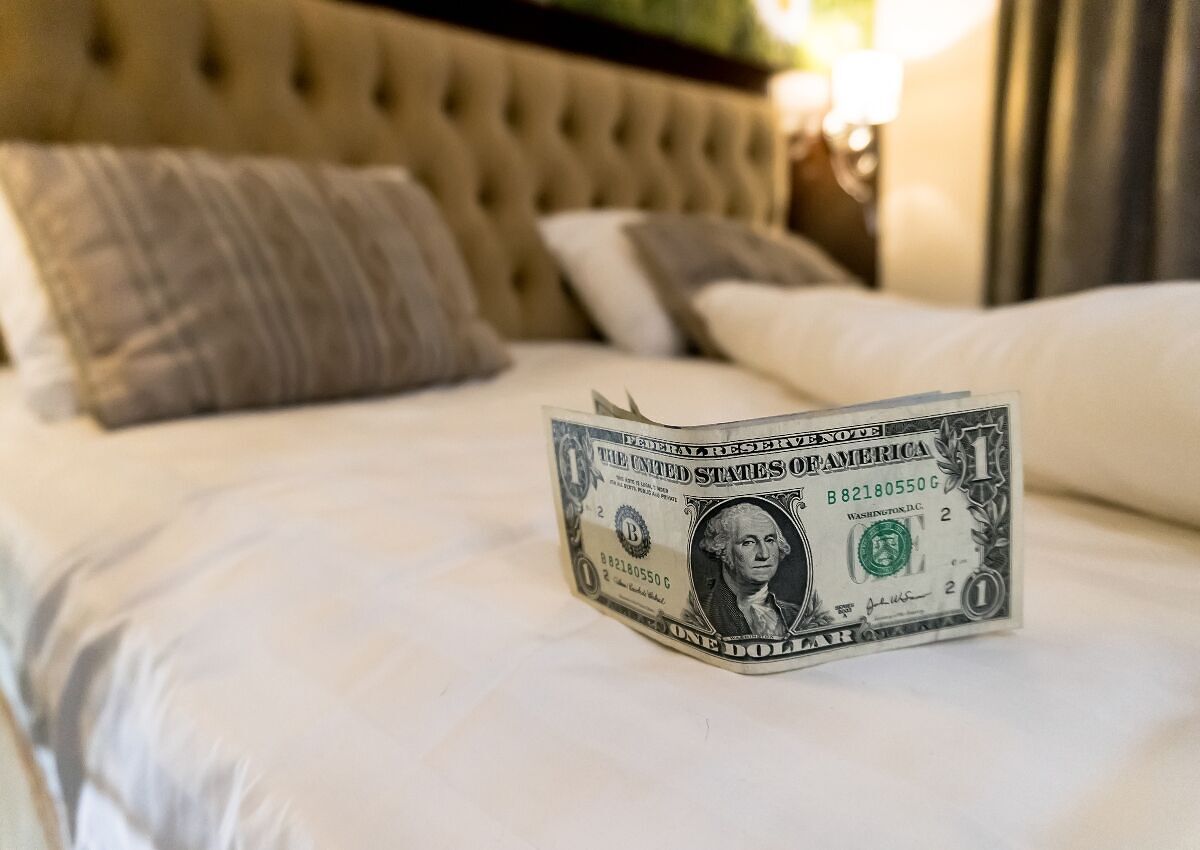
- When to Tip: Daily is generally preferred, especially if you have a longer stay, as different staff members might clean your room on different days. Leave the tip clearly visible, perhaps in an envelope marked “Housekeeping” or under a note, so it’s clear it’s intended for them.
- How Much:
- Standard Hotel (e.g., Holiday Inn Express or similar): $2-5 per night.
- Mid-Range Hotel (e.g., Hyatt Regency or Westin): $3-7 per night.
- Luxury Hotel (e.g., Four Seasons Hotels and Resorts or Ritz-Carlton): $5-10+ per night, or more if the room is particularly large or you’ve made a significant mess.
- For exceptional service or if you request extra services, consider increasing the amount.
Bell Staff / Porters
These individuals assist with your luggage upon arrival and departure, often guiding you to your room and providing a brief orientation.
- When to Tip: After they have completed handling your luggage and bringing it to your room, or when they assist with taking it down upon departure.
- How Much:
- Per Bag: $1-2 per bag, with a minimum of $5 per service (arrival or departure), even if you only have one bag.
- For heavy or oversized items: An additional $1-2 per challenging item.
- For going above and beyond (e.g., providing local recommendations, helping with a difficult stroller): Consider adding a few extra dollars.
Concierge
The concierge is your go-to resource for local information, reservations, tickets, and special requests.
- When to Tip: After they have successfully fulfilled a request, particularly if it was challenging or required significant effort. For minor requests (e.g., simple directions), a tip isn’t always expected, but it’s always appreciated.
- How Much:
- Basic recommendations/directions: Not always necessary, but $5 is a nice gesture for good service.
- Making dinner reservations or securing difficult tickets: $10-20, depending on the effort involved and the exclusivity of the booking.
- Arranging complex itineraries, tours, or securing highly sought-after experiences: $20-50 or even more, particularly at luxury establishments like The Plaza Hotel in New York City.
- For ongoing exceptional service throughout your stay: A larger tip at the end of your visit is appropriate.
Valet Parking Attendants
These staff members handle the parking and retrieval of your vehicle.
- When to Tip: Typically when they retrieve your car for you, or upon dropping off if they provide additional assistance (e.g., helping with luggage from the car). Some guests tip both upon drop-off and retrieval.
- How Much: $2-5 per retrieval. If they park your car in a difficult spot or retrieve it quickly during a busy period, consider tipping towards the higher end.
Room Service Staff
These individuals deliver food and beverages directly to your room.
- When to Tip: Upon delivery. Check your bill first, as many hotels automatically include a service charge or gratuity for room service. If a service charge is included, an additional tip is optional but welcomed if service was exceptional.
- How Much: If no service charge is included, 15-20% of the total bill is standard. If a service charge is included, an additional $2-5 for excellent service is a thoughtful gesture.

Factors Influencing Your Tipping Decisions
While the guidelines above provide a solid starting point, several factors can and should influence your final tipping decisions. Tipping isn’t a one-size-fits-all practice; it’s a dynamic reflection of service quality and personal circumstances.
Quality of Service and Personalization
The most significant factor influencing your tip should be the quality of service you receive. Exceptional service, where staff go above and beyond, warrants a more generous tip. This could include a bellhop who noticed you were struggling with a crying baby and offered extra help, a housekeeper who left a personalized note or ensured your specific preferences were met daily, or a concierge who managed to secure a last-minute table at a fully booked restaurant in Paris. Conversely, if the service is subpar or fails to meet basic expectations, you might adjust your tip downwards, though it’s rare to withhold a tip entirely in cultures where it’s expected, as individual staff often rely on them.
Personalization plays a key role here. When staff remember your name, your preferences, or offer thoughtful gestures, it elevates your experience from merely functional to truly hospitable. Recognizing these efforts with a slightly higher tip acknowledges the personal touch and encourages continued excellence.
Length of Stay and Type of Hotel
Your length of stay can also impact tipping strategy, particularly for housekeeping. For shorter stays (1-2 nights), tipping at the end of your stay is acceptable. For longer stays (3+ nights), it’s advisable to tip daily or every other day. This ensures that the specific individual who cleaned your room on any given day receives recognition, as staffing schedules can rotate.
The type of hotel also matters. Guests at luxury hotels, like a St. Regis or a Mandarin Oriental, often have higher expectations for service and are generally expected to tip more generously than those staying at budget-friendly or extended-stay properties. The scale of service, the amenities, and the level of personalized attention at a high-end resort in say, Maui, typically demand a higher gratuity.
Location and Cultural Norms
As mentioned earlier, cultural norms around tipping vary widely. While this article focuses on common practices in North America and similar tipping cultures, it’s vital to research local expectations when traveling internationally. In some parts of Europe, a small “rounding up” of the bill is customary rather than a percentage tip. In others, like Tokyo, Japan, tipping can be considered rude or unnecessary. Many European cities or destinations like London or Rome often include service charges automatically. Always adapt your approach based on the specific country and region you are visiting to ensure your gesture of appreciation is received as intended. A quick search online or a discrete inquiry at the hotel front desk can prevent misunderstandings.
Practical Tipping Etiquette and Best Practices
Beyond the amounts, how you tip is just as important. Thoughtful etiquette ensures your tip is received gracefully and correctly attributed.
Cash is King
For most individual hotel staff members (housekeeping, bellhops, valets), cash is always the preferred method of tipping. It allows the recipient immediate access to the funds without any processing delays or deductions. When leaving a tip for housekeeping, place it in a visible spot, perhaps on the pillow or nightstand, ideally with a small note like “Thank you, Housekeeping” to clarify its purpose. This prevents any confusion about whether the money was accidentally left behind.
For services like room service or restaurant dining within the hotel, you might have the option to add a tip to your credit card bill. While convenient, be aware that these tips can sometimes take longer to reach the staff or might be subject to different distribution policies compared to direct cash tips.
Tipping Other Hotel Personnel
While the main roles covered typically receive tips, you might wonder about others:
- Front Desk Staff: Generally, front desk staff do not expect tips, as their role is typically salaried and administrative. However, for exceptional service, such as resolving a complex issue, securing an upgrade, or going significantly out of their way to assist you, a small token of appreciation ($5-10) is always welcome, though not expected.
- Shuttle Drivers: If your hotel offers a complimentary shuttle service to nearby attractions or the airport, tip the driver $2-5, especially if they assist with your luggage.
- Spa/Salon Services: If you use the hotel’s spa or salon, standard tipping practices for those services apply (15-20% of the service cost).
- Bartenders/Servers in Hotel Restaurants: Tip as you would in any other restaurant or bar, typically 15-20% of the bill, unless a service charge is already included.

When in Doubt, Ask (Discreetly)
If you’re truly unsure about tipping customs in a specific hotel or region, don’t hesitate to ask the front desk or concierge for guidance. Frame your question politely, such as, “Could you advise on the customary tipping practices here for housekeeping or bell staff?” They can provide valuable local insights, ensuring you navigate the cultural nuances correctly.
Ultimately, tipping in a hotel is about showing gratitude for good service. By understanding the common practices, adapting to local customs, and recognizing the efforts of the dedicated staff, you can ensure your gesture of appreciation is always well-received and contributes to a more positive experience for everyone involved in your hotel stay.
LifeOutOfTheBox is a participant in the Amazon Services LLC Associates Program, an affiliate advertising program designed to provide a means for sites to earn advertising fees by advertising and linking to Amazon.com. Amazon, the Amazon logo, AmazonSupply, and the AmazonSupply logo are trademarks of Amazon.com, Inc. or its affiliates. As an Amazon Associate we earn affiliate commissions from qualifying purchases.