
Embarking on a career that involves operating large commercial vehicles in California requires a specific credential: the Class A Commercial Driver’s License (CDL) permit. This isn’t just a piece of paper; it’s your gateway to a distinctive lifestyle, offering independence, significant career opportunities, and the freedom of the open road. For many, a Class A CDL represents more than a job; it’s a profound shift in daily life, enabling a mobile profession that can take you across the state or even the country. Understanding the pathway to obtaining this permit is the first crucial step towards embracing this unique and rewarding professional lifestyle. This guide will walk you through the comprehensive process, from initial eligibility to passing your final tests, all geared towards helping you navigate the requirements and successfully launch your new professional journey.
Understanding the Class A CDL and its Lifestyle Implications
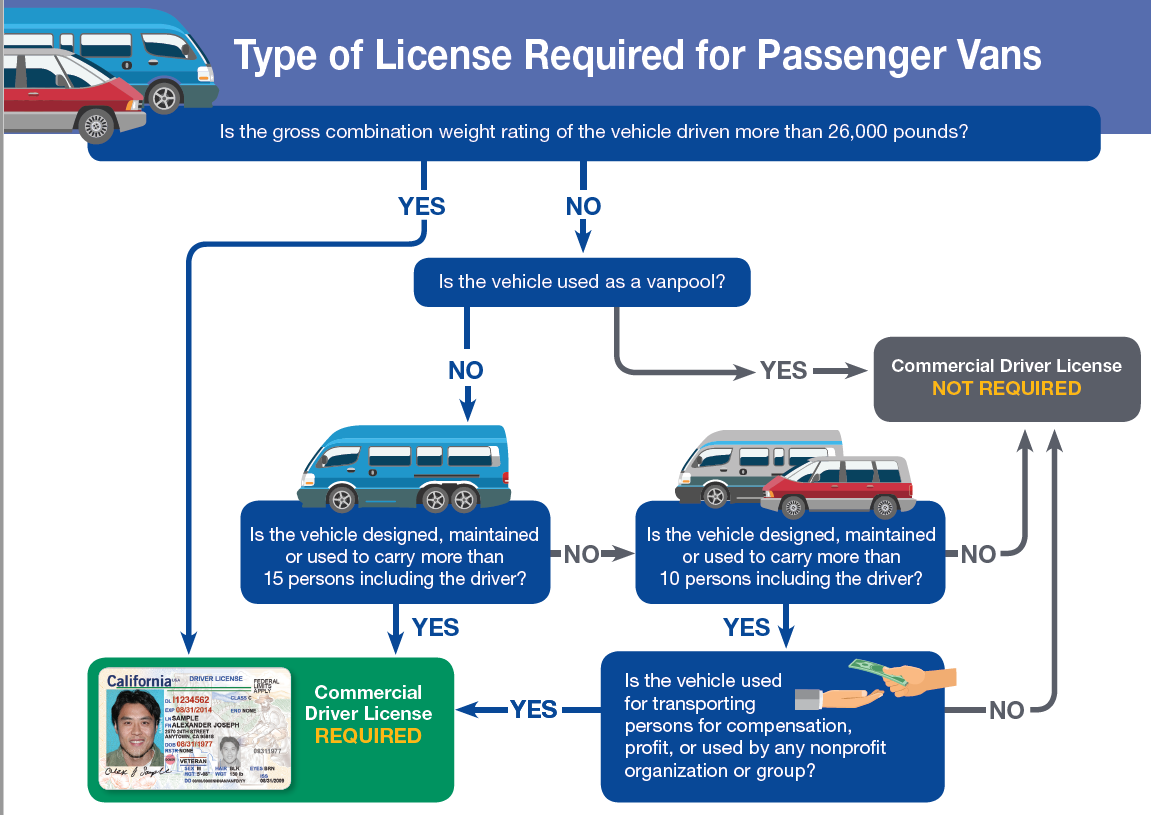
The Class A Commercial Driver’s License is the highest classification of CDL, allowing you to operate any combination of vehicles with a Gross Combination Weight Rating (GCWR) of 26,001 pounds or more, provided the Gross Vehicle Weight Rating (GVWR) of the vehicle being towed is in excess of 10,000 pounds. This broad authority opens doors to numerous industries, making it a highly sought-after qualification that significantly impacts your professional lifestyle.
What is a Class A CDL?
A Class A CDL signifies your proficiency and legal authorization to drive large trucks, tractor-trailers, tanker trucks, livestock carriers, and flatbeds, among others. Unlike a standard driver’s license, a Class A CDL demonstrates a specialized skill set and a commitment to rigorous safety standards. For those drawn to a mobile profession, a Class A CDL offers the chance to earn a competitive income while experiencing diverse environments. It’s a career path that often provides autonomy, allowing drivers to manage their routes and schedules, which deeply influences their personal and professional lifestyle. The ability to travel while working, seeing new places and managing significant loads, defines a unique professional existence that many find incredibly fulfilling.
Why Pursue a Class A CDL in California?
California boasts one of the largest economies in the world, with a vast and intricate network of industries reliant on commercial transportation. From agriculture in the Central Valley to technology in Silicon Valley and international trade through its bustling ports, the demand for qualified Class A CDL holders is consistently high. Pursuing this permit in California means tapping into a robust job market with diverse opportunities, from regional hauling to long-distance freight. The state’s economic vitality translates into stable employment, competitive wages, and comprehensive benefits for skilled commercial drivers. Furthermore, the expansive geography of California offers an unparalleled backdrop for those who appreciate a lifestyle centered around scenic routes and diverse driving conditions, whether navigating mountain passes, coastal highways, or vast desert stretches. The lifestyle benefits extend beyond financial security, encompassing a sense of independence and the satisfaction of playing a vital role in the supply chain.
Eligibility and Prerequisites for Your New Lifestyle Path
Before you can even begin the process of obtaining your Class A CDL permit in California, there are several fundamental requirements you must meet. These prerequisites ensure that all prospective commercial drivers possess the basic qualifications necessary for the demanding and responsible nature of the job. Adhering to these guidelines from the outset will ensure a smoother application process and a strong foundation for your future career.
General Requirements
To be eligible for a Class A CDL in California, applicants must meet specific criteria set forth by the California Department of Motor Vehicles (DMV). First and foremost, you must be at least 18 years old to drive commercial vehicles intrastate (within California only). To drive interstate (across state lines), you must be at least 21 years old. All applicants must possess a valid California Class C driver’s license. You must also be a U.S. citizen or a lawful permanent resident, and provide proof of residency in California. These foundational requirements are non-negotiable and serve as the initial screening points for anyone looking to enter the professional driving lifestyle. Ensuring you meet these before proceeding will save you time and effort.
Medical Certification: A Key to Your Professional Journey
A critical component of eligibility for a Class A CDL is passing a Department of Transportation (DOT) medical examination. This exam must be performed by a certified medical examiner listed on the Federal Motor Carrier Safety Administration (FMCSA) National Registry. The purpose of this comprehensive physical is to ensure that commercial drivers are physically and mentally fit to operate large vehicles safely for extended periods. This includes checks on vision, hearing, blood pressure, and overall health to identify any conditions that could impair your ability to drive. Maintaining good health is paramount for the professional driving lifestyle, as it directly impacts your ability to perform your duties safely and consistently. A valid DOT medical certificate is required to obtain and maintain your CDL, underscoring health as a continuous commitment in this career.
Driving Record: Paving the Way
Your existing driving record plays a significant role in your eligibility for a Class A CDL. The California DMV will review your driving history for the past ten years. Serious traffic violations, such as driving under the influence (DUI), reckless driving, leaving the scene of an accident, or excessive speeding, can disqualify you from obtaining a CDL for a specified period or even permanently. A clean driving record demonstrates responsibility and a commitment to road safety, qualities that are essential for commercial drivers. Insurance companies and potential employers will also scrutinize your driving history, as it reflects your reliability and risk profile. For those aspiring to a professional driving lifestyle, maintaining an exemplary driving record is crucial not only for obtaining the permit but also for securing desirable employment opportunities and ensuring a stable career path.
Navigating the Application Process: Steps to a Trucking Lifestyle
Once you’ve confirmed your eligibility, the next phase involves the application process itself, which includes a series of written tests and obtaining your Commercial Learner’s Permit (CLP). This stage requires dedicated study and preparation, as it lays the theoretical groundwork for the practical skills you will develop later. Success in this phase is a direct reflection of your commitment to understanding the complexities of commercial driving.
Written Knowledge Tests: Foundations of Safe Living on the Road
The initial hurdle for obtaining a Class A permit involves passing several written knowledge tests administered by the California DMV. These tests cover crucial topics essential for safe and legal commercial vehicle operation. The mandatory tests include:
- General Knowledge: Covers fundamental rules and regulations for commercial driving.
- Combination Vehicles: Specific knowledge required for operating tractor-trailers.
- Air Brakes: Essential understanding of air brake systems common in large trucks.
Each test requires a passing score, and comprehensive study using the official California CDL Handbook is highly recommended. These tests ensure you possess the foundational knowledge critical for making informed decisions on the road, directly contributing to the safety and longevity of your professional driving lifestyle.
Commercial Learner’s Permit (CLP): Your First Step into the Driver’s Seat
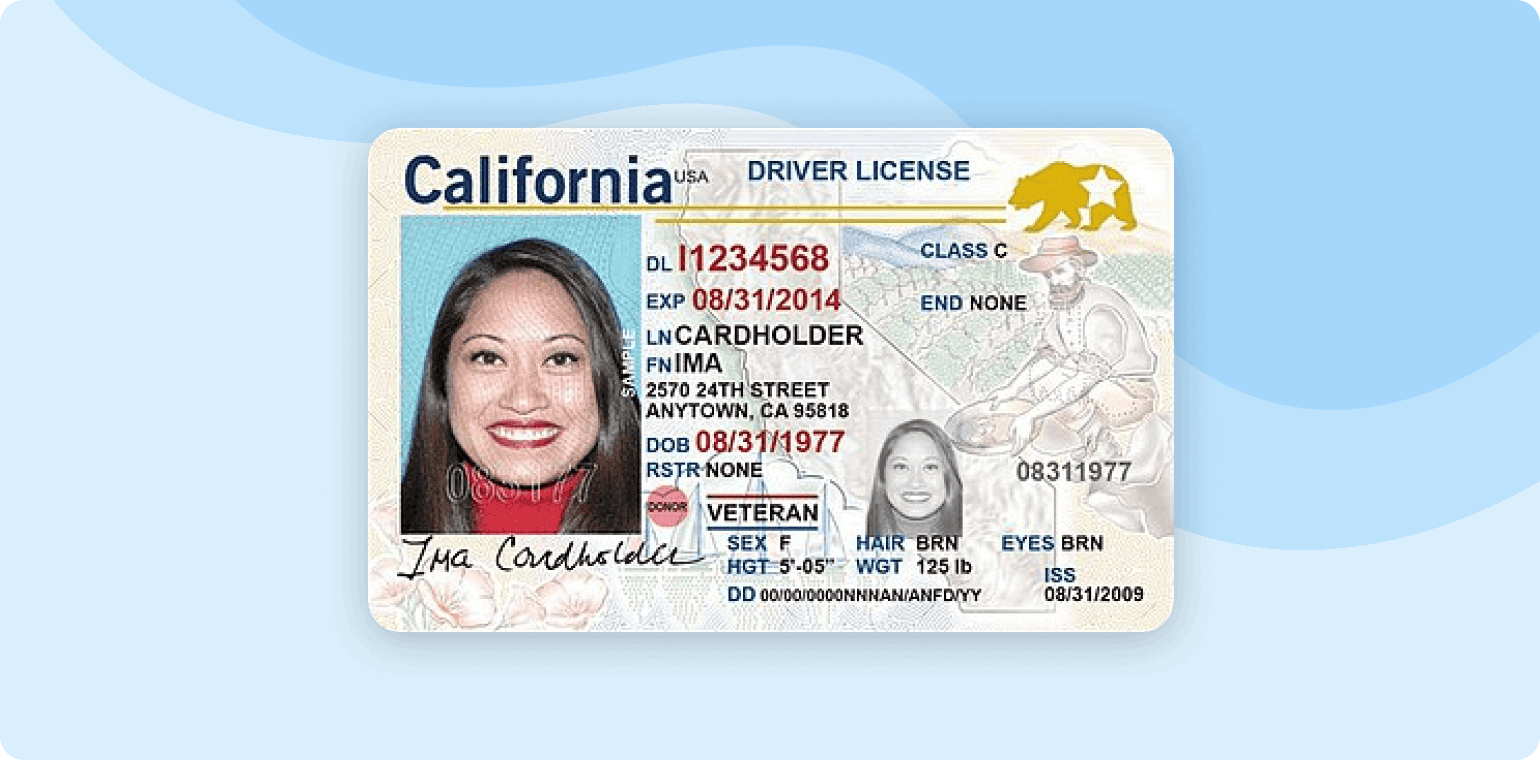
Upon successfully passing the required written knowledge tests and submitting your medical certificate, you will be issued a Commercial Learner’s Permit (CLP). This permit allows you to practice driving a commercial vehicle on public roads, but only with a qualified CDL holder seated beside you. The CLP is a vital interim step; it’s not a full CDL but rather a crucial training tool. It is valid for a maximum of 180 days and can be renewed once for another 180 days. During this period, you are encouraged to gain extensive behind-the-wheel experience, familiarizing yourself with the nuances of operating a large commercial vehicle. This practical experience is indispensable for building the confidence and skill necessary for the final driving tests, preparing you for the realities of the trucking lifestyle.
Choosing a CDL Training Program: Investing in Your Future
While not strictly mandated by the state for obtaining the permit itself, enrolling in a reputable CDL training program is highly recommended and, for many, essential for success. These programs, often lasting several weeks to a few months, provide structured instruction, hands-on practice, and invaluable guidance from experienced instructors. A good training school will prepare you not only for the specific maneuvers required for the skills test but also for the realities of life as a commercial driver. They cover everything from pre-trip inspections to advanced driving techniques and defensive driving strategies. Investing in a quality CDL training program in California is an investment in your future career and lifestyle, significantly increasing your chances of passing the final tests and securing desirable employment. Many schools also assist with job placement, further solidifying your entry into the professional driving world.
Mastering the Skills Test and Embracing Your Driving Career
The final stage of obtaining your Class A CDL involves demonstrating your practical driving abilities through a comprehensive skills test. This is where all your theoretical knowledge and practical training culminate, proving your readiness to safely operate a commercial vehicle independently. Passing this test is the ultimate validation of your commitment to the professional driving lifestyle.
Pre-Trip Inspection: The Daily Routine of a Professional
The CDL skills test begins with a thorough pre-trip inspection. This segment requires you to demonstrate your ability to inspect the commercial vehicle and its components for safety before starting a trip. You must identify and verbally explain what you are checking, highlighting any potential defects. This includes inspecting the engine compartment, exterior of the vehicle (lights, tires, brakes, suspension), and the coupling system. The pre-trip inspection is not just a test component; it’s a fundamental daily routine for every professional driver, crucial for preventing breakdowns, ensuring safety, and adhering to regulations. Mastering this segment reflects your diligence and preparedness for the responsibilities inherent in the trucking lifestyle.
Basic Control Skills: Precision for the Open Road
Following the pre-trip inspection, you will proceed to the basic vehicle control skills test. This part typically takes place in a controlled environment, such as a large parking lot, and assesses your ability to maneuver a large commercial vehicle with precision. Common maneuvers include straight-line backing, offset backing (to the left or right), parallel parking (driver side and/or conventional), and alley docking. These exercises test your understanding of vehicle dimensions, steering control, and spatial awareness—skills that are essential for navigating tight spaces, loading docks, and crowded truck stops in real-world scenarios. Demonstrating mastery here confirms your capability to handle the complexities of large vehicle operation, a core aspect of your future professional lifestyle.
Road Test: The Ultimate Test of Your Professional Capability
The final segment of the skills test is the road test, conducted on public roads under various traffic conditions. During this test, an examiner will assess your ability to safely operate the commercial vehicle in real-world situations, including turning, lane changes, merging, highway driving, railway crossings, and stopping. You’ll be evaluated on your adherence to traffic laws, proper use of signals, speed control, observation skills, and overall judgment. The road test is designed to simulate typical driving scenarios a commercial driver would encounter daily. Successfully passing this test signifies that you have the practical skills and judgment required to safely integrate into the demanding and dynamic professional driving lifestyle.
Beyond the Permit: A Career and Lifestyle on the Road
Obtaining your Class A CDL is a significant achievement, but it’s just the beginning of your journey into the world of commercial driving. The permit opens up a vast array of career paths and allows you to specialize further, shaping a lifestyle that is both challenging and rewarding.
Endorsements: Specializing Your Professional Journey
To further enhance your career opportunities and expand your lifestyle options, you can obtain various endorsements for your Class A CDL. These specialized qualifications allow you to operate specific types of commercial vehicles or haul particular kinds of cargo:
- Tanker Endorsement (N): Required for hauling liquids in bulk.
- Hazardous Materials Endorsement (H): Necessary for transporting hazardous materials.
- Doubles/Triples Endorsement (T): Allows you to drive vehicles with multiple trailers.
- Passenger Endorsement (P): While primarily for buses, some combination vehicles may require it.
Each endorsement requires additional written knowledge tests, and some, like the H endorsement, also involve a federal background check. These specializations can lead to higher-paying jobs and niche opportunities, giving you more control over the type of professional lifestyle you want to build.
Career Opportunities and the Trucking Lifestyle
With a Class A CDL, your career opportunities are extensive. You can choose from various sectors, each offering a different facet of the trucking lifestyle:
- Long-Haul Trucking: Involves transporting goods across states or the country, offering significant travel and autonomy.
- Regional Hauling: Focuses on routes within a specific region, allowing for more frequent home time.
- Local Delivery: Typically involves daily routes within a city or metropolitan area, providing a more consistent schedule.
- Specialized Transport: Carrying oversized loads, refrigerated goods, or hazardous materials.
The choice of career path will profoundly influence your daily routine, income, and overall lifestyle, allowing you to tailor your professional life to your personal preferences. The demand for skilled drivers ensures a stable and impactful career.
Continuous Learning and Professional Growth
The professional driving lifestyle is dynamic, with evolving regulations, technology, and industry best practices. Maintaining your Class A CDL and thriving in your career requires a commitment to continuous learning and professional growth. This includes staying updated on traffic laws, safety protocols, and vehicle maintenance. Many companies offer ongoing training, and professional associations provide resources for development. Maintaining a clean driving record and a valid medical certificate are also ongoing responsibilities. Embracing this mindset ensures that you remain a competent, respected, and highly sought-after commercial driver, allowing you to enjoy a long and successful professional life on the road, contributing significantly to the economy and embodying a truly unique lifestyle.
LifeOutOfTheBox is a participant in the Amazon Services LLC Associates Program, an affiliate advertising program designed to provide a means for sites to earn advertising fees by advertising and linking to Amazon.com. Amazon, the Amazon logo, AmazonSupply, and the AmazonSupply logo are trademarks of Amazon.com, Inc. or its affiliates. As an Amazon Associate we earn affiliate commissions from qualifying purchases.