
Traveling, whether for leisure or business, often involves staying in a hotel. From the moment we check in to the comfort of a freshly made bed, a significant portion of our positive experience hinges on the unseen heroes: the hotel housekeeping staff. These dedicated individuals work tirelessly to ensure our rooms are pristine, comfortable, and welcoming, often going above and beyond to make our stay memorable. Yet, despite their crucial role, many travelers are unsure about the etiquette of tipping hotel housekeepers. The question, “How much should I tip a housekeeper at a hotel?”, is a common one, and understanding the nuances can enhance your travel experience while showing proper appreciation for these hardworking professionals.

Tipping, in many cultures, is a gesture of gratitude for good service. While some service industries have clear, established tipping norms, the guidelines for hotel housekeepers can sometimes feel less defined. However, recognizing their efforts is not just about adhering to a social custom; it’s about acknowledging the physical demands of their job, the often modest wages they earn, and their direct contribution to your comfort and well-being during your stay. This article delves into the best practices for tipping hotel housekeepers, considering various factors like hotel type, length of stay, and cultural expectations, to help you navigate this important aspect of responsible accommodation and tourism.
The Etiquette of Tipping Hotel Housekeepers
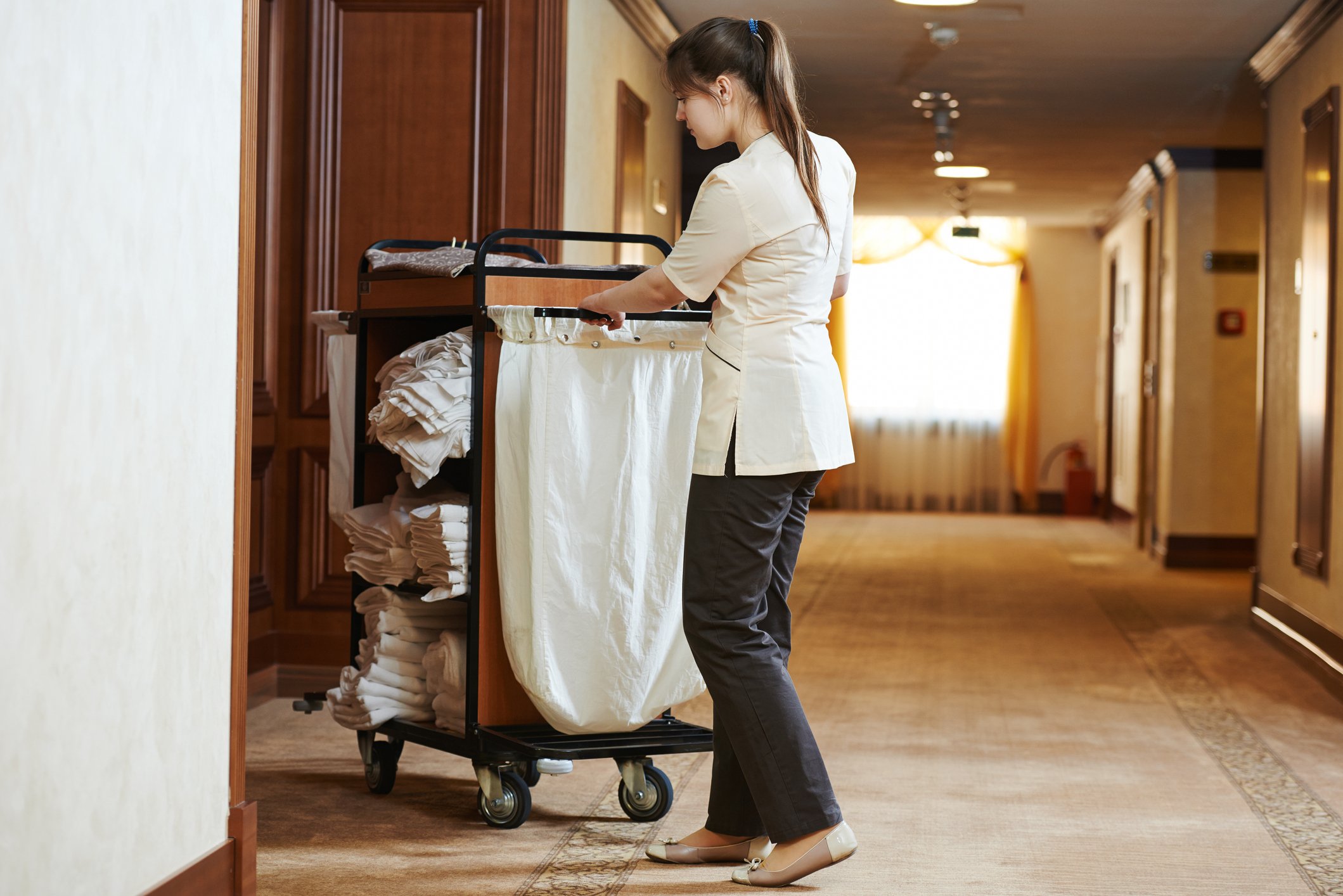
Understanding the unspoken rules of gratuity is a vital part of being a thoughtful traveler. While tipping culture varies significantly across the globe, a general principle of showing appreciation for service holds true in many popular travel destinations. When it comes to hotel housekeepers, their work is often behind the scenes, yet it directly impacts the quality of your stay. They are responsible for cleaning bathrooms, making beds, vacuuming, dusting, restocking amenities, and sometimes even handling specific requests, ensuring a hygienic and pleasant environment for every guest.
Understanding the Importance of Housekeeping Staff
The role of a hotel housekeeper extends far beyond simple cleaning. They are the guardians of guest comfort and hotel standards. Imagine arriving at a hotel after a long journey to find a less-than-spotless room – it immediately detracts from the experience. Conversely, walking into a meticulously clean and organized space can instantly elevate your mood and set a positive tone for your entire trip. Housekeepers often work under tight deadlines, cleaning multiple rooms daily, and their physical labor is demanding. They are integral to a hotel’s reputation and guest satisfaction. From a luxury Four Seasons resort in Maui to a budget-friendly Holiday Inn Express in Chicago, their dedication ensures that every guest has a comfortable and sanitary place to rest. Recognizing their contribution through a tip is a tangible way to acknowledge their hard work and the often unseen value they add to your travel experience.
General Guidelines for Tipping
While there’s no universally mandated tip amount, a generally accepted guideline exists, particularly in countries like the United States and Canada where tipping is customary. A common recommendation is to tip $2 to $5 per night for standard hotel rooms. This range can be adjusted based on several factors, which we’ll explore in detail. For instance, if you’re staying in a particularly large suite, have multiple guests, or notice exceptional service, you might consider tipping towards the higher end of this scale, or even more. In other regions, such as parts of Europe or Asia, tipping culture can differ significantly, with some countries incorporating service charges into the bill or having less emphasis on individual tipping. However, even in places where tipping isn’t strictly expected, a small gesture of gratitude for excellent service is almost always appreciated. It’s always a good idea to research local tipping customs for your specific destination before you travel.
Factors Influencing Your Tipping Decision
Determining the appropriate tip amount is not always a one-size-fits-all scenario. Several variables can and should influence your decision, allowing you to tailor your gratuity to the specific circumstances of your stay and the quality of service you receive. Being mindful of these factors ensures that your tip is fair, generous when warranted, and reflective of your appreciation.
Length of Stay and Room Condition
One of the primary considerations is the length of your stay. For short stays of one or two nights, the standard $2-$5 per night guideline works well. However, for longer stays, say a week or more, your room is likely to accumulate more wear and tear, and the housekeeper will spend more time maintaining it. In such cases, a slightly higher daily tip or a more generous cumulative tip at the end of your stay might be appropriate. For example, if you’re staying for five nights, a tip of $3 per night would equate to $15. If your room was particularly messy (e.g., traveling with children or pets), or you used many towels and amenities, consider bumping that up. It’s also worth noting if you left your room exceptionally tidy each day, making their job easier; while it doesn’t reduce the need to tip, it’s a good practice. Similarly, if your room required extra attention due to an accidental spill or a request for additional cleaning, a larger tip is certainly merited.
Hotel Category and Location
The type of hotel you are staying in also plays a significant role.
- Budget-Friendly Hotels (e.g., Motel 6, certain independent apartments): A tip of $2-$3 per night is generally sufficient. While the amenities might be fewer, the effort required to clean the room remains consistent.
- Mid-Range Hotels (e.g., Marriott Courtyard, Hilton Garden Inn): $3-$5 per night is a good benchmark. These hotels often offer more amenities and slightly larger rooms, increasing the housekeeper’s workload.
- Luxury Hotels and Resorts (e.g., Ritz-Carlton, Grand Hyatt Hotel): Here, $5-$10 or even more per night is often expected. The rooms are typically larger, more elaborately furnished, and guests often have higher expectations for service, which translates to more meticulous cleaning and attention to detail from the staff. In destinations like Dubai or Monaco, where luxury lifestyle is paramount, tipping on the higher end is customary.
Furthermore, geographic location is critical. In the United States and Mexico, tipping housekeepers is widely expected and often a significant part of their income. In Japan, however, tipping can sometimes be considered rude or unnecessary, as excellent service is simply part of the culture. In many European countries like France or Italy, a small gratuity (a few euros) might be appreciated but isn’t always expected as rigorously as in North America. Always check local customs before you travel to avoid misunderstandings.
The Quality of Service and Special Requests
Ultimately, your tip is a reflection of the quality of service you received. Did the housekeeper pay attention to detail? Was your room consistently spotless? Were extra towels or toiletries promptly provided when requested? If you experienced exceptional service, such as a housekeeper going out of their way to retrieve a lost item, folding your clothes, or leaving a thoughtful touch, a more generous tip is absolutely warranted. Conversely, if you noticed a decline in cleanliness or an ignored request, your tip might reflect that, though it’s often better to address issues directly with hotel management rather than solely reducing a tip.
Special requests also play a role. If you asked for specific cleaning times, extra pillows, or had specific needs for a pet, the housekeeper’s effort increased. Acknowledge this extra effort with a commensurate tip. For example, if you’re staying at a pet-friendly hotel in Denver and your furry friend left some extra hair, leaving a larger tip is a kind gesture for the extra cleaning required.

Best Practices for Leaving a Tip
Once you’ve decided on an appropriate amount, knowing how to leave the tip is equally important. The method of delivery can ensure that your gratuity reaches the intended recipient and conveys your appreciation effectively.
Daily Tipping vs. End-of-Stay
This is a common dilemma for many travelers. While leaving a lump sum at the end of your stay might seem simpler, daily tipping is generally recommended. Here’s why:
- Rotating Staff: Housekeeping shifts often rotate, meaning different individuals might clean your room on different days. If you leave a tip only at the end, only the last housekeeper who services your room will receive it. Tipping daily ensures that each person who contributed to your comfort receives a share of your gratitude.
- Motivation: A daily tip serves as immediate feedback and can motivate the staff to maintain their high standards throughout your stay.
- Consistency: It creates a consistent habit, so you don’t forget or rush at checkout.
Place the money in an obvious spot, such as on a pillow, on the nightstand, or on the desk. Ensure it’s clear the money is intended as a tip, not forgotten change.
The Power of a Personal Note
To make your tip even more impactful, always leave a short, personal note. A simple “Thank you for the excellent service!” or “Much appreciated for keeping our room so tidy!” along with your name, placed next to the money, clarifies its purpose and adds a personal touch. This gesture not only ensures the money isn’t mistaken for forgotten currency but also demonstrates genuine appreciation, making the housekeeper feel seen and valued. For example, when exploring a destination like London or Rome, your comfortable hotel room provides sanctuary after a day of sightseeing. A note acknowledging the effort to maintain that sanctuary goes a long way.
The Broader Impact of Your Gratitude
Beyond the immediate financial benefit to the individual, your decision to tip housekeepers carries a broader significance. It reflects on your character as a traveler and contributes to a culture of respect and recognition within the service industry.
Supporting Hardworking Individuals
Hotel housekeepers are often among the lowest-paid staff members in a hotel, relying on tips to supplement their wages and support their families. In bustling cities like New York, Tokyo, or Sydney, where the cost of living is high, every dollar of a tip can make a tangible difference. By tipping, you are directly contributing to the welfare of individuals who work physically demanding jobs, often with limited benefits, to ensure your comfort. It’s an act of solidarity and acknowledgement for those who make the global travel and tourism industry thrive.
Tipping as a Global Practice
While tipping norms vary, the underlying principle of showing gratitude for service is a universal human trait. In the United States, a tourism powerhouse, the practice is deeply ingrained. In places like Thailand or Indonesia, a small tip for exceptional service is always appreciated, even if not explicitly expected. Understanding and respecting these local nuances is part of being a responsible global citizen. When you visit a landmark like the Eiffel Tower in Paris or the Great Wall of China near Beijing, you appreciate the cultural significance. Similarly, recognizing and adapting to local tipping customs enriches your cultural understanding and shows respect for the local economy and people.
Beyond the Tip: Other Ways to Show Appreciation
While monetary tips are the most direct way to show appreciation, there are other gestures that can reinforce your gratitude and contribute to a positive environment for hotel staff. These acts of kindness can be just as impactful, sometimes even more so, as they demonstrate genuine consideration.
Firstly, keeping your room reasonably tidy is a simple yet powerful way to show respect. While housekeepers are there to clean, minimizing excessive clutter, consolidating your trash, and leaving dirty towels in a designated area (like the bathtub) can significantly ease their workload. This is especially considerate in high-traffic hotels in cities like Las Vegas or Orlando, where housekeepers have a demanding schedule.
Secondly, a personal word of thanks can go a long way. If you happen to encounter a housekeeper in the hallway, a simple smile and a “thank you” can brighten their day. This direct acknowledgement makes them feel seen and valued, reinforcing that their hard work is noticed and appreciated. This is particularly impactful in smaller, boutique hotels or family-run accommodations where staff interactions might be more frequent.
Thirdly, if a housekeeper provides truly exceptional service, consider mentioning their name in a positive review of the hotel. Most hotels, whether a Hyatt in San Francisco or an independent guesthouse in Kyoto, value guest feedback highly. A specific commendation about a staff member can lead to internal recognition, bonuses, or even career advancement for that individual. This is a powerful, non-monetary way to advocate for excellent service.
Lastly, being considerate of their schedule by not requesting service at the last minute or making excessive demands can also show appreciation. Understanding that they have a set routine and a limited timeframe for each room can foster a more harmonious guest-staff relationship. Whether you are on a business stay or a family trip, small acts of consideration make a difference.
In conclusion, deciding how much to tip a housekeeper at a hotel involves a thoughtful consideration of several factors, from the hotel’s class to the length of your stay and the quality of service. While $2 to $5 per night serves as a general guideline in many Western countries, adjusting this based on specific circumstances and local customs is key. More importantly, the act of tipping, especially when accompanied by a personal note, is a powerful gesture of respect and appreciation for the hardworking individuals who ensure your comfort and enhance your travel experience. By embracing these best practices, you contribute to a positive culture of hospitality and acknowledge the invaluable contributions of hotel housekeepers worldwide.
LifeOutOfTheBox is a participant in the Amazon Services LLC Associates Program, an affiliate advertising program designed to provide a means for sites to earn advertising fees by advertising and linking to Amazon.com. Amazon, the Amazon logo, AmazonSupply, and the AmazonSupply logo are trademarks of Amazon.com, Inc. or its affiliates. As an Amazon Associate we earn affiliate commissions from qualifying purchases.