
The question “Are the fires in California still going?” resonates with a global audience, especially those contemplating travel to the Golden State. California, a land of unparalleled natural beauty, iconic cities, and diverse landscapes, unfortunately, also experiences a challenging wildfire season annually. While major, destructive fires capture headlines, the reality is a nuanced and dynamic situation. Wildfires are an intrinsic part of California’s ecosystem, particularly in its chaparral and forest areas, and while devastating, their impact on tourism is often localized and temporary. Understanding the rhythms of California’s fire season, the precautions in place, and the resilience of its communities is key to planning a safe and enjoyable visit.

California’s vastness means that even during an active fire season, large swaths of the state remain unaffected and open for exploration. From the bustling streets of Los Angeles and San Francisco to the serene vineyards of Napa Valley and the pristine beaches of San Diego, the majority of popular tourist destinations typically continue to welcome visitors. The critical aspect for travelers is staying informed, understanding the seasonal patterns, and knowing how to access reliable, up-to-date information to make informed decisions about their itinerary. This article delves into the current situation, its impact on travel, and how you can safely and responsibly plan your next California adventure.
Understanding California’s Fire Landscape and Current Status
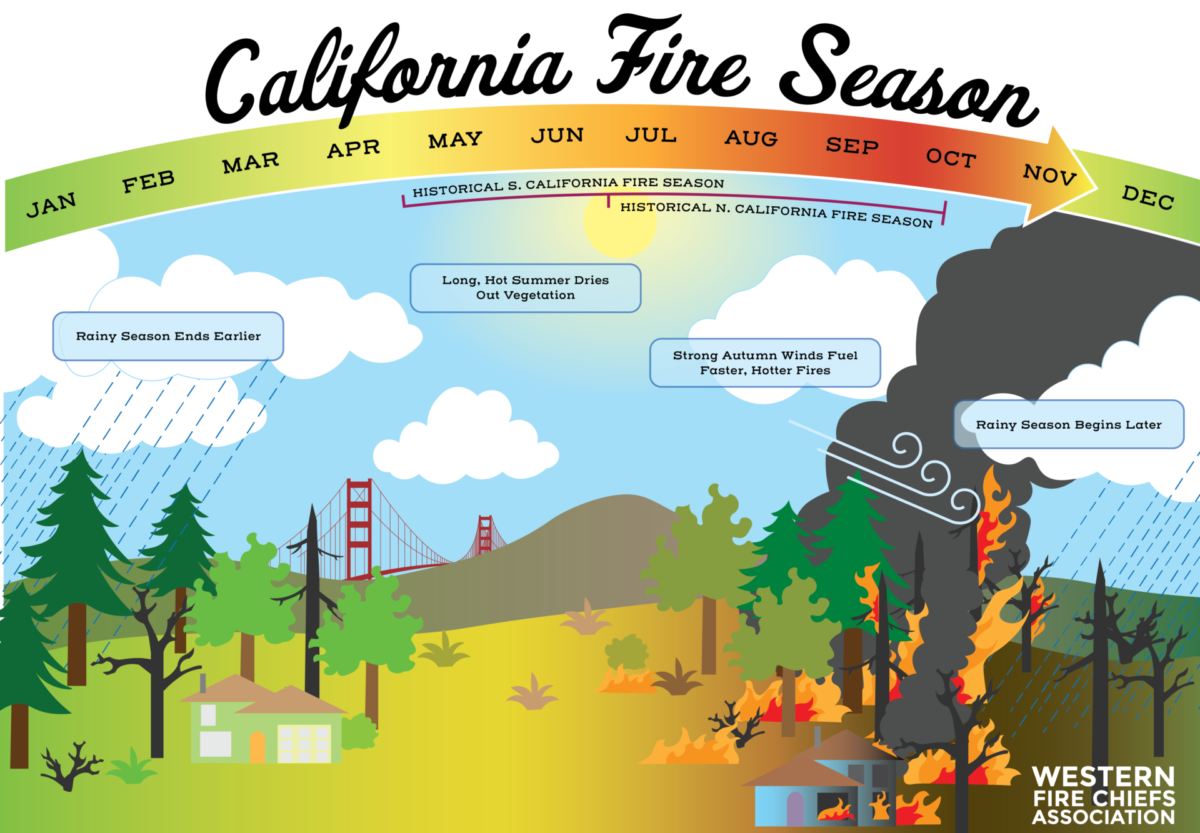
California’s geography, climate, and vegetation create a unique environment susceptible to wildfires. The dry summers, strong winds like the Santa Ana winds in the south and the Diablo winds in the north, and a build-up of dry brush contribute to a fire season that typically runs from late spring through late autumn, peaking in the hottest and driest months.
The Cyclical Nature of Wildfires
Wildfires are not a constant state across the entire state but rather a series of isolated incidents that vary in intensity, location, and duration. For instance, a fire burning near Lake Tahoe would have no direct impact on travel plans in Palm Springs, hundreds of miles away. However, air quality, a significant concern, can be affected over broader regions depending on wind patterns. Organizations like CAL FIRE and the National Interagency Fire Center provide real-time updates on active incidents, containment levels, and air quality advisories. These resources are invaluable for travelers seeking accurate information. While the state is always vigilant, particularly during peak fire season, it’s rare for the entire state to be engulfed or even significantly impacted by fires simultaneously. The narrative often simplifies a complex, localized phenomenon into a statewide crisis, which is usually not the case.
Current Conditions and Long-Term Trends
As for whether “the fires are still going,” the answer is almost always yes, to some degree, in various parts of the state during certain seasons. However, the severity and location fluctuate significantly. Some years see unprecedented destruction, while others have more manageable fire seasons. Long-term climate trends suggest an increase in fire frequency and intensity, making it even more crucial for travelers to be informed and adaptable. This doesn’t mean canceling your trip to California; it means exercising due diligence in planning. Local tourism boards and hotel associations in specific regions often provide localized updates that can offer peace of mind or guidance for adjusting plans. Many regions, such as the Central Coast or parts of the Shasta Cascade region, are less prone to major incidents than, for example, the foothills of the Sierra Nevada or particular areas in Southern California.
Navigating Travel and Tourism During Fire Season
For those planning a California getaway, the presence of wildfires raises legitimate concerns. However, with careful planning and awareness, a memorable and safe trip is entirely achievable. The key is to monitor conditions, understand potential impacts, and be prepared to adapt.
Impact on Destinations and Attractions
The most immediate impact of a wildfire is the closure of affected areas, particularly national and state parks, forests, and recreational zones. Yosemite National Park, Sequoia National Park, and areas within the Pacific Crest Trail have, at times, faced temporary closures or restrictions during severe fire events. Similarly, smaller local attractions or hiking trails might be temporarily inaccessible. However, urban centers, coastal towns, and many wine regions are rarely directly threatened by fires, although they may experience hazy skies or diminished air quality.
When a major fire is active, travelers might consider adjusting their itinerary to focus on coastal destinations like Santa Barbara, Monterey, or Laguna Beach, which typically enjoy cleaner air and are geographically removed from common fire zones. Cultural attractions, museums, theme parks like Disneyland in Anaheim, and culinary experiences in cities remain largely unaffected, offering vibrant alternatives for visitors.
Accommodation and Booking Considerations
For hotels, resorts, and vacation rentals, the impact varies significantly. Properties directly in the path of a fire, though rare for major tourist hubs, would naturally be evacuated or destroyed. More commonly, accommodations in nearby areas might experience cancellations due to smoke, air quality concerns, or travel warnings. However, many hotels, especially those in major cities like the Beverly Wilshire, A Four Seasons Hotel in Beverly Hills or the Fairmont San Francisco on Nob Hill, operate without interruption.
It’s advisable to book flexible accommodations, especially if traveling during peak fire season. Look for properties with generous cancellation policies. Many travel insurance policies offer coverage for unforeseen circumstances, including natural disasters, so checking the fine print of your policy or considering supplemental travel insurance is a prudent step. Hotels and booking platforms are usually proactive in communicating with guests if their stay is likely to be impacted, offering options for rescheduling or refunds. For long-term stays, particularly in rural or semi-rural areas, understanding the local emergency protocols and evacuation routes is always a good practice.
Prioritizing Safety and Responsible Tourism
Travel during fire season demands a heightened sense of awareness and a commitment to responsible tourism practices. Your safety and the well-being of local communities are paramount.
Monitoring Air Quality and Health Precautions
Beyond the direct threat of fire, air quality is often the most widespread concern for travelers. Smoke plumes can travel significant distances, leading to unhealthy air quality even far from the fire source. Websites and apps like AirNow.gov provide real-time Air Quality Index (AQI) readings. If the AQI is unhealthy, particularly for sensitive groups, it’s best to limit outdoor activities. Many hotels and indoor attractions, like the Getty Center or the California Academy of Sciences, offer filtered air conditioning systems, providing a comfortable refuge. Packing N95 masks can also be a proactive measure, especially for individuals with respiratory sensitivities. Always carry essential medications and be aware of the nearest medical facilities.
Supporting Local Communities and Sustainable Travel
When you visit California, even during challenging times, your tourism dollars support local economies that may have been affected by wildfires. Choose to stay in local hotels, dine at local restaurants, and purchase from local businesses. Many communities that experience fires often rely on tourism for recovery and rebuilding. Practicing sustainable travel means being mindful of your environmental impact, adhering to fire safety regulations (like observing fire bans, properly disposing of cigarette butts, and never parking on dry grass), and respecting the natural environment. If visiting areas that are recovering, be sensitive to the ongoing efforts and follow all local guidance.
Planning Your Future California Adventure
Despite the challenges, California remains an irresistible destination, constantly innovating and offering new experiences. Planning a trip involves choosing the right time, having flexible options, and recognizing the state’s resilience.
Best Times to Visit and Alternative Routes
For those looking to avoid peak fire season concerns, planning a visit during late winter or spring (February to May) often offers milder weather, vibrant wildflowers, and significantly reduced fire risk. Early autumn (late September to early November) can also be beautiful, but the risk of fire remains until significant rainfall arrives. If traveling during higher-risk months, consider coastal itineraries or higher-elevation mountain areas (early in the season) that tend to be less prone to fires.
Always check road conditions before departing, especially when traveling through rural or mountainous areas. Websites like Caltrans provide real-time updates on road closures and delays. Having alternative routes mapped out can save time and stress. Consider utilizing California’s robust public transportation systems within cities and major intercity routes, which are largely unaffected by wildfires.

The Resilient Spirit of California Tourism
California’s tourism industry is remarkably resilient. Communities and businesses often bounce back quickly, driven by an enduring spirit and the inherent appeal of the state’s attractions. After a fire event, affected areas often undergo significant recovery and restoration efforts, sometimes emerging with renewed vitality. For instance, destinations like Paradise and parts of the Sonoma County wine country have demonstrated incredible fortitude in rebuilding and welcoming visitors again. Engaging with these communities can be a profoundly rewarding experience for travelers who wish to contribute to their recovery.
From world-class luxury resorts like The Ritz-Carlton, Laguna Niguel to charming boutique hotels in Carmel-by-the-Sea, California offers an incredible array of accommodation options. Its diverse landscapes mean that whether you’re seeking a secluded mountain escape, a bustling city break, or a tranquil beach retreat, you can find it. While the question “Are the fires in California still going?” remains a valid one, the answer is usually that some are, but the majority of California continues to thrive and welcome visitors with open arms and endless possibilities for discovery. By being well-informed, flexible, and responsible, your next California adventure can be everything you imagine.
LifeOutOfTheBox is a participant in the Amazon Services LLC Associates Program, an affiliate advertising program designed to provide a means for sites to earn advertising fees by advertising and linking to Amazon.com. Amazon, the Amazon logo, AmazonSupply, and the AmazonSupply logo are trademarks of Amazon.com, Inc. or its affiliates. As an Amazon Associate we earn affiliate commissions from qualifying purchases.