
Renting a car in Florida is a cornerstone of the quintessential Sunshine State experience, offering unparalleled freedom to explore its diverse landscapes, from the vibrant streets of Miami to the tranquil springs of the Panhandle. Understanding the cost associated with this essential travel component is crucial for effective budgeting and ensuring a smooth, enjoyable trip. The price of renting a car in Florida is a dynamic figure, influenced by a multitude of factors including the time of year, the type of vehicle, rental duration, and the specific rental company. Navigating these variables can seem daunting, but with a strategic approach, travelers can secure the best possible rates.
Factors Influencing Rental Car Costs
Several key determinants contribute to the final price you’ll pay for a rental car in Florida. Awareness of these elements empowers you to make informed decisions and potentially unlock cost savings.
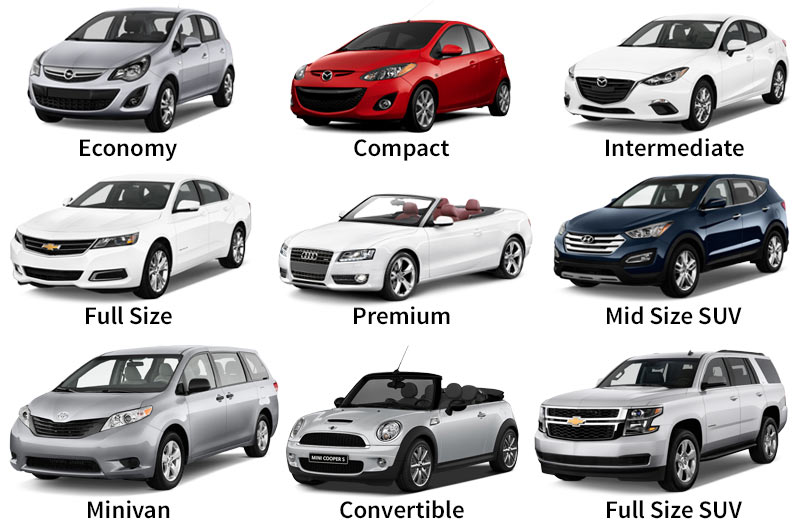
Vehicle Type and Size
The most apparent cost differentiator is the category of vehicle you choose. A compact economy car will naturally be less expensive than a full-size SUV or a luxury sedan.
- Economy and Compact Cars: These are the most budget-friendly options, ideal for solo travelers or couples. They offer good fuel efficiency, making them cost-effective for longer distances. Examples include the Nissan Versa or Toyota Corolla.
- Mid-Size and Standard Cars: These offer a balance of comfort, space, and affordability, suitable for small families or those needing a bit more room for luggage. A Honda Civic or Ford Fusion often falls into this category.
- SUVs and Minivans: For families or groups traveling together, or those planning off-road adventures (though less common in general Florida travel), SUVs and minivans provide ample seating and cargo space. The Toyota RAV4 or Dodge Grand Caravan are popular choices.
- Luxury and Premium Vehicles: If your Florida trip calls for a touch of indulgence, consider luxury sedans like a BMW 3 Series or premium SUVs such as a Cadillac Escalade. These come with a significantly higher price tag.
- Specialty Vehicles: This category includes convertibles, sports cars, and even trucks, catering to specific desires for a particular driving experience.
Rental Duration
The length of your rental period has a direct impact on the daily rate. Typically, the longer you rent a car, the lower the average daily cost becomes.
- Daily Rentals: The highest per-day rate is usually for single-day or short-term rentals.
- Weekly Rentals: Many rental companies offer discounted weekly rates, which can be more economical than booking seven individual days.
- Monthly Rentals: For extended stays, negotiating a monthly rate can lead to substantial savings.
Time of Year and Seasonality
Florida experiences distinct peak and off-peak tourist seasons, which significantly influence car rental demand and pricing.
- Peak Season (Winter and Spring Break): From December through April, and particularly during Spring Break periods (typically March), demand for rental cars skyrockets. This is driven by snowbirds escaping colder climates and families on vacation. Expect the highest prices during these months.
- Shoulder Seasons (Late Spring and Fall): May and late September through November often present a good balance of pleasant weather and lower demand. Prices tend to be more moderate during these periods.
- Off-Peak Season (Summer and Early Fall): While summer (June-August) is popular for families, it can also be very hot and humid, with the added consideration of hurricane season from June 1 to November 30. Early fall (September-October) can see dips in demand due to back-to-school and the lingering threat of storms. While potentially offering lower rates, travelers should be aware of weather risks.
Rental Company and Location
The choice of rental company and the specific pick-up location can also affect the overall cost.
- Major Rental Companies: Brands like Hertz, Avis, Enterprise, Budget, and Alamo operate nationwide and often have competitive pricing, especially when booked in advance.
- Off-Airport vs. Airport Locations: Renting from an off-airport location can sometimes be cheaper than picking up directly from an airport. However, this convenience comes at the cost of additional travel time to reach the rental agency. Airport locations often have surcharges and fees added to the base rate.
- Smaller, Local Agencies: While less common, some smaller, local agencies might offer competitive rates, but it’s essential to research their reputation and customer service.
Additional Fees and Insurance
Beyond the base rental rate, various additional charges can inflate the final bill. Understanding these is critical for accurate budgeting.
- Taxes and Surcharges: Florida imposes state and local taxes, as well as various airport or tourism surcharges, which can add a significant percentage to the rental cost.
- Insurance: This is a major consideration.
- Collision Damage Waiver (CDW) or Loss Damage Waiver (LDW): This is not insurance but a waiver offered by the rental company. If the car is damaged or stolen, you agree to pay a daily fee to waive your responsibility for all or part of the repair costs. This can be expensive.
- Supplemental Liability Insurance (SLI): This provides liability coverage for injuries or damage you cause to others.
- Personal Accident Insurance (PAI): Covers medical expenses for you and your passengers in case of an accident.
- Personal Effects Coverage (PEC): Covers theft of personal belongings from the rental car.
- Credit Card Coverage: Many credit cards offer secondary or primary rental car insurance. It’s crucial to check your card’s benefits guide to understand what’s covered and if it meets your needs, potentially allowing you to decline the rental company’s expensive insurance options.
- Additional Driver Fees: If more than one person plans to drive, most companies charge a daily fee for each additional driver.
- Young Driver Fees: Drivers under the age of 25 typically incur a significant daily surcharge.
- Fuel Options: Rental companies offer various fuel policies.
- Full-to-Full: You pick up the car with a full tank and must return it with a full tank to avoid refueling charges, which are often at a premium.
- Prepaid Fuel: You pay for a full tank upfront at a set price, which can be convenient but not always the most economical if you don’t use the entire tank.
- Refuel by Company: You return the car with whatever fuel level it has, and the company refuels it, charging you a per-gallon rate that is almost always higher than at a gas station.
- GPS and Toll Devices: GPS navigation systems and electronic toll collection devices (like SunPass) are usually available for an additional daily fee. Florida has many toll roads, so a toll device can be convenient, but its cost should be weighed against paying tolls individually.
Estimating Rental Costs: A Practical Guide
To provide a tangible idea of costs, let’s consider some estimated ranges for a standard sedan in Florida. These figures are approximate and can fluctuate wildly.
Average Daily Rates
- Economy/Compact Car: During off-peak seasons, you might find rates as low as $30-$50 per day. During peak season, this can easily jump to $60-$100+ per day.
- Mid-Size/Standard Car: Expect $40-$60 per day in the off-season, rising to $70-$120+ in peak times.
- SUV/Minivan: Off-peak rates might range from $60-$90 per day, while peak season can see prices of $100-$180+ per day.
Weekly and Monthly Rates

When you break down weekly and monthly costs, the per-day savings become apparent:
- Weekly: A weekly rental for an economy car might range from $200-$350 off-peak, and $400-$700+ during peak season.
- Monthly: For extended stays, monthly rates can bring the average daily cost down significantly, potentially to $20-$35 per day for an economy car, though this requires careful negotiation and booking well in advance.
The True Cost: Adding Fees
Remember to factor in the additional costs. For a one-week rental of a standard sedan during peak season, the base rate might be $500. However, with taxes, airport fees, insurance (if declined and not covered by a credit card), and a full tank of gas, the total could easily reach $700-$900 or more.
Tips for Saving Money on Your Florida Rental Car
Maximizing your budget doesn’t mean compromising on your Florida adventure. Here are several strategies to help you secure a more affordable rental.
Book in Advance
This is perhaps the single most effective way to secure competitive rates. Rental companies often offer better prices for early bookings, especially for popular vehicle types or during busy periods. Waiting until the last minute, particularly for peak season travel, will almost certainly result in higher prices.
Compare Prices Across Companies and Aggregators
Don’t settle for the first quote you receive. Utilize online comparison websites and rental company booking engines to see a range of prices for your desired dates and vehicle type. Be sure to compare the “total price” after all fees and taxes are included, not just the base rate.
Be Flexible with Pick-up and Drop-off Locations
As mentioned, off-airport locations can sometimes offer lower rates. If convenience isn’t paramount, exploring rental agencies in nearby towns or city centers can yield savings. Similarly, if your itinerary allows, compare prices for picking up and dropping off at different locations.
Consider Smaller or Mid-Size Vehicles
Unless you have specific needs for a larger vehicle, opting for an economy or compact car will always be the most budget-friendly choice. These cars are also more fuel-efficient, saving you money at the pump.
Leverage Memberships and Discounts
Check if you’re eligible for any corporate discounts, AAA rates, AARP discounts, or loyalty program benefits. Many companies offer special rates to members of various organizations.
Understand Your Insurance Needs
Thoroughly investigate your existing insurance coverage. Your personal auto insurance policy and your credit card benefits might cover rental car damage and theft, allowing you to decline the often expensive insurance options offered by the rental agency. Always verify the terms and conditions of these coverages.
Refuel Strategically
Opt for the “full-to-full” fuel policy whenever possible and refuel the car yourself at a local gas station before returning it. Rental company refueling charges are notoriously high.
Avoid Unnecessary Add-ons
Think critically about whether you truly need extras like GPS (your smartphone likely has this functionality), satellite radio, or an extra driver if only one person will be driving. Decline these if they aren’t essential to your trip.

Read the Fine Print
Before signing any rental agreement, thoroughly read all terms and conditions. Pay close attention to mileage restrictions (though most rentals in Florida offer unlimited mileage), fuel policies, late return fees, and any potential charges for damage or excessive wear and tear.
Renting a car in Florida is an investment in your travel experience. By understanding the pricing dynamics and employing smart booking strategies, you can ensure this essential element of your trip is both affordable and convenient, leaving you with more resources to enjoy the myriad attractions the Sunshine State has to offer, from the theme parks of Orlando to the stunning beaches of the Florida Keys.
LifeOutOfTheBox is a participant in the Amazon Services LLC Associates Program, an affiliate advertising program designed to provide a means for sites to earn advertising fees by advertising and linking to Amazon.com. Amazon, the Amazon logo, AmazonSupply, and the AmazonSupply logo are trademarks of Amazon.com, Inc. or its affiliates. As an Amazon Associate we earn affiliate commissions from qualifying purchases.