
The tragic events surrounding the Boston Marathon bombing in April 2013 left an indelible mark on the city of Boston and the nation. Beyond the initial terror of the explosions near the finish line, the subsequent manhunt and confrontation with the perpetrators, the Tsarnaev brothers, raised critical questions about the nature of their arsenal and the ferocity of their resistance. Among these, a persistent inquiry revolves around whether the bombers deployed improvised explosive devices, specifically pipe bombs, against law enforcement during their desperate flight. Examining the historical record, particularly the harrowing shootout in Watertown, provides a definitive answer and sheds light on the grave threats faced by police in the pursuit of justice.

The Tragic Aftermath: A City Under Siege
The events of April 15, 2013, shattered the celebratory atmosphere of the Boston Marathon. Two pressure cooker bombs detonated in quick succession near the finish line on Boylston Street, claiming three lives and injuring hundreds, many severely. This heinous act initiated an intensive investigation, transforming the vibrant, historic streets of Boston into a scene of methodical forensic analysis and an urgent search for those responsible.
The Initial Attack and Investigation
The initial moments following the explosions were chaotic, marked by heroism from first responders and bystanders alike. As medical personnel tended to the wounded amidst the smoke and debris, federal and local authorities, including the FBI, Massachusetts State Police, and Boston Police Department, launched a massive investigation. Forensic teams meticulously scoured the blast sites, collecting crucial evidence such as fragments of the pressure cookers, nails, BBs, and electronic components, which quickly pointed to the use of unsophisticated yet deadly improvised explosive devices (IEDs). Surveillance footage from the area became pivotal, eventually leading to the identification of two suspects: Tamerlan Tsarnaev and Dzhokhar Tsarnaev. Their images were broadcast worldwide, turning them into America’s most wanted fugitives.
The Manhunt Begins: A Citywide Lock-down
The release of the suspects’ images intensified the manhunt, plunging the entire Boston metropolitan area into a state of heightened alert. The gravity of the situation escalated dramatically on the evening of April 18, just hours after the FBI publicly identified the suspects. The Tsarnaev brothers’ desperate attempt to evade capture led them through a violent spree that further terrorized the community. This included the fatal shooting of Officer Sean Collier of the Massachusetts Institute of Technology (MIT) in Cambridge, followed by the carjacking of a Mercedes-Benz SUV. The discovery of Collier’s body and the subsequent carjacking instantly transformed the search into a direct, armed pursuit, culminating in a fierce confrontation that would answer the question regarding their willingness to use explosives against police.
The Confrontation in Watertown: A Pivotal Moment
The night of April 18-19, 2013, marked a turning point in the hunt for the Boston Bombers. After murdering Officer Sean Collier and carjacking a vehicle, the Tsarnaev brothers drove into the quiet residential streets of Watertown, unaware that their actions had been reported, and law enforcement was closing in. What followed was a violent, chaotic exchange that put the lives of numerous officers at extreme risk and directly addressed the question of their use of explosives.
The Carjacking and Pursuit
Following the shooting of Officer Sean Collier on the MIT campus, the Tsarnaev brothers carjacked a man in his SUV in Cambridge. The victim, eventually released unharmed, managed to alert authorities after escaping from a gas station, providing critical information that allowed police to track the stolen vehicle. This timely report led to a rapid mobilization of police units, who soon located the SUV in Watertown. What began as a routine traffic stop for the Massachusetts Bay Transportation Authority (MBTA) officer who first spotted the vehicle quickly escalated into a full-blown firefight as the suspects realized they were cornered.
The Firefight on Laurel Street
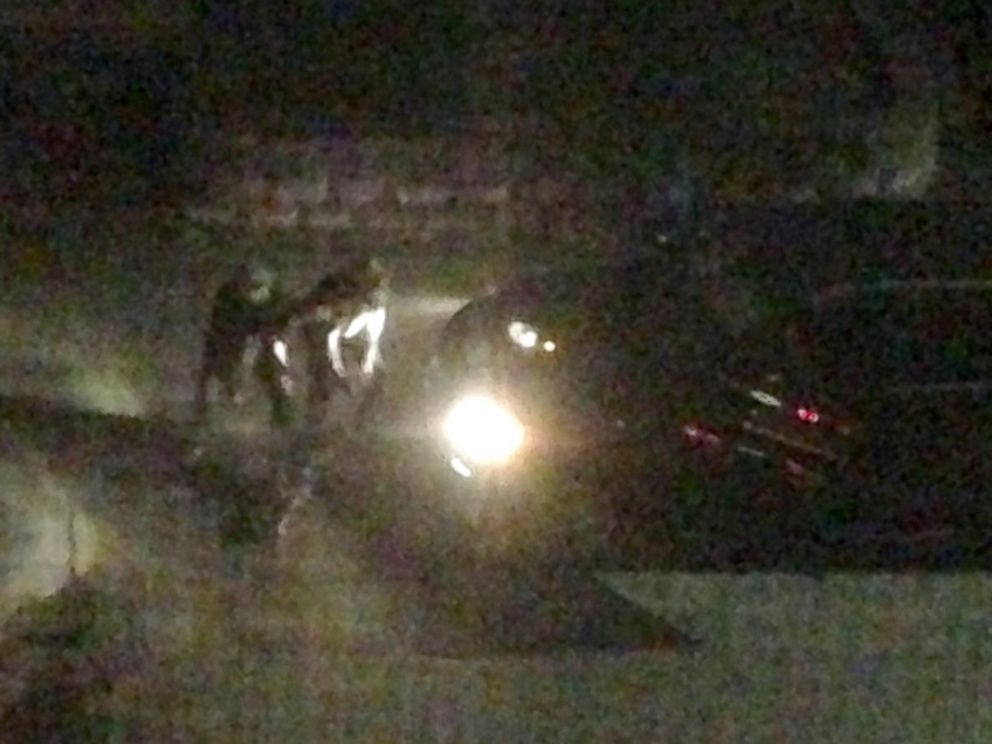
The confrontation unfolded on Laurel Street in Watertown. As police cruisers arrived and attempted to apprehend the suspects, the Tsarnaev brothers unleashed a torrent of violence. They engaged officers with an active gun battle, firing a 9mm handgun and, crucially, deploying an array of improvised explosive devices. Eyewitness accounts and subsequent investigations confirmed that Tamerlan Tsarnaev threw several pipe bombs at the police during this intense exchange. Additionally, the most significant explosive device deployed was a large pressure cooker bomb, similar in construction to those used at the marathon, which detonated with a powerful blast.
The scene was one of utter pandemonium. Officers, under heavy gunfire and bombardment from explosives, returned fire. The ferocity of the attack demonstrated the bombers’ clear intent to kill or severely injure law enforcement personnel to avoid capture. During the firefight, Tamerlan Tsarnaev was gravely wounded. As police moved in to apprehend him, Dzhokhar Tsarnaev got back into the stolen SUV and drove directly towards the line of officers, running over his already injured brother in the process before fleeing the scene, initiating another day-long search that would paralyze the city.
Deconstructing the Use of Explosives
The events of Watertown unequivocally confirm that the Boston Bombers did indeed throw pipe bombs at police, in addition to using firearms and a larger pressure cooker bomb. This aggressive use of explosives against law enforcement marked a significant escalation in their desperate flight and underscored their commitment to violence.
Improvised Explosive Devices: The Marathon Bombs
The bombs used at the Boston Marathon were sophisticated in their simplicity and devastating in their effect. Constructed from pressure cookers, packed with shrapnel like nails and BBs, and ignited by remote control, they were designed to maximize casualties. The investigation revealed that the Tsarnaev brothers had researched bomb-making techniques online and meticulously assembled these devices. Their use at the marathon was a calculated act of terror against a peaceful civilian gathering, transforming iconic Boston landmarks into crime scenes and places of profound grief.
The Watertown Firefight: Projectiles and Peril
During the Watertown shootout, the nature of the explosives evolved slightly to suit a direct confrontation. While the pressure cooker bomb detonated was a powerful static device, the pipe bombs were designed for throwing, acting as crude hand grenades. These devices, typically made from sealed metal pipes filled with explosive material and capped with fuses, are highly dangerous, capable of causing severe injury or death through blast pressure and fragmentation. Multiple officers reported hearing distinct explosions and seeing flashes from these projectiles. The use of both firearms and multiple types of IEDs—including pipe bombs—against the responding officers demonstrated the Tsarnaev brothers’ intent to inflict maximum harm and overwhelm the police. It showcased a chilling willingness to use every available means to resist capture, reinforcing the extreme danger they posed to the public and law enforcement.
Legacy and Resilience: Boston’s Enduring Spirit
The events of April 2013, particularly the harrowing details of the Watertown confrontation, left an indelible mark on Boston. Yet, in the wake of such violence, the city demonstrated an extraordinary capacity for resilience, unity, and remembrance. The phrase “Boston Strong” became a powerful testament to this enduring spirit, turning a moment of tragedy into a landmark of collective strength.
Memorials and Remembrance
Today, memorials stand as solemn reminders of the lives lost and the courage displayed during the bombings and the subsequent events. The permanent memorial on Boylston Street, near the finish line of the Boston Marathon, honors the victims of the bombings: Krystle Campbell, Lingzi Lu, and Martin Richard. A separate plaque at MIT commemorates Officer Sean Collier, a hero who died in the line of duty. These sites are not merely places of sorrow but also landmarks of communal remembrance, where the city comes together annually to reflect, heal, and reaffirm its values. They remind visitors and residents alike of the human cost of terrorism and the importance of vigilance and compassion.
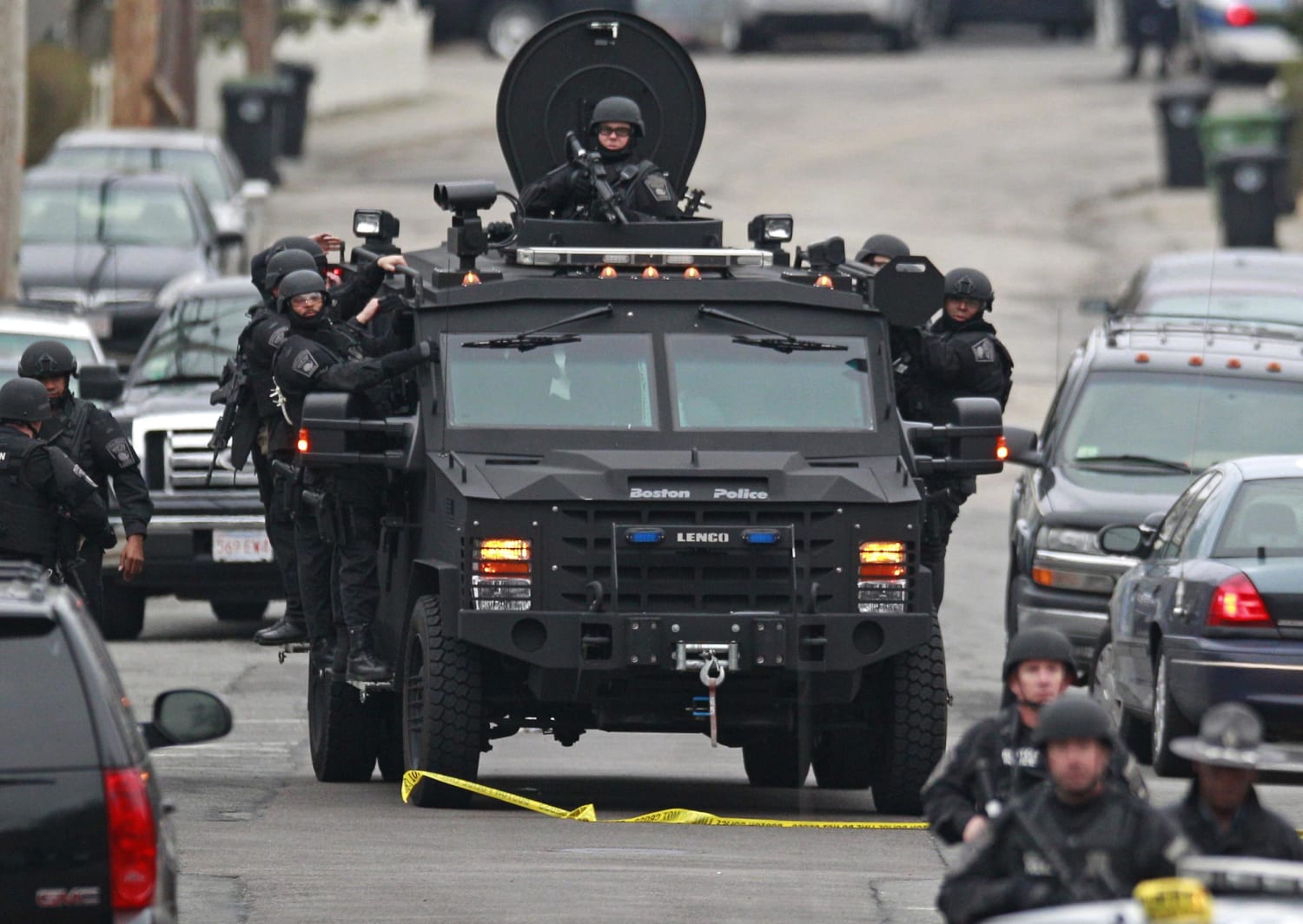
The Marathon Continues: A Symbol of Strength
Perhaps the most potent symbol of Boston’s resilience is the Boston Marathon itself. In the years following the attack, the marathon has been run with renewed spirit and determination, drawing record numbers of participants and spectators. The roar of the crowd, particularly at the finish line on Boylston Street, is not just a cheer for the runners but a defiant affirmation of unity and strength in the face of adversity. This enduring event has become a global landmark for human endurance and community solidarity, forever linked to the city’s historical narrative of overcoming challenge. The tragic events of 2013, including the direct confrontation in Watertown where the bombers threw pipe bombs at police, are a grim chapter in Boston’s history. Yet, they serve to highlight the unwavering courage of its law enforcement and the profound, unyielding spirit of a city that emerged from darkness stronger than ever.
LifeOutOfTheBox is a participant in the Amazon Services LLC Associates Program, an affiliate advertising program designed to provide a means for sites to earn advertising fees by advertising and linking to Amazon.com. Amazon, the Amazon logo, AmazonSupply, and the AmazonSupply logo are trademarks of Amazon.com, Inc. or its affiliates. As an Amazon Associate we earn affiliate commissions from qualifying purchases.