
The Golden State, a land of sun-drenched beaches, towering redwoods, and iconic cities like Los Angeles and San Francisco, is also synonymous with seismic activity. The specter of a major earthquake, often popularized by the notion of “The Big One” or a potential split along the infamous San Andreas Fault, is a constant undercurrent. For travelers planning a visit to California, understanding this geological reality is not about fear-mongering, but about informed preparation and ensuring a safe and enjoyable experience. This guide focuses on equipping you with the knowledge to navigate California confidently, understanding the seismic risks and how to mitigate them, ensuring your adventure remains focused on the state’s unparalleled attractions, from the Golden Gate Bridge to the Disneyland Resort.

Understanding California’s Seismic Landscape
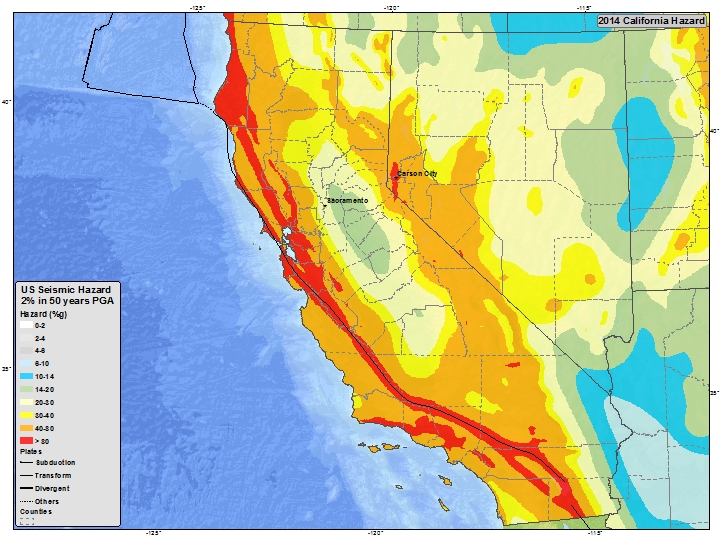
California sits atop the boundary of two major tectonic plates: the Pacific Plate and the North American Plate. These plates are constantly grinding past each other, with the San Andreas Fault being the most prominent feature of this complex system. This geological setting makes earthquakes an inevitable part of life in California.
The “Big One” and the Split Theory
The term “The Big One” refers to a hypothetical, large-magnitude earthquake expected to occur on the southern section of the San Andreas Fault. Scientists estimate that such an event could generate a magnitude 7.8 or greater earthquake, causing widespread destruction, particularly in Southern California. The idea of California splitting into two pieces is a more dramatic, though less scientifically precise, visualization of the potential impact of a massive rupture along the San Andreas Fault. While a complete separation is unlikely in the way a cookie might snap, the immense forces involved can cause significant displacement and damage.
Beyond the San Andreas: Other Faults and Seismic Hazards
It’s crucial to understand that the San Andreas Fault is not the only source of seismic activity in California. Numerous smaller faults crisscross the state, and earthquakes can occur anywhere, though they are more frequent and potentially more damaging in areas closer to active fault lines. These include the Hayward Fault in the Bay Area, the Garlock Fault, and the Elsinore Fault, among others. Beyond ground shaking, earthquakes can trigger other hazards such as landslides, tsunamis (especially along the coast), and liquefaction, where saturated soil loses its strength and behaves like a liquid.
Preparing for Your California Adventure: Practical Tips for Travelers
While the geological forces at play are immense, the risk of a major earthquake during your visit can be significantly mitigated with preparedness. California has some of the most stringent building codes in the world, meaning most modern hotels and tourist infrastructure are designed to withstand seismic events. However, a few simple steps can ensure your peace of mind.
Pre-Trip Research and Booking Smart

- Choose Accommodations Wisely: When booking your stay, consider the location. Hotels in areas known to be more seismically active might have additional safety features. Researching hotel reviews can sometimes offer insights into their structural integrity or emergency preparedness, though specific seismic design is rarely mentioned. Look for hotels built to modern California building codes, which are among the most advanced globally. For example, new constructions in Los Angeles and San Francisco are built with seismic resilience in mind.
- Familiarize Yourself with Your Hotel: Upon arrival, take a moment to locate emergency exits, fire extinguishers, and the nearest safe spot within your room (e.g., under a sturdy table or desk). Hotels typically have safety information available, often in a brochure or on the television.
- Understand Local Emergency Services: Most major tourist areas in California have well-established emergency response systems. Knowing who to contact in a dire situation (911 in the United States) is fundamental.
During Your Stay: Staying Safe and Informed
- The “Drop, Cover, Hold On” Mantra: This is the most critical piece of advice. If an earthquake strikes while you are awake, immediately Drop to your hands and knees, Cover your head and neck with your arms, and Hold On to a sturdy piece of furniture until the shaking stops.
- Indoors: Stay indoors. Do not run outside during shaking, as falling debris is a significant hazard. Move away from windows, heavy furniture, and appliances that could tip over.
- Outdoors: Move to an open area away from buildings, streetlights, and utility wires.
- In a Vehicle: Pull over to a clear location and stay in your vehicle with your seatbelt fastened. Avoid stopping near buildings, overpasses, or utility wires.
- After the Shaking:
- Check for Injuries: Assess yourself and others for injuries.
- Be Cautious of Aftershocks: Earthquakes are often followed by aftershocks, which can be strong enough to cause further damage. Be prepared for them.
- Conserve Resources: If power is out, conserve your phone battery. Listen to a battery-powered or hand-crank radio for emergency updates.
- Avoid Damaged Structures: Do not enter damaged buildings.
- Water and Utilities: Be aware of potential disruptions to water and gas lines. If you smell gas, leave the area immediately and report it.
Experiencing California’s Wonders: Resilience and Enjoyment
The vast majority of trips to California are entirely uneventful in terms of seismic activity. The state’s infrastructure is robust, and the chances of experiencing a significant earthquake during a short visit are statistically low. The focus should remain on the incredible experiences California offers.
Iconic Landmarks and Natural Beauty
From the majestic Yosemite National Park to the vibrant streets of San Diego, California boasts an unparalleled array of attractions. Explore the star-studded sidewalks of the Hollywood Walk of Fame, marvel at the engineering feat of the Golden Gate Bridge, or soak in the artistic atmosphere of San Francisco. The state’s diverse geography, from the desert landscapes of Joshua Tree National Park to the wine regions of Napa Valley, offers something for every traveler.
Urban Exploration and Cultural Immersion
Cities like Los Angeles buzz with energy, offering world-class museums, diverse culinary scenes, and entertainment options. San Francisco charms with its hilly streets, historic cable cars, and vibrant neighborhoods. Even smaller towns and coastal communities offer unique cultural experiences and a glimpse into the local Californian lifestyle. Engaging with the local culture, enjoying the cuisine, and participating in activities are the hallmarks of a memorable trip.
A Culture of Preparedness
It’s important to remember that Californians live with the awareness of earthquakes. This has fostered a culture of preparedness, with ongoing research, public education campaigns, and stringent building regulations. This collective consciousness ensures that the state is as resilient as it is beautiful. By adopting a similar mindset of informed preparedness, travelers can fully immerse themselves in the magic of California without undue concern, focusing on the experiences that make it a dream destination for so many. The potential for seismic events is a part of the landscape, but it doesn’t diminish the allure of the Golden State.
LifeOutOfTheBox is a participant in the Amazon Services LLC Associates Program, an affiliate advertising program designed to provide a means for sites to earn advertising fees by advertising and linking to Amazon.com. Amazon, the Amazon logo, AmazonSupply, and the AmazonSupply logo are trademarks of Amazon.com, Inc. or its affiliates. As an Amazon Associate we earn affiliate commissions from qualifying purchases.