
Navigating the logistics of relocating a vehicle across the country can seem daunting, especially when the distance spans from the sun-drenched shores of Florida to the golden state of California. The question of “How Much To Ship A Car From Florida To California?” is multifaceted, with numerous variables influencing the final cost. This guide delves into the key factors that determine pricing, offering insights to help you budget effectively for this significant undertaking. Whether you are moving for a new job, a change of scenery, or simply to escape the humidity, understanding the car shipping process is crucial for a smooth transition.
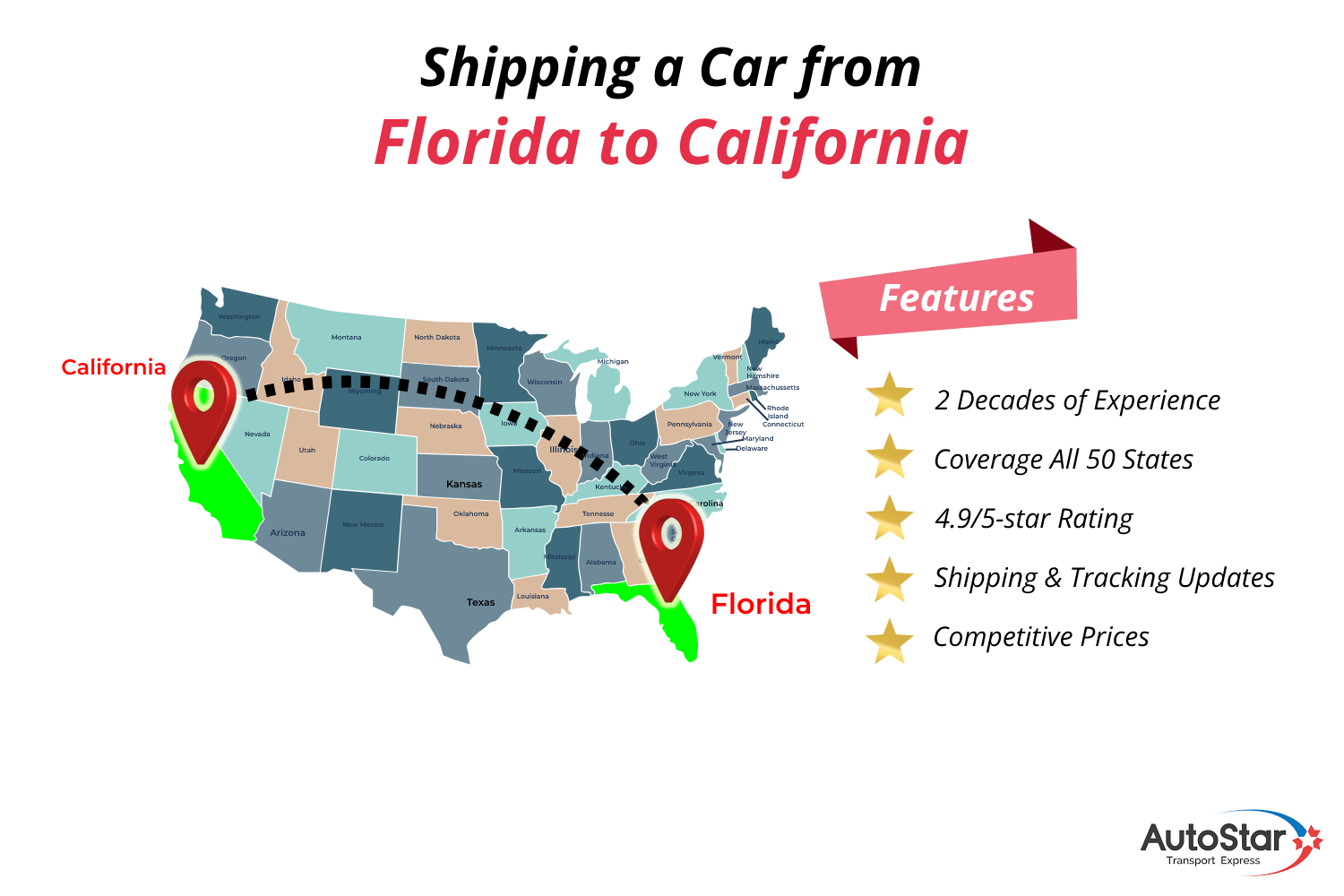
Understanding the Factors Influencing Car Shipping Costs
The price you will pay to ship a car from Florida to California is not a fixed number. It’s a dynamic figure influenced by a combination of service choices, vehicle specifics, and market conditions. Professional car shipping companies use a complex algorithm to calculate quotes, and a clear understanding of these components will empower you to make informed decisions and potentially secure a better rate.
Vehicle Type and Size
The dimensions and weight of your vehicle play a significant role in the overall cost. Larger vehicles, such as SUVs, trucks, or luxury cars, require more space on the transport truck and can therefore incur higher shipping fees. A compact sedan will typically be less expensive to ship than a Ford F-150 or a Chevrolet Suburban. Some companies may also charge extra for vehicles with modifications, such as lifted suspensions or oversized tires, as these can present loading and unloading challenges.
Shipping Method: Open vs. Enclosed Transport
One of the most significant cost differentiators is the type of transport you select.
Open Transport
This is the most common and cost-effective method. Your car will be transported on an open car carrier, similar to those you see on highways carrying multiple vehicles.
- Pros: Significantly cheaper than enclosed transport, widely available.
- Cons: The vehicle is exposed to the elements (rain, sun, dust, road debris) and has a higher risk of minor cosmetic damage during transit.
Enclosed Transport
This method involves transporting your vehicle inside a fully enclosed trailer. This offers the highest level of protection against external factors.
- Pros: Superior protection from weather, dirt, and potential damage during transit. Ideal for classic cars, luxury vehicles, or brand-new cars.
- Cons: Considerably more expensive than open transport, often by 30-50% or more. Availability might also be slightly more limited in some regions.
When obtaining quotes, always specify your preference for open or enclosed transport, as this will be a primary driver of the price.
Distance and Route
The sheer distance between Florida and California is a fundamental factor. A coast-to-coast shipment is naturally more expensive than a shorter, regional move. Additionally, the specific route taken by the car carrier can influence costs. Routes with higher demand, more direct paths, and better road infrastructure tend to be more efficient, potentially leading to slightly lower prices. Conversely, routes that are less common or involve more complex travel can command higher fees.
Time of Year and Demand
Like many industries, the car shipping business experiences seasonal fluctuations in demand. The peak seasons for moving, such as the summer months when families relocate, often see increased prices due to higher volumes of vehicles needing transport. Conversely, off-peak seasons, like late fall or winter (excluding the holiday period), might offer slightly more competitive pricing. Planning your shipment outside of these peak times can sometimes lead to cost savings.
Vehicle Condition and Operability
The condition of your car also plays a role. If your vehicle is inoperable and requires special handling (winching onto the carrier, for example), this will generally add to the cost. Most standard shipping quotes are based on the assumption that the car can be driven onto and off the transport truck. If your car is a non-runner, be sure to disclose this upfront to ensure an accurate quote and to arrange for the necessary equipment.
Insurance Coverage
While many reputable car shipping companies include a basic level of insurance in their quotes, the extent of this coverage can vary. Understanding what is covered, the deductible, and the maximum liability is crucial. You may also have the option to purchase additional insurance for greater peace of mind, especially for valuable vehicles. This added insurance will, of course, increase the total cost.
Types of Car Shipping Services and Their Implications
Beyond the fundamental factors, the specific service level you choose can also impact the price and overall experience.
Expedited Shipping

If you need your car to arrive in California by a specific, urgent deadline, expedited shipping is an option. This service prioritizes your vehicle on the transport schedule, ensuring faster pickup and delivery. As with most expedited services, this comes at a premium price.
Door-to-Door vs. Terminal-to-Terminal
- Door-to-Door: This is the most convenient service, where the car carrier picks up your vehicle from your specified location in Florida and delivers it directly to your destination in California. This service is generally more expensive due to the logistical complexities involved in navigating residential areas and traffic.
- Terminal-to-Terminal: With this option, you drop off your vehicle at a designated terminal owned by the shipping company in Florida, and pick it up from another terminal in California. This method is typically more affordable as it consolidates logistics at managed facilities. However, it requires more effort on your part for drop-off and pickup.
Port-to-Port Shipping (Less Common for Domestic Moves)
While less relevant for a Florida to California car shipment, it’s worth noting that port-to-port shipping is a common service for international relocations, involving transport to and from major sea ports.
Estimating Your Car Shipping Costs: A Hypothetical Scenario
To provide a tangible idea of costs, let’s consider a hypothetical scenario. Shipping a standard sedan from Miami, Florida to Los Angeles, California using open transport, door-to-door service, during a non-peak season, might range from $800 to $1,500.
However, if you opt for enclosed transport for the same journey, the price could escalate to anywhere between $1,200 and $2,200 or more.
These are estimates, and actual quotes will vary significantly based on the specific companies you contact, real-time market demand, and the precise origin and destination zip codes within these vast states. For example, shipping from a more remote area in the Florida Panhandle to a distant city in Northern California might incur additional fees compared to a shipment between major metropolitan hubs.
Additional Considerations and Hidden Costs
Be mindful of potential additional costs that might not be immediately apparent in initial quotes:
- Detention Fees: If the pickup or delivery is significantly delayed due to reasons beyond the carrier’s control (e.g., you’re not available to receive the vehicle), detention fees might apply.
- Tolls and Fuel Surcharges: While often included in the base rate, some companies might itemize these or adjust them based on fluctuating fuel prices.
- Extra Insurance: As mentioned, purchasing comprehensive insurance beyond the standard coverage will add to the cost.
- AK & HI Surcharges: If your destination is Alaska or Hawaii, expect significant surcharges due to the logistical complexities of shipping via sea or air. This is not applicable for a Florida to California shipment.
Tips for Finding the Best Car Shipping Deal
Securing the best possible price for shipping your car from Florida to California requires diligence and a strategic approach.
Obtain Multiple Quotes
Never settle for the first quote you receive. Contact at least three to five reputable car shipping companies. This will give you a clear understanding of the market rates and allow you to negotiate or leverage better offers.
Read Reviews and Check Credentials
Before committing to a company, thoroughly research their reputation. Look for online reviews, check their standing with the Better Business Bureau (BBB), and ensure they are properly licensed and insured. Companies like those recommended by industry associations or those with a long history of positive customer feedback are generally reliable choices.
Ask Detailed Questions
Don’t hesitate to ask carriers about their insurance policies, pickup and delivery windows, cancellation policies, and any potential hidden fees. A transparent company will be happy to answer all your questions.
Be Flexible with Dates
If your schedule allows, being flexible with your pickup and delivery dates can sometimes lead to cost savings. Carriers may offer discounts for vehicles that can fill space on less in-demand routes or schedules.

Prepare Your Vehicle Thoroughly
Before the carrier arrives, ensure your vehicle is clean, both inside and out. Remove all personal belongings and any aftermarket accessories that are not permanently attached. This not only protects your possessions but also helps the inspection process. Also, ensure your vehicle has adequate fuel (typically no more than a quarter tank) for loading and unloading.
Shipping a car from Florida to California is a significant logistical task, but with careful planning and by understanding the various cost factors involved, you can navigate the process smoothly and find a service that meets your needs and budget.
LifeOutOfTheBox is a participant in the Amazon Services LLC Associates Program, an affiliate advertising program designed to provide a means for sites to earn advertising fees by advertising and linking to Amazon.com. Amazon, the Amazon logo, AmazonSupply, and the AmazonSupply logo are trademarks of Amazon.com, Inc. or its affiliates. As an Amazon Associate we earn affiliate commissions from qualifying purchases.