
The sanctuary of a spa offers a haven from the everyday hustle, a place where relaxation and rejuvenation are paramount. From soothing massages to invigorating facials, spa treatments are designed to melt away stress and enhance well-being. As discerning travelers and locals alike seek these moments of tranquility, a common question arises: “How much should I tip at a spa?” This seemingly simple query can navigate a complex landscape of service expectations, cultural norms, and personal satisfaction. Understanding the etiquette surrounding spa gratuities ensures that your experience remains seamless and that the dedicated professionals who enhance your well-being are appropriately recognized for their skill and service.
The Nuances of Spa Tipping Culture
Tipping at a spa is not merely an afterthought; it’s an integral part of the service industry that acknowledges the personalized attention and expertise provided by therapists, estheticians, and other spa staff. While the exact percentage can fluctuate, establishing a baseline understanding is crucial for navigating this aspect of your spa visit.
Standard Gratuity Guidelines
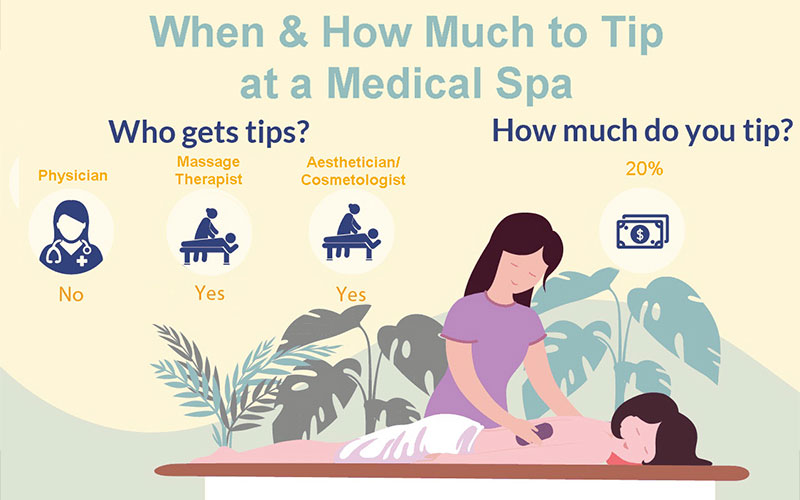
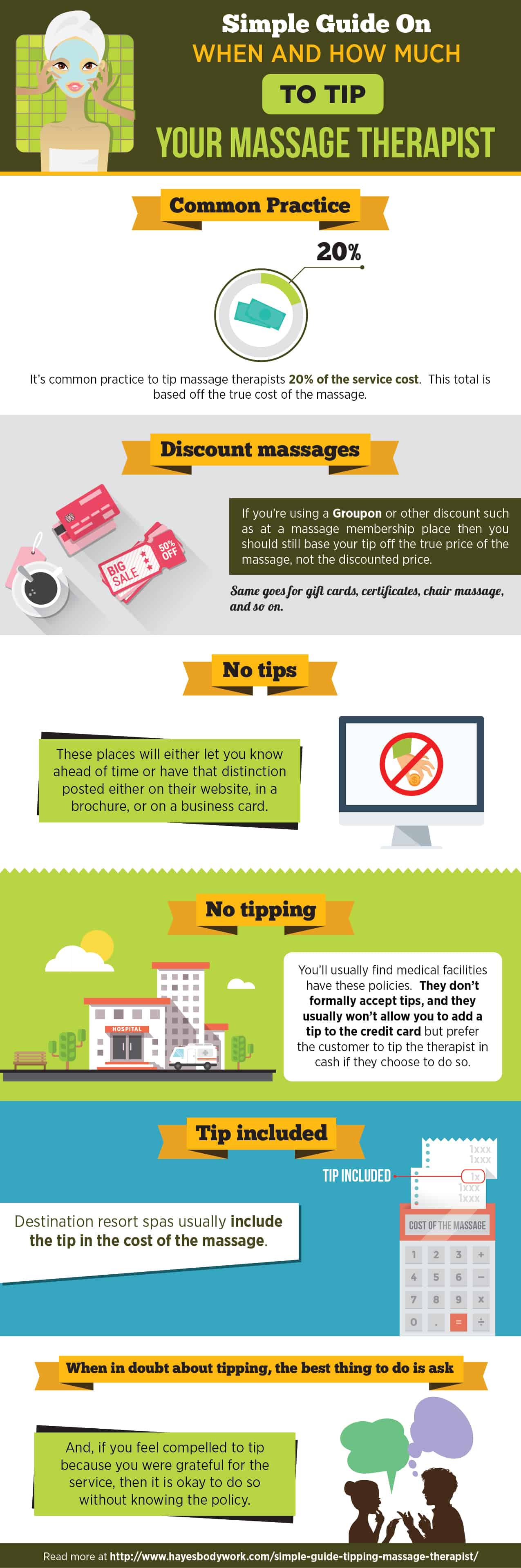
In many parts of the world, particularly in the United States and Canada, a standard tipping range of 15% to 20% of the pre-tax service cost is widely accepted. This range reflects a general appreciation for good service. For exceptional service that goes above and beyond, some patrons opt to tip as high as 25%. It’s important to remember that these percentages apply to the cost of the service itself, not including any retail products you may purchase during your visit.
Factors Influencing Your Tip
Several elements can influence the amount you choose to tip:
- Quality of Service: Was your therapist attentive to your needs and preferences? Did they communicate effectively about pressure points or product application? The skill, attentiveness, and professionalism of the service provider are primary drivers of gratuity.
- Duration and Complexity of Treatment: A longer, more intricate treatment, such as a multi-hour spa package or a specialized therapeutic massage, often warrants a more generous tip than a shorter, simpler service.
- Spa Environment and Amenities: While not directly tied to the service provider, the overall ambiance and the quality of facilities contribute to your experience. In some high-end resorts or luxury spas, where the service is exceptionally curated and the environment is opulent, patrons may feel inclined to tip at the higher end of the spectrum.
- Personal Satisfaction: Ultimately, the decision rests with you. If you felt completely relaxed, rejuvenated, and cared for, your tip should reflect that satisfaction.
Where the Tip Goes
It is essential to understand who receives the gratuity. In most spas, tips are given directly to the therapist or esthetician who performed your service. However, in some larger establishments or resort spas, there might be a central tipping pool or a service charge that is distributed among various staff members, including receptionists, locker room attendants, and therapists. If you are unsure about the spa’s tipping policy, discreetly inquiring at the front desk before or after your service is advisable. This avoids any potential awkwardness or misdirection of your well-earned gratuity.
Tipping in Different Spa Settings
The context of your spa visit can also influence tipping expectations. Whether you’re at a local day spa, a bustling hotel spa, or a secluded resort, understanding these distinctions can help you tip appropriately.
Day Spas vs. Resort Spas
- Day Spas: These are typically standalone establishments focused purely on spa services. Tipping here generally follows the standard 15-20% guideline. The focus is primarily on the individual service provider.
- Resort Spas: Found within larger hotels or vacation complexes like the Ritz-Carlton or Four Seasons, resort spas often offer a broader range of amenities, such as pools, fitness centers, and relaxation lounges. Tipping in these settings can sometimes be more complex. While the service provider still expects a gratuity (15-20%), a service charge might already be included in your bill, especially for packages or if you are a guest of the resort. Always check your bill carefully for any pre-applied service fees. Sometimes, additional tips might be given for exceptional service from other resort staff who contribute to your spa experience, such as the concierge who booked your appointment or the attendant who assisted you in the locker room.
Boutique Spas and Specialized Clinics
Boutique spas, often offering unique or specialized treatments, may have their own tipping culture. These establishments frequently pride themselves on personalized service, so a tip reflecting this attention to detail is highly appreciated. Specialized clinics, such as those offering medical spa treatments or advanced therapeutic services, might operate under slightly different protocols. While tipping is still customary for the practitioner’s direct service, the amount might be influenced by the medical nature of the treatment and the practitioner’s professional standing.
International Tipping Conventions
When traveling abroad, tipping customs can vary significantly.

- Europe: In many European countries, such as France or Italy, service charges are often included in the bill. While an additional small tip (around 5-10%) for exceptional service is appreciated, it’s not always expected at the same rate as in North America. Researching local customs for the specific country you are visiting is always recommended. For instance, in some Nordic countries, tipping is less common as service staff are paid a higher base wage.
- Asia: Tipping culture in Asia is diverse. In countries like Japan, tipping is generally not practiced and can sometimes be seen as an insult. In contrast, in places like Thailand or Vietnam, a small gratuity for excellent service is appreciated but not always a significant percentage. Again, understanding local norms is key to navigating these situations gracefully.
- Other Regions: Always check specific cultural norms for the destination you are visiting. Websites like TripAdvisor or local travel guides can provide valuable insights into tipping practices in various regions.
Best Practices for Tipping at the Spa
Ensuring your tipping process is smooth and appropriate involves a few practical considerations.
How to Present Your Tip
The method of tipping often depends on the spa’s payment system.
- Cash: This is often the most straightforward and preferred method, especially if you want to tip your therapist directly and ensure they receive the full amount immediately. Many people like to have small bills on hand for this purpose.
- Credit Card: Most spas allow you to add a tip to your credit card payment. You will typically be asked at the time of payment if you wish to add a gratuity and for what amount. Be sure to specify the desired percentage or dollar amount. If you are unsure, you can always ask the front desk staff how to add a tip to your credit card bill.
- Pre-paid Packages: If you have booked a spa package through a third-party site or a specific promotion, check the terms and conditions. Some packages may include gratuity, while others do not. If gratuity is not included, you will be expected to tip based on the value of the services received.
What to Do If You Have Multiple Therapists
If your spa day includes multiple services with different therapists, such as a massage followed by a facial, it is customary to tip each service provider individually. The standard 15-20% should be applied to the cost of each respective treatment. For example, if your massage costs $100 and your facial costs $100, you would ideally tip approximately $15-$20 for the massage and another $15-$20 for the facial.
When to Adjust Your Tip
While standard percentages are helpful, there are occasions where adjusting your tip is appropriate:
- Exceptional Service: If a therapist goes above and beyond, offering personalized advice, accommodating special requests, or simply providing an unparalleled level of comfort and skill, don’t hesitate to show your appreciation with a tip higher than the standard.
- Substandard Service: In rare instances, the service may not meet expectations. If you encountered issues with the therapist’s professionalism, skill, or attentiveness, you are within your rights to adjust the tip accordingly. It is often courteous to address your concerns with the spa management beforehand to allow them an opportunity to rectify the situation. However, if the issue was significant and unaddressed, a reduced tip is justifiable.
The Role of Spa Staff and Your Gratuity
Spa therapists and estheticians are skilled professionals who dedicate their careers to improving the well-being of their clients. Their income often relies significantly on gratuities, making your tip an essential component of their livelihood.
Understanding the Value of Their Work
Spa professionals undergo extensive training to master techniques in massage therapy, skincare, and other holistic treatments. They are trained to understand anatomy, physiology, and the specific needs of different skin types and conditions. Their ability to create a tranquil environment, communicate effectively, and provide a personalized experience contributes directly to your overall health and happiness. A tip acknowledges this expertise and the dedication required to perform these services.
Ensuring Fair Compensation
In many regions, particularly where spa services are a significant part of the economy, base wages for therapists can be modest. This is why tips are not just a bonus but often a crucial part of their earnings. By tipping appropriately, you are contributing to a fair compensation system that supports these dedicated individuals and encourages them to continue providing high-quality services. This is especially true in destinations known for their spa culture, such as Sedona or Bali.
The Impact of Your Generosity
Beyond the financial aspect, a generous tip can serve as positive reinforcement. It communicates to the therapist and the spa management that their efforts are valued. This can motivate staff to maintain high standards and even inspire them to pursue further training and specialization. For many, receiving a good tip is a direct indicator of client satisfaction and a testament to their professional growth. Your thoughtful gratuity contributes to a thriving spa industry where both clients and practitioners benefit.
Navigating the world of spa tipping might seem intricate, but with a little knowledge and consideration, it becomes a natural and rewarding part of the experience. Whether you are indulging in a relaxing massage at a local day spa or a comprehensive wellness retreat at a luxurious resort, understanding these tipping customs ensures that your visit is not only personally fulfilling but also respectful of the professionals who make it possible.
LifeOutOfTheBox is a participant in the Amazon Services LLC Associates Program, an affiliate advertising program designed to provide a means for sites to earn advertising fees by advertising and linking to Amazon.com. Amazon, the Amazon logo, AmazonSupply, and the AmazonSupply logo are trademarks of Amazon.com, Inc. or its affiliates. As an Amazon Associate we earn affiliate commissions from qualifying purchases.