
While Stanley Kubrick’s chilling masterpiece, The Shining, is famously set in the fictional Overlook Hotel, the cinematic experience often leads viewers to wonder about the real-world locations that inspired and contributed to its haunting atmosphere. Although the bulk of the filming for the interior scenes took place on soundstages in Elstree Studios, Hertfordshire, England, the majestic, imposing presence of the American West, and specifically the state of Colorado, undeniably played a significant role in shaping the film’s visual identity and narrative. The vast, snow-covered landscapes and rugged mountain terrain of Colorado served as a powerful muse, even if the primary on-location shooting for the exterior shots of the Overlook Hotel itself was not within its borders. However, the echoes of Colorado’s grandeur and isolation are deeply embedded in the film’s DNA, influencing the perception of the Overlook as a place both breathtakingly beautiful and terrifyingly remote.

The Rocky Mountain Majesty: Inspiration and Influence
The “Overlook Hotel” in The Shining is depicted as a sprawling, isolated mountain resort, a character in itself that looms over its inhabitants. This iconic image is heavily indebted to the visual language of the Rocky Mountains, a mountain range that dramatically defines the Colorado landscape. The sheer scale and wildness of these mountains evoke a sense of awe mixed with vulnerability, a duality that perfectly captures the psychological torment experienced by Jack Torrance.
The “Real” Overlook Hotel: A Colorado Connection?
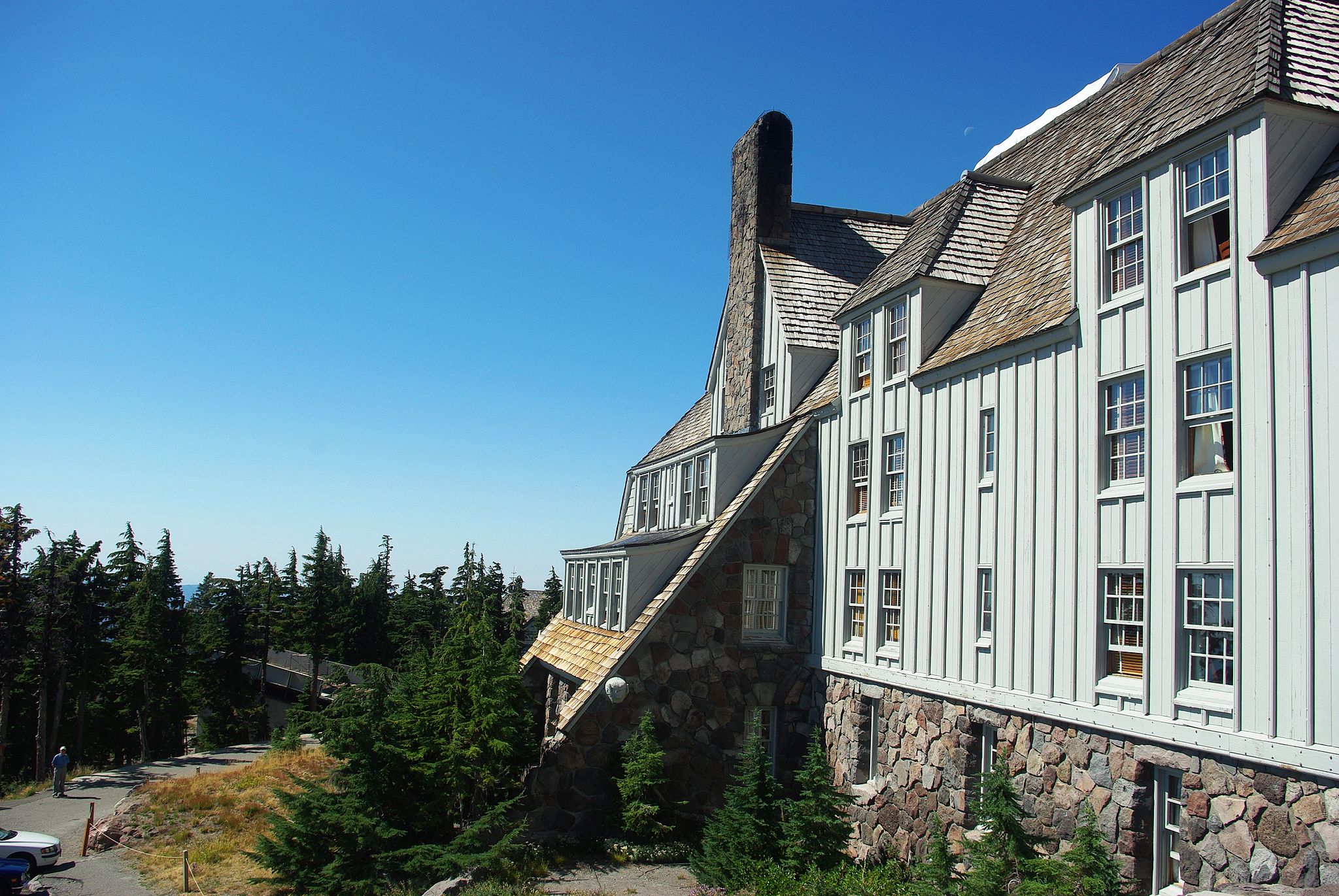
It is a common misconception that the Timberline Lodge in Oregon was the sole on-location filming site for the Overlook Hotel’s exterior. While the Timberline Lodge was indeed used for establishing shots of the hotel’s exterior, its architectural style and grandeur are not dissimilar to many grand historic hotels found nestled within the Colorado Rockies. The inspiration for the Overlook’s imposing structure can be broadly attributed to the iconic “grand hotels” of the late 19th and early 20th centuries that were built in remote, picturesque locations across the American West, many of which are found in Colorado. These hotels were designed to offer a luxurious escape amidst untamed wilderness, a concept that resonates deeply with the narrative of The Shining.
The idea of a grand hotel becoming isolated and menacing due to harsh weather conditions is a recurring theme in the history of mountain resorts. Imagine the Stanley Hotel in Estes Park, Colorado, a historic landmark that predates the film and shares a certain architectural kinship with the depicted Overlook. While Stephen King himself has cited the Stanley Hotel as a significant inspiration for his novel, it’s crucial to distinguish between the novel’s inspiration and the film’s actual filming locations. However, the very existence and atmosphere of hotels like the Stanley Hotel, with their rich histories and isolated mountain settings, undoubtedly informed the visual and thematic elements that made their way into Kubrick’s film. These establishments embody the very essence of a grand mountain retreat that can, under the right (or wrong) circumstances, become a prison.
Colorado’s Dramatic Landscapes
Beyond specific hotel inspirations, the broader panorama of Colorado offers a wealth of visual cues that resonate with The Shining. The state is renowned for its dramatic mountain peaks, expansive forests, and stark, often snow-covered terrain. These are precisely the elements that contribute to the film’s oppressive sense of isolation and the feeling of being swallowed by nature. The endless white expanse of snow, a key visual element in the film, is a common sight in Colorado during its harsh winters. The sheer scale of the landscape in the Rocky Mountains can be both breathtakingly beautiful and profoundly intimidating, mirroring the psychological journey of the characters.
Think of the drive to the Overlook Hotel, a winding ascent into a remote, seemingly endless wilderness. This imagery is perfectly evoked by the scenic byways that traverse the Colorado Rockies. The dense forests that surround the fictional hotel, with their gnarled trees and deep shadows, also find their counterparts in the vast woodlands of Colorado. These natural elements are not merely backdrops; they are integral to the film’s creation of a palpable sense of dread and claustrophobia, despite the seemingly infinite open spaces.
Beyond the Screen: Experiencing the “Shining” Vibe in Colorado
While you won’t find the exact Overlook Hotel standing in Colorado, the spirit and aesthetic that inspired The Shining are very much alive within the state’s magnificent mountain resorts and historical lodges. For fans of the film seeking to immerse themselves in a similar atmosphere, several destinations in Colorado offer a compelling experience, blending historical grandeur with the imposing beauty of the Rockies.
The Stanley Hotel: A Direct Link
The most obvious destination for any Shining enthusiast in Colorado is undoubtedly the Stanley Hotel in Estes Park. As previously mentioned, this historic hotel is widely acknowledged as a primary inspiration for Stephen King’s novel. Its elegant architecture, set against the stunning backdrop of the Rocky Mountains, immediately conjures the essence of the Overlook.
Visitors can tour the hotel, which embraces its connection to The Shining with various themed tours and events. The hotel actively leans into its haunted reputation, with ghost tours and paranormal investigations being popular attractions. Staying at the Stanley Hotel provides an opportunity to experience the grandeur and isolation that are so central to the story, offering a tangible link to the genesis of Jack Torrance’s descent into madness. The panoramic views from its windows and the surrounding mountain trails echo the film’s visual language, allowing visitors to feel a profound connection to the narrative’s setting, even if the film’s iconic exterior shots were elsewhere.
Other Grand Mountain Lodges
Beyond the Stanley Hotel, Colorado boasts numerous other historic grand hotels and lodges that share a similar architectural style and breathtaking mountain locations. These establishments, many of which were built during the railroad era to attract tourists to the scenic beauty of the West, evoke the same sense of opulent isolation as the Overlook Hotel.
Consider the Broadmoor Seven Falls area near Colorado Springs, where the majestic Broadmoor resort offers a luxurious experience within a dramatic natural setting. While perhaps more overtly luxurious than the Overlook, its scale and its integration with the surrounding wilderness share a thematic link. Similarly, many historic lodges in towns like Aspen, Vail, and Telluride capture the essence of a grand mountain retreat, offering stunning vistas and a sense of secluded grandeur. These locations provide a palpable sense of the vastness and the sublime power of nature that forms the backdrop to the psychological drama of The Shining.
Exploring the Filming Locations: A Cinematic Pilgrimage
While the filming of The Shining in Colorado primarily relates to inspiration and thematic resonance rather than direct on-location shooting of the Overlook Hotel’s exterior, the state’s landscapes still offer a compelling journey for cinephiles. The feeling of The Shining is intrinsically linked to the visual representation of remote, snow-laden mountain environments, and Colorado delivers this in abundance.
The Power of Isolation
The isolation depicted in The Shining is a key element that resonates with the experience of visiting many remote areas in Colorado. Driving for hours through winding mountain passes, with little civilization in sight, can evoke a similar sense of being cut off from the rest of the world. The sheer scale of the mountains, the vastness of the national parks like Rocky Mountain National Park, and the stark beauty of the winter landscape all contribute to this feeling.
For a truly immersive experience, consider visiting Colorado during the winter months. The heavy snowfall transforms the landscape into a breathtaking, yet potentially daunting, spectacle. The quiet stillness of a snow-covered mountain town, punctuated only by the crunch of your own footsteps, can feel eerily similar to the desolate quietude of the Overlook Hotel when it’s cut off from the outside world. This is where the cinematic dread of The Shining truly comes alive in the physical environment of Colorado.

The Enduring Legacy of Mountain Resorts
The grand hotels and lodges that dot the Colorado landscape are testaments to a bygone era of travel and a fascination with the majestic power of the mountains. These establishments, with their imposing architecture and their often remote settings, are the physical embodiment of the inspiration behind the Overlook Hotel. They offer a unique glimpse into the allure and the potential perils of seeking solace and adventure in the wild. By exploring these destinations, visitors can gain a deeper appreciation for the visual and thematic elements that made The Shining such an enduringly terrifying film, understanding how the grandeur and isolation of the Colorado Rockies contributed to its chilling atmosphere.
LifeOutOfTheBox is a participant in the Amazon Services LLC Associates Program, an affiliate advertising program designed to provide a means for sites to earn advertising fees by advertising and linking to Amazon.com. Amazon, the Amazon logo, AmazonSupply, and the AmazonSupply logo are trademarks of Amazon.com, Inc. or its affiliates. As an Amazon Associate we earn affiliate commissions from qualifying purchases.