
Navigating the nuances of tipping can be one of the most stressful aspects of a modern journey. While we often focus on the excitement of visiting a new city or the comfort of a luxury suite, the social etiquette of gratuity remains a silent undercurrent that dictates the quality of our interactions with hospitality professionals. Whether you are checking into a high-rise in New York City or enjoying the serene views of a villa in France, understanding the “how much” and “to whom” of hotel tipping is essential for any savvy traveler.
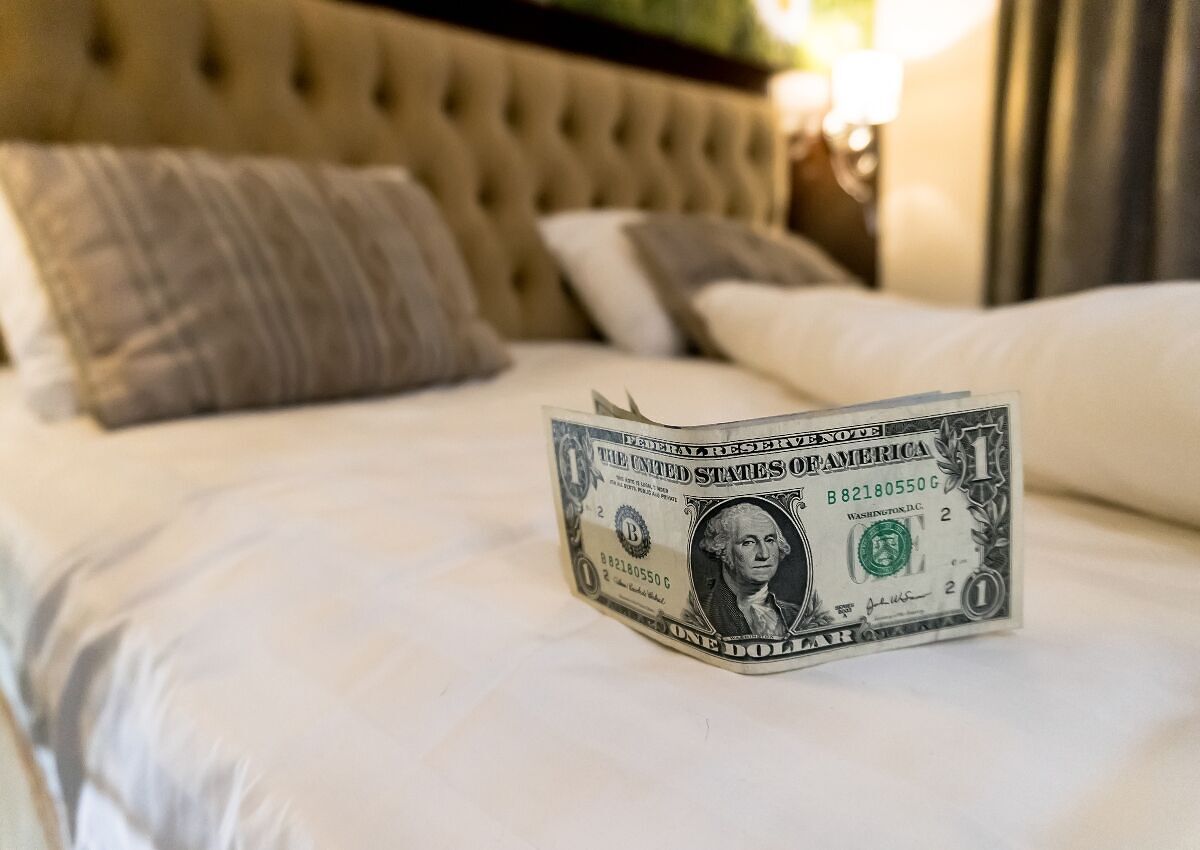
Tipping is more than just a financial transaction; it is a gesture of appreciation for the labor that goes into making a stay seamless. From the crisp linens provided by housekeeping to the local secrets shared by a concierge, the service industry thrives on these tokens of gratitude. This guide provides a comprehensive breakdown of hotel tipping etiquette to ensure you are never caught in an awkward social gaffe.
Understanding Hotel Staff Roles and Tipping Norms
To tip effectively, one must first understand the hierarchy and roles within a hotel. Different staff members provide different levels of service, and their compensation structures often reflect whether tips are expected or merely appreciated.
Housekeeping: The Unsung Heroes
Housekeeping is arguably the most important service in any hotel, yet it is often the most overlooked when it comes to gratuity. These staff members work behind the scenes to ensure your room is a sanctuary. In the United States and Canada, the standard tip for housekeeping ranges from $3 to $5 per night.
If you are staying in a high-end establishment like the Ritz-Carlton or a Four Seasons property, where turndown service and extra amenities are the norm, increasing this to $5–$10 is considered appropriate. It is best to tip daily rather than in a lump sum at the end of your stay, as different staff members may clean your room on different days.
Concierge and Front Desk Services
The concierge is your gateway to the local culture. If a concierge simply answers a quick question about directions in London, a tip is not necessary. However, if they secure a hard-to-get reservation at a Michelin-starred restaurant in Paris or organize a complex tour, a tip of $10 to $20 is a generous way to show your thanks.
Front desk agents generally do not expect tips for standard check-in and check-out procedures. However, if an agent goes above and beyond—perhaps by facilitating a room upgrade at a Marriott or solving a significant booking issue—a small token of $5 to $10 is a kind gesture, though not strictly required.
Bellhops and Valet Attendants
The physical labor of moving luggage is a classic tipping scenario. The gold standard is $1 to $2 per bag. If you have particularly heavy suitcases or if the bellhop provides a detailed tour of your room’s features at a Hilton resort, $5 is a gracious minimum.
For valet parking, the tip is typically given when the car is returned to you. In major cities, $2 to $5 is the standard. This applies whether you are at a boutique hotel in San Francisco or a sprawling resort in Florida.
Regional Variations in Tipping Culture
Tipping is not a universal language. What is considered polite in one country might be seen as an insult or a confusing gesture in another. Understanding the local customs of your destination is paramount.
North America: The Standard Bearer
In the United States, tipping is deeply embedded in the service economy. Because wages for service workers can be lower, tips are often an essential part of their income. Travelers should always carry small denominations of cash to ensure they can tip promptly. In Mexico, while tipping is also standard, the amounts may vary slightly depending on whether you are in a tourist hub like Cancun or a more rural area.
Europe: Service Included vs. Extra Appreciation
In much of Europe, including the United Kingdom, Germany, and Italy, service charges are often included in the bill. However, “rounding up” or leaving a few Euros for the housekeeping staff is still a common and appreciated practice. In luxury hotels in Switzerland, where the cost of living is exceptionally high, a small tip is a polite way to acknowledge exceptional service.

Asia and Oceania: Navigating No-Tip Zones
In Japan and South Korea, tipping can actually be seen as rude or confusing. The philosophy is that excellent service should be the standard, not something that requires an extra bribe. In Tokyo, if you leave money on the table, a waiter might chase you down to return it, thinking you forgot your change.
In Australia and New_Zealand, tipping is not expected, though it is becoming more common in high-end tourism sectors. If you stay at a luxury lodge in the Outback, a collective tip for the staff at the end of the stay is often a preferred method.
Practical Tips for Perfect Tipping Etiquette
Beyond the amount, the “how” of tipping matters. Proper etiquette ensures that your money reaches the right person and that the gesture is received with the intended respect.
When to Tip: Daily vs. End of Stay
As mentioned previously, daily tipping is the preferred method for housekeeping. This is because hotel staff work on rotating shifts. If you leave a $20 tip at the end of a five-day stay at a resort in Hawaii, the person who cleaned your room for the first four days might receive nothing, while the person on shift the final day receives the full amount.
The Best Way to Leave Tipping Cash
Never leave loose change or bills scattered on a table or nightstand. This can lead to confusion; the staff may not be sure if the money is a tip or if you simply left your pocket change behind. The best practice is to place the cash in a clearly marked envelope or leave it with a small note that says “Thank You” or “For Housekeeping.” This clarity is appreciated by staff at any hotel, from a budget-friendly Ibis to a regal Waldorf Astoria.
What to Do If You’re Low on Cash
In an increasingly cashless world, many travelers find themselves without small bills. If you find yourself in this situation, you can often visit the front desk of your hotel and ask for “change for a twenty.” Alternatively, some modern hotels are beginning to implement digital tipping platforms via QR codes. If you are staying at a forward-thinking property in Singapore or Dubai, check the in-room tablet or guest directory for digital tipping options.
Tipping in Luxury Resorts and Specialized Accommodations
The rules change slightly when you move from standard city hotels to specialized luxury environments or all-inclusive settings.
All-Inclusive Resorts and “No-Tipping” Policies
Many all-inclusive resorts in the Caribbean or the Maldives have a “no-tipping” policy, stating that gratuities are built into the package price. While this is meant to simplify the guest experience, many travelers still choose to tip for exceptional service. If you are at a resort in Jamaica that strictly forbids tipping, respect the policy, as employees can sometimes face disciplinary action for accepting cash. In such cases, a glowing review mentioning the staff member by name on a platform like TripAdvisor can be even more valuable than cash.
Boutique Hotels and Personalized Service
In smaller, boutique hotels—perhaps a converted riad in Morocco or a historic inn in New England—the service is often highly personalized. In these settings, you may interact with the same few staff members throughout your stay. A lump sum tip at the end of the stay, often placed in a communal staff tip box or handed to the manager, is an excellent way to ensure everyone—including the kitchen staff and gardeners—is recognized.
Long-Term Stays and Serviced Apartments
If you are staying in a serviced apartment for a month in Berlin or Bangkok, tipping expectations change. You do not need to tip daily. Instead, a weekly tip or a larger gratuity at the end of each week is appropriate. If the service includes grocery delivery or specialized cleaning, adjust your tip to reflect the added convenience.

The Impact of Your Gratuity
While a few dollars may seem insignificant to a traveler on an international vacation, these tips form a vital part of the livelihood for many workers in the global tourism industry. In countries like Thailand or Vietnam, even a small tip can go a long way in supporting a staff member’s family.
Ultimately, tipping is about the human connection. It is an acknowledgment of the effort required to maintain the high standards of the hospitality world. Whether you are staying at a Hyatt in Chicago or a remote eco-lodge in Costa Rica, approaching the staff with kindness and a fair tip ensures a better experience for everyone involved. By following these guidelines, you can travel with confidence, knowing that you are contributing positively to the local economy and culture of your destination.
LifeOutOfTheBox is a participant in the Amazon Services LLC Associates Program, an affiliate advertising program designed to provide a means for sites to earn advertising fees by advertising and linking to Amazon.com. Amazon, the Amazon logo, AmazonSupply, and the AmazonSupply logo are trademarks of Amazon.com, Inc. or its affiliates. As an Amazon Associate we earn affiliate commissions from qualifying purchases.