
Navigating a period of unemployment can be a significant life event, bringing with it both challenges and opportunities for reflection and recalibration. A crucial aspect of maintaining stability during this transition is understanding the financial support available. In California, the Unemployment Insurance (UI) program provides temporary financial assistance to eligible workers who have lost their jobs through no fault of their own. For anyone facing this situation, one of the most pressing questions is, “How much unemployment will I get?” This comprehensive guide will demystify the process, helping you understand the calculation of your weekly benefit amount and how these funds can support your lifestyle during this period.
Understanding California’s Unemployment Insurance System
California’s Unemployment Insurance program is administered by the Employment Development Department (EDD). It’s a state-mandated, employer-funded program designed to offer a safety net, allowing individuals to focus on finding new employment without immediate financial destitution. Understanding the system is the first step toward effectively utilizing its benefits.
The Purpose of Unemployment Insurance
UI benefits serve as a crucial temporary income replacement, alleviating financial stress during joblessness. This enables beneficiaries to cover essential living expenses, maintain some semblance of their previous lifestyle, and dedicate time and resources to their job search. It’s a mechanism designed to stabilize not just individual finances but also local economies by sustaining consumer spending power. For many, this period, while challenging, can also be a time for re-evaluation of career paths, skill acquisition, or even planning for significant life changes, all of which fall under the umbrella of “lifestyle.”
Who Funds the Program?
Unlike some other social safety nets, California’s UI program is funded exclusively through taxes paid by employers. These taxes are based on a percentage of the wages paid to their employees, up to a certain taxable wage limit. This means that UI benefits are not deducted from your paycheck and are not an entitlement; rather, they are a benefit earned through your past employment. This funding structure ensures that the system is self-sustaining and provides support when needed most.
Calculating Your Weekly Benefit Amount (WBA)
The core of “How much unemployment will I get?” lies in the calculation of your Weekly Benefit Amount (WBA). California uses a specific formula based on your earnings during a designated “base period.” Understanding this calculation is key to forecasting your financial resources.
The Base Period Explained
The EDD typically uses a “standard base period” to determine your WBA. This period consists of the first four of the last five completed calendar quarters before you filed your UI claim. For example, if you filed a claim in July 2024 (which is in the 3rd quarter), your standard base period would be April 1, 2023, through March 31, 2024.
- Quarter 1: January, February, March
- Quarter 2: April, May, June
- Quarter 3: July, August, September
- Quarter 4: October, November, December
If you don’t have sufficient wages in the standard base period, the EDD might consider an “alternate base period” to ensure eligibility, typically using the last four completed calendar quarters.
The Weekly Benefit Amount Formula
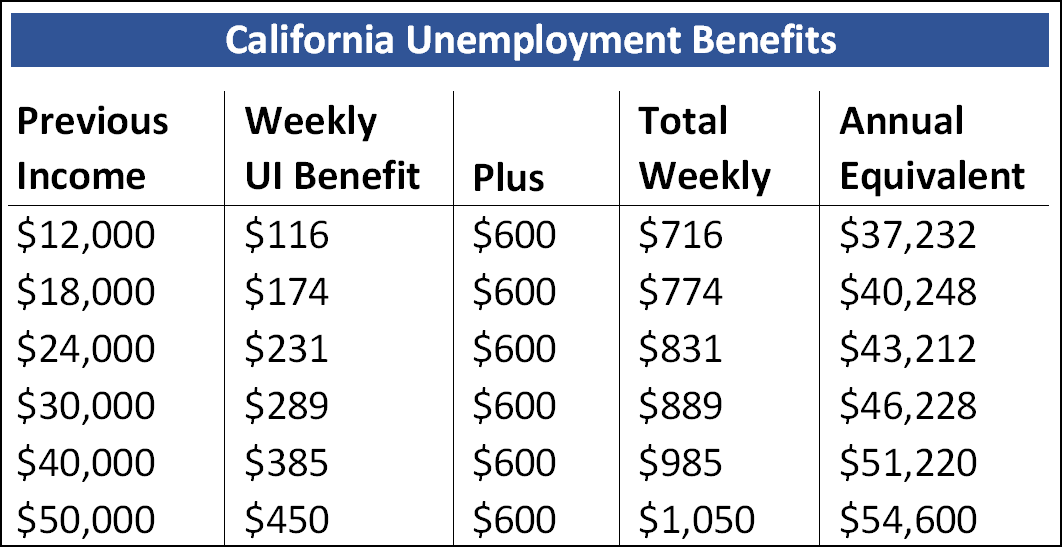
Once your base period is established, the EDD calculates your WBA. In California, your WBA is generally determined by taking approximately 40-50% of your average weekly wages earned during the highest earning quarter of your base period.
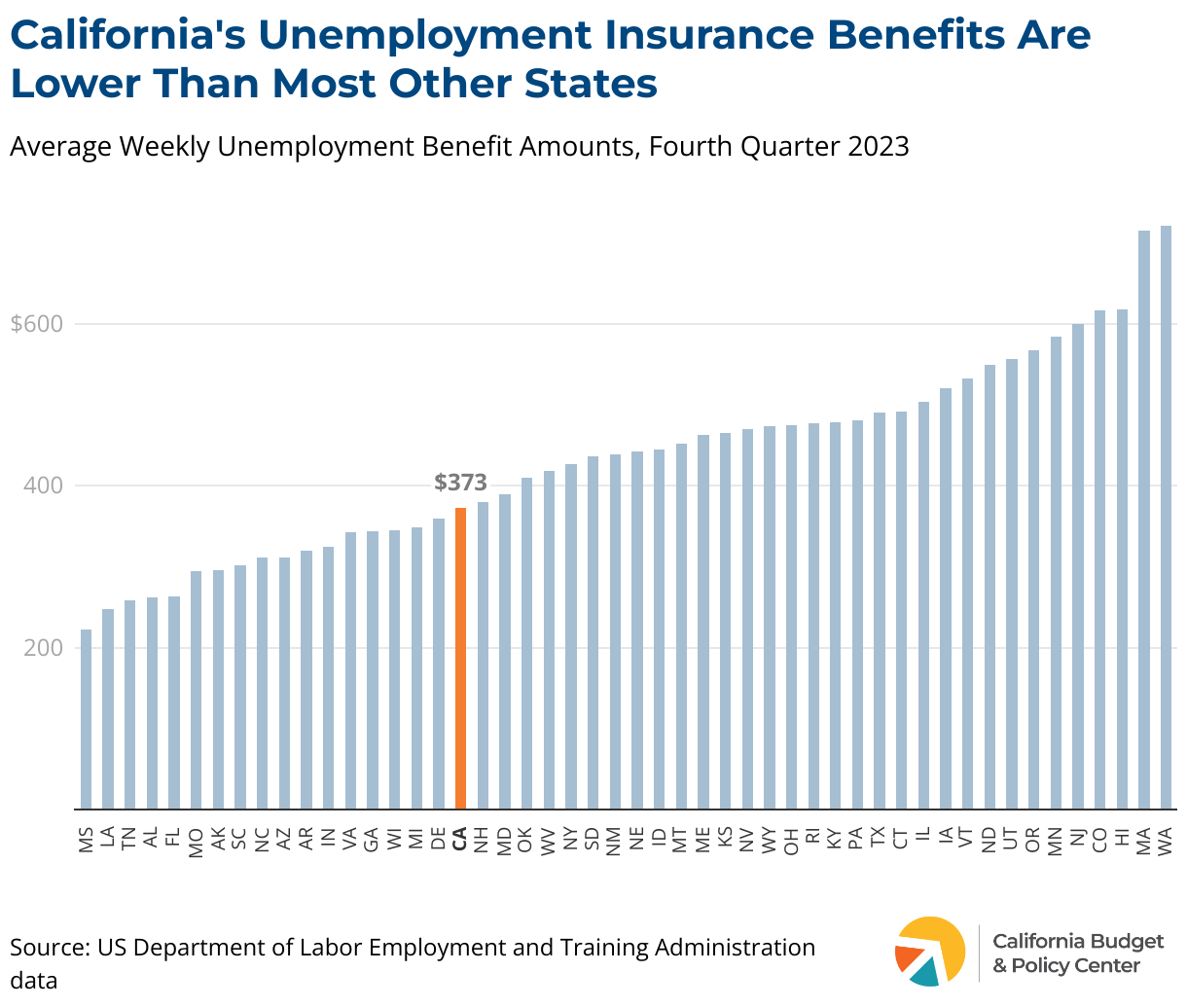
There is a minimum WBA and a maximum WBA. As of the most recent updates, the minimum WBA is approximately $40 per week, and the maximum WBA is $450 per week. These figures are subject to change, so it’s always advisable to check the official EDD website for the most current information.
For instance, if your highest earning quarter’s wages were $10,000, and there are 13 weeks in a quarter, your average weekly wage in that quarter would be approximately $769. Your WBA would then be around 40-50% of that, potentially hitting the maximum if your earnings were high enough.
Eligibility Requirements and Application Process
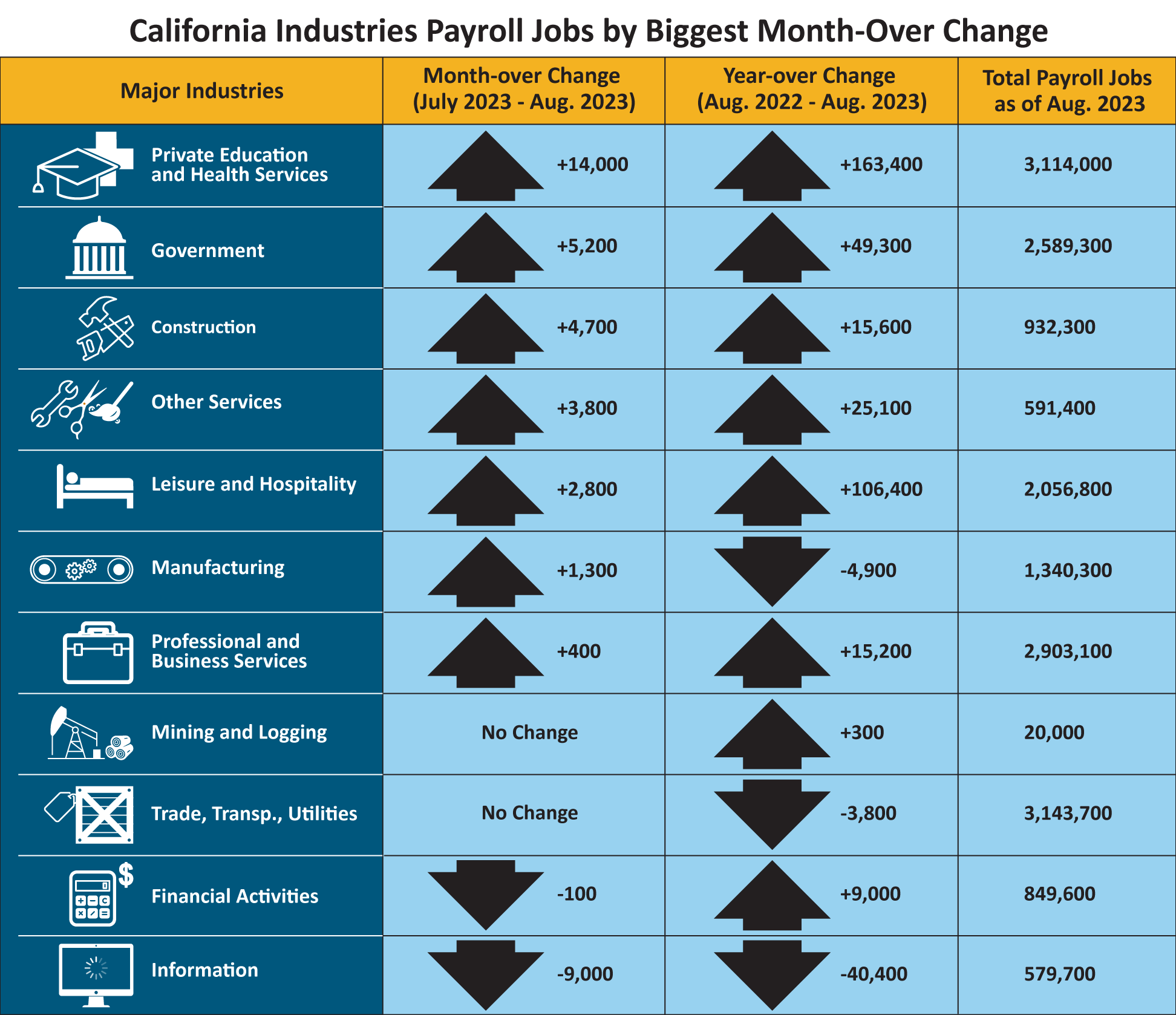
Receiving unemployment benefits isn’t automatic; you must meet specific eligibility criteria and follow a structured application process. Understanding these steps is vital to a smooth and successful claim.
Key Eligibility Criteria
To be eligible for UI benefits in California, you must meet several conditions:
- Monetary Eligibility: You must have earned sufficient wages during your base period. The EDD requires a minimum amount of earnings to qualify.
- Unemployed Through No Fault of Your Own: This is a critical criterion. You must be unemployed or working reduced hours for reasons beyond your control (e.g., layoff, reduction in force). If you quit your job voluntarily without good cause, or were fired for misconduct, you may be disqualified.
- Able and Available for Work: You must be physically and mentally able to work and genuinely available for suitable employment. This includes being ready to accept a suitable job offer.
- Actively Seeking Work: You are generally required to make reasonable efforts to find a new job each week you claim benefits. The EDD specifies what constitutes “reasonable efforts,” which can include applying for jobs, attending interviews, or participating in job search workshops.
- Be a U.S. Citizen or Legally Authorized to Work in the U.S.: Your immigration status must permit employment.
The Application Process
Applying for UI benefits typically involves several steps:
- Gather Information: Before you apply, collect necessary documents such as your last employer’s name, address, phone number, and employer account number; your gross earnings for the last 18 months; and your identification (e.g., Social Security number, driver’s license).
- File Your Claim: You can file your claim online through the EDD’s official website, by phone, or by mail. The online method is generally the fastest and most recommended.
- Wait for Notification: After filing, the EDD will send you a “Notice of Unemployment Insurance Award” outlining your WBA, potential maximum benefit amount, and effective claim date. They will also send a “Notice of UI Claim Filed” to your last employer.
- Certify for Benefits: To receive payment, you must “certify” for benefits every two weeks, confirming your eligibility for that period. This involves answering questions about your job search efforts, any earnings you may have had, and your availability for work.
- Manage Your Account: The EDD provides an online portal where you can manage your claim, certify for benefits, and update your information.
Impact on Lifestyle and Financial Planning
Understanding how much unemployment you’ll receive is not just a numerical exercise; it’s a critical component of managing your lifestyle during a period of transition. These benefits, while temporary, allow for strategic financial planning that can mitigate stress and open doors to new possibilities.
Budgeting for a Temporary Income Shift
Your WBA will likely be less than your previous wages, necessitating a careful re-evaluation of your budget. This is where lifestyle choices become paramount.
- Prioritize Essentials: Focus on covering housing, food, utilities, and healthcare.
- Identify Discretionary Spending: Determine what expenses can be reduced or eliminated temporarily. This might involve cutting back on dining out, entertainment, or subscription services.
- Build a Contingency Fund: If you have any savings, consider how they can supplement your UI benefits to maintain a reasonable quality of life.
Strategic budgeting during this period is essential for maintaining financial stability and minimizing the impact of unemployment on your overall lifestyle.
Leveraging the Time for Personal and Professional Growth
While unemployment benefits provide financial relief, the period of joblessness itself presents an opportunity for lifestyle adjustments beyond just budgeting.
- Skill Development: Explore online courses, workshops, or certifications that can enhance your resume or allow for a career pivot. Many institutions, like the University of California system or California State University system, offer continuing education programs.
- Networking: Dedicate time to connecting with professionals in your field or exploring new industries. Attend virtual or in-person industry events in cities like San Francisco or Los Angeles.
- Wellness and Self-Care: This period can be stressful. Prioritizing mental and physical well-being through exercise, mindfulness, or hobbies can be crucial for maintaining a healthy lifestyle.
By viewing unemployment not just as a challenge but as a structured pause, individuals can leverage this time for significant personal and professional advancement, supported by their UI benefits.
Navigating Your Unemployment Period Effectively
Receiving unemployment benefits is only one part of the equation; effectively managing your claim and actively pursuing new opportunities are equally important for a successful transition.
Maintaining Eligibility and Avoiding Pitfalls
To ensure continuous receipt of your benefits, be diligent about:
- Certifying on Time: Always submit your bi-weekly certifications accurately and punctually.
- Reporting Earnings: If you do any freelance work or part-time jobs, accurately report all gross earnings to the EDD. Earning too much in a week can reduce or eliminate your benefits for that period.
- Documenting Job Search Efforts: Keep detailed records of every job application, interview, and networking activity. The EDD may audit your efforts.
- Responding to EDD Inquiries: Promptly respond to any requests for information from the EDD to avoid delays or suspension of benefits.
Failure to adhere to these rules can result in penalties, overpayments that you must repay, or disqualification from benefits.
Utilizing Resources for Reemployment
California offers numerous resources to help job seekers get back to work.
- Workforce Services: The EDD provides access to CalJOBS, a comprehensive online job board and resume builder. Local workforce centers throughout California, often in major metropolitan areas like Sacramento, San Diego, or Orange County, offer workshops, career counseling, and access to computers and fax machines.
- Training and Education Programs: Explore programs like the Workforce Innovation and Opportunity Act (WIOA) which can provide funding for training in high-demand occupations.
- Networking Events: Participate in virtual and in-person career fairs and networking events to expand your professional contacts and discover hidden job opportunities.
Understanding “How much unemployment will I get in California?” is fundamental for anyone navigating job loss. Beyond the financial amount, this knowledge empowers individuals to make informed decisions about their lifestyle, manage their resources effectively, and strategically plan their next career move. By diligently adhering to the program’s requirements and leveraging available resources, this period of transition can be managed with greater confidence and purpose, ultimately leading to a successful return to the workforce.
LifeOutOfTheBox is a participant in the Amazon Services LLC Associates Program, an affiliate advertising program designed to provide a means for sites to earn advertising fees by advertising and linking to Amazon.com. Amazon, the Amazon logo, AmazonSupply, and the AmazonSupply logo are trademarks of Amazon.com, Inc. or its affiliates. As an Amazon Associate we earn affiliate commissions from qualifying purchases.