
California stands as a pioneering state in the realm of legal cannabis, drawing curious visitors from around the globe. For those planning a trip to the Golden State, understanding the local regulations surrounding cannabis possession and consumption is crucial for a smooth and enjoyable experience. While recreational marijuana is legal for adults, the laws are nuanced, and missteps can quickly turn a relaxing vacation into an unwelcome legal entanglement. This guide aims to clarify the specific quantities and rules tourists need to know when navigating California’s unique cannabis landscape.
Understanding California’s Adult-Use Cannabis Laws
Since the passage of Proposition 64 in 2016, adult-use cannabis has been legal in California for individuals aged 21 and older. This landmark legislation decriminalized personal possession and cultivation, and established a regulated market for the sale of cannabis products. For tourists, this means that unlike in some other parts of the world, consuming cannabis in California is not inherently illegal, provided you adhere to the state’s specific guidelines. However, it’s vital to remember that state laws do not supersede federal law, where cannabis remains illegal. This federal prohibition significantly impacts areas like interstate travel and certain financial transactions, which tourists must bear in mind. The intent behind the legalization was primarily to allow adults to responsibly use cannabis without fear of criminal prosecution, while also creating a safe, regulated industry that generates tax revenue for the state. This distinction between state and federal law is perhaps the most critical piece of information for any visitor.
The Specifics: Legal Possession Limits for Adults
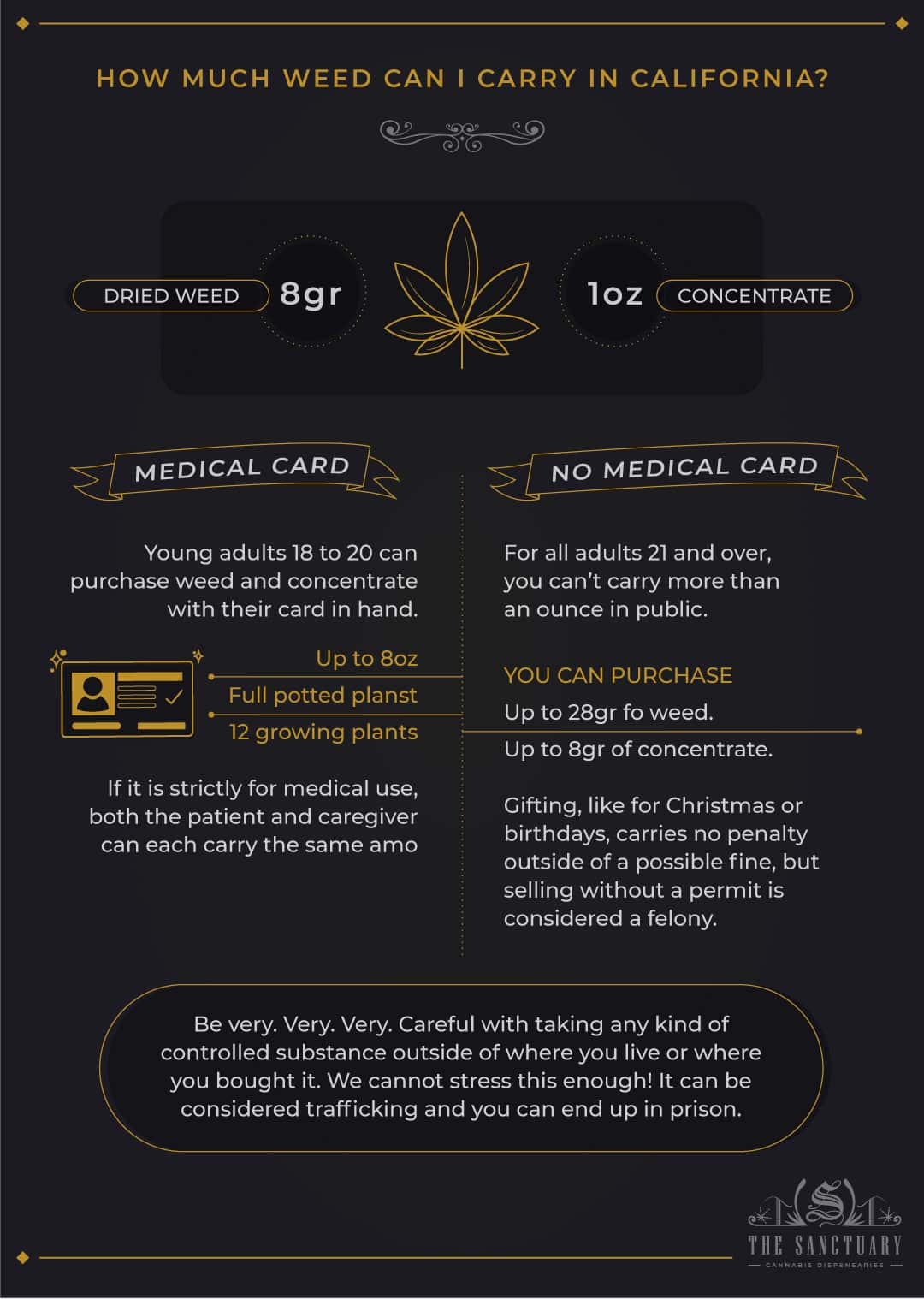
For any adult aged 21 or older visiting California, there are clear legal limits on the amount of cannabis one can possess for personal use. These limits are designed to prevent illicit trafficking while allowing for reasonable individual consumption. Exceeding these quantities can lead to legal penalties, ranging from fines to more severe charges, depending on the amount and circumstances.
Flower and Concentrates
The most common form of cannabis, dried flower (often referred to as bud), has a precise legal limit. An individual can possess up to 28.5 grams (approximately one ounce) of non-concentrated cannabis. This amount is generally considered sufficient for personal use over a reasonable period. For cannabis concentrates, which include products like shatter, wax, oil, and resin, the limit is much lower due to their potency. Adults are permitted to possess up to 8 grams of concentrated cannabis. This category also encompasses vape cartridges containing cannabis oil. It’s important to note that these limits apply to the total amount of cannabis or concentrate, regardless of the number of individual products you might have. For instance, having multiple vape pens, each containing a small amount, could still put you over the 8-gram concentrate limit if combined.
Edibles and Other Products
When it comes to cannabis edibles, the legal limit is determined by the total amount of THC (tetrahydrocannabinol), the primary psychoactive compound. Edible products in California are legally capped at 10mg of THC per serving and 100mg of THC per package. While there isn’t a strict “number of edibles” limit, the 28.5-gram non-concentrated cannabis limit still broadly applies to the cannabis material within the edibles, and the 8-gram concentrate limit to concentrated THC extracts used in edibles. Most dispensaries sell edibles in clearly labeled packages adhering to the 100mg THC per package maximum. Therefore, a tourist can purchase and possess multiple packages of edibles, as long as each package adheres to the 100mg THC limit and the cumulative amount of active cannabis ingredients doesn’t exceed the flower or concentrate limits. Other cannabis products, such as topicals and tinctures, typically fall under similar regulatory frameworks, with their THC content being the primary factor for legal possession.
Where Can You Legally Consume Cannabis in California?
Possessing cannabis legally is one thing; consuming it legally is another entirely. California has strict rules about where you can and cannot use cannabis, and violating these can result in fines or other penalties, even if you are within the legal possession limits. Tourists must be especially mindful of these restrictions, as they often differ significantly from norms in other countries or even other legal states.
Public vs. Private Consumption
The golden rule in California is that public consumption of cannabis is illegal. This includes parks, sidewalks, beaches, restaurants, bars, and any other public place where tobacco smoking is prohibited. Even if you’re in a seemingly secluded spot, if it’s accessible to the public, it’s generally off-limits. The same applies to private businesses open to the public, unless they specifically hold a license for cannabis consumption. The safest and most legally compliant place to consume cannabis is within a private residence, with the property owner’s explicit permission. If you’re staying at a friend’s house or a vacation rental, always check with the host first.
Hotel Policies and Designated Consumption Lounges
Most hotels, even in cannabis-friendly cities like Los Angeles or San Francisco, prohibit smoking cannabis on their premises, often treating it the same way they treat tobacco smoking. Breaking these rules can lead to significant cleaning fees or even eviction. Some hotels might permit vaping, but it’s always best to clarify their specific policies upon check-in. A growing trend, however, is the emergence of licensed cannabis consumption lounges. These are businesses specifically permitted by local municipalities to allow on-site cannabis use. They offer a safe, legal, and social environment for consumption. Before visiting, verify that the lounge is indeed licensed for on-site consumption, as regulations can vary by city and county within California. These lounges represent a unique aspect of California’s tourism offerings, providing a dedicated space for cannabis enjoyment.
Driving Under the Influence (DUI) Laws
Just like alcohol, it is illegal to drive under the influence of cannabis. California has zero-tolerance laws for impaired driving, and penalties are severe, including fines, license suspension, and even jail time. It’s also illegal to consume cannabis (or have an open container of it) while driving or riding in a vehicle. Any cannabis products in a vehicle must be in a sealed container, either in the trunk or in a place not readily accessible to the driver or passengers. Treat cannabis consumption and driving with the same caution you would alcohol – if you plan to consume, arrange for alternative transportation like ride-sharing services or designated drivers.
Purchasing Cannabis as a Tourist in California
The legal framework for purchasing cannabis in California is robust and designed to ensure consumer safety and product quality. Tourists will find the process straightforward, provided they adhere to the regulations.
Licensed Dispensaries Only
The most critical rule for purchasing cannabis is to only buy from licensed dispensaries. These establishments are regulated by the state, ensuring that products are tested for potency and contaminants, and that sales are conducted legally. Unlicensed sellers, often found online or through informal networks, operate outside the law, and their products may be unsafe or illegal. You can identify a licensed dispensary by looking for a state-issued license prominently displayed. Many legitimate dispensaries also have online menus and ordering systems that allow you to browse products and verify their legitimacy. Purchasing from an unlicensed source, even unknowingly, can carry legal risks and health hazards.
Identification Requirements
To purchase cannabis, you must present a valid government-issued photo ID proving you are 21 years of age or older. Acceptable forms of ID include a state-issued driver’s license, a state-issued identification card, or a passport. Dispensaries rigorously check IDs, so ensure yours is readily available and valid. International visitors will need their passports.
Product Variety and Taxation
Licensed dispensaries offer a wide array of cannabis products, catering to different preferences and needs. You’ll find dried flower, pre-rolls, edibles, concentrates, vapes, tinctures, topicals, and more. Dispensary staff are typically knowledgeable and can guide you through the options, explaining different strains, potency levels, and consumption methods. Be prepared for sales taxes, which can be substantial. California applies a state excise tax on cannabis, a cultivation tax, and standard sales tax, plus potential local taxes depending on the city or county. These taxes are usually added at the point of sale, so the price you see on the menu might not be your final cost. It’s advisable to budget accordingly. Most dispensaries accept cash, and many now accept debit card payments, though credit card transactions can be more limited due to federal banking regulations.
Travel Considerations: Flying, Driving, and Crossing State Lines
For tourists, understanding the implications of cannabis laws when traveling is paramount. The conflict between state and federal law creates significant restrictions that cannot be overlooked.
Federal Law and Air Travel
Despite California’s state-level legalization, cannabis remains illegal under federal law. This means that transporting cannabis across state lines, even to another state where it is also legal, is a federal offense. Therefore, it is illegal to bring cannabis onto an airplane, regardless of your destination. The Transportation Security Administration (TSA) states that while their primary focus is on security threats, they are required to report discoveries of illegal substances, including cannabis, to law enforcement. If you are caught with cannabis at a California airport, you could face federal charges, even if you are within state possession limits. The safest approach is to consume all purchased cannabis within California and dispose of any remaining product before heading to the airport.
Driving Across State Lines
The same federal prohibition applies to driving. You cannot legally transport cannabis across state lines, even if both the origin and destination states have legalized recreational use. For example, driving from California to Nevada, even with personal-use quantities, is a federal offense. If you’re renting a car, be aware that many rental agreements explicitly prohibit the use or transport of illegal substances.

Driving Within California
When driving exclusively within California, cannabis must be transported safely and legally. As mentioned, it must be in a sealed container, out of reach of the driver and passengers, ideally in the trunk. This prevents any accusation of open-container violations or impaired driving. Always purchase cannabis in its original, sealed packaging from a licensed dispensary to help demonstrate compliance with transportation regulations.
In summary, California offers an accessible and regulated cannabis market for adults aged 21 and over. Tourists can legally possess up to 28.5 grams of flower and 8 grams of concentrates. However, understanding and adhering to the strict rules regarding consumption locations, responsible purchasing from licensed dispensaries, and most importantly, avoiding federal travel prohibitions, are essential for a trouble-free visit to this progressive state. By following these guidelines, visitors can safely explore this unique aspect of California’s local culture and enjoy their experience to the fullest.
LifeOutOfTheBox is a participant in the Amazon Services LLC Associates Program, an affiliate advertising program designed to provide a means for sites to earn advertising fees by advertising and linking to Amazon.com. Amazon, the Amazon logo, AmazonSupply, and the AmazonSupply logo are trademarks of Amazon.com, Inc. or its affiliates. As an Amazon Associate we earn affiliate commissions from qualifying purchases.