
Navigating the legal landscape of controlled substances can be a daunting task, especially when traveling to a new state with differing laws. For those planning a trip to Alabama, or perhaps considering a more extended stay, understanding the specific regulations surrounding cannabis possession is paramount. This article aims to demystify the question of “How Much Weed Is A Felony In Alabama?”, providing clarity on the state’s penalties and the factors that determine the severity of charges. While Alabama is known for its rich history, beautiful Gulf Coast beaches, and vibrant cities like Birmingham and Mobile, it’s crucial to be aware of its strict drug laws.

Understanding Alabama’s Cannabis Laws
Alabama operates under a legal framework that categorizes drug offenses based on the type of substance, the quantity possessed, and the intent behind the possession. When it comes to cannabis, often referred to as marijuana or weed, the state does not currently have a medical or recreational marijuana program. This means that any possession, cultivation, or distribution of cannabis is considered illegal. The classification of a cannabis-related offense as a felony in Alabama is primarily determined by the quantity of the substance involved, as well as whether the intent is for personal use or distribution.
Possession of Marijuana: The Quantity Threshold
The key determinant for whether a marijuana possession charge escalates to a felony in Alabama is the amount of cannabis found in an individual’s possession. Generally, possession of a small amount of marijuana for personal use is classified as a misdemeanor. However, exceeding a certain weight threshold can instantly elevate the charge to a felony offense.
Misdemeanor Possession
Possession of one ounce or less of marijuana is typically considered a misdemeanor in Alabama. The penalties for a first-time misdemeanor offense can include fines, jail time (usually up to one year), and mandatory drug education or treatment programs. While this may seem relatively minor compared to felony charges, it can still have significant consequences, impacting future employment, housing, and educational opportunities. Repeat misdemeanor offenses can carry heavier penalties, including longer jail sentences and increased fines.
Felony Possession: Exceeding the Limit
The threshold for a felony possession charge involving marijuana in Alabama is generally defined as possessing more than one ounce of the substance. Once this quantity is surpassed, the offense is treated as a Class C felony. The penalties for a Class C felony in Alabama are substantial and can include:
- Imprisonment: A prison sentence ranging from one year and one day to ten years.
- Fines: Significant financial penalties, which can extend into thousands of dollars.
- Criminal Record: A felony conviction results in a permanent criminal record, which has long-lasting implications for various aspects of life, including the ability to travel to certain countries, obtain certain professional licenses, or secure loans.
It’s important to note that law enforcement and prosecutors have discretion in how they charge offenses, and other factors can influence the severity of the charges. However, the one-ounce mark serves as a critical dividing line between a misdemeanor and a felony possession charge in Alabama.
Other Factors Influencing Felony Charges
While quantity is the primary driver, several other circumstances can lead to felony charges related to cannabis possession in Alabama, even if the amount might otherwise be considered a misdemeanor. These factors often relate to the intent of possession or the location where the cannabis is found.
Intent to Distribute
If law enforcement believes that an individual possesses marijuana with the intent to distribute it, rather than for personal use, the charges can be elevated to a felony, regardless of the exact quantity. Factors that can indicate intent to distribute include:
- Possession of large quantities: Even if slightly over the one-ounce threshold, a larger amount is more likely to be interpreted as intent to distribute.
- Presence of packaging materials: If the cannabis is found in multiple small baggies or other packaging typically used for sale.
- Possession of drug paraphernalia: Items such as scales, rolling papers, pipes, or bongs can be used as evidence of intent to distribute.
- Large amounts of cash: Carrying significant sums of money, especially in small denominations, alongside marijuana can be viewed as indicative of drug dealing.
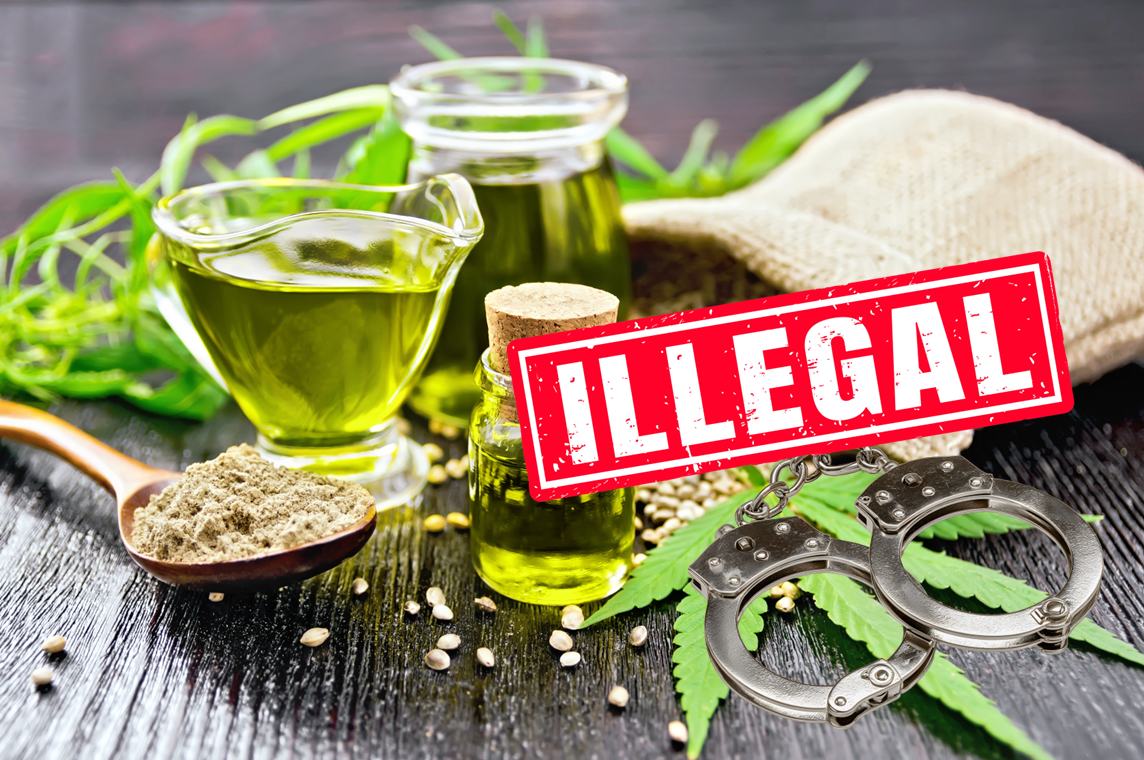
A charge of trafficking in cannabis, which involves possession of larger quantities (e.g., over 2.5 pounds), is a more serious felony that carries even more severe penalties, including lengthy prison sentences and substantial fines.
Proximity to Protected Areas
Alabama law also specifies enhanced penalties for drug offenses, including marijuana possession, when they occur within a certain proximity to certain protected areas. These areas are typically:
- Schools: Possession of drugs within a certain radius (often 1,000 feet) of a public or private school campus can lead to felony charges, even for amounts that would otherwise be considered a misdemeanor.
- Parks and playgrounds: Similar protections often extend to public parks and playgrounds frequented by children.
- Churches and community centers: In some cases, possession of drugs near places of worship or community gathering spots can also result in enhanced penalties.
These “drug-free zones” are designed to protect vulnerable populations, and violations within these areas are taken very seriously by the Alabama justice system, often resulting in felony classifications.
Prior Offenses
An individual’s criminal history plays a significant role in how drug offenses are prosecuted. A person with prior drug-related convictions, even for misdemeanors, is more likely to face felony charges for subsequent offenses, regardless of the quantity possessed. This is because the legal system may view repeat offenders as more serious threats and therefore subject them to stricter penalties.
Navigating Travel and Legalities in Alabama
For travelers planning a visit to Alabama, whether for a relaxing beach vacation along the Gulf Coast, exploring the historical sites in Montgomery, or enjoying the urban amenities of Huntsville, it is imperative to be aware of and adhere to the state’s drug laws. The legal consequences of possessing even a small amount of marijuana can be severe and far-reaching.
When staying in Alabama, consider the types of accommodations available. Whether you opt for a luxurious resort like the Grand Hotel Golf Resort & Spa in Point Clear, a family-friendly hotel near Gulf Shores, or a more budget-friendly option in a city like Tuscaloosa, the laws of Alabama apply uniformly.
Legal Ramifications for Travelers
If you are found in possession of marijuana in Alabama and the amount exceeds one ounce, or if circumstances suggest intent to distribute, you could face felony charges. This can lead to arrest, lengthy legal proceedings, and potentially a felony conviction. A felony record can significantly complicate future travel, not only within the United States but also internationally. Many countries deny entry to individuals with felony convictions, particularly those related to drug offenses.
Furthermore, if you are not a resident of Alabama, a felony arrest or conviction can have implications for your ability to return to the state for future tourism or to visit friends and family. The penalties extend beyond just fines and jail time; they impact your freedom of movement and future opportunities.
Staying Informed and Prepared
The best approach to avoiding legal trouble in Alabama is to be fully informed about its laws and to exercise caution. Given that Alabama does not have medical or recreational marijuana, it is safest to assume that any possession of cannabis is illegal and carries potential penalties.
When planning your travel itinerary, whether it involves exploring the natural beauty of places like Cheaha State Park or experiencing the local cuisine and culture, be mindful of all state laws. This includes adhering to all traffic laws and respecting the regulations concerning controlled substances.
If you are facing legal issues related to drug possession in Alabama, it is highly recommended to consult with a qualified legal professional in the state who specializes in criminal defense. They can provide specific advice based on your individual circumstances and guide you through the legal process.
Conclusion: Prioritizing Legal Compliance for a Smooth Alabama Experience
In Alabama, the question of “How Much Weed Is A Felony?” is answered by a clear threshold: possession of more than one ounce of marijuana generally constitutes a felony offense. This, along with other factors such as intent to distribute, prior offenses, and proximity to protected areas, can lead to serious legal repercussions, including significant prison sentences and substantial fines.
For anyone traveling to or residing in Alabama, whether for business stays, exploring its diverse landmarks, or enjoying its many attractions, understanding and respecting these laws is crucial. By staying informed and prioritizing legal compliance, visitors and residents alike can ensure a safe, enjoyable, and trouble-free experience in the Heart of Dixie. The allure of Alabama, from its charming small towns to its bustling cities, is best enjoyed when one is fully aware of and adheres to its legal framework.
LifeOutOfTheBox is a participant in the Amazon Services LLC Associates Program, an affiliate advertising program designed to provide a means for sites to earn advertising fees by advertising and linking to Amazon.com. Amazon, the Amazon logo, AmazonSupply, and the AmazonSupply logo are trademarks of Amazon.com, Inc. or its affiliates. As an Amazon Associate we earn affiliate commissions from qualifying purchases.