
For any traveler embarking on a journey to the vibrant metropolis of Miami, understanding the local time is far more than a mere curiosity; it’s a fundamental pillar of seamless travel planning and an immersive experience. Whether you’re coordinating flight arrivals, booking a coveted restaurant reservation, or simply aiming to catch the sunrise over the Atlantic Ocean on South Beach, knowing “what time it is in Miami” is your first step towards unlocking the city’s unique rhythm.
Miami, nestled on the southeastern tip of Florida in the United States, operates within the Eastern Time Zone. This means it observes Eastern Standard Time (EST) during the cooler months and Eastern Daylight Time (EDT) during the spring and summer. This article delves into the intricacies of Miami’s time zone, offering crucial insights for travelers to plan, adapt, and ultimately thrive in this dynamic destination. From mitigating the effects of jet lag to optimizing your itinerary for local operating hours, mastering Miami time is your essential guide to a truly unforgettable visit.

Understanding Miami’s Time Zone: Eastern Standard Time (EST) / Eastern Daylight Time (EDT)
At its core, Miami’s time is governed by the Eastern Time Zone. This standardized measure ensures consistency across a significant portion of the eastern United States and parts of eastern Canada, making it easier for domestic and international travelers alike to coordinate their movements. However, the presence of Daylight Saving Time introduces a nuance that every visitor should be aware of.
The Basics: EST vs. EDT
The Eastern Time Zone is officially designated as UTC-5 (Coordinated Universal Time minus five hours) during Eastern Standard Time (EST). This period typically spans from early November to mid-March. During EST, Miami is five hours behind Coordinated Universal Time (UTC), which is the primary time standard by which the world regulates clocks and time.
When Daylight Saving Time (DST) commences, usually on the second Sunday in March, Miami shifts to Eastern Daylight Time (EDT). During this phase, clocks are moved forward by one hour, effectively making the time zone UTC-4. This change extends daylight into the evening hours, a feature greatly appreciated by residents and tourists for outdoor activities. The shift back to EST occurs on the first Sunday in November, when clocks are set back one hour. Travelers must be mindful of these transitions, especially if their trip overlaps with these dates, to avoid missed appointments or confusion.
Geographical Context: Where Miami Sits
Miami’s location on the southeastern coast of Florida places it firmly within the geographical boundaries of the Eastern Time Zone. This zone covers a broad swatch of North America, including major cities like New York City, Washington D.C., and Atlanta. This broad alignment simplifies travel within the eastern seaboard of the United States, but it means travelers arriving from time zones further west (like Central, Mountain, or Pacific Time) or from international destinations will need to make significant adjustments.
Understanding Miami’s position relative to global time standards is also crucial for international visitors. For instance, travelers from Europe (e.g., London, which observes Greenwich Mean Time (GMT)/UTC) will typically experience a five-hour difference during EST and a four-hour difference during EDT. Similarly, visitors from Asia or Australia will face even larger disparities, necessitating proactive strategies for time zone acclimatization.
Impact of Daylight Saving Time on Travel Planning
The transition to and from Daylight Saving Time can have subtle yet significant impacts on travel logistics. Airlines and other transport services operate on local time, so flight schedules automatically adjust. However, for travelers making their own connections or meeting up with others, being aware of these shifts is paramount. For example, if you are flying into Miami from a region that does not observe DST, or if your return journey coincides with the change, manually adjusting your internal clock and verifying all booking times becomes essential.
Moreover, the shift impacts the natural rhythm of the day. In EDT, sunset occurs later, allowing for more extended evening activities, beach time, and al fresco dining. Conversely, during EST, evenings arrive earlier, which might influence the timing of certain tours or outdoor excursions. Being cognizant of these nuances allows travelers to perfectly synchronize their activities with Miami’s daily ebb and flow, optimizing their daylight hours for exploration and their evenings for leisure.
Navigating Time Differences: Preparing for Your Miami Trip
Successfully adapting to Miami’s time zone is a critical component of a stress-free and enjoyable trip. Whether you’re crossing a few time zones domestically or making a significant international leap, thoughtful preparation can significantly mitigate common travel challenges.
Adjusting to the New Time Zone
Jet lag, or desynchronosis, is the physiological condition resulting from alterations to the body’s circadian rhythm due to rapid long-distance trans-meridian (east-west or west-east) travel. While travelers from nearby time zones might only experience minor fatigue, those arriving from distant points—particularly from the west—will need a more strategic approach.
- Pre-Travel Adjustment: A few days before departure, begin gradually shifting your sleep schedule closer to Miami time. If traveling east, try going to bed and waking up earlier. If traveling west (less common for jet lag symptoms, but still relevant), consider staying up later.
- Hydration and Light Meals: During your flight, stay well-hydrated and opt for light, healthy meals. Avoid excessive alcohol and caffeine, which can disrupt sleep patterns.
- Embrace Natural Light: Upon arrival, expose yourself to natural sunlight, especially in the morning. This helps reset your body clock more quickly. Conversely, minimize bright light exposure in the evenings if you need to sleep earlier.
- Stay Active: Gentle activity, such as a walk on South Beach or exploring the Art Deco Historic District, can help you feel more alert and tired at appropriate times.
Planning Flights and Arrival Times
Flight schedules are always listed in local time, which is usually accurate. However, travelers should double-check their itinerary and consider the actual duration of the flight and the time zone change.
- Arrival Strategy: If possible, schedule your arrival in Miami during the local afternoon. This allows you to check into your accommodation, get some natural light exposure, and then have a relatively early night, aligning with the local sleep schedule.
- Layover Considerations: For international flights with layovers, especially if crossing multiple time zones, factor in the cumulative impact on your body. Sometimes a slightly longer layover allows for a more gradual adjustment.
- Communication: Inform anyone picking you up or meeting you in Miami about your arrival time in their local time. Confirming this explicitly avoids confusion.
Coordinating with Local Activities and Bookings
Miami’s vibrant schedule of events, tours, and dining experiences operates strictly on local time. Failing to account for this can lead to missed reservations or tours.
- Tours and Excursions: From airboat rides in the Everglades National Park to walking tours of Little Havana, always confirm the start times and aim to arrive a bit early. Punctuality is appreciated, and Miami traffic can be unpredictable.
- Dining Reservations: Popular restaurants in Brickell or Wynwood often book up far in advance. Ensure your reservation times align with your actual desired meal times, especially if your internal clock is still adjusting.
- Business Meetings: For business travelers, being acutely aware of the time zone difference is non-negotiable. Schedule meetings with buffer times and use online world clock converters to confirm timings with international colleagues.
- Event Schedules: Concerts, sporting events, and cultural festivals will always list their start times in Miami local time. Plan your travel to and from venues accordingly, factoring in potential peak traffic.
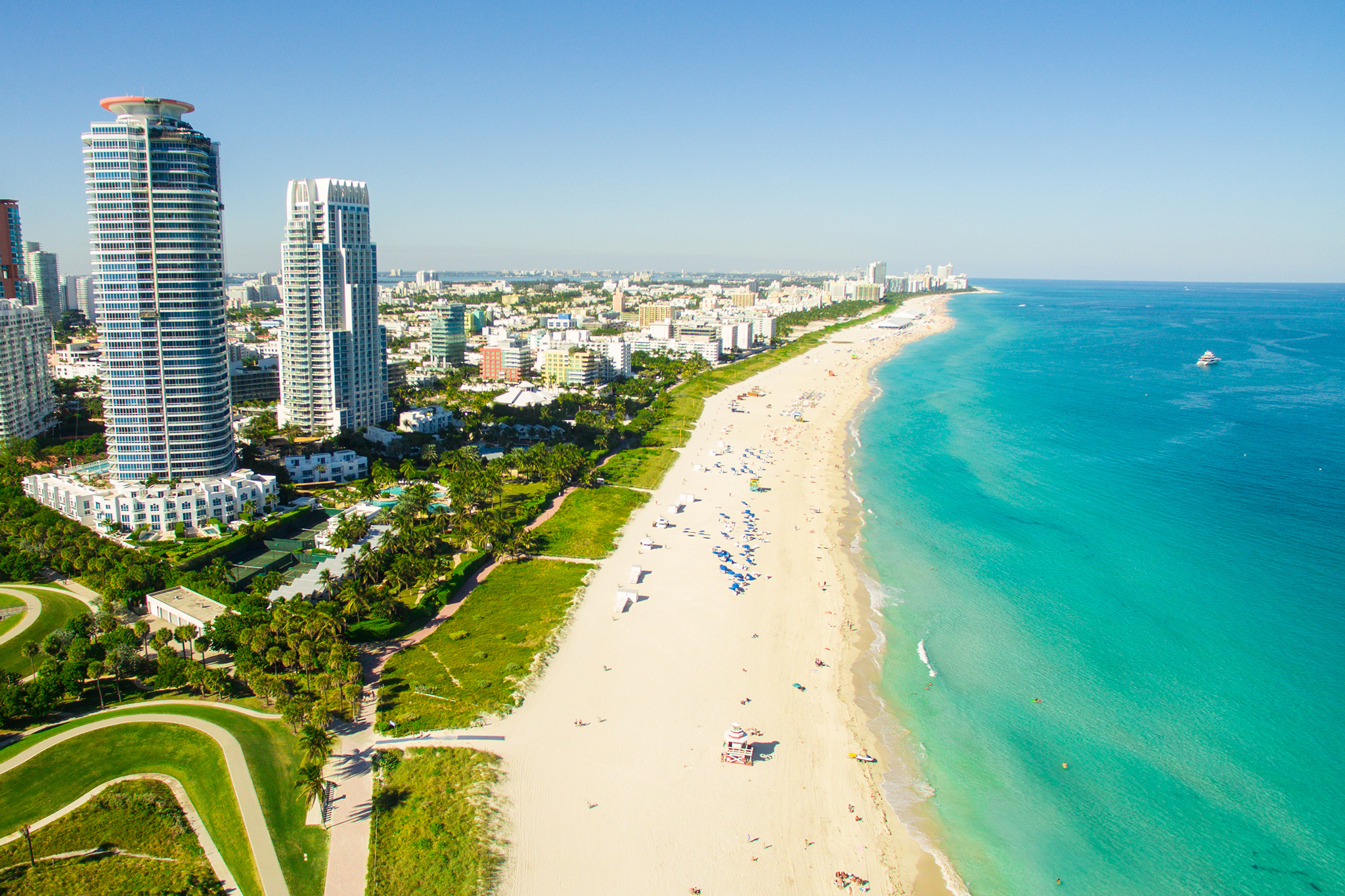
Maximizing Your Miami Experience: Time-Sensitive Activities
Miami’s allure lies in its diverse offerings, many of which are best enjoyed at specific times of the day. Understanding Miami time helps you perfectly orchestrate your itinerary to soak in every moment.
Best Times for Beach and Outdoor Activities
Miami’s beaches, from the iconic shores of South Beach to the quieter stretches of Key Biscayne, are best enjoyed during certain hours.
- Morning Serenity: Early mornings (7-10 AM) offer cooler temperatures, fewer crowds, and stunning sunrises over the Atlantic Ocean. This is prime time for jogging, yoga, or a peaceful swim.
- Mid-day Sun: From 10 AM to 4 PM, the sun is at its strongest. While perfect for sunbathing, remember to apply ample sunscreen and seek shade to avoid sunburn. This is also a popular time for watersports like paddleboarding or jet skiing.
- Late Afternoon Charm: As the sun begins to descend (4-6 PM), the light softens, and temperatures become more comfortable. This is an ideal time for a leisurely stroll, building sandcastles, or simply relaxing by the shore.
Outdoor activities like exploring the Vizcaya Museum & Gardens or taking an airboat tour of the Everglades National Park are also best scheduled earlier in the day to avoid the intense afternoon heat and potentially heavy rain showers, which are common in the summer months.
Dining and Nightlife Schedules
Miami is renowned for its culinary scene and vibrant nightlife, both of which operate on distinct schedules.
- Lunch: Most restaurants serve lunch between 11:30 AM and 2:30 PM. Expect popular spots, especially in areas like South Beach or Brickell, to be bustling during these hours.
- Dinner: Dinner service typically begins around 6 PM, with peak dining hours often between 7 PM and 9 PM. Many high-end restaurants recommend reservations, particularly for weekend evenings. Dining later (9 PM onwards) is also common, especially in Latin-influenced Miami.
- Happy Hour: A favorite pastime, happy hour specials for drinks and appetizers are usually offered from 4 PM to 7 PM on weekdays at many bars and restaurants.
- Nightlife: Miami’s clubs and bars come alive later. Lounges might start filling up around 9 PM, while nightclubs often don’t reach their peak until after midnight and stay open until the early morning hours (4-5 AM). If you’re planning a big night out, ensure you’re well-rested and prepared for a late schedule.
Business and Conference Considerations
For those traveling to Miami for business or to attend a conference at the Miami Beach Convention Center, understanding the local time zone and its implications is paramount for productivity and effective communication.
- Conference Schedules: All conference sessions, networking events, and keynotes will adhere strictly to Miami local time. Plan your arrival and initial activities to allow for adequate adjustment before crucial meetings.
- Remote Communication: When coordinating with colleagues or clients in different time zones, always use a world clock or scheduler that automatically converts times. Clearly state the time zone when setting meetings (e.g., “10 AM EDT”).
- Productivity: Be mindful of your own jet lag or time zone adjustment. Schedule demanding tasks or important presentations during your peak alertness hours. If you’ve arrived from a significant time difference, consider scheduling lighter activities for your first full day.
Practical Tools and Tips for Time Management in Miami
Modern technology and smart planning make managing time differences easier than ever, allowing you to focus on enjoying your Miami adventure.
Utilizing Technology: World Clocks and Phone Settings
Your smartphone is your best friend for time management while traveling.
- Automatic Time Zone Update: Ensure your phone settings are configured to “Set Automatically” for date and time. This way, your device will automatically update to Miami’s local time upon arrival and adjust for Daylight Saving Time.
- World Clock Feature: Most smartphones have a built-in “World Clock” feature where you can add multiple cities. This allows you to quickly see the time in your home city, Miami, and any other relevant locations at a glance.
- Time Zone Converter Apps: Several free apps are available that can convert times between multiple cities, making it effortless to schedule calls or meetings across different time zones.
- Calendar Synchronization: Use a digital calendar (like Google Calendar or Outlook Calendar) that automatically adjusts events to your current time zone. When adding events manually, ensure you select the correct time zone for the event’s location.
Overcoming Jet Lag: Strategies for a Smooth Transition
Beyond the initial adjustment tips, here are further strategies to minimize the impact of jet lag:
- Melatonin: Some travelers find small doses of melatonin helpful for regulating sleep patterns, especially when traveling eastbound. Consult a healthcare professional before use.
- Scheduled Naps (Cautiously): If you must nap, keep it short (20-30 minutes) and early in the day to avoid disrupting nighttime sleep.
- Stay Awake: Resist the urge to go to bed too early on your first night, even if you feel exhausted. Try to stay up until a reasonable local bedtime (e.g., 9-10 PM) to help establish a new routine quickly.
- Exercise Moderately: Light exercise can boost energy and improve sleep, but avoid strenuous workouts close to bedtime.
- Adjust Meal Times: Eat meals at local Miami mealtimes, even if you’re not particularly hungry. This helps synchronize your digestive system with the new schedule.
General Travel Planning Resources
Beyond time-specific tools, leveraging broader travel resources can enhance your entire trip.
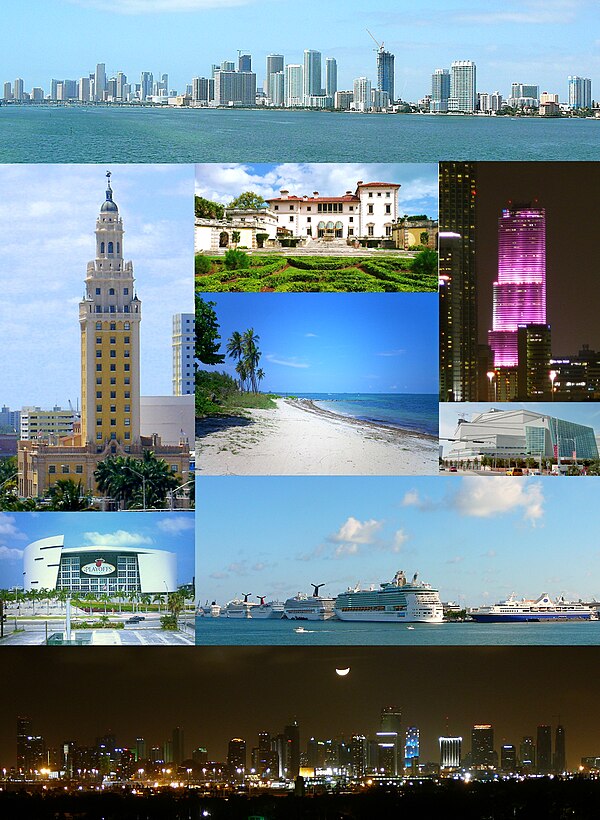
- Reputable Travel Guides: Consult updated travel guides for Miami that provide information on local operating hours for attractions, museums like the Pérez Art Museum Miami, and public transport schedules.
- Official Tourism Websites: The official Greater Miami Convention & Visitors Bureau website is an invaluable resource for event calendars, attraction hours, and up-to-the-minute local information.
- Airline and Accommodation Apps: Use the apps provided by your airline and hotel (Hyatt Regency Miami, Fontainebleau Miami Beach, etc.) for real-time updates on flight status, check-in times, and hotel services, which are always presented in local time.
By diligently applying these strategies and utilizing available technology, you can master the nuances of Miami’s time zone, transforming what could be a source of confusion into an asset for a perfectly timed and executed travel experience.
In conclusion, knowing “What is Miami time now?” is more than just checking a clock; it’s about understanding the rhythm of a city. Miami, operating on Eastern Time (EST/EDT), offers a unique blend of vibrant days and electric nights. By familiarizing yourself with its time zone, preparing for any shifts due to Daylight Saving Time, and utilizing practical tools to manage your schedule, you ensure that every moment of your visit is optimized. From catching a breathtaking sunrise over the Atlantic Ocean to dining at a late-night eatery in Little Havana, being time-savvy is your ticket to a truly seamless and unforgettable Miami experience. Plan wisely, adapt gracefully, and let Miami’s time become your own.
LifeOutOfTheBox is a participant in the Amazon Services LLC Associates Program, an affiliate advertising program designed to provide a means for sites to earn advertising fees by advertising and linking to Amazon.com. Amazon, the Amazon logo, AmazonSupply, and the AmazonSupply logo are trademarks of Amazon.com, Inc. or its affiliates. As an Amazon Associate we earn affiliate commissions from qualifying purchases.