
Understanding the tax landscape of California is a fundamental aspect of managing one’s lifestyle, whether you’re a long-term resident, a new arrival, an entrepreneur, or simply considering an extended stay in the Golden State. Taxes significantly influence the cost of living, business operations, and even the financial feasibility of pursuing various personal and professional goals within California’s vibrant economy. Often perceived as one of the states with a higher tax burden, California’s intricate system warrants a comprehensive look to truly grasp its implications for your financial well-being and lifestyle choices. This article delves into the various forms of taxation you can expect, offering insights into how these levies shape the Californian experience.
Navigating California’s Diverse Tax System
California’s tax system is multifaceted, designed to fund a wide array of state and local services, from education and infrastructure to public safety and healthcare. For anyone planning a lifestyle in California, from a bustling career in Los Angeles to a serene retirement in wine country, understanding these foundational taxes is paramount. It’s not just about income tax; it encompasses sales tax, property tax, and various excise taxes that collectively define the financial environment.
The Golden State’s General Tax Philosophy
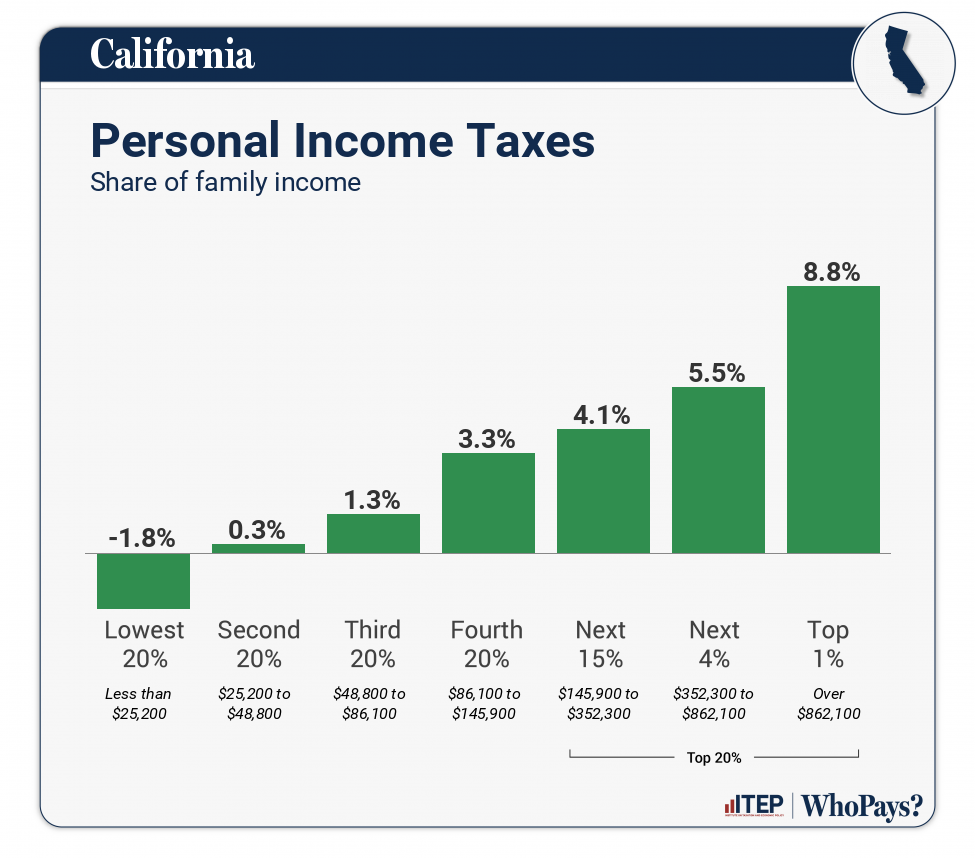
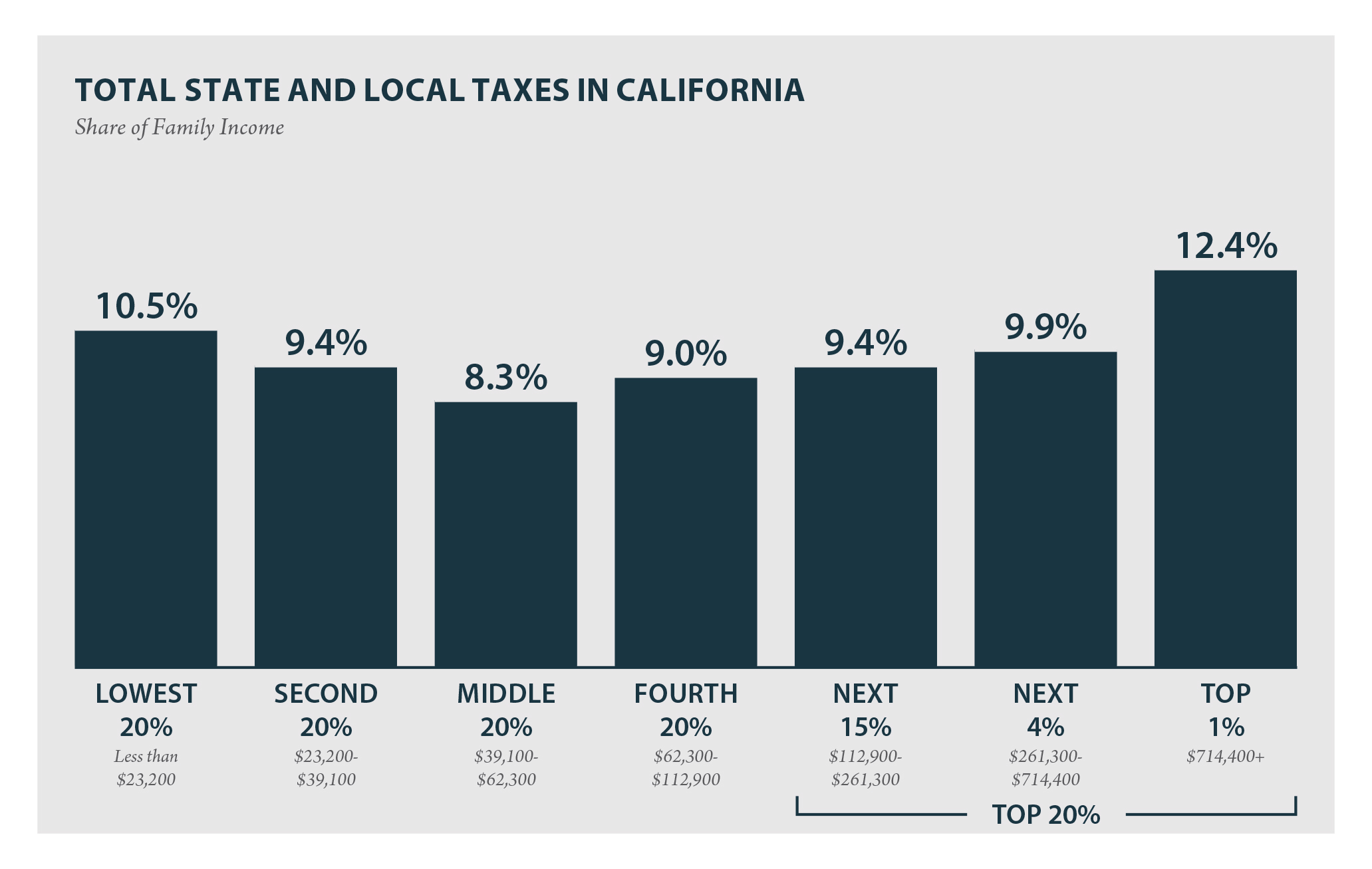
California operates on a largely progressive tax philosophy, particularly concerning income tax, meaning higher earners generally contribute a larger percentage of their income to the state. This approach is rooted in the state’s commitment to social programs and environmental initiatives, often supported by a robust tax base. However, this progressive structure, combined with local taxes and fees, contributes to the overall perception of California as a high-tax state. This perception isn’t without merit, as the combined burden can impact everything from daily expenditures to major life decisions like purchasing a home or starting a business.
Sales Tax: Impact on Everyday Purchases and Consumer Lifestyle
One of the most immediate and frequently encountered taxes in California is the sales tax. This is a consumption tax applied to the sale of most goods and some services. The statewide base sales tax rate is 7.25%, but this is almost always augmented by district sales taxes imposed by cities, counties, and special districts. This means the actual sales tax rate you pay can vary significantly depending on your exact location, often ranging from 7.75% to over 10%. For example, residents in San Francisco or Los Angeles might face higher combined sales tax rates than those in more rural areas.
This tax directly impacts the cost of your everyday lifestyle. From groceries (though many unprepared food items are exempt) and clothing to electronics and dining out, nearly every purchase you make includes sales tax. For budget-conscious individuals or families, understanding and factoring in these varying rates is crucial for managing monthly expenses and overall financial planning. For those engaging in luxury retail, the aggregate amount of sales tax can be substantial.
Income Taxes: Navigating California’s Progressive System
California’s state income tax system is perhaps its most significant financial characteristic, known for having some of the highest marginal income tax rates in the nation. This directly impacts the disposable income of nearly every working individual and household in the state, making it a critical component of lifestyle planning and budgeting.
State Income Tax for Employees and Freelancers
The state of California imposes a progressive income tax on all taxable income earned by residents and on income earned from California sources by non-residents. There are ten different tax brackets, with rates ranging from 1% to 12.3%, plus an additional 1% mental health services tax on incomes over $1 million (for single filers). These rates apply to various forms of income, including wages, salaries, business profits, interest, and dividends.
For employees, this means a portion of each paycheck is withheld for state income tax. Freelancers and independent contractors, on the other hand, are typically responsible for calculating and paying estimated quarterly taxes to avoid penalties. The high top marginal rate means that individuals earning substantial incomes, common in tech hubs like San Jose or entertainment capitals like Los Angeles, see a significant portion of their earnings directed towards state taxes. This requires careful financial planning, especially for those accustomed to lower tax burdens in other states.
How Income Tax Influences Lifestyle Choices
The structure of California’s income tax profoundly influences lifestyle choices. For prospective residents, the potential impact on take-home pay is often a primary consideration when evaluating job offers or business opportunities. It can dictate how much discretionary income is available for housing, leisure activities, savings, and investments.
For example, high earners might find that while gross salaries are attractive, the net income after California income tax (and federal tax) significantly reduces their purchasing power for housing in expensive markets. This can influence decisions about where to live, whether to rent or buy, and even career progression. For retirees, the taxation of pension income and other retirement distributions can be a deciding factor in choosing California as a retirement destination. Understanding these implications is vital for making informed lifestyle and financial decisions within the state.
Property and Excise Taxes: Beyond the Everyday
While sales and income taxes are frequently encountered, California’s tax structure extends to property and various excise taxes, which play a significant role in specific lifestyle situations, particularly for homeowners and consumers of certain goods and services.
Property Taxes: A Major Consideration for Homeowners
Property taxes in California are levied by local governments (counties, cities, and special districts) and are based on the assessed value of real estate. Proposition 13, passed in 1978, significantly limits property tax increases. It caps the base year value of a property at its purchase price, with annual increases limited to 2% or the rate of inflation, whichever is lower. When a property is sold, it is reassessed at its new market value.
While the statewide average effective property tax rate is relatively low compared to some other states (around 0.74% of a home’s assessed value), the high property values in many parts of California, especially in metropolitan areas like San Francisco, San Jose, Los Angeles, and San Diego, mean that homeowners still pay substantial amounts in property taxes annually. For those considering homeownership, understanding property tax implications is crucial for long-term budgeting and assessing the true cost of living in their desired neighborhood. These taxes directly fund local services, impacting the quality of schools and public infrastructure, which in turn influences neighborhood desirability and property values.
Fuel, Tobacco, and Sin Taxes: Lifestyle-Specific Costs
California also imposes various excise taxes on specific goods and services, often designed to discourage consumption or generate revenue for specific purposes. These “sin taxes” and other excise taxes can add up depending on one’s lifestyle.
- Fuel Taxes: California has one of the highest gasoline taxes in the nation, funding transportation infrastructure projects. For individuals who commute long distances or frequently travel by car across the vast state, these taxes contribute significantly to transportation costs and impact the feasibility of certain lifestyles (e.g., living further from work).
- Tobacco Taxes: High taxes are levied on cigarettes and other tobacco products, aimed at reducing public health costs associated with smoking.
- Alcohol Taxes: Excise taxes are also applied to alcoholic beverages, though these rates are generally lower than tobacco taxes.
- Cannabis Taxes: With the legalization of recreational cannabis, California levies significant excise and cultivation taxes, alongside standard sales tax, making legal cannabis products quite expensive.
- Tire Fees and Other Environmental Fees: Various other fees exist, such as tire fees, to fund recycling and environmental programs.
These taxes directly impact the cost of certain consumption habits and activities, shaping consumer choices and contributing to the overall cost of living for those who partake in them.
Special Taxes and Fees Impacting Specific Lifestyles
Beyond the broad categories, California has several other taxes and fees that are relevant to particular lifestyles, such as tourism, business ownership, or specific investment activities.
Tourism-Related Taxes (e.g., Hotel Occupancy Taxes, Rental Car Fees)
For visitors and those engaging in short-term stays, tourism-related taxes become a relevant factor. Hotels and other lodging establishments across California collect transient occupancy taxes (TOT), also known as hotel occupancy taxes. These local taxes vary widely by city and county, often ranging from 8% to 15% or even higher in popular tourist destinations like San Francisco or Los Angeles. This adds a significant amount to the cost of a hotel stay, influencing travel budgets for tourists and business travelers alike. Similarly, rental car companies often levy additional fees and taxes that can inflate the advertised daily rate. For those embracing a travel-heavy or nomadic lifestyle within California, factoring these taxes into their travel budget is essential.
Business Taxes for Entrepreneurs and Investors
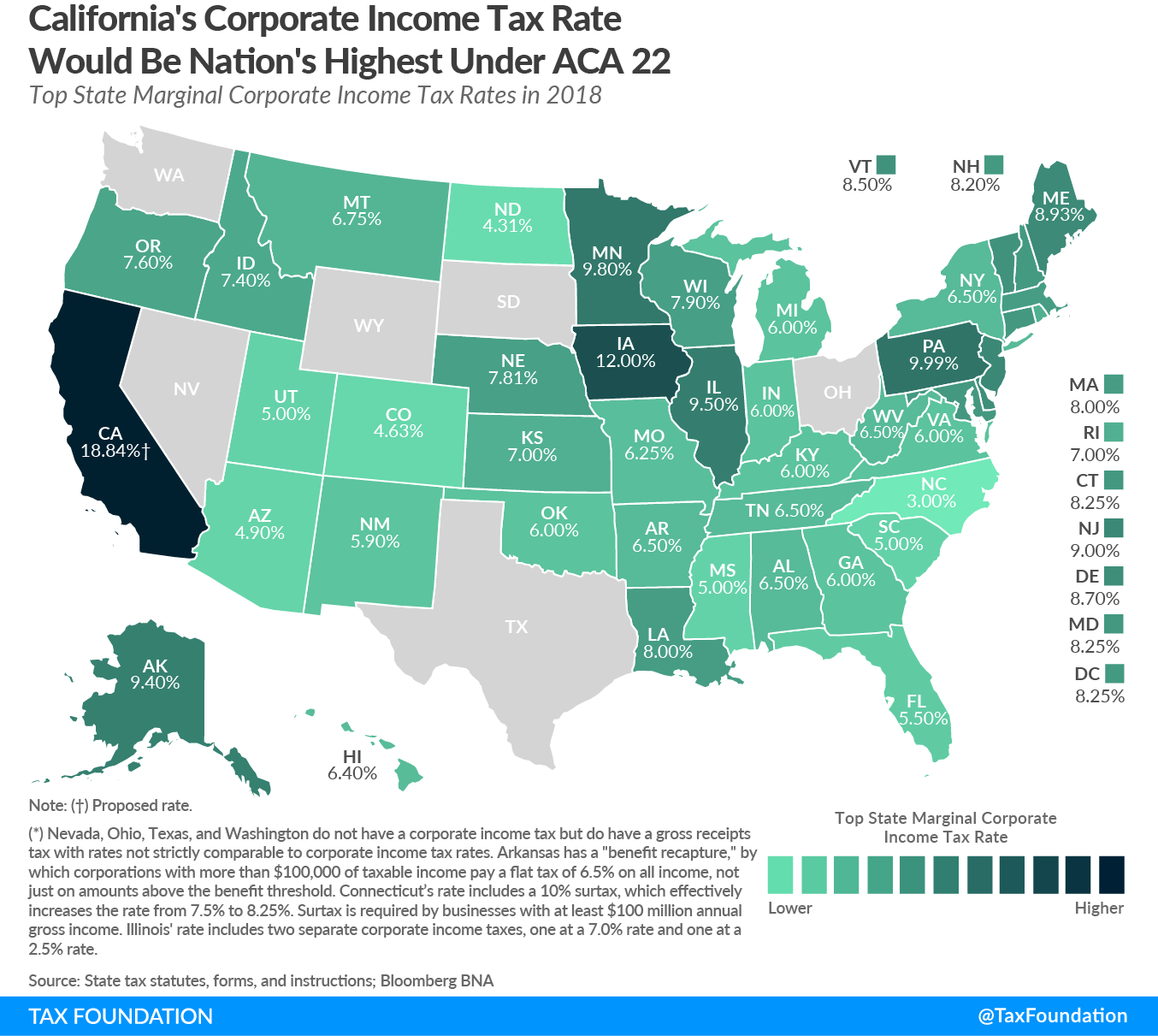
For entrepreneurs, small business owners, and investors, California’s tax environment includes corporate income taxes, franchise taxes, and various business-specific fees. Corporations generally pay a corporate income tax, currently at 8.84% of net income, with a minimum franchise tax of $800 annually for most corporations, even if they report no income. LLCs (Limited Liability Companies) also face an annual minimum tax and, for those with higher incomes, an additional LLC fee based on total income.
These taxes directly impact the profitability and operational costs of businesses, influencing investment decisions and the feasibility of running certain types of enterprises in the state. For individuals considering a move to California to start a business or expand an existing one, a thorough understanding of these business tax obligations is crucial for developing a sustainable financial model and overall business lifestyle.
Planning Your California Lifestyle: Tax Implications and Tips
Given the complexities and generally higher rates, effective tax planning is an integral part of living and thriving in California. Understanding how these various taxes interlock and impact your specific financial situation can help you make informed decisions about where to live, how to work, and how to spend your money.
Budgeting for the California Tax Burden
Effective budgeting in California must go beyond just rent or mortgage payments and account for the substantial tax burden. This includes not only income and sales taxes but also property taxes (if applicable) and various excise taxes that apply to your lifestyle choices. For instance, if you drive frequently, factor in higher gas prices due to fuel taxes. If you enjoy dining out, remember the combined sales tax will increase your bill. Regularly reviewing your income and expenses with these taxes in mind can help prevent financial surprises and ensure your lifestyle remains sustainable.
Resources for Tax Information and Planning
The California Franchise Tax Board (FTB) is the primary state agency responsible for administering personal and corporate income taxes. For sales and use taxes, as well as special taxes and fees, the California Department of Tax and Fee Administration (CDTFA) is the go-to resource. These agencies provide detailed guides, forms, and online tools that can help residents and businesses navigate their tax obligations. Consulting with a qualified tax professional specializing in California tax law is highly recommended for complex financial situations, business owners, or anyone planning a significant financial transition to or within the state. Staying informed and proactive about your tax situation is the best way to ensure a stable and enjoyable lifestyle in California.
LifeOutOfTheBox is a participant in the Amazon Services LLC Associates Program, an affiliate advertising program designed to provide a means for sites to earn advertising fees by advertising and linking to Amazon.com. Amazon, the Amazon logo, AmazonSupply, and the AmazonSupply logo are trademarks of Amazon.com, Inc. or its affiliates. As an Amazon Associate we earn affiliate commissions from qualifying purchases.