
California is a land of unparalleled beauty, from its sun-drenched beaches and towering redwood forests to its vibrant cities and iconic landmarks. Millions of tourists flock to the Golden State each year, drawn by its diverse attractions and lively culture. Yet, a common question often surfaces when planning a trip: “How often do earthquakes occur in California?” It’s a valid concern, often fueled by media portrayals and a general lack of understanding about seismic activity. For any discerning traveler, gaining clarity on this aspect of California’s natural environment is crucial for a safe and enjoyable visit. This article aims to demystify earthquakes in California, providing tourists with a factual, insightful, and reassuring perspective, alongside practical tips for preparedness.
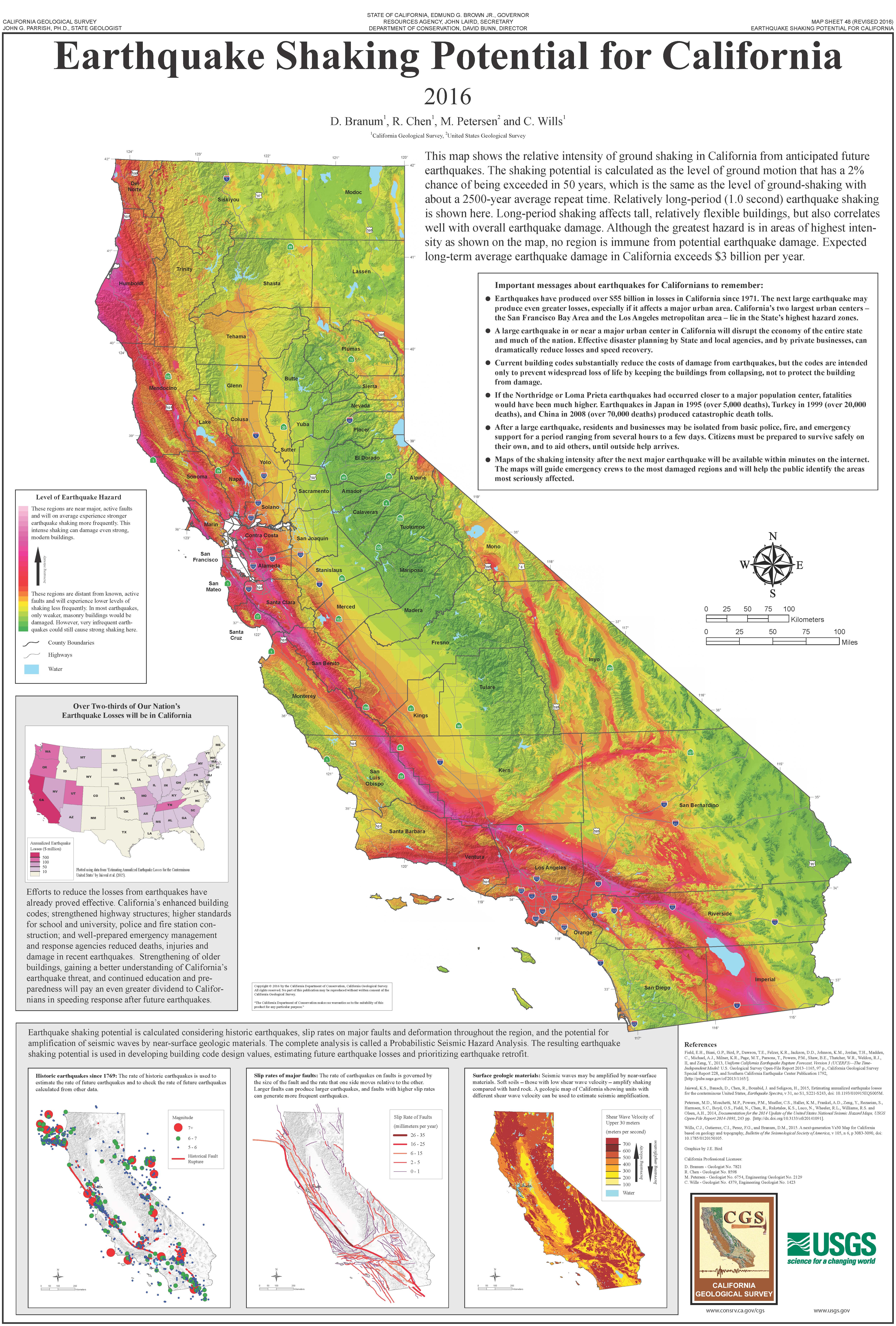
Understanding California’s Seismic Landscape
To truly grasp the frequency of earthquakes, it’s essential to first understand why California is seismically active. It’s not a random occurrence but a predictable consequence of its unique geological position.
The Tectonic Plate Dance
At the heart of California’s seismic activity is its location on the boundary between two massive tectonic plates: the Pacific Plate and the North American Plate. These colossal pieces of the Earth’s crust are constantly in motion, grinding past each other. The primary interface for this movement is the famous San Andreas Fault, a right-lateral strike-slip fault system that runs for over 800 miles through California, from its northern reaches down to Southern California.
The San Andreas Fault isn’t the only player; it’s part of a complex network of thousands of smaller, interconnected fault lines that crisscross the state. These include significant ones like the Hayward Fault in the San Francisco Bay Area and the Garlock Fault in the Mojave Desert. The movement along these faults is rarely smooth; friction causes stress to build up. When this stress overcomes the friction, the plates suddenly slip, releasing a burst of energy in the form of seismic waves – what we perceive as an earthquake. This continuous geological process makes California a fascinating, albeit dynamic, geological region.
A Constant Tremor
When people ask about earthquake frequency, they often envision destructive events. However, the reality in California is that the vast majority of seismic events are extremely minor and go completely unnoticed by humans. Seismologists using sensitive instruments record thousands upon thousands of earthquakes every year. These are often referred to as micro-quakes, typically registering below a magnitude 2.0. They are a constant reminder of the ongoing tectonic activity beneath the surface but pose no threat and cause no damage.
It’s crucial for tourists to understand this distinction: while the numbers are high, the impact of most earthquakes is negligible. The “rumbling” beneath California is a continuous, natural phenomenon, not a daily threat of significant disruption. The concern for visitors primarily lies with the less frequent, but more noticeable, events.
Delving Into Earthquake Frequency and Magnitude
Moving beyond the constant micro-quakes, let’s explore the frequency of earthquakes that might actually be felt by a person, and the much rarer significant events.
The Numbers Game: How Often Do They Occur?
Statistically speaking, California experiences hundreds of earthquakes of magnitude 3.0 or greater each year. Most of these are still quite small, felt only by those very close to the epicenter, and rarely cause any damage. Earthquakes in the magnitude 4.0 to 5.0 range, which are certainly noticeable and can rattle nerves, occur several times a month across the state. These might cause minor localized damage, such as items falling off shelves, but structural damage is uncommon in modern buildings.
Larger earthquakes, those of magnitude 5.0 or greater, are significantly less frequent. On average, California sees one or two such events annually. While these can cause moderate damage, especially to older structures, the state’s rigorous building codes have dramatically improved the resilience of infrastructure. Earthquakes of magnitude 6.0 or greater, which can cause significant damage over a wider area, occur roughly once every few years. The truly large and destructive events, those exceeding magnitude 7.0, are rare, happening perhaps once a decade or even less frequently. The good news for tourists is that the probability of being directly impacted by a major, damaging earthquake during a typical short visit is exceedingly low.
The ‘Big One’: Fact vs. Fiction
The concept of “The Big One” is deeply ingrained in the public consciousness, often creating undue anxiety. This refers to a hypothetical, exceptionally powerful earthquake, likely on the San Andreas Fault, that could cause widespread devastation. While scientists confirm that such an event is inevitable at some point in California’s geological future, predicting its exact timing is currently impossible. It could be tomorrow, or it could be hundreds of years from now.
Rather than a guaranteed impending disaster, “The Big One” is best understood as a long-term probabilistic risk that California constantly prepares for. The scientific community, notably the USGS (United States Geological Survey) and the Southern California Earthquake Center, continually assess probabilities. For example, there’s roughly a 70% chance of one or more magnitude 6.7 or greater earthquakes striking the San Francisco Bay Area or Southern California in the next 30 years. These are long-term probabilities, not immediate forecasts. This proactive approach to understanding and mitigating risk is why California is one of the best-prepared regions in the world for seismic events, making it safer for residents and tourists alike.

What Tourists Should Know: Safety and Preparedness
While the likelihood of a major earthquake impacting your trip is low, preparedness is key to peace of mind and safety. Being informed is the best defense.
Before Your Trip: Essential Preparations
As a tourist, your preparation can be simpler but still effective. Before you travel, familiarize yourself with general earthquake safety guidelines. Consider packing a small, travel-friendly emergency kit that includes a flashlight (or ensure your phone is charged), a portable power bank, and any essential medications you might need. Check if your accommodation, especially hotels in major cities like Los Angeles or San Francisco, has information available about their earthquake safety protocols. Many modern hotels are built to seismic standards and have clear evacuation plans. Knowing your hotel room’s exits and designated safe spots can be very helpful.
It’s also a good idea to download a reputable earthquake alert app. The MyShake app, developed by UC Berkeley and integrated with the California Earthquake Early Warning System, can provide a few precious seconds of warning before shaking begins, allowing you to “Drop, Cover, and Hold On.”
During an Earthquake: Drop, Cover, and Hold On
This is the golden rule of earthquake safety and applies universally:
- DROP to the ground immediately.
- COVER your head and neck with your arms, and take shelter under a sturdy table or desk if possible.
- HOLD ON to your shelter until the shaking stops. Be prepared to move with it.
If you are outdoors, move to a clear area away from buildings, streetlights, and utility wires. If you are driving, pull over to a clear spot and stop, setting your parking brake. Stay inside the vehicle until the shaking stops. Do not stop under overpasses, bridges, or trees. Avoid elevators during or immediately after an earthquake. Always prioritize your safety over trying to move or retrieve belongings.
After an Earthquake: Staying Informed
Once the shaking stops, take a moment to assess your surroundings.
- Check for injuries: Attend to yourself and those around you if safe to do so.
- Check for damage: Look for fallen objects, gas leaks (smell for gas), or fires. If you suspect a gas leak, evacuate immediately and report it.
- Stay informed: Tune into local radio (often via your smartphone), TV, or official social media channels for emergency information and instructions from authorities like Cal OES (California Office of Emergency Services). Expect aftershocks, which can occur minutes, hours, days, or even weeks after the main quake.
- Communicate: If phone lines are down, text messages are often more reliable. Let your family and friends know you are safe.
Remember, rescue efforts and damage assessment will begin swiftly. Follow the guidance of local emergency personnel.
Experiencing California Safely: Beyond the Tremors
While understanding earthquakes is important, it shouldn’t overshadow the incredible experiences California offers. The state has proactively built a resilient infrastructure.
Building Codes and Resilience
California boasts some of the strictest building codes in the world, specifically designed to withstand seismic activity. After major earthquakes like the 1906 San Francisco earthquake and the 1994 Northridge earthquake in Los Angeles, the state continually updates and reinforces these codes. Modern buildings, bridges, and infrastructure are constructed with seismic resilience in mind, incorporating technologies like base isolators and reinforced steel to absorb seismic energy. This means that while strong shaking can occur, the likelihood of catastrophic structural failure in well-maintained, modern buildings is significantly reduced. Tourists can feel confident that the hotels, attractions, and public spaces they visit are designed with their safety in mind.

Embracing the Dynamic Landscape
Ultimately, the seismic activity in California is an integral part of its natural identity. The same geological forces that cause earthquakes are responsible for creating California’s stunning mountain ranges, dramatic coastlines, and fertile valleys. From the majestic Sierra Nevada to the rugged Big Sur coastline, the landscape tells a story of constant geological transformation. Understanding this natural dynamism can actually enhance a tourist’s appreciation for the state, offering a deeper connection to its unique environment.
In conclusion, while earthquakes are a reality in California, their frequency of significant events is far lower than often perceived, and the state is exceptionally well-prepared. For tourists, being informed and taking simple precautionary steps ensures that the risk remains minimal, allowing you to fully immerse yourself in the unparalleled beauty, culture, and adventures that the Golden State has to offer. So pack your bags, know your safety tips, and get ready to explore one of the world’s most captivating destinations with confidence.
LifeOutOfTheBox is a participant in the Amazon Services LLC Associates Program, an affiliate advertising program designed to provide a means for sites to earn advertising fees by advertising and linking to Amazon.com. Amazon, the Amazon logo, AmazonSupply, and the AmazonSupply logo are trademarks of Amazon.com, Inc. or its affiliates. As an Amazon Associate we earn affiliate commissions from qualifying purchases.