
California, a land of diverse landscapes, iconic landmarks, and a lifestyle coveted by many, consistently draws individuals seeking everything from sun-drenched beaches to bustling urban centers. Whether you’re a digital nomad considering an extended stay, a family planning a relocation, or an investor looking into accommodation opportunities, understanding the intricacies of its rental market is paramount. Among the most pressing questions for anyone navigating the Golden State’s housing landscape is: “How often can a landlord raise rent in California?” The answer, while seemingly straightforward, involves a nuanced interplay of statewide laws and local ordinances, all designed to balance the interests of both tenants and property owners in one of the world’s most dynamic and often expensive real estate markets.

For those planning a long-term stay or considering making California their home, deciphering these regulations is as crucial as researching the best hotels or tourist attractions. It impacts everything from budget planning for a family trip that extends into months, to the viability of a business stay, and even the overall lifestyle one can afford in desirable destinations like Los Angeles or San Francisco. This guide will delve into the specifics, offering clarity on the frequency and limits of rent increases, ensuring you are well-equipped to make informed decisions about your accommodation in California.
The Landscape of Rent Control in California: A Tale of Two Laws
For many years, rent control in California was primarily a patchwork of local ordinances, leading to significant variations between cities and counties. While some major metropolitan areas had robust rent control laws, much of the state operated without specific regulations on rent increases or tenant protections. This changed dramatically with the introduction of Assembly Bill 1482, a landmark piece of legislation that introduced statewide rent caps and “just cause” eviction protections.
Understanding AB 1482: Statewide Rent Caps and Just Cause Eviction
Effective January 1, 2020, AB 1482 significantly reshaped the rental housing landscape across California. This law applies to most residential rental properties in the state that are not already covered by stronger local rent control ordinances. Its primary goals are twofold: to limit excessive rent increases and to provide tenants with greater security against arbitrary evictions.
Key Provisions of AB 1482
-
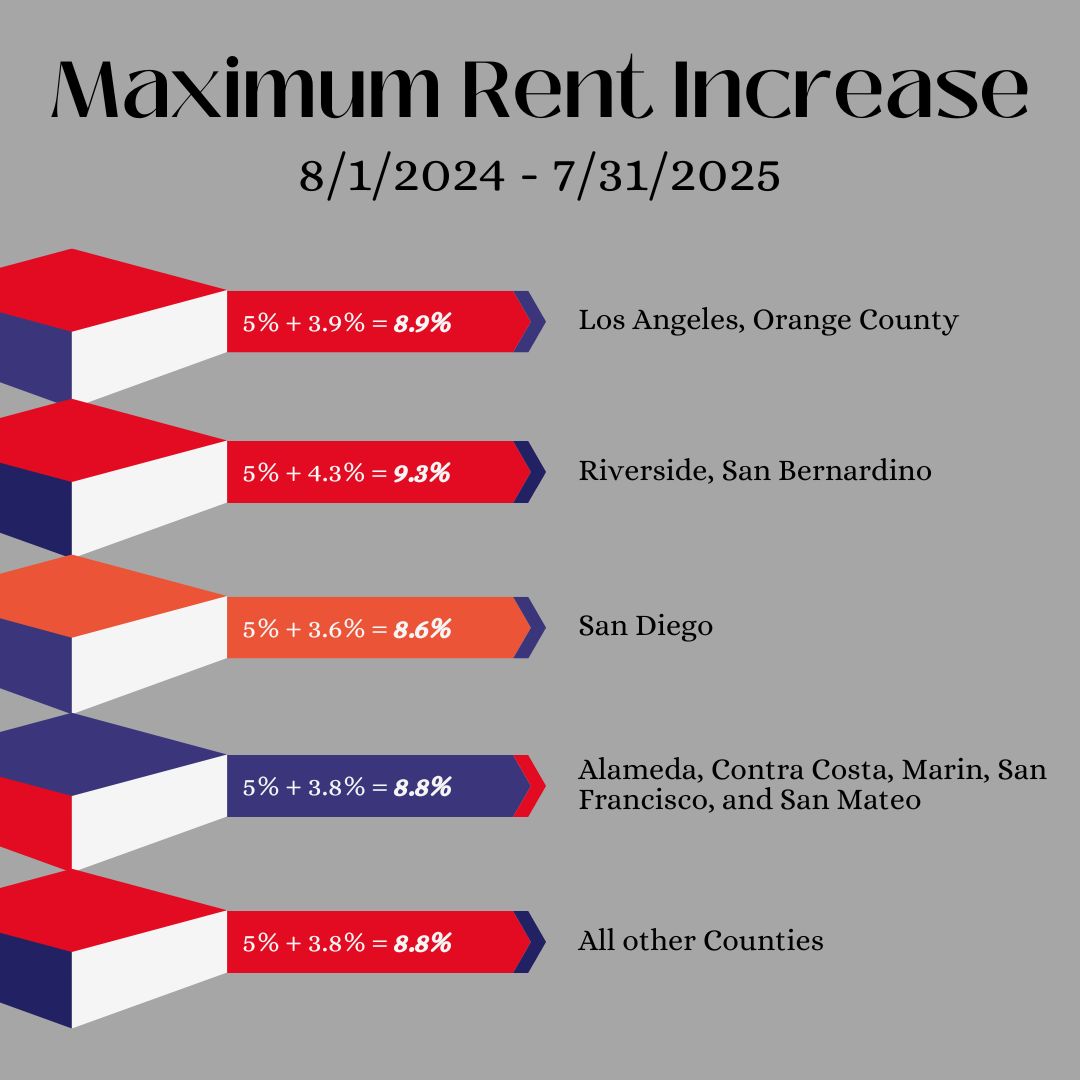
Rent Cap: The most impactful provision of AB 1482 is its statewide rent cap. Landlords are generally prohibited from increasing rent by more than 5% plus the percentage change in the Consumer Price Index (CPI), or a maximum of 10%, whichever is lower, over a 12-month period. The Consumer Price Index for “all urban consumers” in the metropolitan area where the property is located is typically used for this calculation. This measure aims to provide a predictable ceiling on rent hikes, offering a degree of stability for long-term residents.
-
Frequency of Increases: Under AB 1482, a landlord can only raise the rent once within any 12-month period. If a landlord implements a rent increase, they must wait a full 12 months before initiating another one. Furthermore, any rent increase must be preceded by proper written notice – typically 30 days for increases 10% or less, and 60 days for increases over 10% (though under AB 1482’s cap, increases will almost always be less than 10%, making 30 days notice the norm). This rule applies even if a tenant has a month-to-month lease, providing a clear timetable for financial planning.
-
Retroactive Application: AB 1482 also included a “look-back” provision. If a landlord raised the rent between March 15, 2019, and January 1, 2020, by more than what would have been permitted under the new law, the rent had to be reduced to the permissible level as of January 1, 2020. This ensured that tenants weren’t unfairly impacted by large increases just before the law took effect.
The “Just Cause” Eviction Clause
Beyond rent caps, AB 1482 introduced significant “just cause” eviction protections for tenants who have lived in a property for 12 months or more. This means landlords cannot evict a tenant without a specific, legally recognized reason. These reasons fall into two categories:
- At-Fault Just Causes: These are reasons related to the tenant’s actions, such as non-payment of rent, breach of a material term of the lease, criminal activity on the premises, or nuisance.
- No-Fault Just Causes: These are reasons not related to the tenant’s behavior, but still legitimate grounds for eviction, such as the owner moving in, withdrawal of the property from the rental market, or substantial renovations requiring the tenant to vacate. In most “no-fault” cases, the landlord is required to provide relocation assistance to the tenant, typically one month’s rent.
This “just cause” provision offers a substantial layer of security for long-term residents, making it harder for landlords to remove tenants simply to raise rents significantly for new occupants, thereby contributing to housing stability.
Exemptions and Local Variations: Navigating the Nuances
While AB 1482 provides a broad framework, it’s crucial to understand that not all properties are subject to its rules, and many cities in California have their own, often stronger, rent control ordinances that supersede the state law.
What Properties Are Exempt from AB 1482?
Several types of properties are exempt from the statewide rent cap and “just cause” eviction protections:
- New Construction: Housing that has been issued a certificate of occupancy within the last 15 years is generally exempt. This exemption is designed to encourage new housing development in California.
- Single-Family Homes and Condominiums: These are exempt unless they are owned by a corporation, a real estate investment trust (REIT), or a limited liability company (LLC) in which at least one member is a corporation. If a single-family home or condo is owned by an individual or a non-corporate entity, it’s exempt from the rent cap and “just cause” eviction, provided the landlord provides the tenant with specific written notice of the exemption.
- Owner-Occupied Duplexes: If the owner lives in one of the units of a duplex, both units are exempt from AB 1482.
- Student Dormitories: Housing provided by non-profit colleges and universities.
- Hotels, Motels, and Transient Housing: Short-term rentals, typically those with stays of 30 days or less, are not covered. This distinction is crucial for travelers deciding between short-term hotel stays and longer-term apartment rentals.
- Affordable Housing: Properties subject to affordable housing covenants that restrict rent are also exempt.
Understanding these exemptions is vital for anyone searching for accommodation, as they determine whether a property offers the protections afforded by AB 1482.
Comparing Statewide vs. Local Ordinances
The interaction between AB 1482 and existing local rent control ordinances is another critical layer of complexity. The rule of thumb is: the stricter law applies.
Many cities in California have had rent control for decades, predating AB 1482. These include major urban centers and popular tourist destinations such as San Francisco, Los Angeles, Oakland, Santa Monica, and Berkeley. Local ordinances in these areas often impose stricter rent caps (sometimes lower than the AB 1482 cap), offer broader “just cause” eviction protections, and may apply to a wider range of properties (e.g., older construction may still be covered even if newer units are exempt under state law).
For instance, a city like San Francisco or Santa Monica might have a local ordinance limiting annual rent increases to an even lower percentage than AB 1482 or might require specific forms of relocation assistance that exceed state minimums. In such cases, the local law takes precedence. If a local ordinance offers weaker protections or higher rent caps than AB 1482, then AB 1482 prevails.
This means that for individuals considering a move or extended stay in a specific California city, it’s imperative to research both the statewide law and any local rent control ordinances that might apply. Resources like city housing departments or tenant rights organizations can provide localized information, ensuring clarity on how often a landlord can raise rent in that particular area.
Implications for Residents, Travelers, and the California Lifestyle
The intricate web of rent control regulations in California has profound implications that extend beyond just the immediate transaction between a landlord and a tenant. It shapes the very fabric of the state’s accommodation landscape, influencing decisions for long-term residents, those seeking a lifestyle change, and even affecting the broader tourism ecosystem.
Finding Your Home: Accommodation Choices in California
For many, California represents a dream lifestyle – from the vibrant arts scene of Los Angeles to the entrepreneurial spirit of Silicon Valley and the natural beauty of the Pacific Coast. However, the cost of living, particularly housing, has long been a barrier. Rent control laws, like AB 1482, aim to inject a measure of stability into this often volatile market.
- For Long-Term Residents: For families and individuals who have established roots in a community, the rent cap and “just cause” eviction provisions offer a sense of security. They can plan their budgets with greater confidence, knowing that their rent won’t skyrocket unexpectedly, and they are protected against arbitrary evictions. This stability fosters stronger communities and allows people to invest in their local areas, contributing to the unique culture and services that make California so appealing.
- For Newcomers and Relocators: Those considering a move to California for work, retirement, or simply a lifestyle change must factor in housing costs. Understanding rent control helps them identify areas where they might find more stable and predictable rental environments. This is particularly relevant for individuals in professions with moderate incomes who wish to live in high-demand cities.
- Digital Nomads and Extended Stays: The rise of remote work has led to an increase in digital nomads and professionals seeking extended stays in desirable locations. While hotels and short-term rentals cater to shorter visits, many are now looking for apartment accommodation for several months or even a year. Knowing the rent control rules can help them decide between a fully furnished corporate apartment (which might be exempt if it’s new construction or part of a hotel conversion) and a traditional long-term rental, allowing for better budget management during their California experience.
Embracing the California Experience
The ability for a diverse population to afford to live in California directly impacts the very “lifestyle” and “tourism” aspects that draw visitors worldwide. When residents can afford to stay, they contribute to the local economy, support small businesses, and maintain the authentic character of neighborhoods.
- Local Culture and Amenities: Stable housing allows for a more robust local workforce, supporting the vibrant restaurant scenes, unique boutiques, and cultural attractions that tourists flock to. Without rent protections, many service industry workers and artists, essential to California’s appeal, might be priced out of desirable areas.
- Business Stays and Economic Development: Companies relocating or expanding in California need to ensure their employees can find affordable and stable housing. Rent control can be a factor in maintaining a competitive talent pool, influencing business decisions and contributing to the state’s overall economic health, especially in tech hubs and burgeoning industries.
- Impact on Tourism Infrastructure: While hotels and resorts are typically exempt from rent control, the broader housing market indirectly affects them. When housing is scarce or unstable, it can impact the availability of staff for hotels, restaurants, and attractions, potentially leading to higher labor costs or reduced service quality, ultimately affecting the visitor experience.
Strategic Planning for Renters and Property Owners
Navigating California’s rental market requires strategic planning and a thorough understanding of current regulations. Whether you’re a prospective tenant or a property owner, being informed is your best defense against unexpected challenges.
Tips for Renters
- Know Your Rights: Before signing a lease or even beginning your apartment search, familiarize yourself with AB 1482 and any local rent control ordinances in the city or county you’re considering. Websites of city housing departments, tenant rights groups, and legal aid societies are excellent resources.
- Verify Exemptions: If you’re looking at a single-family home, condo, or newer construction, ask the landlord if the property is exempt from AB 1482. If it’s a single-family home or condo owned by an individual, the landlord must provide a specific written notice of exemption for it to apply.
- Document Everything: Keep meticulous records of your lease agreement, rent payments, notices of rent increases, and any communication with your landlord. This documentation is invaluable if a dispute arises.
- Understand “Just Cause” Eviction: If your property is covered, remember that your landlord needs a valid, legally recognized reason to evict you after 12 months. Do not accept an eviction notice without understanding the stated cause and your rights.
- Seek Clarification: If you receive a rent increase notice and are unsure if it complies with the law, don’t hesitate to seek advice from local tenant advocacy groups or a legal professional.

Advice for Property Owners
- Stay Informed: Rent control laws can be complex and are subject to change. Regularly consult official sources, such as the Department of Consumer Affairs or legal counsel specializing in landlord-tenant law, to ensure compliance with AB 1482 and any local ordinances.
- Determine Coverage: Accurately assess whether your property is subject to AB 1482 or a local rent control ordinance. If it’s exempt, ensure you provide the necessary written disclosures to tenants.
- Calculate Rent Increases Correctly: When implementing rent increases, strictly adhere to the allowable percentages (CPI + 5%, capped at 10%) and the frequency limitations (once every 12 months). Incorrect calculations can lead to legal challenges.
- Understand “Just Cause”: Familiarize yourself with the “just cause” eviction requirements. Ensure you have proper documentation and a legally valid reason before issuing an eviction notice. Be prepared to offer relocation assistance if it’s a “no-fault” eviction.
- Maintain Professional Communication: Clear, written communication with tenants about rent increases, lease terms, and any property changes can prevent misunderstandings and disputes.
In conclusion, the question of “How often can a landlord raise rent in California?” points to a critical aspect of living, traveling, and doing business in the state. While the answer generally involves a once-per-12-months frequency, capped by AB 1482 or stricter local ordinances, the real takeaway is the importance of diligence. Whether you are seeking a dream apartment in San Diego, planning a long-term business stay in Silicon Valley, or simply exploring the possibilities of a California lifestyle, understanding these rental regulations is key to secure and enjoyable accommodation. By staying informed, both renters and landlords can navigate this complex environment with confidence, contributing to a more stable and equitable housing market across this magnificent state.
LifeOutOfTheBox is a participant in the Amazon Services LLC Associates Program, an affiliate advertising program designed to provide a means for sites to earn advertising fees by advertising and linking to Amazon.com. Amazon, the Amazon logo, AmazonSupply, and the AmazonSupply logo are trademarks of Amazon.com, Inc. or its affiliates. As an Amazon Associate we earn affiliate commissions from qualifying purchases.