
California, often romanticized as the Golden State, is renowned for its diverse landscapes, vibrant cities, and innovative spirit. From the sun-kissed beaches of Los Angeles to the iconic Golden Gate Bridge in San Francisco, it offers an unparalleled travel experience. Yet, beneath its picturesque surface lies a dynamic geological reality: earthquakes. For many travelers, the thought of seismic activity can be a source of curiosity, if not apprehension. Understanding how often earthquakes occur, their nature, and what it means for your visit is key to a confident and enjoyable exploration of this remarkable destination.
This guide aims to demystify California’s seismic landscape, offering a professional, insightful, and engaging perspective tailored for the curious traveler. We’ll delve into the science, provide practical safety tips, and ultimately help you appreciate the state’s unique geological rhythm as another fascinating facet of your travel adventure.
The Rhythmic Pulse of California’s Landscape
To truly grasp the frequency of earthquakes in California, it’s essential to understand the underlying geological forces at play. The state is situated atop one of the most active tectonic plate boundaries in the world, making seismic activity a fundamental characteristic of its natural environment.
Geological Context and Plate Tectonics
California famously straddles the boundary between two colossal tectonic plates: the Pacific Plate and the North American Plate. These plates are not static; they are in constant, albeit slow, motion. The Pacific Plate is grinding northwest past the North American Plate at an average rate of about 2 inches (5 centimeters) per year – roughly the same speed your fingernails grow. This immense friction and movement cause stress to build up along the fault lines that crisscross the state. When this stress overcomes the resistance of the rocks, the plates suddenly slip, releasing a burst of energy in the form of an earthquake.
The most famous of these fault lines is the San Andreas Fault, a massive continental transform fault that runs for approximately 800 miles (1,300 kilometers) through California. But it’s not the only one; a complex network of thousands of other active faults, both major and minor, contributes to the state’s seismic profile. This intricate geological tapestry ensures that seismic events are a continuous, albeit mostly imperceptible, part of California’s existence.
Defining “Frequency”: What the Data Says
When travelers ask “how often,” they often envision major, damaging earthquakes. However, the reality of seismic activity in California is far more nuanced. The United States Geological Survey (USGS) meticulously monitors seismic activity, and their data provides a clear picture.
Statistically, California experiences thousands of earthquakes every year. The vast majority of these, however, are minor tremors, so small they are typically only detectable by sensitive instruments and not felt by humans.
- Magnitude 3.0 and Higher: On average, California experiences several hundred earthquakes of magnitude 3.0 or greater annually. These are generally noticeable to people in the vicinity but rarely cause significant damage.
- Magnitude 4.0 and Higher: Earthquakes of magnitude 4.0 or greater occur roughly 15-20 times a year. These are more widely felt and can cause minor localized damage.
- Magnitude 5.0 and Higher: Events of magnitude 5.0 or greater happen every 1-2 years. These are strong enough to cause moderate damage to poorly constructed buildings.
- Magnitude 6.0 and Higher: Major earthquakes (magnitude 6.0-6.9) are less frequent, occurring on average once every few years. They are capable of causing significant damage.
- Magnitude 7.0 and Higher: Great earthquakes (magnitude 7.0+) are rare, with a several-decade to century-long recurrence interval for any specific fault. These are the events that pose the greatest risk for widespread damage.
It’s crucial to understand that while the numbers seem high for overall seismic events, the probability of a traveler experiencing a significantly damaging earthquake during a typical visit is very low. Most of the “action” occurs well below human perception.
Understanding the Odds: What Travelers Need to Know
For travelers, the sheer volume of seismic events can seem daunting, but it’s important to put it into perspective. Your chances of being affected by a significant earthquake are considerably smaller than other common travel risks.
Major Quakes vs. Minor Tremors
The distinction between major and minor seismic events is paramount for travelers. Most of California’s earthquakes are simply a natural part of the state’s geology, akin to background noise. They are small adjustments in the earth’s crust that rarely impact daily life or travel plans. Think of it like the constant creaking of an old house versus the collapse of a building; only one of those events truly impacts safety and travel.
Travelers are far more likely to experience a gentle rumble or a brief jolt – if they feel anything at all – rather than a catastrophic event. Even moderately strong earthquakes (e.g., magnitude 5.0) are typically short-lived and, in well-prepared areas, cause minimal disruption. The media tends to focus on the largest and most destructive events, which, while important for residents, can create a skewed perception for visitors.
Geographic Hotspots: Where Earthquakes Are More Prevalent
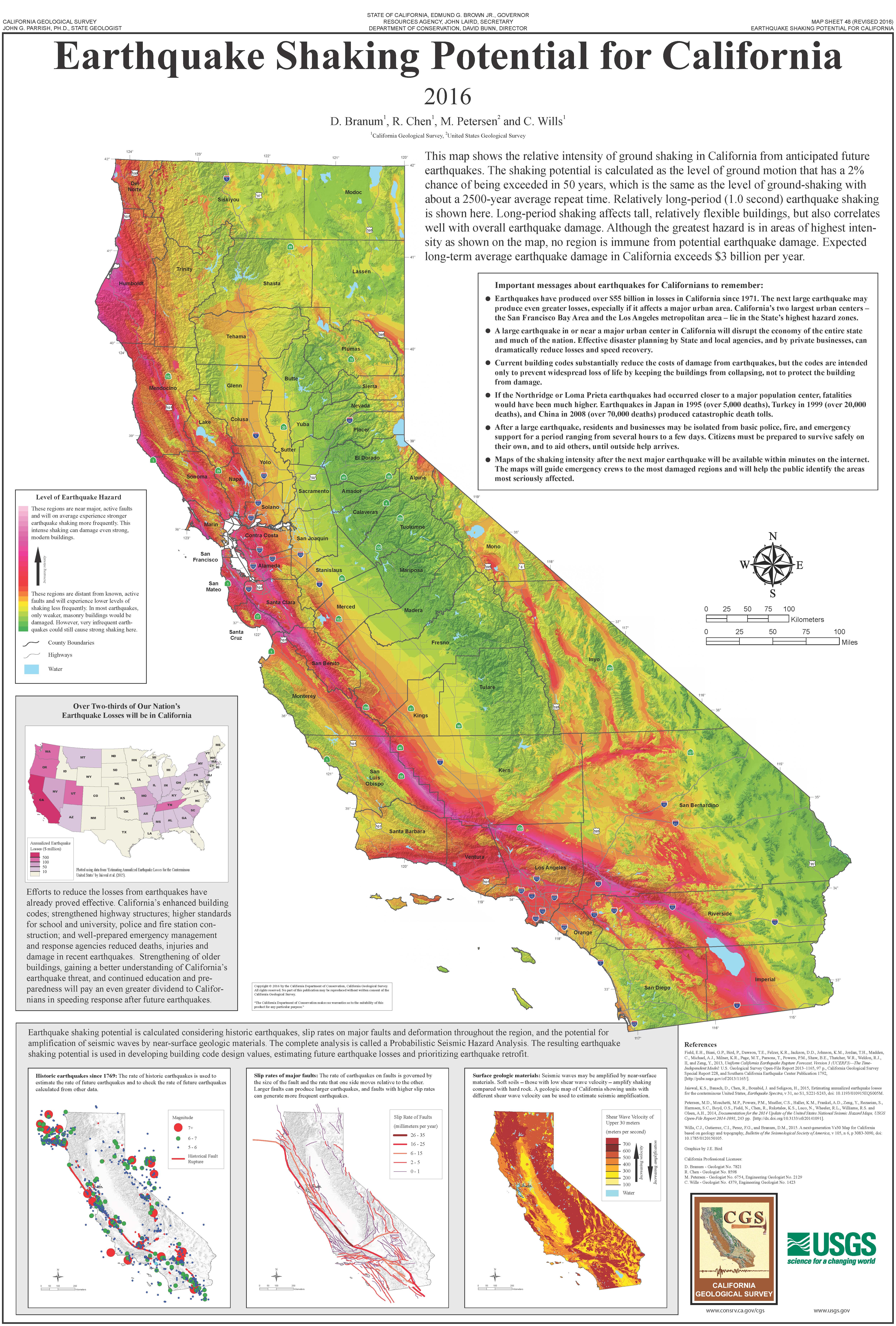
While earthquakes can theoretically occur anywhere in California, certain regions are inherently more seismically active due to their proximity to major fault lines.

- Coastal California: Areas along the coast, particularly from San Francisco south through Los Angeles and down to San Diego, are generally more active. This is primarily due to the presence of the San Andreas Fault and its extensive network of subsidiary faults (like the Hayward, Newport-Inglewood, and Elsinore faults). Cities like San Bernardino, Riverside, and Palm Springs in Southern California are also in highly active zones.
- Eastern California (Eastern Sierra): The eastern side of the Sierra Nevada mountain range, including areas around Mammoth Lakes and Death Valley, also experiences frequent seismic activity. This region is part of a different tectonic regime, the Basin and Range province, characterized by extensional faulting.
- Northern California: Beyond San Francisco, regions like Napa Valley and the Redwood Coast can also experience significant seismic events, though often less frequently than the southern parts of the San Andreas Fault system.
Understanding these hotspots doesn’t mean avoiding them; rather, it empowers travelers with knowledge. Regardless of where you travel in California, preparedness remains the best approach.
Safety and Preparedness for Visitors
While the odds of encountering a major earthquake during your trip are low, being prepared is a hallmark of a responsible traveler. California is one of the most earthquake-prepared regions in the world, with robust building codes and extensive public education campaigns.
Essential Safety Tips for Travelers
Should you experience a noticeable earthquake, remember the universal safety mantra: Drop, Cover, and Hold On.
- Drop: Immediately drop to your hands and knees. This position protects you from being knocked down.
- Cover: Take cover under a sturdy piece of furniture, like a table or desk. If no shelter is nearby, cover your head and neck with your arms.
- Hold On: Hold onto your shelter until the shaking stops. Be prepared to move with it if it shifts.
- If Outdoors: Move to a clear area away from buildings, trees, streetlights, and power lines. Drop to the ground.
- If in a Vehicle: Pull over to a clear location, stop, and stay inside with your seatbelt fastened until the shaking stops.
- After the Shaking: Expect aftershocks. Check yourself and others for injuries. Follow instructions from local authorities. Be aware of potential hazards like fallen power lines, gas leaks, or structural damage.
Many hotels and public buildings in California have specific earthquake procedures outlined. Familiarize yourself with these upon arrival, noting emergency exits and assembly points.
How Infrastructure is Designed for Seismic Activity
One of the most reassuring aspects for travelers is California’s commitment to seismic safety in its infrastructure. Building codes in the state are among the strictest globally, continuously updated based on the latest scientific research and engineering advancements.
- Seismic Retrofitting: Many older buildings have undergone significant retrofitting to enhance their earthquake resistance.
- Modern Construction: New buildings, especially high-rises and critical infrastructure like bridges and hospitals, are designed with advanced engineering techniques to withstand considerable seismic forces, often incorporating flexible foundations or damping systems.
- Emergency Services: California’s emergency response systems are highly organized and regularly drilled to respond effectively to natural disasters, including earthquakes.
This robust framework significantly reduces the risk to both residents and visitors, allowing you to focus on enjoying the state’s many attractions rather than undue worry.
Embracing the Dynamic Nature of the Golden State
Traveling to California means experiencing a place where natural forces are palpable, often shaping its stunning landscapes and resilient communities. Understanding earthquakes isn’t about fear; it’s about informed appreciation.
Debunking Myths and Reducing Anxiety
Several misconceptions often surround earthquakes:
- “The Big One is Imminent”: While a major earthquake is scientifically certain to occur somewhere in California eventually, predicting exactly when or where is currently impossible. It could be tomorrow, or it could be decades from now. This uncertainty should not overshadow your travel plans.
- “Earthquakes Can Be Predicted”: Despite popular belief, scientists cannot reliably predict earthquakes. Focus on preparedness, not prediction.
- “All Earthquakes Are Destructive”: As discussed, the vast majority are harmless.
By focusing on facts and preparedness, travelers can greatly reduce any anxiety associated with visiting a seismically active region.

The Dynamic Beauty of California
The same geological forces that cause earthquakes are responsible for California’s extraordinary natural beauty. The majestic Sierra Nevada mountains, the dramatic coastal cliffs, and even the fertile valleys like Napa Valley owe their existence to tectonic activity over millions of years. Experiencing California means appreciating this dynamic earth – a living, breathing planet constantly reshaping itself.
So, how often do earthquakes occur in California? Very frequently, almost constantly, but overwhelmingly in forms that pose no threat to your travel experience. Major, damaging earthquakes are rare and unpredictable. By understanding the science, knowing a few simple safety steps, and trusting in the state’s preparedness, you can confidently explore all the wonders California has to offer, embracing its vibrant geology as part of its unique charm. Enjoy your trip to the Golden State!
LifeOutOfTheBox is a participant in the Amazon Services LLC Associates Program, an affiliate advertising program designed to provide a means for sites to earn advertising fees by advertising and linking to Amazon.com. Amazon, the Amazon logo, AmazonSupply, and the AmazonSupply logo are trademarks of Amazon.com, Inc. or its affiliates. As an Amazon Associate we earn affiliate commissions from qualifying purchases.