
Category: Travel
Arizona, the Grand Canyon State, is famously known for its vast deserts, perpetually sunny skies, and scorching summers. This reputation often leads travelers to believe that rain is an anomaly, a rare event in this arid land. However, the reality of rainfall in Arizona is far more nuanced and geographically diverse than commonly perceived. While it certainly isn’t a rainforest, understanding the state’s distinct precipitation patterns is crucial for any traveler planning an unforgettable journey through its breathtaking landscapes. From dramatic monsoon downpours to gentle winter drizzles and even significant snowfall, Arizona’s weather plays a vital role in shaping its ecosystems, activities, and overall travel experience.
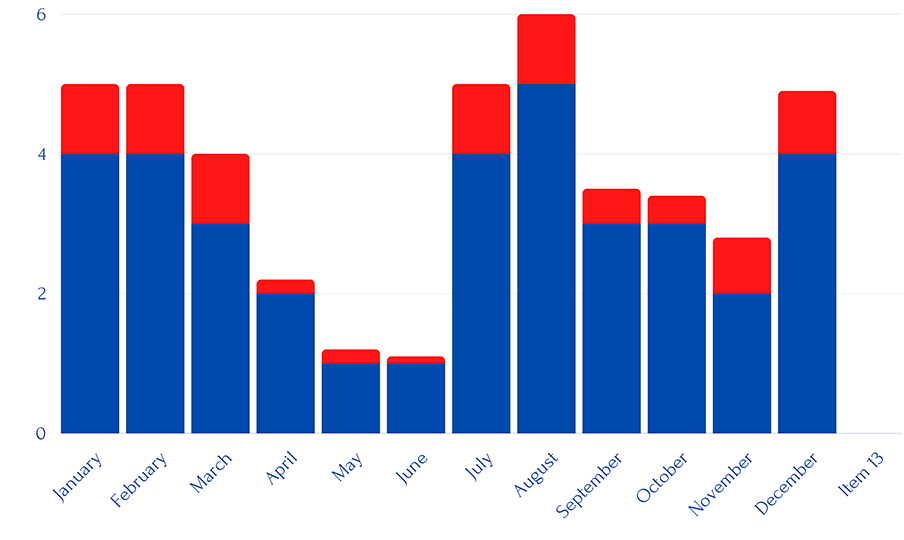
The Arid Reality: Arizona’s General Climate
Arizona’s image as a sun-drenched, dry state is largely accurate, but it masks a remarkable variety in climate zones, each with its own rainfall characteristics. The state’s diverse topography, ranging from low-lying desert valleys to towering mountain peaks, dictates how often and how much precipitation it receives.
Dispelling the Myth: More Than Just Desert
While the iconic Sonoran Desert dominates much of southern Arizona, the state is far from uniformly arid. Northern Arizona, for instance, is home to vast pine forests, high plateaus, and even ski resorts, experiences a climate more akin to mountainous regions elsewhere in the United States. This geographical diversity means that what counts as “rain” can vary significantly – from desert sprinkles to heavy mountain snow. Travelers seeking to explore the full breadth of Arizona’s natural beauty must account for these regional differences, as they profoundly impact everything from hiking conditions to road accessibility.
Average Rainfall Across the State
On average, Arizona is one of the driest states in the U.S., with annual precipitation figures often cited around 13-14 inches statewide. However, this average is heavily skewed by the significant differences between regions.
- Desert Lowlands (e.g., Phoenix, Tucson): These areas typically receive the least amount of rain, often averaging between 7 to 11 inches per year. Much of this falls during specific rainy seasons.
- Central Highlands (e.g., Sedona, Prescott): These elevated areas experience more moderate rainfall, usually between 15 to 20 inches annually, benefiting from both summer monsoons and winter storms.
- High Country (e.g., Flagstaff, Grand Canyon): The highest elevations can receive substantially more precipitation, sometimes exceeding 25 inches annually, with a significant portion arriving as snow during the colder months. Flagstaff, for example, is one of the snowiest cities in the U.S.
These figures illustrate that while Arizona is generally dry, its diverse geography ensures that the frequency and intensity of rain (and snow) are far from uniform, offering varied experiences for travelers throughout the year.
Arizona’s Distinct Rainy Seasons
Unlike many places with a relatively consistent distribution of rain throughout the year, Arizona’s precipitation largely falls within two distinct seasons: the dramatic summer monsoon and the more gentle winter rains. Understanding these patterns is key to planning activities and packing appropriately for your desert adventure.
The Monsoon Season: Summer’s Dramatic Show
From early July to mid-September, Arizona experiences its most iconic and dramatic weather phenomenon: the North American Monsoon. This season, driven by a shift in wind patterns drawing moisture from the Pacific Ocean and the Gulf of Mexico, brings intense, localized thunderstorms that sweep across the desert landscape.
These monsoon storms are characterized by:
- Sudden Onset: Clear blue skies can rapidly turn dark and ominous within minutes.
- Heavy Downpours: Rain often falls in torrents, overwhelming dry streambeds and leading to flash flooding, particularly in washes and canyons.
- Lightning: Spectacular displays of lightning are common, illuminating the desert night sky.
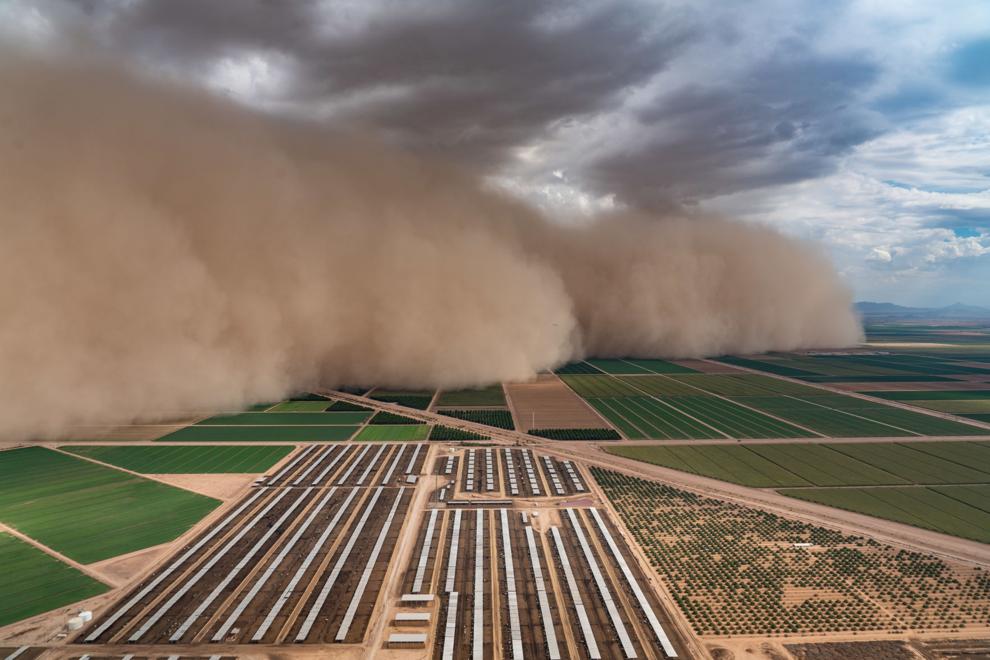
- Haboobs: Massive dust storms, known locally as haboobs, often precede the rain, creating towering walls of dust that can significantly reduce visibility and disrupt travel.
For travelers, the monsoon season offers a unique spectacle. The desert, parched for months, quickly transforms. The air smells fresh and earthy, and the landscape briefly bursts with a vibrant green hue. Photography enthusiasts will find unparalleled opportunities for capturing dramatic skies and stunning sunsets. However, it’s essential to be prepared for sudden weather changes, potential road closures due to flooding, and the need to seek shelter during severe storms. Planning outdoor activities for the mornings is often advisable, as most monsoon activity occurs in the late afternoon and evening.
Winter Rains: Gentle and Widespread
Arizona’s other significant rainy season occurs during the cooler months, typically from December through March. These winter rains are distinct from the summer monsoons in several ways. They are generally:
- Less Intense: Characterized by longer, lighter, and more widespread precipitation, often originating from Pacific storm systems moving inland.
- Cooler Temperatures: These rains arrive when temperatures are much lower, leading to significant snowfall in the higher elevations.
- Beneficial for Ecosystems: The slower, soaking nature of winter rains is crucial for replenishing groundwater and supporting the desert’s unique plant life, setting the stage for spectacular wildflower blooms in spring.
In cities like Phoenix and Tucson, winter rains are typically infrequent but pleasant, contributing to the mild, sunny days that make this season ideal for outdoor activities. In the central highlands and northern Arizona, however, winter brings substantial snow. Destinations like Flagstaff, Prescott, and the Grand Canyon can be blanketed in white, offering opportunities for skiing, snowboarding (Arizona Snowbowl), and snowshoeing. Traveling in these areas during winter requires checking road conditions and being prepared for cold weather gear. The gentle winter precipitation often makes for serene landscapes and clear, crisp air, providing a different but equally captivating travel experience.
Regional Variations: Where Rain Falls Differently
Arizona’s vastness ensures that the experience of rain, or lack thereof, varies significantly depending on your specific destination within the state. Understanding these regional differences is vital for tailored travel planning.
Desert Lowlands: Phoenix and Tucson
The metropolitan areas of Phoenix and Tucson, situated in the Sonoran Desert, represent the state’s driest regions. Both cities receive the bulk of their limited annual rainfall during the summer monsoon season, with occasional, lighter rains in winter.
- Phoenix: Typically averages around 7-8 inches of rain per year. Monsoon storms can be intense but brief, often localized, meaning one part of the city might experience a downpour while another remains dry.
- Tucson: Slightly wetter than Phoenix, averaging around 11-12 inches annually, also heavily reliant on monsoon activity. The surrounding mountains often catch more moisture, contributing to the area’s lush desert flora.
For travelers, this means expecting abundant sunshine for most of the year. During the monsoon, be mindful of sudden afternoon storms and associated hazards like flash floods and dust storms. Otherwise, these regions are prime for year-round outdoor activities, particularly from fall through spring when temperatures are mild and dry.
High Country: Flagstaff and the Arizona Strip
Venture north, and Arizona’s climate undergoes a dramatic transformation. The high country, encompassing areas like Flagstaff, the Grand Canyon, and the expansive Arizona Strip north of the Canyon, experiences a significantly different weather pattern.
- Flagstaff: Known for its four distinct seasons, Flagstaff receives over 20 inches of precipitation annually, a substantial portion of which falls as snow. Winter is a major season here, with Arizona Snowbowl drawing skiers and snowboarders. Summer monsoons also bring rain, but temperatures remain much cooler than in the desert lowlands.
- Grand Canyon: The South Rim of the Grand Canyon sees a mix of summer monsoon rains and winter snow, influencing visitor experiences. Winter brings fewer crowds and a snow-dusted canyon, while summer offers vibrant sunsets after monsoon storms. The North Rim, being higher and often snowbound, is closed for much of the winter.
Travelers to the high country should prepare for a wider range of weather conditions, from cool summer rains to heavy winter snowfalls. Layered clothing is essential, and vigilance regarding road conditions, especially during winter, is paramount.
Central Highlands: Sedona and Prescott
Midway between the scorching desert and the snowy peaks lie the central highlands, home to popular destinations like Sedona and Prescott. These areas enjoy an intermediate climate, benefiting from both monsoon activity and winter storms.
- Sedona: With its iconic red rock formations, Sedona averages around 18-19 inches of precipitation annually. It experiences both summer thunderstorms and lighter winter rains, occasionally even a dusting of snow that highlights the red rocks beautifully. The climate is generally milder than Phoenix in summer and warmer than Flagstaff in winter.
- Prescott: Slightly higher in elevation than Sedona, Prescott receives similar amounts of precipitation, often a bit more snow in winter. Its mild summers and pleasant winters make it a popular escape.
For visitors to the central highlands, the weather is generally favorable for outdoor activities for most of the year. Monsoon rains in summer can create dramatic photographic opportunities against the red rocks, and occasional winter snow adds a magical touch to the landscape.
Planning Your Arizona Trip Around Rainfall
Understanding Arizona’s rainfall patterns isn’t just about avoiding getting wet; it’s about optimizing your travel experience to align with the state’s diverse seasonal offerings. Each season, defined in part by its precipitation, unveils a different facet of Arizona’s beauty and opportunities.
Best Times to Visit for Specific Experiences
- Hiking and Outdoor Activities (Arid Regions): The best times are generally Fall (October-November) and Spring (March-May). During these months, temperatures are mild to warm, and rainfall is minimal, creating ideal conditions for exploring trails in places like the Sonoran Desert, Phoenix preserves, and around Tucson and Sedona.
- Photography and Dramatic Landscapes: The Monsoon Season (July-September) is surprisingly excellent for this. The towering storm clouds, intense lightning, and post-rain clarity against the vast desert or canyon backdrops (Grand Canyon, Monument Valley) offer unparalleled photographic opportunities. Just be prepared for potential delays or seeking shelter.
- Winter Sports: For skiing, snowboarding, or snowshoeing, plan a trip to Flagstaff and the surrounding peaks from December to March. The Arizona Snowbowl is a prime destination for snow enthusiasts.
- Wildflower Blooms: Following good winter rains, the desert can burst into spectacular bloom in late March and April. This is a truly magical time to witness the desert come alive with color.
What to Expect and How to Prepare
No matter when you visit, a few key preparation tips will ensure a smooth trip:
- Stay Hydrated: Even on overcast or rainy days, the dry desert air can lead to dehydration. Carry plenty of water.
- Pack Layers: Arizona’s temperatures can fluctuate dramatically between day and night, and between elevations. Layers are always a good idea.
- Monitor Weather Forecasts: Especially during the monsoon season, keep a close eye on local forecasts and flash flood warnings, particularly if you plan to hike in canyons or washes.
- Road Conditions: In winter, check highway conditions (especially I-17, I-40, and roads leading to the Grand Canyon North Rim) for snow and ice closures. During monsoons, be aware of “Do Not Enter When Flooded” signs and never attempt to drive through flowing water.
- Embrace the Change: A rainy day in Arizona, whether it’s a dramatic monsoon or a gentle winter shower, offers a unique perspective on the landscape. The colors become more vibrant, the air feels cleaner, and the scent of creosote after rain is unforgettable.
Beyond the Drops: The Ecological and Experiential Impact of Rain
The presence or absence of rain in Arizona is more than just a weather statistic; it’s a fundamental force that shapes the state’s unique ecology and profoundly influences the traveler’s experience.
Desert Life and the Monsoon’s Refresh
The Sonoran Desert, in particular, is a “wet desert” compared to others globally, owing much of its biodiversity to the bimodal rainfall pattern of winter and monsoon seasons. Iconic cacti like the Saguaro are uniquely adapted to quickly absorb and store vast amounts of water from monsoon downpours. The summer rains trigger an explosion of life, from blooming Ocotillos and annual wildflowers to increased activity among desert fauna. For the discerning traveler, witnessing the desert respond to rain – the sudden growth, the vibrant greens, the flourishing insect and bird life – is an experience that connects you deeply with this resilient ecosystem.
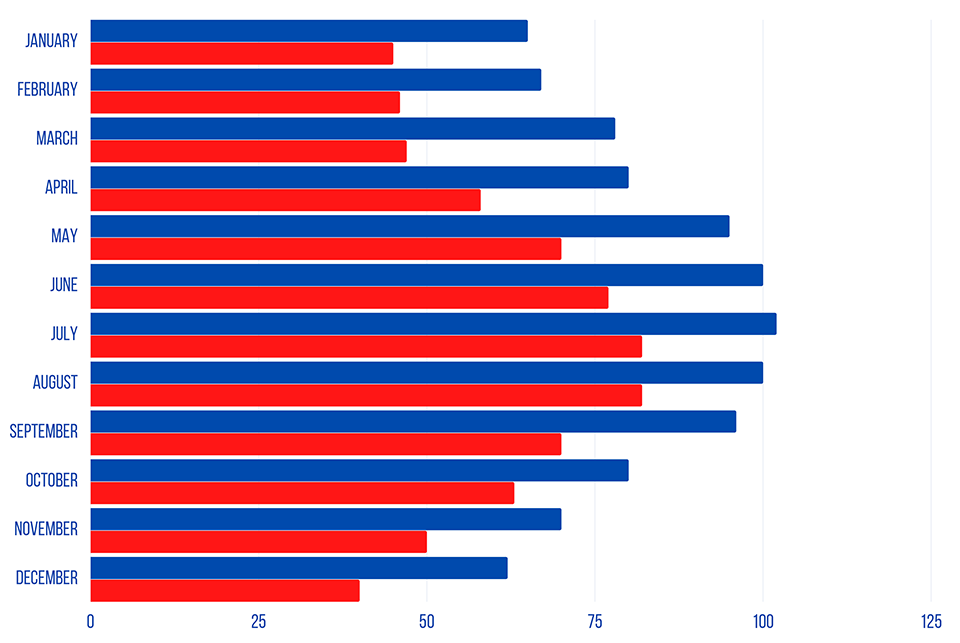
Enhancing the Landscape: A Different Perspective
Rain in Arizona has a transformative effect on its already stunning landscapes. After a downpour, the air is often cleansed, leading to incredibly clear visibility and intensified colors. The red rocks of Sedona appear even more vibrant, the geological layers of the Grand Canyon stand out in sharper relief, and the deep greens of the high country forests glisten. Moreover, the dramatic cloud formations associated with monsoon storms often provide awe-inspiring backdrops to these natural wonders, creating postcard-perfect scenes that are impossible during consistently clear skies. Far from being a deterrent, rain can unveil a different, often more intimate and dramatic, side of Arizona’s natural beauty.
In conclusion, while Arizona’s reputation as a dry, sunny state is well-earned, it is also a place of distinct and vital rainy seasons. From the sudden, intense downpours of the summer monsoon to the gentle, widespread showers and significant snowfall of winter, precipitation is an integral part of the state’s diverse climate. Travelers who understand and appreciate these patterns are best equipped to plan a trip that not only avoids unexpected weather woes but also fully embraces the dynamic beauty and varied experiences that the Grand Canyon State offers throughout the year.
LifeOutOfTheBox is a participant in the Amazon Services LLC Associates Program, an affiliate advertising program designed to provide a means for sites to earn advertising fees by advertising and linking to Amazon.com. Amazon, the Amazon logo, AmazonSupply, and the AmazonSupply logo are trademarks of Amazon.com, Inc. or its affiliates. As an Amazon Associate we earn affiliate commissions from qualifying purchases.