
The rhythm of governance in the Lone Star State is dictated by a unique legislative calendar. Understanding when the Texas Legislature convenes is crucial for any resident interested in the state’s political landscape, business operators planning around policy changes, or even tourists seeking to witness the democratic process firsthand in Austin. Unlike many states with annual legislative sessions, Texas operates on a biennial schedule, meaning its lawmaking body convenes only once every two years. This practice, rooted in historical precedent and state constitutional design, shapes the pace of legislation, the depth of debate, and the overall legislative output of Texas.

The Biennial Session: A Strategic Approach
The cornerstone of the Texas Legislature’s meeting schedule is its Regular Session, which convenes on the second Tuesday in January of odd-numbered years. This session is meticulously defined by the Texas Constitution to last no more than 140 days. This constitutional limit underscores a deliberate approach to governance, intended to ensure that legislative attention is focused and that potentially hasty decisions are avoided. The fixed start date and duration create a predictable framework for lawmakers, lobbyists, and the public alike.
The Importance of Odd-Numbered Years
The exclusive focus on odd-numbered years for Regular Sessions is a key distinguishing feature of Texas. This means that in even-numbered years, the Legislature is not scheduled to meet for its primary lawmaking function. This biennial structure has several implications. Firstly, it means that major legislative initiatives, budget appropriations, and significant policy debates are concentrated within these 140-day periods. This often leads to an intense legislative agenda, with numerous bills being introduced and debated concurrently.
Secondly, the two-year gap between Regular Sessions necessitates careful planning and prioritization. Legislators must anticipate the needs of the state and its citizens well in advance, as they will have a limited window to address them. This can foster a more strategic and long-term perspective in policy development, as opposed to the potentially more reactive approach that might arise from annual sessions.
The Mechanics of the 140-Day Limit
The 140-day limit is not merely a suggestion; it is a constitutional mandate. The Legislature must adjourn Sine Die (meaning, without a day to which to adjourn) no later than the Monday preceding the last Sunday in May of odd-numbered years. This hard deadline imbues the legislative process with a sense of urgency as adjournment approaches. Bills that have not passed both chambers and been signed into law by the Governor by the end of the session effectively die. This encourages compromise and negotiation as deadlines loom.
The constitutional framework also allows for the Governor to call Special Sessions. These are crucial for addressing unforeseen emergencies or urgent matters that cannot wait for the next Regular Session.
Planning Around the Legislative Calendar
For businesses operating within Texas, understanding this biennial schedule is vital for strategic planning. Proposed legislation can significantly impact industries, from taxation and regulation to environmental policies and labor laws. Companies often engage lobbyists to monitor legislative activity and advocate for their interests during the session. Knowing when the session begins and ends helps in allocating resources for advocacy efforts and preparing for potential policy shifts.
Similarly, citizens who wish to engage with their elected officials on specific issues should be aware of the legislative calendar. The period leading up to and during a Regular Session is the most opportune time to contact legislators, attend committee hearings, and participate in public comment periods. Outside of these sessions, while communication with legislators is always possible, the direct legislative action is largely dormant.
Special Sessions: The Governor’s Prerogative
While the Regular Session is the primary legislative undertaking, the Texas Governor holds the significant power to convene Special Sessions. These sessions are an essential flexibility mechanism within the biennial structure. The Governor can call the Legislature back to Austin to address specific issues that require immediate attention.
Defining the Scope of Special Sessions
A key characteristic of Special Sessions is their limited scope. When the Governor calls a Special Session, they also set the agenda. The Legislature can only consider and act upon the specific topics or “calls” outlined by the Governor. This prevents the Legislature from using a Special Session as an opportunity to tackle unrelated matters. Typically, a Special Session can last no longer than 30 days. This brevity, combined with the focused agenda, ensures that the issues at hand are addressed with urgency and precision.

When are Special Sessions Called?
Special Sessions can be called at any time, irrespective of whether a Regular Session is ongoing or has concluded. Historically, Governors have called Special Sessions for a variety of reasons, including:
- Budgetary Crises: If the state faces unexpected revenue shortfalls or requires immediate funding for critical services, the Governor might call a Special Session to address budget adjustments.
- Emergencies and Disasters: Following natural disasters like hurricanes or widespread public health crises, Special Sessions might be convened to allocate relief funds or enact necessary emergency legislation.
- Unfinished Business: Sometimes, critical legislation may have failed to pass during a Regular Session due to time constraints or significant disagreements. The Governor might call a Special Session to allow for further consideration of these key issues.
- Emerging Policy Debates: Issues that gain prominence between Regular Sessions, such as property tax reform or specific social policies, can prompt a Governor to call a Special Session to address them.
The Impact of Special Sessions on the Legislative Process
The existence of Special Sessions adds another layer to the Texas Legislature’s operational dynamics. It provides a mechanism for addressing urgent matters that might otherwise have to wait two years for the next Regular Session. However, Special Sessions can also be politically charged. The Governor’s agenda-setting power means that the issues addressed are often those that the Governor prioritizes, which can lead to intense debate and political maneuvering.
For those involved in the legislative process, Special Sessions require a constant state of readiness. Lobbyists and advocacy groups must be prepared to re-engage with lawmakers on short notice, and citizens may have limited opportunities to voice their opinions on the matters at hand. The condensed nature of Special Sessions often means that public input windows are shorter, underscoring the importance of proactive engagement.
Implications for Tourism and Civic Engagement
While the primary function of the Texas Legislature is governance, its meeting schedule has secondary implications for the state’s tourism and civic engagement landscape, particularly in the capital city of Austin.
Experiencing Democracy in Action
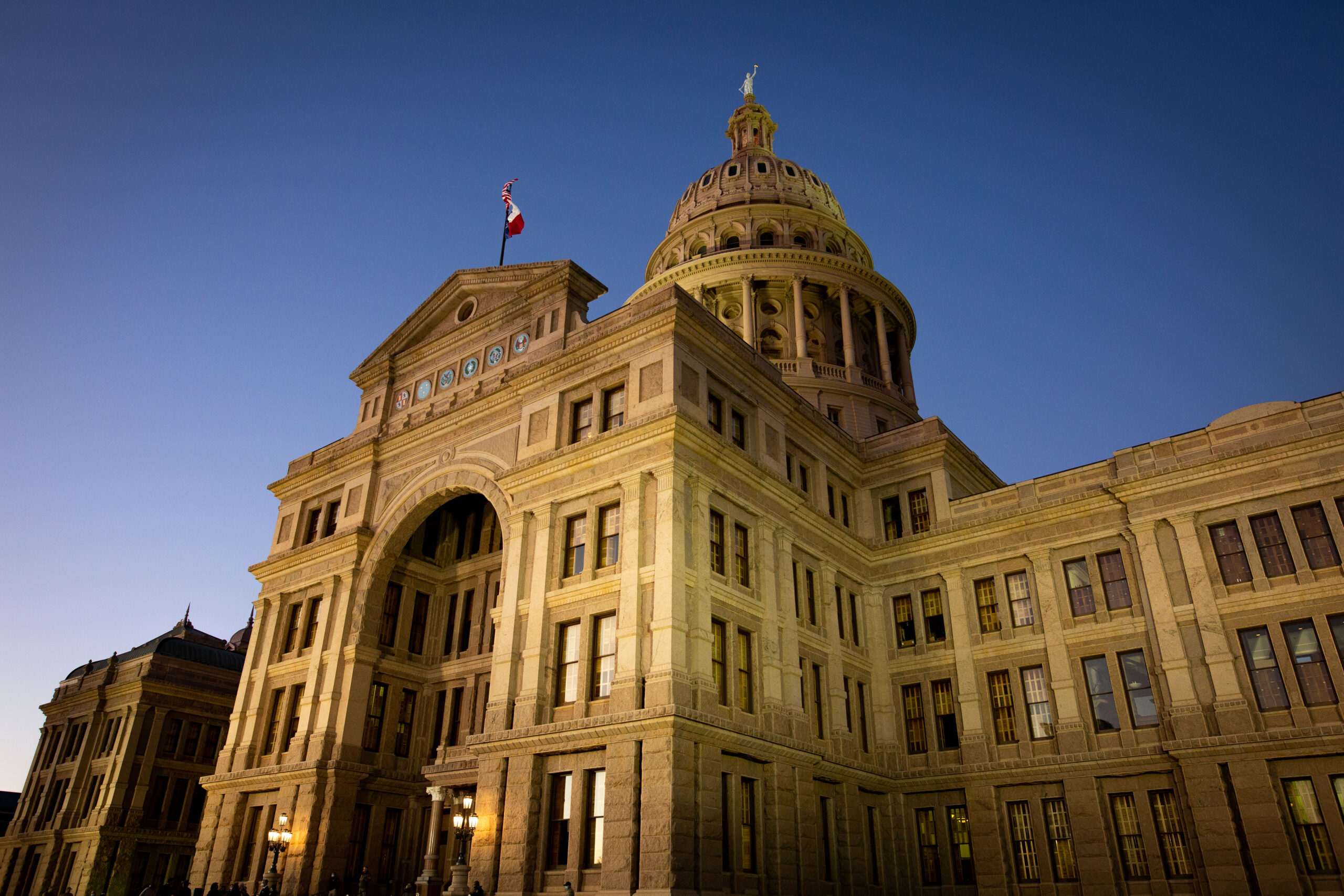
For visitors interested in the workings of state government, the Regular Sessions of the Texas Legislature offer a unique opportunity. The Texas State Capitol building is a magnificent architectural landmark and a hub of political activity during session. Tourists can:
- Observe Floor Debates: The public is generally welcome to observe debates on the House and Senate floors. Witnessing lawmakers discuss and vote on legislation provides a tangible experience of democratic governance.
- Attend Committee Hearings: Committee hearings are where much of the detailed work on bills takes place. These sessions often feature testimony from experts, stakeholders, and the public, offering deeper insights into the legislative process and specific policy issues.
- Visit Legislative Offices: Many legislative offices are located within or near the Capitol complex, providing opportunities to learn about the work of individual representatives and senators.
- Explore the Capitol Building: Even outside of session, the Texas State Capitol itself is a significant tourist attraction, offering guided tours that often highlight its historical and governmental significance.
The concentration of legislative activity during the Regular Session means that Austin experiences an influx of individuals involved in politics and policy – lawmakers, staff, lobbyists, advocates, and concerned citizens. This can create a vibrant atmosphere in the city, with numerous events, forums, and discussions taking place around the Capitol.
Timing Your Visit for Maximum Engagement
Those planning a trip to Austin with the intention of witnessing legislative action should time their visits accordingly. The period from January through May of odd-numbered years is when the most extensive legislative activity occurs. Conversely, even-numbered years offer a quieter legislative environment, though legislative committees may still meet periodically to study issues or prepare for the next Regular Session.
Special Sessions, by their nature, are less predictable. However, when one is called, it can bring a surge of activity back to the Capitol, providing another, albeit more spontaneous, opportunity for civic observation.
The Broader Impact on Texas
The biennial legislative schedule fosters a distinct political culture in Texas. It encourages a more deliberative approach to lawmaking, allowing issues to mature over time. It also places a significant burden on the 140-day Regular Session, making it a period of intense focus and often, compromise. For residents, staying informed about when the Legislature meets is a fundamental step in participating in the state’s governance and understanding the forces that shape Texas. Whether you are a business owner, a concerned citizen, or a tourist seeking to understand the heart of Texas, the biennial rhythm of the Texas Legislature is a key element to comprehend.
LifeOutOfTheBox is a participant in the Amazon Services LLC Associates Program, an affiliate advertising program designed to provide a means for sites to earn advertising fees by advertising and linking to Amazon.com. Amazon, the Amazon logo, AmazonSupply, and the AmazonSupply logo are trademarks of Amazon.com, Inc. or its affiliates. As an Amazon Associate we earn affiliate commissions from qualifying purchases.