
Colorado, a state synonymous with the majestic Rocky Mountains, is a paradise for outdoor enthusiasts and nature lovers alike. While the question “What Mountain Is In Colorado?” might seem deceptively simple, the answer is a rich tapestry of towering peaks, iconic ranges, and individual mountains, each possessing its own unique character and allure. For the traveler seeking to explore these natural wonders, understanding the prominent mountains and their significance is key to unlocking the full potential of a Colorado adventure.
The Majestic Rockies: Colorado’s Defining Feature
The Rocky Mountains are not a single entity but a vast mountain system that stretches across North America. In Colorado, they form the spine of the state, offering a breathtaking panorama of snow-capped summits, verdant valleys, and pristine alpine lakes. The sheer scale and grandeur of the Rockies are awe-inspiring, drawing millions of visitors annually to experience their rugged beauty.
The Fourteeners: Peaks Above 14,000 Feet
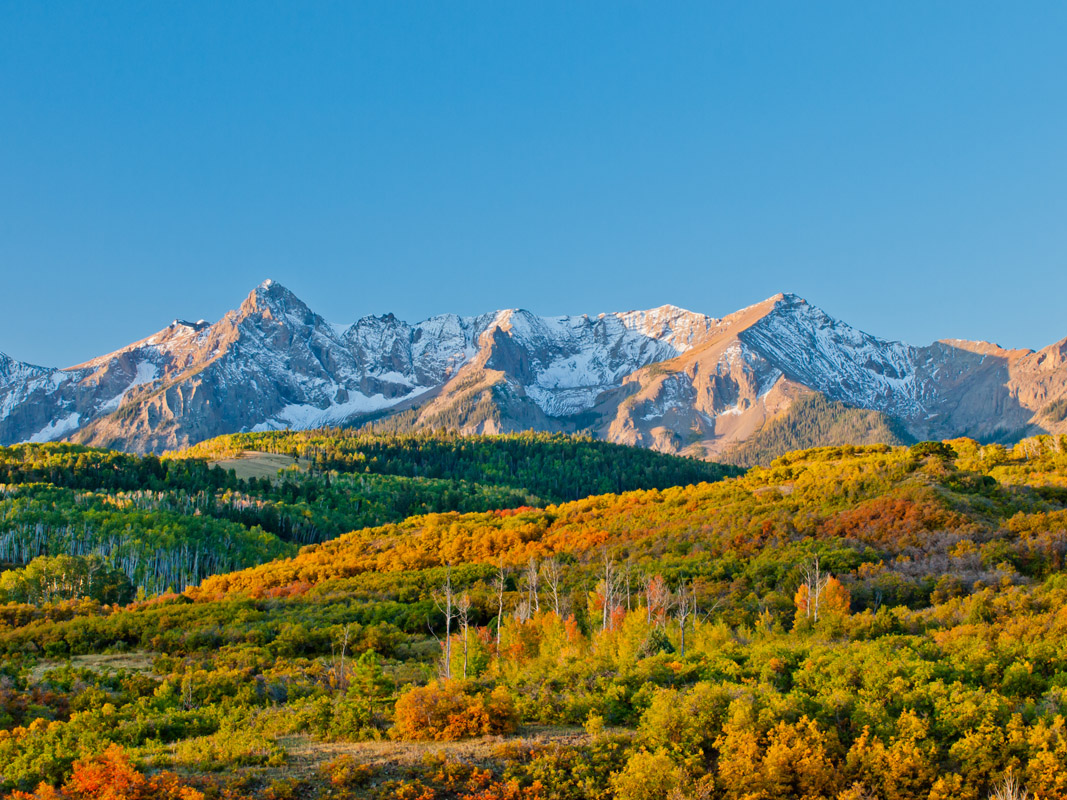
Colorado is particularly famous for its “Fourteeners,” mountains that exceed an elevation of 14,000 feet (4,267 meters). These formidable peaks represent the ultimate challenge for hikers and climbers, offering unparalleled views and a profound sense of accomplishment upon reaching their summits. There are 58 officially recognized Fourteeners in Colorado, making it the state with the most peaks of this stature in the contiguous United States.
- Mount Elbert: The highest point in Colorado and the entire Rocky Mountains, Mount Elbert stands at 14,440 feet. Located in the Sawatch Range near Leadville, its relatively gentle slopes make it an accessible Fourteener for experienced hikers.
- Mount Massive: Also in the Sawatch Range, Mount Massive is the second-highest peak in Colorado, at 14,421 feet. Its name aptly describes its immense size.
- Mount Harvard: Another prominent peak in the Sawatch Range, Mount Harvard reaches 14,420 feet. It is often climbed in conjunction with its neighbors.
- Blanca Peak: Situated in the Sangre de Cristo Range in southern Colorado, Blanca Peak is a challenging climb at 14,345 feet, but its striking beauty is a significant draw.
- La Plata Peak: Part of the Sawatch Range, La Plata Peak is the fifth-highest peak in Colorado, standing at 14,336 feet.
- Longs Peak: A beloved and iconic Fourteener in the Front Range, Longs Peak is located in Rocky Mountain National Park. Its distinctive profile, including the Diamond face, makes it a popular, albeit demanding, destination for climbers and hikers, reaching 14,259 feet.
Other Notable Mountain Ranges and Peaks
Beyond the Fourteeners, Colorado is home to numerous other significant mountain ranges and peaks that contribute to its diverse topography and appeal. These ranges offer a variety of landscapes, from rugged wilderness to accessible scenic drives.
- The San Juan Mountains: Located in southwestern Colorado, the San Juan Mountains are known for their dramatic, rugged beauty, abundant wildlife, and historic mining towns like Ouray and Silverton. Peaks like Mount Sneffels (14,158 feet) and Handies Peak (14,048 feet) are popular among adventurers. The high-alpine scenery here is exceptionally picturesque, often drawing comparisons to the Alps.
- The Sangre de Cristo Mountains: This range runs north-south through southern Colorado and New Mexico, characterized by its dramatic, sharp peaks. As mentioned, Blanca Peak is a part of this range, along with other notable mountains like Crestone Peak (14,294 feet) and Mount Adams (13,860 feet).
- The Front Range: This is the easternmost range of the Rockies and includes many of the most accessible mountains for residents of the Denver metropolitan area. Pikes Peak, an iconic 14,115-foot mountain near Colorado Springs, is a prominent landmark, accessible by car via the Pikes Peak Highway or by the cog railway. It offers panoramic views that on a clear day can extend for hundreds of miles.
- The Sawatch Range: As highlighted with the Fourteeners, the Sawatch Range is home to the highest concentration of Colorado’s highest peaks. This range is a hiker’s and climber’s dream, offering a plethora of challenging ascents and stunning alpine scenery. Its location near towns like Salida and Buena Vista makes it a popular destination for outdoor recreation.
Experiencing Colorado’s Mountains: Activities and Attractions
Colorado’s mountains are more than just geological formations; they are vibrant ecosystems and recreational playgrounds offering a diverse range of experiences for every type of traveler. From adrenaline-pumping adventures to serene nature walks, the mountains provide an unforgettable backdrop for exploration.
Hiking and Backpacking
With an extensive network of trails, Colorado is a hiker’s paradise. Whether you’re looking for a short day hike to a scenic overlook or a multi-day backpacking expedition into the wilderness, there’s a trail for everyone.
- Rocky Mountain National Park: Offers over 350 miles of trails, ranging from easy strolls around Bear Lake to strenuous climbs up Longs Peak. Trail Ridge Road, the highest continuous paved road in North America, provides access to stunning alpine tundra viewpoints without requiring a strenuous hike.
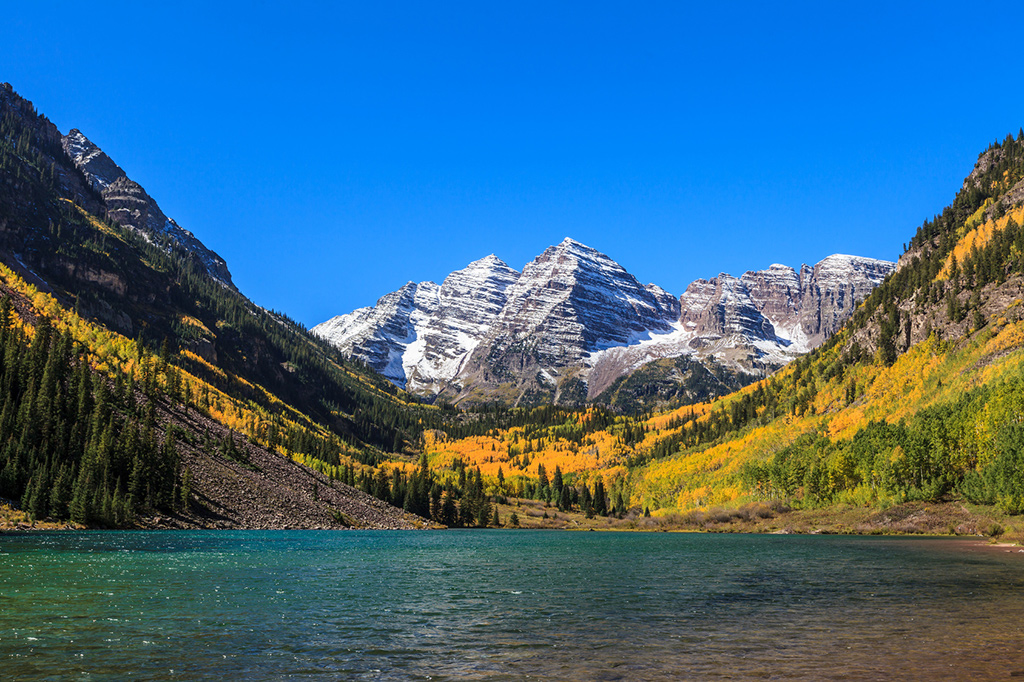
- Maroon Bells: Near Aspen, the Maroon Bells are one of the most photographed natural landmarks in North America. The easy trail around Maroon Lake offers spectacular reflections of the twin peaks.
- Colorado Trail: This 486-mile trail traverses the state, offering a true wilderness experience for dedicated backpackers. Sections of the trail can be enjoyed as day hikes or shorter overnight trips.
Skiing and Snowboarding
Colorado is world-renowned for its exceptional ski resorts, attracting winter sports enthusiasts from around the globe. The state boasts some of the best powder and longest ski seasons in North America.
- Aspen Snowmass: A collection of four mountains—Aspen Mountain, Aspen Highlands, Buttermilk, and Snowmass—offering diverse terrain and a luxurious mountain town experience.
- Vail: One of the largest ski resorts in the United States, Vail is famous for its vast back bowls and expert terrain.
- Breckenridge: A historic mining town turned popular ski destination, Breckenridge offers high-alpine skiing with a lively atmosphere and a charming Main Street.
- Winter Park: Known for its consistent snow quality and family-friendly atmosphere, Winter Park is a favorite among locals and visitors alike.
- Steamboat: Famous for its “Champagne Powder,” Steamboat offers a unique western charm and excellent skiing.
Scenic Drives and Photography
For those who prefer to experience the mountains from the comfort of their vehicle, Colorado offers a plethora of breathtaking scenic drives.

- Trail Ridge Road (Rocky Mountain National Park): As mentioned, this road reaches over 12,000 feet, offering unparalleled vistas of the alpine tundra and surrounding peaks. It is typically open from late May to mid-October.
- San Juan Skyway: A designated All-American Road, this 233-mile loop winds through the stunning San Juan Mountains, passing through historic towns and dramatic landscapes.
- Independence Pass: The highest paved mountain pass in North America, Independence Pass connects Twin Lakes and Aspen. The drive offers incredible views and is a popular spot for photography. It is generally open from Memorial Day to mid-October, weather permitting.
Planning Your Mountain Adventure
A trip to Colorado’s mountains requires thoughtful planning to ensure a safe and enjoyable experience. Understanding the specific mountain, the season, and your own capabilities is paramount.
Best Times to Visit
The best time to visit Colorado’s mountains depends heavily on your intended activities.
- Summer (June-August): Ideal for hiking, backpacking, camping, and scenic drives. Wildflowers are in full bloom, and the weather is generally pleasant, though afternoon thunderstorms are common.
- Fall (September-October): Offers spectacular autumn foliage, with aspen groves turning vibrant shades of gold. This is a great time for hiking and photography, with cooler temperatures and fewer crowds than summer.
- Winter (November-April): The prime season for skiing and snowboarding. Resorts are operational, and the snow conditions are typically excellent. Backcountry skiing is also popular for experienced individuals.
- Spring (May): A transitional season. While lower elevations may be clear, higher mountain passes and trails can still be snow-covered. This is a good time for viewing waterfalls as snowmelt increases flow.
Essential Gear and Preparation
Regardless of the season, proper preparation is key to a safe mountain excursion.
- Layered Clothing: Mountain weather can change rapidly. Pack layers that can be added or removed as needed, including a waterproof and windproof outer shell.
- Sturdy Footwear: Hiking boots or sturdy trail shoes are essential for navigating uneven terrain.
- Sun Protection: Even on cloudy days, the sun at higher altitudes is intense. Pack sunscreen, sunglasses, and a hat.
- Hydration: Drink plenty of water, especially at higher elevations, to prevent altitude sickness.
- Navigation: Carry a map, compass, or GPS device, especially when venturing into backcountry areas.
- First-Aid Kit: Be prepared for minor injuries.
- Altitude Awareness: Acclimatize gradually to the altitude, avoid strenuous activity on your first day, and stay hydrated. If you experience symptoms of altitude sickness, descend to a lower elevation.
Respecting the Mountain Environment
When exploring Colorado’s magnificent mountains, it is crucial to practice Leave No Trace principles to preserve their natural beauty for future generations.
- Stay on Trails: Protect fragile alpine ecosystems by sticking to designated paths.
- Pack It In, Pack It Out: Carry out all trash, including food scraps and wrappers.
- Respect Wildlife: Observe animals from a distance and never feed them.
- Minimize Campfire Impacts: Use established fire rings where permitted and ensure fires are completely extinguished.
- Be Considerate of Others: Share trails and be mindful of noise levels.
Beyond the Peaks: Lodging and Amenities
While the mountains themselves are the primary draw, comfortable and convenient lodging options enhance the overall travel experience. From rustic cabins to luxurious resorts, Colorado offers a range of accommodations to suit every preference and budget, often nestled amidst these grand natural landscapes.
Mountain Towns and Resorts
Many of Colorado’s most popular mountain destinations are served by charming towns and well-established resorts, offering a comprehensive visitor experience.
- Aspen: Renowned for its upscale atmosphere, world-class skiing, and vibrant cultural scene. It offers luxury hotels, boutique inns, and high-end dining.
- Breckenridge: Combines its historic mining town charm with modern amenities. You’ll find a variety of accommodations, from ski-in/ski-out condos to historic hotels.
- Telluride: A picturesque Victorian-era town nestled in a box canyon, offering a more secluded and intimate mountain experience. It boasts luxurious hotels and charming bed and breakfasts.
- Estes Park: The gateway to Rocky Mountain National Park, Estes Park provides a wide array of lodging, from family-friendly motels to historic lodges like the Stanley Hotel.
Types of Mountain Accommodations
Travelers can choose from a spectrum of lodging options when exploring Colorado’s mountain regions:
- Hotels and Resorts: Offer full-service amenities, including restaurants, spas, and concierge services. Many resorts are located slopeside or offer convenient shuttle services to ski areas and trailheads.
- Vacation Rentals (Cabins, Condos, Homes): Provide more space and privacy, often with full kitchens, making them ideal for families or longer stays. Websites like Airbnb and VRBO list numerous options across the state.
- Bed and Breakfasts: Offer a more intimate and personalized experience, often in historic buildings or charming homes, with included breakfast.
- Campgrounds and RV Parks: For the budget-conscious and nature-immersed traveler, numerous public and private campgrounds are available in and around mountain areas, providing a direct connection to the natural environment.
By understanding the vast array of mountains and the diverse experiences they offer, travelers can truly appreciate the grandeur of Colorado. Whether seeking the challenge of a Fourteener, the thrill of a ski slope, or the tranquility of an alpine lake, the mountains of Colorado promise an adventure that will inspire and rejuvenate.
LifeOutOfTheBox is a participant in the Amazon Services LLC Associates Program, an affiliate advertising program designed to provide a means for sites to earn advertising fees by advertising and linking to Amazon.com. Amazon, the Amazon logo, AmazonSupply, and the AmazonSupply logo are trademarks of Amazon.com, Inc. or its affiliates. As an Amazon Associate we earn affiliate commissions from qualifying purchases.