
Colorado, a state renowned for its majestic Rocky Mountains and vibrant urban centers, offers a compelling mix of accessibility and adventure for wheelchair users. While the rugged natural beauty can present challenges, many of its cities have made significant strides in ensuring inclusivity, boasting accessible attractions, transportation options, and accommodations. This guide explores the top Colorado destinations that cater to wheelchair users, focusing on their commitment to providing enriching travel experiences.
Denver: The Accessible Urban Hub
As the capital and largest city in Colorado, Denver stands out for its comprehensive accessibility initiatives. The city is a nexus of culture, entertainment, and outdoor proximity, with efforts made across various sectors to welcome all visitors.

Getting Around Denver
Denver International Airport is a modern facility designed with accessibility in mind, offering ample accessible parking, spacious restrooms, and assistance services. Within the city, the Regional Transportation District (RTD) operates a fleet of accessible buses and light rail trains. These vehicles are equipped with ramps or lifts, securement areas, and audible stop announcements, making navigating the metropolitan area manageable. Many downtown streets are also well-maintained with curb cuts, and the 16th Street MallRide, a free shuttle bus service, is fully accessible and offers a convenient way to explore the heart of the city. Ride-sharing services also generally offer accessible vehicle options upon request.
Accessible Attractions in Denver
Denver’s commitment to accessibility is evident in its numerous attractions.
Cultural Institutions
- Denver Art Museum: This expansive museum features wide aisles, elevators to all levels, and accessible restrooms. Many exhibits are designed with varied viewing heights in mind, and the museum offers adaptive programming and resources.
- Denver Museum of Nature & Science: With its vast collection of exhibits, the museum is largely navigable for wheelchair users. Elevators connect all floors, and accessible restrooms are available throughout. They often have sensory-friendly hours and provide accessibility guides.
- The Molly Brown House Museum: While a historic house, significant efforts have been made to enhance accessibility. Tours can often be adapted, and while not all areas are fully accessible due to the building’s historical nature, the staff are accommodating and provide excellent information about the accessible portions.
Outdoor and Recreational Spaces
- City Park: Denver’s largest park offers paved pathways, accessible picnic areas, and the accessible Denver Zoo and the Denver Museum of Nature & Science. The park’s generally flat terrain makes it enjoyable for exploration.
- Confluence Park: Located at the confluence of the South Platte River and Cherry Creek, this urban park provides paved trails perfect for wheelchair users, offering scenic views and access to the Confluence Kayak and Canoe Rental (though water access may be limited, the park itself is a good destination).
Entertainment Venues
Major sporting arenas like the Ball Arena and the Empower Field at Mile High have dedicated accessible seating, accessible restrooms, and provide services for guests with disabilities, ensuring an enjoyable experience for attending games or concerts.
Boulder: Embracing Nature with Accessibility
Nestled at the foothills of the Rocky Mountains, Boulder is a vibrant city known for its outdoor lifestyle and progressive spirit. The city has invested in making its natural beauty and charming downtown accessible to everyone.
Navigating Boulder
The University of Colorado Boulder campus is largely accessible, with well-maintained sidewalks and ramps. The city’s downtown area, particularly Pearl Street Mall, features smooth, wide sidewalks and accessible shops and restaurants. Public transportation within Boulder is provided by Transfort, which offers accessible bus services with features similar to RTD in Denver.
Accessible Outdoor Adventures
Boulder’s identity is deeply tied to its natural surroundings, and there are several ways wheelchair users can experience this.
Trails and Parks
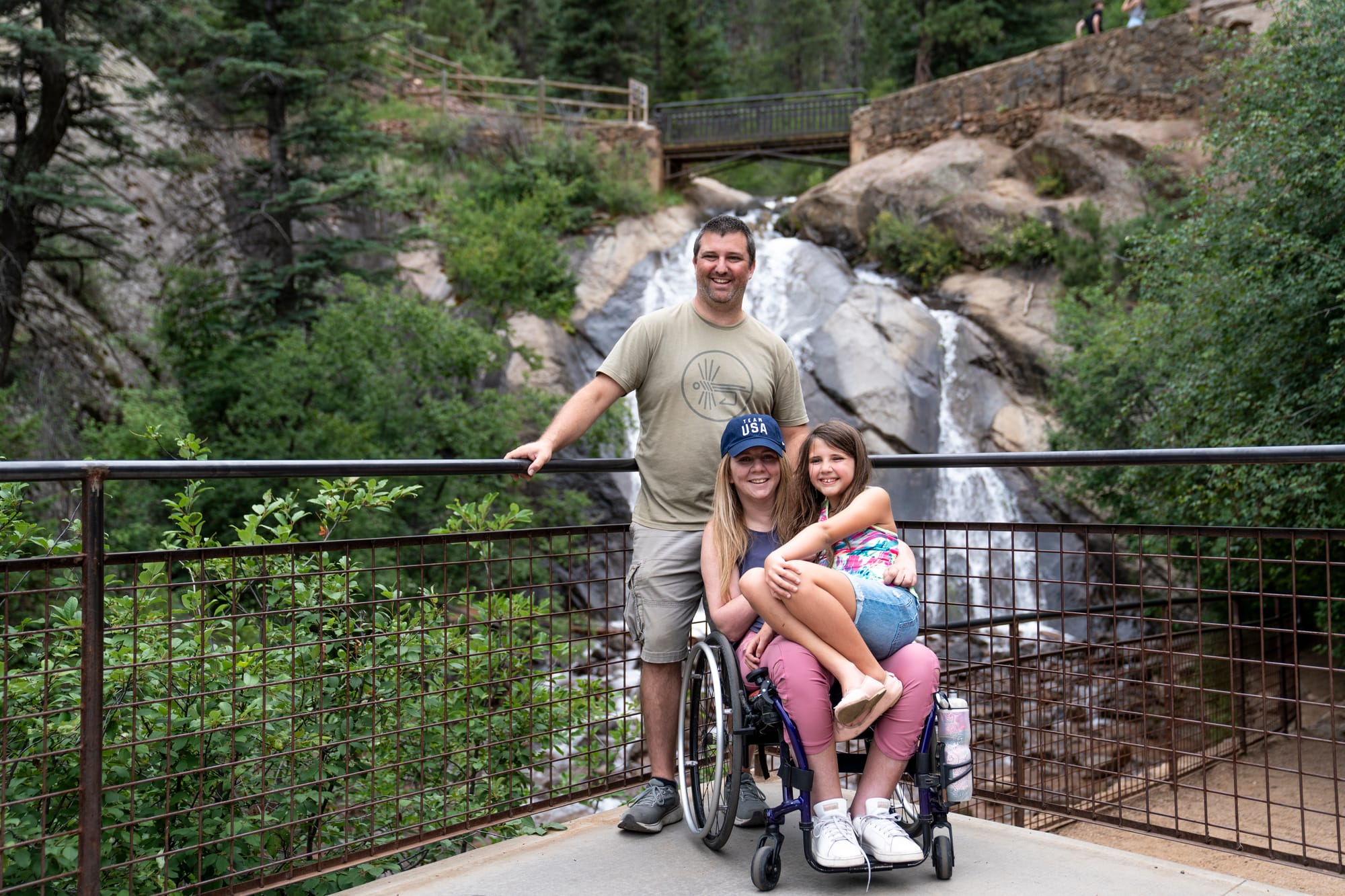
- Boulder Creek Path: This scenic paved trail runs for miles through the city, following Boulder Creek. It’s relatively flat and offers beautiful views of the surrounding landscape, making it ideal for wheelchair users.
- Chautauqua Park: While some of the more strenuous mountain trails are not accessible, the lower areas of Chautauqua Park have accessible viewing areas and pathways that offer stunning vistas of the iconic Flatirons. The park’s historic dining hall is also accessible.
- Open Space and Mountain Parks: Boulder manages an extensive network of open space. While not all trails are accessible, specific trails like the Wonderland Lake Loop are paved and flat, offering pleasant nature walks.
Downtown and Cultural Sites
- Pearl Street Mall: This pedestrian mall is a lively hub with accessible shops, restaurants, and street performers. The wide sidewalks and lack of vehicle traffic make it a comfortable area to explore.
- Celestial Seasonings Tea Factory: This popular attraction offers tours that are largely accessible, with ramps and accessible viewing areas for the production process and the iconic “Red Room.”
Colorado Springs: Accessibility Amidst Natural Wonders
Colorado Springs is home to some of the state’s most iconic natural landmarks, and the city has worked to make these accessible to a broader audience.
Transportation and City Access
Colorado Springs offers accessible public transportation through Mountain Metro Transit, with buses equipped with lifts or ramps. The city’s layout is somewhat spread out, so planning with accessible transport in mind is key. Downtown areas generally have good sidewalk infrastructure.
Accessible Attractions in Colorado Springs
- Garden of the Gods Park: This breathtaking park features towering red rock formations. A significant portion of the park is accessible via paved pathways, including the main loop road and several accessible viewpoints. The Visitor and Nature Center is also fully accessible and offers excellent interpretive displays.
- Cheyenne Mountain Zoo: Known for its stunning views and unique hillside layout, the zoo has made considerable efforts to improve accessibility. Accessible routes, elevators, and accessible restrooms are available, and many viewing areas offer good vantage points for wheelchair users.
- U.S. Olympic & Paralympic Museum: This relatively new museum is a testament to inclusivity, designed from the ground up with state-of-the-art accessibility. It features interactive exhibits, ample space for navigation, and adaptive technology throughout, making it one of the most accessible museums in the country.
Fort Collins: A College Town with Inclusive Vibes
Fort Collins, a lively college town situated in Northern Colorado, offers a friendly atmosphere and a growing commitment to accessibility, particularly around its charming downtown and access to outdoor recreational areas.
Getting Around Fort Collins
Transfort, the city’s public transit system, provides accessible bus services. The downtown area is very walkable and bike-friendly, with accessible sidewalks. The presence of Colorado State University means there’s a strong focus on pedestrian infrastructure and accessibility on campus and surrounding areas.
Accessible Experiences in Fort Collins
- Old Town Fort Collins: This historic downtown area is a delightful place to explore, with many accessible shops, breweries, and restaurants. The streets are generally well-maintained, and the atmosphere is welcoming.
- Poudre River Trail: This scenic paved trail follows the Cache la Poudre River and offers miles of accessible recreation, perfect for wheelchair users seeking to enjoy Colorado’s natural beauty.
- The Gardens on Spring Creek: These botanical gardens feature accessible pathways throughout, allowing visitors to enjoy the diverse plant collections in a serene environment.
Considerations for Wheelchair Users Traveling in Colorado
When planning a trip to Colorado, keeping a few key points in mind can enhance the experience for wheelchair users:
- Altitude Awareness: Many of Colorado’s most beautiful areas are at high altitudes. It’s essential to be aware of the effects of altitude sickness and to stay hydrated. This is especially important for individuals with respiratory or cardiovascular conditions. Pacing oneself and allowing for acclimatization is crucial.
- Transportation Planning: While public transportation is improving, it’s wise to research specific routes and schedules, especially if traveling outside of major urban centers. Booking accessible taxis or private transportation in advance can also be a good strategy.
- Accommodation Checks: When booking hotels or other accommodations, always verify specific accessibility features directly with the property. Look for details on roll-in showers, grab bars, doorway widths, and bed heights. Websites like booking.com and expedia.com often have filters for accessibility, but direct confirmation is recommended.
- Attraction Verification: While many attractions strive for accessibility, it’s always prudent to check their websites or call ahead for the most up-to-date information on accessible pathways, exhibit layouts, and any temporary closures or limitations.
- Weather Preparedness: Colorado weather can change rapidly, especially in mountainous regions. Packing layers and being prepared for various conditions, including snow and ice in cooler months, is important for comfort and safety.
By focusing on cities that have demonstrated a commitment to inclusivity, wheelchair users can discover the magic of Colorado, experiencing its stunning landscapes, rich culture, and welcoming communities. The ongoing efforts in these destinations promise an increasingly accessible and enjoyable travel experience for all.
LifeOutOfTheBox is a participant in the Amazon Services LLC Associates Program, an affiliate advertising program designed to provide a means for sites to earn advertising fees by advertising and linking to Amazon.com. Amazon, the Amazon logo, AmazonSupply, and the AmazonSupply logo are trademarks of Amazon.com, Inc. or its affiliates. As an Amazon Associate we earn affiliate commissions from qualifying purchases.